
Ultimate Timeline of Maine Coon Development: See Growth!

**Quick Summary:** Maine Coons grow more slowly than many other cat breeds. They reach their full size and weight at around 3 to 5 years old. During their first year, Maine Coon kittens experience rapid growth spurts, developing from tiny newborns into playful, energetic youngsters. After their first year, their growth gradually slows down until they reach full maturity.
Bringing a Maine Coon kitten into your home is an exciting adventure! These gentle giants have a unique development timeline compared to other cat breeds. Understanding this timeline will help you provide the best care for your furry friend as they grow from a tiny kitten to a majestic adult.
Many owners are unsure about what to expect as their Maine Coon grows, and it’s easy to worry if they seem to be developing slower or faster than expected. In this guide, we will break down the Maine Coon’s growth stages, from birth to adulthood, so you know exactly what to anticipate. Let’s explore the fascinating journey of your Maine Coon’s development together!
Maine Coon Development: A Complete Timeline
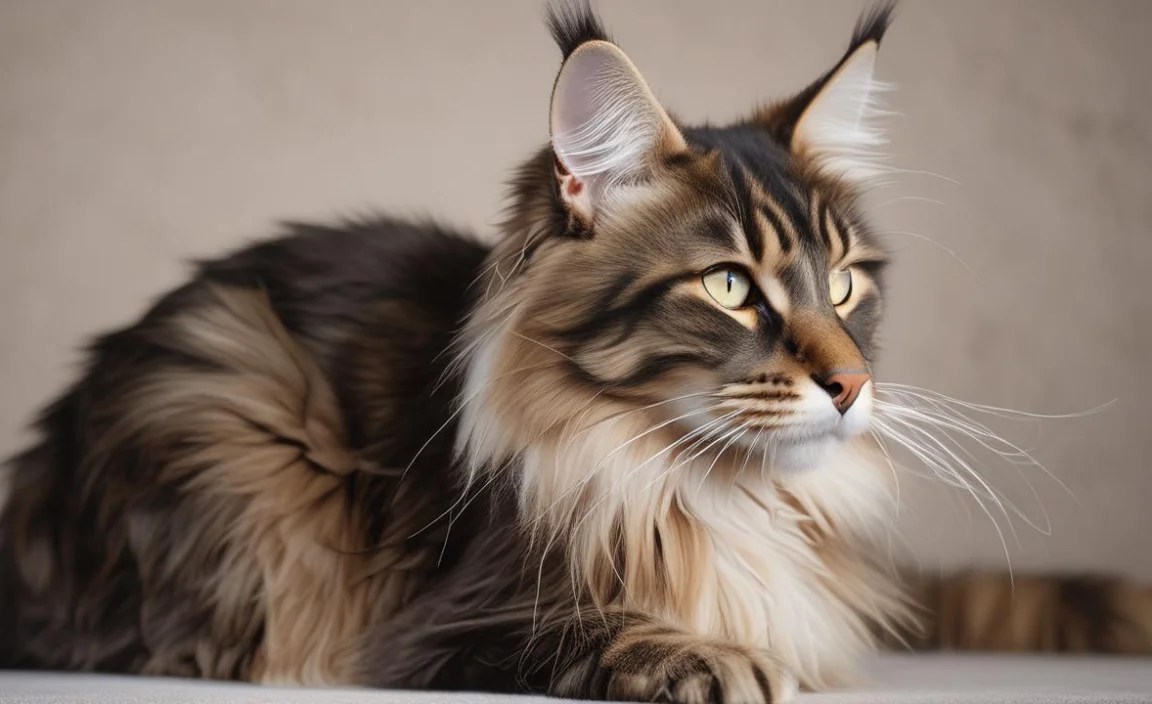
Maine Coons are known for their large size and slow maturation. Here’s a detailed timeline of their development stages:
Newborn Stage (0-2 Weeks)
The newborn stage is a crucial period for Maine Coon kittens. During this time, they are completely dependent on their mother for warmth, food, and care. According to the RSPCA, proper care during this stage is essential for their survival and healthy development.
- Physical Development: Kittens are born blind and deaf. Their eyes begin to open around 7-10 days, and their ears unfold around the same time.
- Mobility: Newborns can only crawl short distances. Their movements are uncoordinated, and they spend most of their time sleeping and eating.
- Feeding: Kittens nurse frequently, relying on their mother’s milk for essential nutrients and antibodies.
- Care: The mother cat provides warmth, cleans the kittens, and stimulates them to eliminate waste. Keep the nesting area clean and quiet.
Early Socialization (2-7 Weeks)
The early socialization phase is vital for shaping a Maine Coon kitten’s behavior and temperament. During this time, they begin to interact with their environment and develop social skills.
- Physical Development: Kittens become more mobile, starting to walk and explore. Their vision and hearing improve rapidly.
- Social Interaction: They begin to interact with their littermates, learning important social cues and boundaries through play.
- Introduction to Food: Around 4 weeks, you can start introducing solid food. Mix a high-quality kitten food with water to create a gruel.
- Veterinary Care: The first vet visit usually occurs around 6-8 weeks for a health check and initial vaccinations.
Juvenile Stage (7 Weeks – 6 Months)
The juvenile stage is marked by rapid growth and increasing independence. Maine Coon kittens become more playful and curious, exploring their surroundings with boundless energy.
- Physical Development: Kittens experience rapid growth spurts. Their bodies lengthen, and their muscles develop.
- Diet: Provide high-quality kitten food to support their growth. Ensure they have access to fresh water at all times.
- Play and Exercise: Encourage play with toys that stimulate their hunting instincts. Regular exercise is crucial for their physical and mental well-being.
- Socialization: Continue to socialize your kitten by exposing them to new people, places, and experiences.
- Training: Start basic training, such as litter box training and teaching them their name.
Adolescent Stage (6 Months – 18 Months)
During adolescence, Maine Coons continue to grow and mature, both physically and emotionally. This stage is characterized by increased independence and the development of adult behaviors.
- Physical Development: Growth continues, although at a slower pace than in the juvenile stage. Their coat becomes thicker and longer.
- Diet: Transition to adult cat food around 12 months, but continue to monitor their weight and adjust portions as needed.
- Behavioral Changes: They may exhibit increased independence and a stronger desire to explore their environment.
- Grooming: Regular grooming is essential to prevent mats and tangles in their long fur.
- Veterinary Care: Schedule annual check-ups and booster vaccinations to maintain their health.
Young Adult Stage (18 Months – 3 Years)
The young adult stage is when Maine Coons reach their full size and physical maturity. They exhibit adult behaviors and have established their place in the household.
- Physical Development: Maine Coons reach their full size, although some may continue to fill out slightly.
- Diet: Maintain a balanced diet to support their health and weight. Avoid overfeeding, as obesity can lead to health problems.
- Behavior: Their personality becomes more stable, and they develop strong bonds with their family members.
- Exercise: Provide regular exercise to keep them physically and mentally stimulated.
- Health Monitoring: Watch for any signs of illness or discomfort and consult a veterinarian promptly.
Mature Adult Stage (3 – 5 Years)
Maine Coons are considered to be in their prime during the mature adult stage. They are typically at their healthiest and most active during this time.
- Physical Condition: Maintain a healthy weight and muscle tone through proper diet and exercise.
- Mental Stimulation: Provide toys and activities that challenge their minds and prevent boredom.
- Regular Check-ups: Annual veterinary check-ups are crucial for detecting and addressing any health issues early.
Senior Stage (5+ Years)
As Maine Coons enter their senior years, they may experience age-related changes in their physical and cognitive abilities. Providing extra care and attention can help them maintain their quality of life.
- Physical Changes: They may become less active and more prone to age-related health problems, such as arthritis and kidney disease.
- Dietary Adjustments: Senior cats may benefit from a diet that is lower in calories and higher in fiber to support their digestive health.
- Comfort and Care: Provide comfortable bedding and ensure they have easy access to food, water, and the litter box.
- Veterinary Care: Schedule more frequent veterinary check-ups to monitor their health and manage any age-related conditions.
Detailed Growth Chart

Here’s a table summarizing the key milestones in a Maine Coon’s growth:
| Age | Weight (Approximate) | Key Developments |
|---|---|---|
| Newborn (0-2 Weeks) | 3-5 ounces | Blind and deaf, relies on mother for care |
| Early Socialization (2-7 Weeks) | 5-16 ounces | Eyes and ears open, begins to walk and play |
| Juvenile (7 Weeks – 6 Months) | 2-10 pounds | Rapid growth, increasing independence |
| Adolescent (6 Months – 18 Months) | 10-15 pounds | Continued growth, thicker coat |
| Young Adult (18 Months – 3 Years) | 13-18 pounds (Females), 15-25 pounds (Males) | Reaches full size |
| Mature Adult (3 – 5 Years) | 13-18 pounds (Females), 15-25 pounds (Males) | Prime of life |
| Senior (5+ Years) | Varies | May experience age-related health issues |
Factors Influencing Growth

Several factors can influence a Maine Coon’s growth and development. Understanding these factors can help you provide the best possible care for your cat.
- Genetics: Genetics play a significant role in determining a Maine Coon’s size and growth rate. Some cats may simply be genetically predisposed to be larger or smaller than average.
- Nutrition: A high-quality diet is essential for healthy growth. Ensure your Maine Coon receives adequate protein, vitamins, and minerals, as recommended by Purina.
- Health: Underlying health issues can impact growth. Regular veterinary check-ups can help detect and address any potential problems early.
- Environment: A safe and stimulating environment can promote healthy development. Provide plenty of opportunities for play, exploration, and socialization.
Common Health Concerns During Development
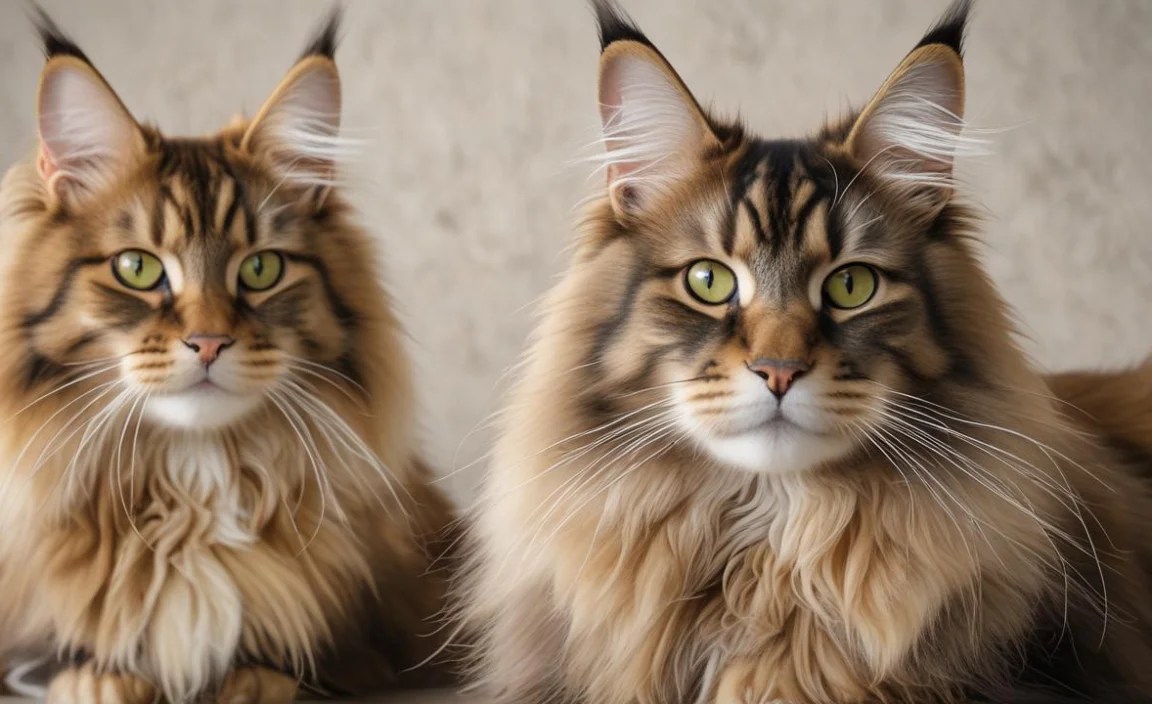
Maine Coons are generally healthy cats, but they are prone to certain health issues that can affect their development. Being aware of these concerns can help you take proactive steps to protect your cat’s health.
- Hip Dysplasia: This is a genetic condition that can cause pain and lameness. Regular veterinary check-ups and proper diet can help manage this condition.
- Hypertrophic Cardiomyopathy (HCM): This is a heart condition that can be life-threatening. Genetic testing and regular cardiac screenings can help detect HCM early.
- Spinal Muscular Atrophy (SMA): This is a genetic condition that affects the muscles. Genetic testing can help identify carriers of this gene.
- Polycystic Kidney Disease (PKD): This is a genetic condition that causes cysts to form on the kidneys. Regular veterinary check-ups and ultrasound screenings can help monitor kidney health.
Tips for Supporting Healthy Growth

Supporting your Maine Coon’s healthy growth involves providing a balanced diet, regular exercise, and plenty of love and attention. Here are some practical tips to help your cat thrive:
- Feed a High-Quality Diet: Choose a kitten or adult food that is specifically formulated for Maine Coons. Look for foods that are rich in protein, vitamins, and minerals.
- Provide Regular Exercise: Encourage play with toys that stimulate their hunting instincts. Provide scratching posts and climbing structures to promote physical activity.
- Groom Regularly: Maine Coons have long, thick fur that requires regular grooming to prevent mats and tangles. Brush them several times a week and bathe them as needed.
- Maintain a Clean Environment: Keep their litter box clean and provide a comfortable sleeping area. A clean and safe environment can promote overall health and well-being.
- Schedule Regular Veterinary Check-ups: Regular check-ups can help detect and address any health issues early. Follow your veterinarian’s recommendations for vaccinations and parasite control.
Addressing Common Concerns
As your Maine Coon grows, you may encounter some common concerns or challenges. Here are some tips for addressing these issues:
- Slow Growth: If you’re concerned that your Maine Coon is growing too slowly, consult with your veterinarian. They can assess your cat’s overall health and provide guidance on diet and care.
- Excessive Weight Gain: Maine Coons are prone to obesity, so it’s important to monitor their weight and adjust their diet accordingly. Avoid overfeeding and provide plenty of opportunities for exercise.
- Behavioral Issues: If your Maine Coon is exhibiting behavioral problems, such as aggression or destructive behavior, consult with a veterinarian or certified cat behaviorist. They can help identify the underlying cause of the behavior and develop a treatment plan.
FAQ About Maine Coon Development
At what age is a Maine Coon fully grown?
Maine Coons typically reach their full size between 3 to 5 years of age. This is slower than many other cat breeds, which usually mature by 18 months.
How big do Maine Coons get?
Male Maine Coons can weigh between 15 to 25 pounds, while females usually weigh between 13 to 18 pounds. They can also be quite long, often reaching up to 40 inches in length.
What should I feed my Maine Coon kitten?
Feed your Maine Coon kitten a high-quality kitten food that is rich in protein and essential nutrients. Look for foods that are specifically formulated for kittens to support their growth and development.
How often should I groom my Maine Coon?
Maine Coons have long, thick fur that requires regular grooming. Brush them several times a week to prevent mats and tangles. You may also need to bathe them occasionally.
Are Maine Coons prone to any health problems?
Yes, Maine Coons are prone to certain health issues, such as hip dysplasia, hypertrophic cardiomyopathy (HCM), spinal muscular atrophy (SMA), and polycystic kidney disease (PKD). Regular veterinary check-ups can help detect and manage these conditions.
How can I tell if my Maine Coon is overweight?
You can tell if your Maine Coon is overweight by feeling their ribs. If you can’t easily feel their ribs, they may be overweight. Other signs include a lack of a defined waistline and difficulty grooming themselves.
How much exercise does a Maine Coon need?
Maine Coons are active cats that need plenty of exercise. Provide them with toys, scratching posts, and climbing structures to encourage physical activity. Aim for at least 15-20 minutes of playtime each day.
Conclusion
Understanding the timeline of Maine Coon development is essential for providing the best possible care for your feline companion. From the newborn stage to their senior years, each phase of their life requires specific attention and care. By providing a balanced diet, regular exercise, and plenty of love and attention, you can help your Maine Coon thrive and enjoy a long, happy, and healthy life.
Remember to consult with your veterinarian regularly to address any health concerns and ensure your Maine Coon is on track for healthy development. With proper care and attention, your Maine Coon will become a cherished member of your family for many years to come.


