
Origin of the Alaskan Klee Kai: The Smart Start

The Alaskan Klee Kai’s origin is relatively recent, dating back to the 1970s. Linda Spurlin in Alaska developed the breed by breeding Alaskan and Siberian Huskies, American Eskimo Dogs, and Schipperkes to create a smaller companion dog resembling a husky. The goal was to produce a miniature husky with the same energetic and intelligent personality.
Ever wondered about those adorable, miniature huskies you see around? They’re called Alaskan Klee Kai, and their story is pretty fascinating! It’s easy to assume they’ve been around for centuries, like some other breeds, but that’s not the case. The Alaskan Klee Kai is a relatively new breed, and their creation was quite intentional. Many people are curious about how this breed came to be, what dogs were used to create it, and who was the person behind it all.
In this article, we’ll walk you through the origins of the Alaskan Klee Kai, exploring the vision and dedication that brought this delightful breed into existence. Get ready to discover the story behind this modern marvel!
The Vision Behind the Alaskan Klee Kai

The story of the Alaskan Klee Kai begins with a woman named Linda Spurlin. Linda lived in Alaska, and she loved the look and personality of the Alaskan and Siberian Huskies. However, she wanted a smaller version of these dogs, one that would be a better fit as a companion dog. This vision led her to embark on a breeding program in the 1970s to create exactly that: a miniature husky.
Linda Spurlin’s goal wasn’t just to create a smaller husky; she wanted to preserve the intelligence, energy, and striking appearance of the larger breeds. She carefully selected dogs with the traits she desired, and through selective breeding, she began to develop the Alaskan Klee Kai. Her dedication and vision were the driving forces behind the creation of this unique breed.
The Founding Breeds

To achieve her vision of a miniature husky, Linda Spurlin used several different breeds in her breeding program. Each breed contributed specific traits that helped shape the Alaskan Klee Kai into the dog we know today. Here’s a look at the primary breeds that were used:
- Alaskan Husky: Contributed to the breed’s overall husky appearance and athleticism.
- Siberian Husky: Added to the breed’s distinctive markings, intelligence, and friendly nature.
- American Eskimo Dog: Helped to reduce the size and contributed to the breed’s fluffy coat.
- Schipperke: Introduced to further reduce the size and add to the breed’s alertness and energy.
By carefully combining these breeds, Linda Spurlin was able to create a dog that resembled a husky in miniature but with its own unique characteristics. The blending of these breeds is what gives the Alaskan Klee Kai its distinctive appearance and temperament.
The Breeding Process
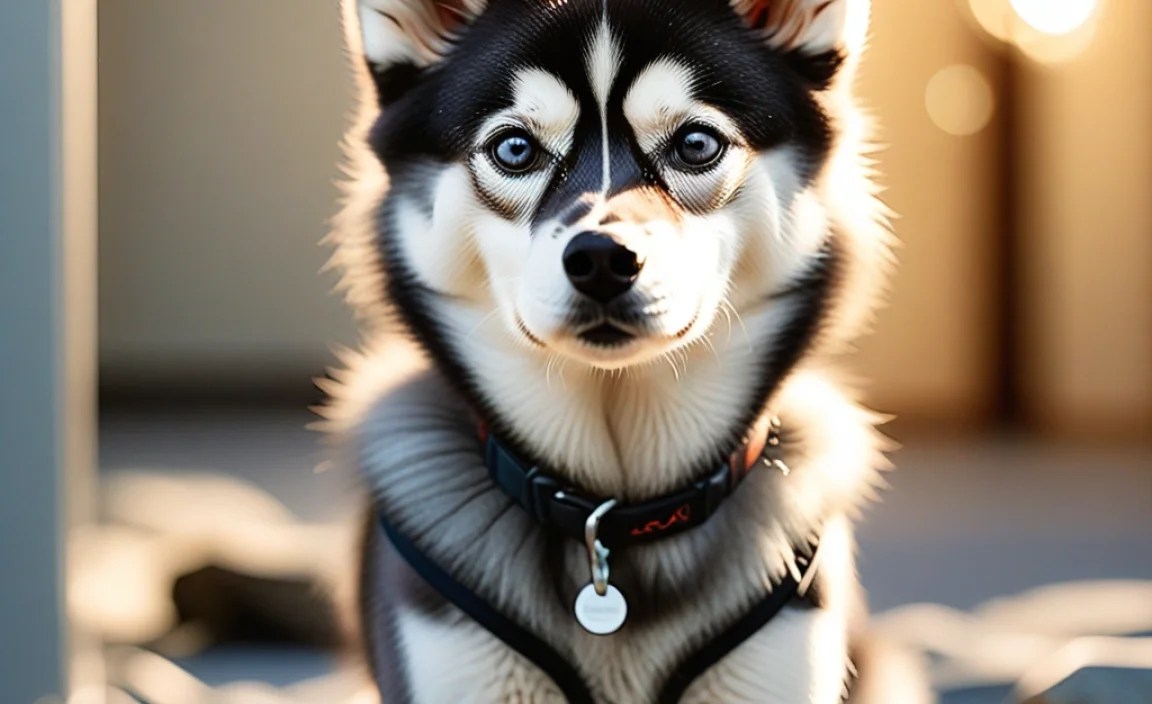
The development of the Alaskan Klee Kai was a meticulous process that required careful planning and attention to detail. Linda Spurlin spent years selectively breeding dogs to achieve the desired traits. Here’s a brief overview of the breeding process:
- Selection: Linda carefully selected dogs that exhibited the traits she wanted to pass on to the next generation, such as size, coat type, and temperament.
- Breeding: She bred these selected dogs, keeping detailed records of their lineage and traits.
- Evaluation: The puppies were then evaluated to determine which ones best met the breed standard she was aiming for.
- Continuation: The best puppies were then used in the next generation of breeding, and the process was repeated.
This selective breeding process allowed Linda to gradually refine the breed, ensuring that the Alaskan Klee Kai consistently produced puppies with the desired characteristics. It was a labor of love that required patience and dedication.
Recognizing the Breed

After years of development, Linda Spurlin began to introduce the Alaskan Klee Kai to the public in the late 1980s. The breed quickly gained popularity among dog lovers who were drawn to its unique appearance and personality. However, it took some time for the breed to be officially recognized by kennel clubs.
Here’s a timeline of the breed’s recognition:
| Year | Event |
|---|---|
| 1988 | The breed was first introduced to the public. |
| 1997 | The Alaskan Klee Kai Association of America (AKKAA) was founded. |
| 2020 | The American Kennel Club (AKC) officially recognized the Alaskan Klee Kai as a Foundation Stock Service (FSS) breed. |
The AKC’s recognition of the Alaskan Klee Kai as an FSS breed was a significant step towards full recognition. It allowed the breed to participate in AKC companion events and paved the way for future recognition.
The Alaskan Klee Kai Today
Today, the Alaskan Klee Kai is a beloved companion dog known for its intelligence, energy, and striking appearance. They are popular among families and individuals who appreciate their playful and affectionate nature. While they may look like miniature huskies, they have their own unique personality and characteristics.
Here are some of the key traits of the Alaskan Klee Kai:
- Size: They come in three sizes: toy, miniature, and standard, ranging from under 13 inches to over 15 inches tall.
- Appearance: They have a double coat, erect ears, and a curled tail, resembling a husky in miniature.
- Temperament: They are intelligent, energetic, and affectionate with their families, but can be reserved with strangers.
- Exercise Needs: They require regular exercise to stay happy and healthy, including walks, runs, and playtime.
- Grooming: Their double coat requires regular brushing to prevent matting and shedding.
The Alaskan Klee Kai is a wonderful breed for the right owner. They thrive in homes where they receive plenty of attention, exercise, and mental stimulation.
The Legacy of Linda Spurlin
Linda Spurlin’s vision and dedication are the foundation of the Alaskan Klee Kai breed. Her meticulous breeding program and commitment to preserving the desired traits have resulted in a unique and beloved companion dog. Her legacy lives on through the countless Alaskan Klee Kai that bring joy to their families around the world.
Linda’s work has not only created a new breed but has also inspired others to appreciate the importance of responsible breeding practices. Her story is a testament to the impact that one person can have on the world of dogs.
Is the Alaskan Klee Kai Right for You?
The Alaskan Klee Kai is a fantastic breed, but it’s essential to consider whether they are the right fit for your lifestyle. They are energetic and intelligent dogs that require a lot of attention and exercise. If you’re considering adding an Alaskan Klee Kai to your family, here are some things to keep in mind:
- Energy Level: They need plenty of exercise to stay happy and healthy. Be prepared to provide daily walks, runs, or playtime.
- Training: They are intelligent but can be independent, so early training and socialization are essential.
- Grooming: Their double coat requires regular brushing to prevent matting and shedding.
- Attention: They thrive on attention and can become bored or destructive if left alone for long periods.
- Space: While they are small, they still need space to move around and play. A home with a yard is ideal.
If you can provide the time, attention, and care that an Alaskan Klee Kai needs, you’ll be rewarded with a loyal and loving companion.
Finding a Reputable Breeder
If you’ve decided that an Alaskan Klee Kai is the right breed for you, it’s crucial to find a reputable breeder. A good breeder will prioritize the health and well-being of their dogs and will be knowledgeable about the breed. Here are some tips for finding a reputable breeder:
- Ask Questions: A reputable breeder will be happy to answer your questions about the breed, their breeding practices, and the health of their dogs.
- Visit the Breeder: Whenever possible, visit the breeder’s facilities to see how the dogs are raised and cared for.
- Health Testing: Make sure the breeder performs health testing on their dogs to screen for common genetic conditions.
- References: Ask for references from previous buyers and check online reviews.
- Contracts: A reputable breeder will provide a contract that outlines the terms of the sale and any health guarantees.
Choosing a reputable breeder is essential to ensure that you’re getting a healthy and well-adjusted puppy. It’s also a way to support responsible breeding practices and help preserve the breed for future generations.
Common Health Issues
Like all breeds, the Alaskan Klee Kai is prone to certain health issues. While reputable breeders screen their dogs for these conditions, it’s essential to be aware of them. Here are some of the common health issues in Alaskan Klee Kai:
- Luxating Patella: A condition where the kneecap slips out of place.
- Heart Problems: Some Klee Kai can be prone to heart murmurs.
- Liver Shunt: A condition where blood bypasses the liver, preventing it from being properly filtered.
- Thyroid Issues: Hypothyroidism, where the thyroid gland doesn’t produce enough thyroid hormone, is possible.
- Factor VII Deficiency: A blood clotting disorder.
Regular veterinary checkups and a healthy lifestyle can help minimize the risk of these health issues. If you notice any signs of illness in your Alaskan Klee Kai, consult with your veterinarian promptly.
The Alaskan Klee Kai’s Unique Personality
One of the most appealing aspects of the Alaskan Klee Kai is their unique personality. They are known for being intelligent, curious, and playful. They are also very affectionate with their families, but can be reserved with strangers. This makes early socialization crucial to help them become well-adjusted adults.
Here are some of the key personality traits of the Alaskan Klee Kai:
- Intelligence: They are quick learners and excel in training.
- Energy: They have a lot of energy and need plenty of exercise.
- Curiosity: They are naturally curious and love to explore their surroundings.
- Affection: They are very affectionate with their families and enjoy cuddling.
- Reserved: They can be reserved with strangers, making early socialization important.
Understanding these personality traits can help you provide the best possible care for your Alaskan Klee Kai and build a strong bond with them.
Training Tips
Training is an essential part of owning an Alaskan Klee Kai. They are intelligent dogs, but their independent nature can sometimes make training challenging. Here are some training tips to help you succeed:
- Start Early: Begin training and socialization as early as possible, ideally when they are puppies.
- Positive Reinforcement: Use positive reinforcement techniques, such as treats and praise, to motivate them.
- Consistency: Be consistent with your commands and expectations.
- Short Sessions: Keep training sessions short and fun to maintain their attention.
- Socialization: Expose them to a variety of people, places, and situations to help them become well-adjusted.
With patience and consistency, you can successfully train your Alaskan Klee Kai and build a strong relationship based on trust and respect.
Grooming Needs
The Alaskan Klee Kai has a double coat that requires regular grooming to stay healthy and looking its best. Here are some grooming tips:
- Brushing: Brush them several times a week to prevent matting and reduce shedding.
- Bathing: Bathe them as needed, usually every few months, unless they get particularly dirty.
- Nail Trimming: Trim their nails regularly to prevent overgrowth and discomfort.
- Ear Cleaning: Clean their ears regularly to prevent infections.
- Teeth Brushing: Brush their teeth regularly to maintain good oral hygiene.
Regular grooming not only keeps your Alaskan Klee Kai looking good but also helps you bond with them and detect any potential health issues early on.
Nutrition for Alaskan Klee Kai
Proper nutrition is crucial for the health and well-being of your Alaskan Klee Kai. Choose a high-quality dog food that is appropriate for their age, size, and activity level. Here are some nutrition tips:
- High-Quality Food: Choose a dog food that contains high-quality ingredients and is free from fillers and artificial additives.
- Age-Appropriate: Feed them a food that is formulated for their age, whether it’s puppy, adult, or senior.
- Portion Control: Feed them the appropriate amount of food to maintain a healthy weight.
- Fresh Water: Always provide fresh, clean water.
- Treats: Limit treats and choose healthy options.
Consult with your veterinarian to determine the best diet for your Alaskan Klee Kai and to address any specific nutritional needs.
Adapting to Different Climates
The Alaskan Klee Kai is well-suited to cold climates due to their double coat. However, they can also adapt to warmer climates with proper care. Here are some tips for helping your Alaskan Klee Kai adapt to different climates:
Cold Climates
- Provide Shelter: Ensure they have access to a warm, dry shelter.
- Limit Exposure: Limit their exposure to extreme cold and wind.
- Proper Nutrition: Feed them a diet that provides enough calories to stay warm.
Warm Climates
- Provide Shade: Ensure they have access to shade and cool water.
- Limit Exercise: Avoid strenuous exercise during the hottest part of the day.
- Cooling Measures: Use cooling mats or vests to help them stay cool.
By taking these precautions, you can help your Alaskan Klee Kai stay comfortable and healthy in any climate.
FAQ About the Origin of the Alaskan Klee Kai
Here are some frequently asked questions about the origin of the Alaskan Klee Kai:
Who created the Alaskan Klee Kai?
The Alaskan Klee Kai was created by Linda Spurlin in Alaska in the 1970s.
What breeds were used to create the Alaskan Klee Kai?
The breeds used were Alaskan Husky, Siberian Husky, American Eskimo Dog, and Schipperke.
When was the breed first introduced to the public?
The Alaskan Klee Kai was first introduced to the public in 1988.
What does “Klee Kai” mean?
“Klee Kai” is an Athabaskan term meaning “small dog.”
Is the Alaskan Klee Kai recognized by the AKC?
Yes, the Alaskan Klee Kai is recognized by the American Kennel Club (AKC) as a Foundation Stock Service (FSS) breed since 2020.
What is the temperament of the Alaskan Klee Kai?
They are intelligent, energetic, and affectionate with their families but can be reserved with strangers.
What are the size variations in Alaskan Klee Kai?
They come in three sizes: toy, miniature, and standard.
Conclusion
The origin of the Alaskan Klee Kai is a testament to the vision and dedication of Linda Spurlin. Her desire to create a miniature husky led to the development of a unique and beloved breed. By carefully selecting and breeding dogs with the desired traits, she was able to create a dog that resembles a husky in miniature but with its own distinct personality and characteristics. Today, the Alaskan Klee Kai continues to bring joy to families around the world, and Linda Spurlin’s legacy lives on through this wonderful breed.


