
History of Peterbald Cats: The Powerful Breed Secret

**Quick Summary:** Peterbald cats originated in Russia in 1994, the result of an experimental breeding between a Donskoy (Don Hairless) and an Oriental Shorthair. Known for their unique hair-loss gene, Peterbalds can range from completely bald to having a fine, downy coat. They are intelligent, affectionate, and social cats, retaining the elegant features of their Oriental Shorthair ancestors.
Are you fascinated by unique cat breeds? Have you ever wondered about the origin of the elegant, nearly hairless Peterbald? Many cat lovers are curious about this relatively new breed and its distinctive appearance. Understanding the Peterbald’s history not only enriches your appreciation for these cats but also helps you provide the best care for them.
In this article, I’ll walk you through the fascinating journey of the Peterbald, from its accidental beginnings to its growing popularity. We’ll explore the breed’s characteristics, health considerations, and how to care for these special felines. By the end, you’ll have a comprehensive understanding of the Peterbald cat and what makes it so unique. Let’s dive in!
The Origin of the Peterbald Cat

The story of the Peterbald cat begins in the mid-1990s in St. Petersburg, Russia. This breed emerged from an experimental breeding program, combining the traits of two very different cat breeds. The goal wasn’t necessarily to create a hairless cat, but rather to explore the genetic possibilities of combining certain breeds.
The Accidental Beginning
In 1994, a Russian breeder named Olga S. Mironova crossed a Donskoy (also known as Don Hairless) cat named Radma with an Oriental Shorthair named World Champion My Sweet Sati. The Donskoy is a Russian breed known for its dominant hair-loss gene, while the Oriental Shorthair is admired for its elegant, slender build and large ears. The resulting litter included kittens with a variety of coat types, some of which were hairless or nearly so. These kittens became the foundation of the Peterbald breed.
Naming the Breed
The new breed was named “Peterbald” in honor of its city of origin, St. Petersburg. The name also reflects the breed’s unique appearance, combining the elegance of the Oriental Shorthair with the hairlessness inherited from the Donskoy. The Peterbald quickly gained attention for its distinctive look and affectionate personality.
Development and Recognition
Following its creation, the Peterbald breed underwent a period of development and refinement. Breeders worked to establish consistent breed standards and promote the Peterbald’s unique characteristics. Here’s how the breed evolved and gained recognition:
Establishing Breed Standards
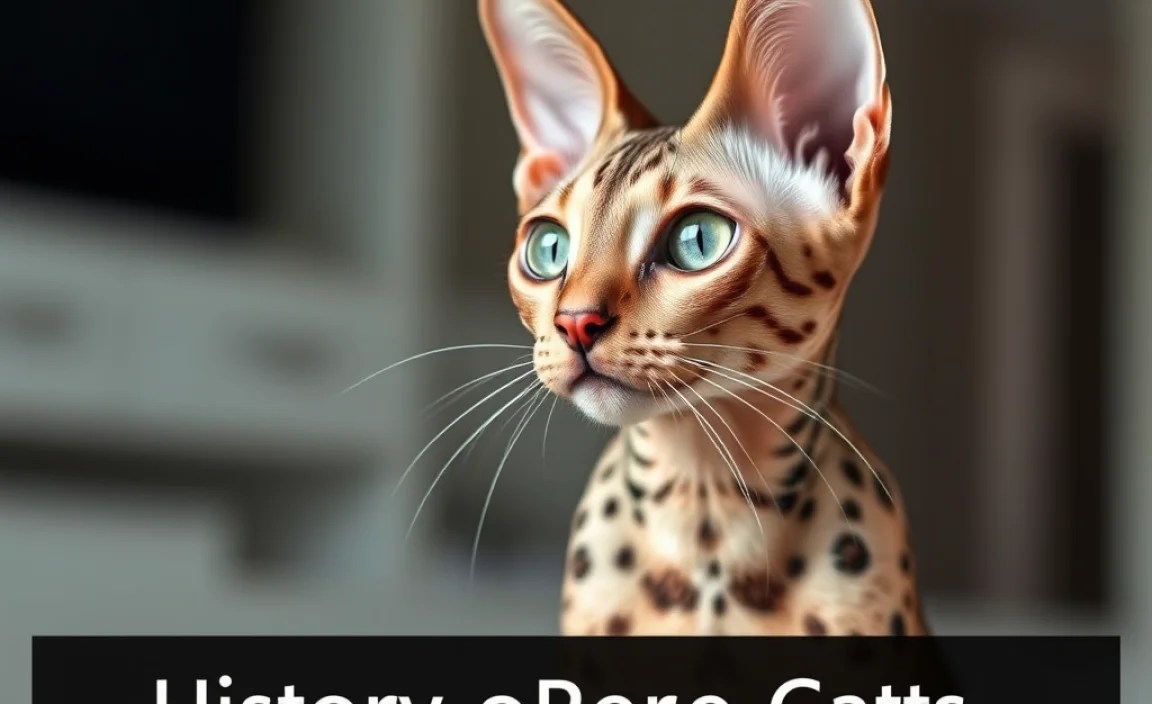
Breeders focused on maintaining the Peterbald’s distinctive features, including its slender, muscular body, large ears, and varying degrees of hairlessness. The breed standard emphasizes the Peterbald’s elegant appearance and friendly temperament. Different cat associations have slightly different standards, but the core traits remain consistent.
According to The International Cat Association (TICA), the Peterbald standard includes:
- Head: Modified wedge shape with large ears
- Body: Slender, muscular, and elegant
- Coat: Varies from hairless to short, downy fur
- Temperament: Affectionate, intelligent, and social
Gaining Recognition
The Peterbald gained recognition from various cat associations over the years. Here’s a timeline of its acceptance:
- 1997: Recognized by the Russian Selectional Feline Federation (SFF)
- 2003: Accepted into The International Cat Association (TICA) Registration Only class
- 2005: Granted Championship status by TICA
- 2006: Recognized by the World Cat Federation (WCF)
Recognition by these organizations helped to promote the breed and establish its place in the cat fancy world. Today, Peterbalds are recognized and shown in cat shows around the globe.
Genetic Traits and Coat Variations

One of the most fascinating aspects of the Peterbald is its unique genetic makeup, which results in a variety of coat types. Understanding these genetic traits is essential for breeders and owners alike.
The Hair-Loss Gene
The Peterbald’s hairlessness is due to a dominant gene inherited from the Donskoy. This gene causes varying degrees of hair loss, resulting in several different coat types. Unlike the Sphynx cat, which has a recessive hair-loss gene, the Peterbald’s dominant gene means that at least one parent must carry the gene for it to be expressed in the offspring.
Coat Variations
Peterbalds can exhibit several different coat types, including:
- Completely Hairless: These cats have no hair at all, though they may have a light down on their skin.
- Flock Coat: This coat feels like suede or chamois and is very short and soft.
- Velour Coat: A slightly longer coat than the flock coat, with a soft, velvety feel.
- Brush Coat: This coat is wiry and sparse, with a broken or uneven texture. Some brush coats may fall out as the cat matures.
- Straight Coat: Some Peterbalds are born with a normal coat of fur, which they retain throughout their lives. These cats are still considered Peterbalds, as they carry the gene and can pass it on to their offspring.
It’s important to note that the coat type can change as the cat matures. Some kittens born with a coat may lose it over time, while others may retain their fur. The genetic complexity of the Peterbald makes each cat unique.
| Coat Type | Description | Appearance |
|---|---|---|
| Completely Hairless | No hair at all, may have light down | Smooth, bare skin |
| Flock Coat | Short, soft, suede-like feel | Very short, dense coat |
| Velour Coat | Slightly longer than flock, velvety feel | Soft, plush coat |
| Brush Coat | Wiry, sparse, uneven texture | Broken, bristly coat |
| Straight Coat | Normal coat of fur | Typical cat fur |
Physical Characteristics and Appearance

Beyond their unique coats, Peterbalds have several distinctive physical characteristics that set them apart. Their elegant build and expressive features make them a captivating breed.
Body Structure
Peterbalds are known for their slender, muscular bodies. They have a medium build with long legs and a whippy tail. Their overall appearance is one of elegance and grace.
Head and Face
The Peterbald’s head is a modified wedge shape with high cheekbones and a strong chin. Their most striking feature is their large, widely set ears, which contribute to their alert and expressive appearance. Their eyes are almond-shaped and can come in various colors, often complementing their coat.
Size and Weight
Peterbalds are medium-sized cats, typically weighing between 7 and 14 pounds. Males tend to be slightly larger than females. Despite their slender build, they are surprisingly muscular and athletic.
Temperament and Personality

While their appearance is certainly striking, the Peterbald’s temperament is equally endearing. They are known for their affectionate, intelligent, and social nature.
Affectionate Nature
Peterbalds are incredibly affectionate cats who thrive on human interaction. They love to cuddle and will often follow their owners around the house, seeking attention. Their affectionate nature makes them excellent companions for families and individuals alike.
Intelligent and Curious
Peterbalds are highly intelligent and curious cats. They enjoy exploring their environment and can be easily trained to perform tricks. Puzzle toys and interactive games are great ways to keep them mentally stimulated.
Social and Playful
Peterbalds are social animals who get along well with children, other cats, and even dogs. They are playful and enjoy engaging in interactive play sessions with their owners. Providing them with plenty of toys and opportunities for exercise is essential for their well-being.
Caring for a Peterbald
Caring for a Peterbald requires some special considerations, particularly when it comes to their skin and coat. Here’s a guide to keeping your Peterbald healthy and happy.
Skin Care
Since Peterbalds have varying degrees of hairlessness, their skin is more exposed and requires regular care. Here are some tips for maintaining their skin health:
- Bathing: Bathe your Peterbald regularly, about once a week, to remove excess oil and dirt. Use a gentle, hypoallergenic shampoo to avoid irritating their skin.
- Moisturizing: Apply a pet-safe moisturizer to their skin after bathing to prevent dryness.
- Sun Protection: Limit their exposure to direct sunlight, as their skin is more susceptible to sunburn. Use pet-safe sunscreen if they will be spending time outdoors.
- Cleaning: Wipe down their skin with a damp cloth between baths to remove any surface dirt or oil.
Grooming
Even Peterbalds with some fur require regular grooming to keep their coats in good condition. Here are some grooming tips:
- Brushing: Brush their coat gently with a soft brush to remove loose hair and prevent mats.
- Ear Cleaning: Clean their ears regularly with a pet-safe ear cleaner to prevent infections.
- Nail Trimming: Trim their nails regularly to prevent overgrowth and scratching.
Nutrition
A balanced diet is essential for maintaining your Peterbald’s health and well-being. Feed them a high-quality cat food that is rich in protein and essential nutrients. Consult with your veterinarian to determine the best diet for your cat’s age, weight, and activity level.
Environmental Considerations
Peterbalds are sensitive to extreme temperatures, so it’s important to keep them in a comfortable environment. Here are some tips:
- Warmth: Provide them with warm bedding and sweaters during cold weather to prevent them from getting chilled.
- Cooling: Keep them in a cool, shaded area during hot weather to prevent overheating.
- Indoor Environment: Peterbalds are best suited to indoor living, where they can be protected from the elements and potential hazards.
Health Considerations
Like all breeds, Peterbalds are prone to certain health issues. Understanding these potential problems can help you provide the best care for your cat.
Common Health Issues
Some common health issues in Peterbalds include:
- Skin Problems: Due to their lack of fur, Peterbalds are prone to skin infections, sunburn, and dryness.
- Dental Issues: Like many slender breeds, Peterbalds can be prone to dental problems such as gingivitis and tooth decay. Regular dental cleanings are essential.
- Hypertrophic Cardiomyopathy (HCM): This is a common heart condition in cats, including Peterbalds. Regular veterinary check-ups can help detect and manage this condition.
Preventive Care
Preventive care is crucial for maintaining your Peterbald’s health. Here are some steps you can take:
- Regular Veterinary Check-ups: Schedule regular check-ups with your veterinarian to monitor their health and detect any potential problems early.
- Vaccinations: Keep them up-to-date on their vaccinations to protect them from infectious diseases.
- Parasite Control: Use preventive medications to protect them from fleas, ticks, and worms.
- Dental Care: Brush their teeth regularly and schedule professional dental cleanings as recommended by your veterinarian.
Finding a Peterbald
If you’re interested in adding a Peterbald to your family, it’s important to find a reputable breeder or rescue organization. Here’s what to consider:
Reputable Breeders
When choosing a breeder, look for someone who is knowledgeable about the breed and committed to producing healthy, well-socialized kittens. A good breeder will:
- Provide health records for the parents and kittens
- Allow you to visit their facilities and meet the cats
- Be transparent about any potential health issues
- Offer ongoing support and advice
Rescue Organizations
Consider adopting a Peterbald from a rescue organization. Many cats in need of homes can make wonderful companions. Rescue organizations often provide medical care and socialization for their cats before placing them in new homes.
Cost Considerations
The cost of a Peterbald can vary depending on the breeder, location, and coat type. Be prepared to invest in a high-quality cat and provide ongoing care, including food, veterinary care, and grooming supplies.
Peterbald vs. Other Hairless Breeds
The Peterbald is often compared to other hairless or near-hairless cat breeds, such as the Sphynx and the Donskoy. Here’s a comparison to help you understand the differences:
| Breed | Origin | Hair-Loss Gene | Coat Types | Body Type | Temperament |
|---|---|---|---|---|---|
| Peterbald | Russia | Dominant | Hairless, flock, velour, brush, straight | Slender, muscular | Affectionate, intelligent, social |
| Sphynx | Canada | Recessive | Hairless or peach fuzz | Muscular, barrel-chested | Outgoing, energetic, affectionate |
| Donskoy | Russia | Dominant | Hairless, flock, velour, brush | Medium build | Affectionate, intelligent, gentle |
The Peterbald Today
Today, the Peterbald is a beloved breed around the world, known for its unique appearance and affectionate personality. While still relatively rare compared to more common breeds, the Peterbald has a dedicated following of enthusiasts who appreciate its special qualities.
Growing Popularity
The Peterbald’s popularity continues to grow as more people discover this charming breed. Their distinctive look and loving nature make them a sought-after companion for cat lovers. As awareness of the breed increases, more breeders and rescue organizations are working to promote and protect the Peterbald.
Breed Clubs and Associations
Several breed clubs and associations are dedicated to the Peterbald, providing resources and support for owners and breeders. These organizations play a vital role in preserving the breed’s standards and promoting its health and well-being.
FAQ About Peterbald Cats
1. What is the origin of the Peterbald cat?
The Peterbald originated in St. Petersburg, Russia, in 1994, from a breeding between a Donskoy and an Oriental Shorthair.
2. What are the different coat types of Peterbald cats?
Peterbalds can be completely hairless, have a flock coat (like suede), a velour coat, a brush coat (wiry and sparse), or a straight coat (normal fur).
3. Are Peterbald cats hypoallergenic?
No cat is truly hypoallergenic, but Peterbalds may produce less dander than some breeds, which can be helpful for people with mild allergies. However, individual reactions can vary.
4. What is the temperament of a Peterbald cat?
Peterbalds are known for being affectionate, intelligent, social, and playful. They enjoy human interaction and get along well with other pets.
5. How do I care for a Peterbald’s skin?
Peterbalds need regular bathing (about once a week) with a gentle shampoo. Moisturize their skin afterward and protect them from direct sunlight.
6. Are Peterbald cats prone to any health issues?
Peterbalds can be prone to skin problems, dental issues, and hypertrophic cardiomyopathy (HCM). Regular vet check-ups are essential.
7. How much does a Peterbald cat cost?
The cost of a Peterbald can vary depending on the breeder, location, and coat type, but you should be prepared to invest in a high-quality cat and ongoing care.
Conclusion
The Peterbald cat is a truly unique and captivating breed with a fascinating history. From its accidental beginnings in Russia to its growing popularity worldwide, the Peterbald has won the hearts of cat lovers with its elegant appearance and affectionate personality. Whether you’re a seasoned cat owner or new to the world of feline companionship, understanding the Peterbald’s origins, characteristics, and care requirements will help you appreciate and provide the best possible life for these special cats.
So, if you’re looking for a cat that combines striking looks with a loving temperament, the Peterbald might just be the perfect addition to your family. Embrace the journey of caring for this remarkable breed, and you’ll be rewarded with years of companionship and joy.


