
History of Tonkinese Cats: Discover Their Powerful Past

Quick Summary: The Tonkinese cat breed originated in the United States in the 1960s by crossing Siamese and Burmese cats. Breeders aimed to create a cat with the best traits of both breeds, resulting in a medium-sized, affectionate, and intelligent cat with a distinctive mink-like coat and aqua-colored eyes. The Cat Fanciers’ Association (CFA) recognized the Tonkinese in 1984.
Have you ever wondered about the origins of those beautiful, sleek cats with the captivating aqua eyes? If you’re curious about where the Tonkinese cat comes from, you’re in the right place. The Tonkinese is a delightful blend of Siamese and Burmese, combining the best of both worlds in one elegant package. Understanding their history can help you appreciate their unique traits and why they make such wonderful companions. Let’s dive into the fascinating story of the Tonkinese!
The Origins of the Tonkinese Cat

The story of the Tonkinese cat begins with a desire to create a cat that embodies the best qualities of two beloved breeds: the Siamese and the Burmese. This journey involved careful selection and breeding to achieve a harmonious blend of traits. Let’s explore the early stages of the breed’s development.
Early Siamese and Burmese Influence
The Siamese and Burmese breeds played pivotal roles in shaping the Tonkinese. The Siamese, known for its striking color points and vocal nature, contributed its elegance and intelligence. The Burmese, with its solid build and affectionate personality, added its warmth and charm. Together, these breeds laid the foundation for the Tonkinese’s distinctive characteristics.
- Siamese: Elegant, intelligent, vocal, with distinct color points.
- Burmese: Affectionate, solid build, warm personality.
Wong Mau: The Pioneering Ancestor
A crucial figure in the Tonkinese lineage is Wong Mau, a cat brought to the United States from Burma in the 1930s. Wong Mau was initially believed to be a dark Siamese, but further breeding revealed her to be a hybrid with unique genetic traits. She became the foundation for the Burmese breed and also indirectly influenced the development of the Tonkinese.
The Intentional Crossbreeding
The intentional crossbreeding of Siamese and Burmese cats began in the 1960s, primarily in the United States. Breeders aimed to create a cat with a moderate body type, a distinctive coat color, and a balanced temperament. This marked the official beginning of the Tonkinese as a distinct breed.
Development of the Breed

As breeders continued to refine the Tonkinese, certain characteristics became more defined. The breed’s unique appearance and personality traits were carefully cultivated to meet specific standards. Let’s examine the key milestones in the breed’s development.
Key Breeders and Their Contributions
Several breeders played significant roles in the development of the Tonkinese. These individuals dedicated years to selectively breeding cats that exhibited the desired traits. Their efforts helped stabilize the breed and establish its identity.
- Jane Barletta: One of the pioneers in establishing the Tonkinese breed.
- Mildred Swede: Another key figure who contributed to the breed’s early development.
Establishing Breed Standards
Establishing breed standards was crucial for the recognition and acceptance of the Tonkinese. These standards outlined the ideal physical characteristics, coat colors, and temperament traits that defined the breed. Organizations like The International Cat Association (TICA) and the Cat Fanciers’ Association (CFA) played a vital role in this process.
According to TICA, the Tonkinese should have a medium-sized, muscular body, a wedge-shaped head, and distinctive aqua-colored eyes. The coat should be short, silky, and have a unique mink-like sheen.
Recognition by Cat Associations
Recognition by major cat associations was a significant step for the Tonkinese. The Cat Fanciers’ Association (CFA) officially recognized the breed in 1984, marking a major milestone in its history. This recognition helped increase the breed’s popularity and acceptance among cat enthusiasts.
Popularity and Spread
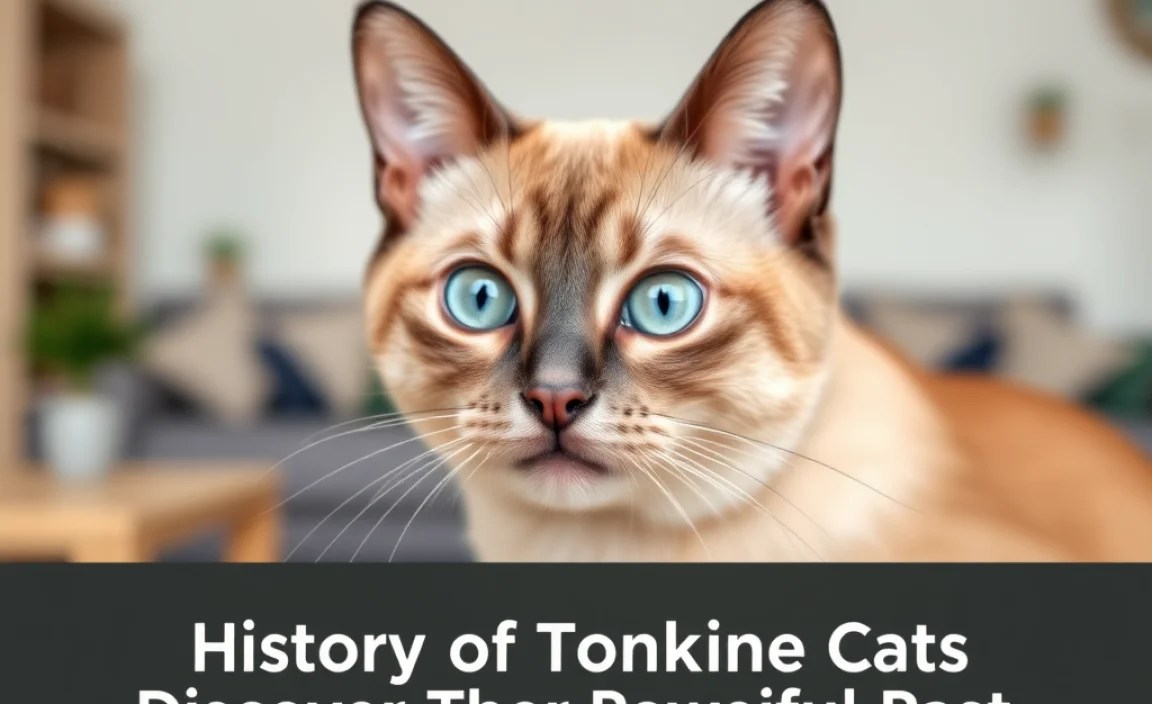
With official recognition and the efforts of dedicated breeders, the Tonkinese began to gain popularity. The breed’s unique appearance and engaging personality made it a favorite among cat lovers. Let’s look at how the Tonkinese spread across different regions.
Growing Popularity in the United States
The United States was the birthplace of the Tonkinese, and it quickly became a popular breed in the country. Cat owners were drawn to the Tonkinese’s affectionate nature and striking appearance. Breeders continued to refine the breed, ensuring it maintained its distinctive qualities.
Expansion to Other Countries
The Tonkinese’s popularity eventually spread beyond the United States. Cat enthusiasts in other countries, such as the United Kingdom, Canada, and Australia, began to embrace the breed. This expansion helped to establish the Tonkinese as a beloved cat worldwide.
Factors Contributing to Popularity
Several factors contributed to the Tonkinese’s growing popularity:
- Unique Appearance: The distinctive mink coat and aqua eyes set the Tonkinese apart.
- Affectionate Temperament: The breed is known for being loving and sociable.
- Intelligence: Tonkinese cats are intelligent and enjoy interactive play.
The Tonkinese Today

Today, the Tonkinese remains a popular and cherished breed. Breeders continue to focus on maintaining the breed’s health, temperament, and distinctive appearance. Let’s explore the current status of the Tonkinese.
Breed Standards Today
The breed standards for the Tonkinese remain consistent with the original guidelines. Breeders adhere to these standards to ensure the breed maintains its unique characteristics. Key features include:
- Body: Medium-sized and muscular.
- Head: Wedge-shaped with rounded contours.
- Eyes: Aqua-colored.
- Coat: Short, silky, and mink-like.
Health and Temperament
The Tonkinese is generally a healthy breed with a lifespan of 10-16 years. However, like all breeds, they are prone to certain health issues. Responsible breeders screen their cats for these conditions to ensure the health of their kittens. Key health considerations include:
- Dental Issues: Regular dental care is essential.
- Upper Respiratory Infections: Can be common, especially in kittens.
- Amyloidosis: A condition where abnormal protein deposits can affect organs.
In terms of temperament, the Tonkinese is known for being affectionate, intelligent, and playful. They enjoy interacting with their families and are often described as being “dog-like” in their loyalty.
Ongoing Breeding Efforts
Breeders continue to focus on improving the breed’s health and temperament. They carefully select breeding pairs to minimize the risk of genetic health issues and to enhance the breed’s desirable traits. This dedication ensures the Tonkinese remains a healthy and well-tempered breed for future generations.
Caring for a Tonkinese

Bringing a Tonkinese into your home means understanding their specific needs to ensure they live a happy and healthy life. Let’s explore the key aspects of caring for a Tonkinese.
Nutrition
A balanced diet is crucial for the health of a Tonkinese. High-quality cat food that is rich in protein and essential nutrients is recommended. It’s important to monitor their weight and adjust their food intake accordingly to prevent obesity. According to Purina, a good quality cat food should contain:
- Protein: Essential for muscle development and maintenance.
- Fats: Provide energy and support healthy skin and coat.
- Carbohydrates: A source of energy.
- Vitamins and Minerals: Important for overall health and well-being.
Grooming
The Tonkinese has a short, silky coat that requires minimal grooming. Regular brushing once a week can help remove loose hair and keep their coat shiny. Nail trimming should be done regularly to prevent overgrowth, and dental hygiene is essential to prevent dental issues. Here’s a simple grooming routine:
- Brushing: Once a week to remove loose hair.
- Nail Trimming: Every few weeks to prevent overgrowth.
- Dental Care: Regular teeth cleaning to prevent dental issues.
Exercise and Play
Tonkinese cats are active and playful, requiring plenty of exercise and mental stimulation. Providing toys, scratching posts, and interactive play sessions can help keep them entertained and prevent boredom. They also enjoy climbing, so cat trees can be a great addition to your home.
Here’s a table summarizing the key aspects of caring for a Tonkinese:
| Care Aspect | Details |
|---|---|
| Nutrition | High-quality cat food, monitor weight, fresh water. |
| Grooming | Weekly brushing, regular nail trimming, dental care. |
| Exercise | Interactive play, toys, climbing opportunities. |
| Health | Regular vet check-ups, vaccinations, parasite control. |
Common Questions About Tonkinese Cats
Here are some frequently asked questions about Tonkinese cats to help you better understand the breed.
What is the average lifespan of a Tonkinese cat?
The average lifespan of a Tonkinese cat is typically between 10 to 16 years, but with proper care, some can live even longer.
Are Tonkinese cats good with children?
Yes, Tonkinese cats are generally very good with children. They are known for being playful, affectionate, and tolerant, making them excellent family pets.
Do Tonkinese cats require a lot of grooming?
No, Tonkinese cats have short, silky coats that require minimal grooming. Brushing them once a week is usually sufficient to keep their coat in good condition.
Are Tonkinese cats vocal?
Tonkinese cats are moderately vocal. They are not as loud as Siamese cats, but they do communicate with their owners through soft meows and chirps.
What are the common health issues in Tonkinese cats?
Common health issues in Tonkinese cats include dental problems, upper respiratory infections, and amyloidosis. Regular vet check-ups can help detect and manage these issues.
How much exercise do Tonkinese cats need?
Tonkinese cats are active and require a good amount of exercise. Providing them with toys, climbing structures, and interactive play sessions can help keep them physically and mentally stimulated.
Are Tonkinese cats hypoallergenic?
No, Tonkinese cats are not considered hypoallergenic. While no cat is truly hypoallergenic, some people with allergies may find them more tolerable due to their short coat and less shedding.
Conclusion
The history of the Tonkinese cat is a fascinating journey of intentional breeding and careful selection. From their Siamese and Burmese roots to their current status as a beloved breed, the Tonkinese has captured the hearts of cat lovers worldwide. Understanding their history and unique traits can help you appreciate these wonderful cats even more. If you’re looking for an affectionate, intelligent, and beautiful companion, the Tonkinese might just be the perfect cat for you!


