
Breed History of LaPerm Cats: The Amazing Secret

Quick Summary: The LaPerm cat breed originated in Oregon in 1982 from a spontaneous mutation in a barn cat. A curly-coated kitten named Curly was born in a litter and is considered the founding cat of the LaPerm breed. Breeders then developed the breed, focusing on maintaining its unique coat and gentle personality. The International Cat Association (TICA) recognized the LaPerm breed in 2003.
Have you ever seen a cat with a naturally curly coat? It might be a LaPerm! These unique and charming cats are known for their distinctive curls and affectionate personalities. Understanding where they came from helps us appreciate their special traits. Many people are curious about how this breed developed its signature look and temperament. It’s a story of natural mutation, careful breeding, and a whole lot of love. Let’s explore the fascinating history of the LaPerm cat, from its humble beginnings on an Oregon farm to its recognition as a beloved breed.
In this guide, we’ll cover the accidental beginning of the breed, the breeders who helped develop the breed, and how the LaPerm gained recognition.
The Accidental Beginning

The LaPerm’s story begins on a farm in Oregon in 1982. Linda Koehl owned a farm where several barn cats lived, helping to control the rodent population. One of these cats gave birth to a litter of kittens, and among them was a very unique kitten.
A Surprise Kitten
This kitten, later named Curly, was born without any hair. She was also different from her siblings in other ways. Unlike the other kittens, Curly had a sparse coat with a slightly unusual texture. Linda Koehl didn’t know it at the time, but this little kitten was about to start a whole new breed of cat.
- Born in 1982 on a farm in Oregon.
- Initially hairless with a unique appearance.
- Named Curly due to her unusual coat.
Curly’s Transformation
At around eight weeks old, Curly began to develop a soft, curly coat. This was quite a surprise! Her fur was not like the smooth fur of other cats. Instead, it was wavy and curled, giving her a distinctive look. It was clear that Curly was something special. According to The International Cat Association (TICA), the LaPerm’s coat can range from wavy to tightly curled, and no two cats have exactly the same coat.
Linda Koehl allowed Curly to live as a barn cat, and Curly had several litters of kittens. Over time, more curly-coated kittens appeared. Koehl started to realize this was a genetic trait that was being passed on.
Developing the Breed
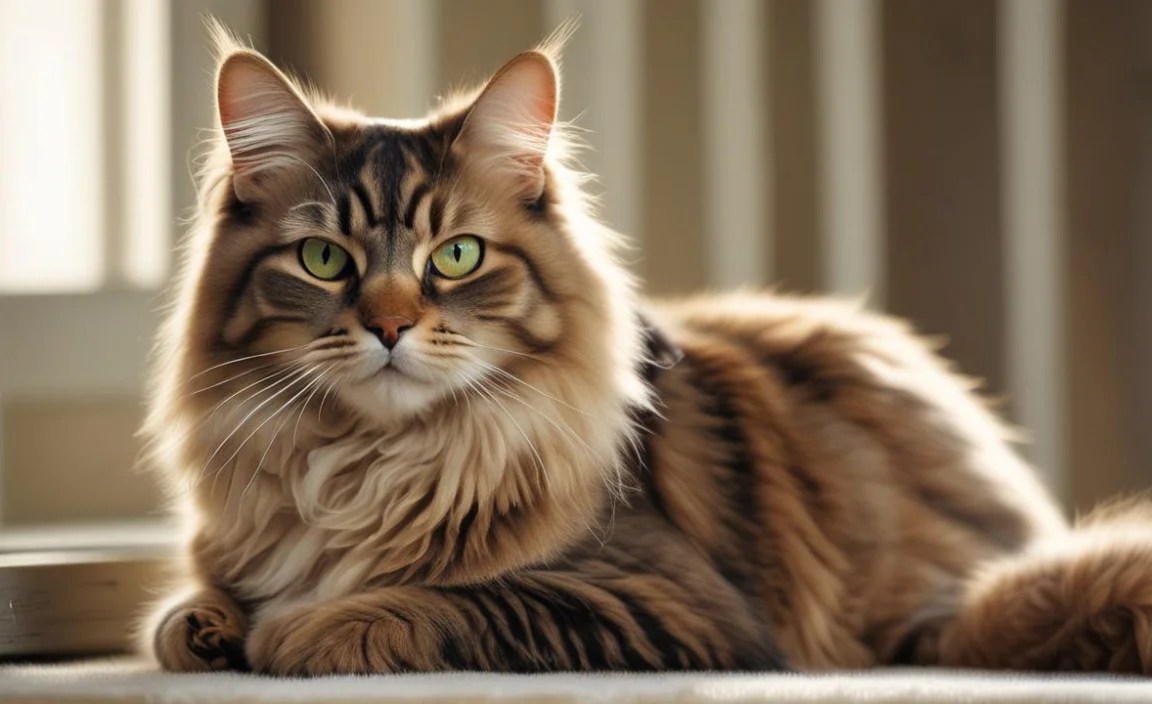
Recognizing the uniqueness of these curly-coated cats, Linda Koehl decided to learn more about cat breeding. She started to selectively breed the cats to preserve and enhance the curly coat and other unique characteristics.
Early Breeding Efforts
Linda Koehl began a non-profit breeding program, focusing on the health and temperament of the cats as much as their coats. According to the Cat Fanciers’ Association (CFA), breeders need to focus on maintaining genetic diversity to avoid health problems.
- Focused on preserving the curly coat.
- Prioritized the health and temperament of the cats.
- Maintained genetic diversity to prevent health issues.
Naming the Breed
The name “LaPerm” was chosen to reflect the cat’s curly or “permed” fur. “La” is a French article, often used in breed names to add a touch of elegance. The name is descriptive and easy to remember, helping the breed gain recognition.
Did you know that the LaPerm’s coat can vary greatly? Some have long, flowing curls, while others have shorter, tighter curls. Each cat’s coat is unique, making them even more special.
| Characteristic | Description |
|---|---|
| Coat Type | Varies from wavy to tightly curled |
| Coat Length | Can be short or long |
| Coat Texture | Soft and springy |
Expanding the Gene Pool
To maintain the health of the breed, breeders outcrossed LaPerms with other breeds, such as domestic shorthairs and longhairs. This helped to expand the gene pool and reduce the risk of genetic issues. The Governing Council of the Cat Fancy (GCCF) emphasizes the importance of responsible breeding practices to ensure the well-being of the cats.
Gaining Recognition
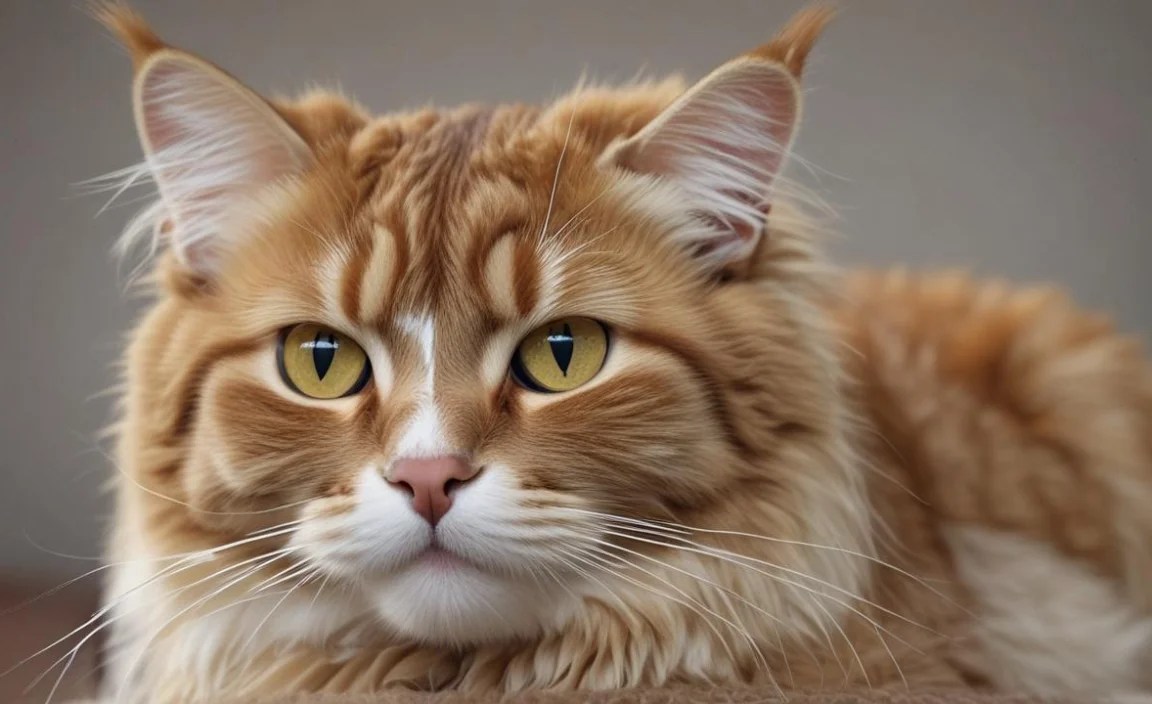
The LaPerm cat began to gain recognition in the cat fancy world in the late 1990s and early 2000s. Cat registries started to acknowledge the breed, and LaPerms began appearing in cat shows.
Early Recognition
One of the first major milestones was when The International Cat Association (TICA) recognized the LaPerm as a breed in 2003. This recognition allowed LaPerms to compete in TICA-sponsored cat shows, increasing their visibility.
- TICA recognized the LaPerm in 2003.
- Allowed LaPerms to compete in cat shows.
- Increased the breed’s visibility and popularity.
Breed Standards
As the LaPerm gained recognition, breed standards were developed to define the ideal characteristics of the breed. These standards cover everything from coat type to body structure and temperament.
Breed standards typically include:
- Coat: Curly, springy, and not flat.
- Body: Moderate and well-balanced.
- Head: Slightly rounded with moderate features.
- Temperament: Affectionate and gentle.
Continued Growth
Today, the LaPerm is recognized by many major cat registries, including the Cat Fanciers’ Association (CFA) and the Governing Council of the Cat Fancy (GCCF). The breed continues to grow in popularity, with breeders around the world working to preserve and promote these unique cats.
Did you know that LaPerms are known for being hypoallergenic? While no cat is 100% hypoallergenic, LaPerms produce less of the Fel d 1 protein, which is a common allergen. This makes them a great choice for people with mild allergies. According to studies, LaPerms produce less of the Fel d 1 protein because of their unique coat structure.
LaPerm Traits

Besides their distinctive curly coats, LaPerms have several other notable traits that make them wonderful companions.
Physical Characteristics
LaPerms are medium-sized cats with a balanced and athletic build. Their heads are slightly rounded, and their eyes are expressive and alert. Of course, their most defining feature is their curly coat, which can vary in length and curliness.
- Medium-sized with a balanced build.
- Expressive, alert eyes.
- Curly coat that varies in length and curliness.
Temperament
LaPerms are known for their affectionate and playful personalities. They are intelligent and enjoy interacting with their human families. They are also relatively active cats, enjoying playtime and exploration.
Some common traits of LaPerm cats include:
- Affectionate and loving.
- Intelligent and curious.
- Playful and active.
- Good with children and other pets.
Health
LaPerms are generally a healthy breed, but like all cats, they can be prone to certain health issues. Responsible breeders screen their cats for common genetic conditions to ensure the health of their kittens.
Some potential health concerns for LaPerms include:
- Hypertrophic cardiomyopathy (HCM).
- Polycystic kidney disease (PKD).
- Progressive retinal atrophy (PRA).
Regular veterinary check-ups and a healthy lifestyle can help keep LaPerms happy and healthy.
Caring for a LaPerm

If you’re considering adding a LaPerm to your family, it’s important to understand their care needs.
Grooming
LaPerms require regular grooming to keep their curly coats in good condition. Combing or brushing a few times a week can help prevent mats and tangles. Bathing is usually only needed occasionally.
Grooming tips for LaPerms:
- Comb or brush several times a week.
- Use a wide-toothed comb to prevent pulling.
- Bathe only when necessary.
Nutrition
A high-quality diet is essential for maintaining the health of a LaPerm. Choose a cat food that is appropriate for their age and activity level. Always provide fresh, clean water.
Environment
LaPerms are adaptable cats that can thrive in a variety of living situations. Provide them with plenty of toys and opportunities for play to keep them mentally and physically stimulated. A scratching post is also a must for maintaining their claws.
| Care Aspect | Description |
|---|---|
| Grooming | Regular combing and occasional bathing |
| Nutrition | High-quality cat food and fresh water |
| Environment | Toys, play opportunities, and a scratching post |
LaPerm FAQs
1. Where did the LaPerm breed originate?
The LaPerm breed originated on a farm in Oregon in 1982. A curly-coated kitten named Curly was born in a litter of barn cats and became the foundation of the breed.
2. What makes LaPerm cats unique?
LaPerm cats are best known for their curly coats, which can range from wavy to tightly curled. They also have affectionate and playful personalities.
3. Are LaPerm cats hypoallergenic?
While no cat is truly hypoallergenic, LaPerms produce less of the Fel d 1 protein, which is a common allergen. This can make them a good choice for people with mild allergies.
4. What kind of grooming do LaPerms need?
LaPerms require regular grooming to prevent mats and tangles in their curly coats. Combing or brushing a few times a week is usually sufficient.
5. Are LaPerms good with children and other pets?
Yes, LaPerms are known for their friendly and gentle nature. They typically get along well with children and other pets.
6. What are some potential health concerns for LaPerms?
Like all cats, LaPerms can be prone to certain health issues, such as hypertrophic cardiomyopathy (HCM), polycystic kidney disease (PKD), and progressive retinal atrophy (PRA). Regular veterinary check-ups can help catch and manage these conditions.
7. How did the LaPerm get its name?
The name “LaPerm” was chosen to reflect the cat’s curly or “permed” fur. “La” is a French article, often used in breed names.
Conclusion
The LaPerm cat’s history is a testament to the beauty of natural variation and the dedication of cat breeders. From a single curly-coated kitten born on an Oregon farm, the LaPerm has grown into a beloved breed recognized around the world. With their unique appearance and affectionate personalities, LaPerms bring joy to many cat lovers. Understanding their history and care needs can help you provide the best possible life for these special cats. Whether you’re a potential owner or simply an admirer, the LaPerm cat is truly a remarkable breed.


