
Easy British Shorthair Bathing Techniques

Quick Summary: Bathing a British Shorthair isn’t usually needed often, as they are naturally clean cats. When you do bathe them, use a cat-specific shampoo and make sure the water is lukewarm. Gently wet your cat, lather the shampoo, and rinse thoroughly. Dry them with a soft towel, and if they tolerate it, use a low-heat hair dryer. Always make the experience calm and positive to avoid stress for your furry friend.
British Shorthairs are known for their plush coats and charming personalities. But when it comes to bath time, many owners find themselves wondering how to approach this task. Luckily, British Shorthairs are typically very clean animals and don’t require frequent baths. However, there are times when a bath becomes necessary, like when they get into something messy or if your vet recommends it for a skin condition. The key is to make the experience as stress-free as possible for both you and your beloved feline.
In this guide, I’ll walk you through the best British Shorthair bathing techniques, step-by-step. I’ll share tips on preparing for the bath, the right products to use, and how to dry your cat effectively. With a little patience and the right approach, you can keep your British Shorthair clean and happy!
Understanding Your British Shorthair’s Coat

Before we dive into the bathing process, it’s helpful to understand a bit about your British Shorthair’s coat. Their fur is dense and plush, which is one of the breed’s most defining features. This thick coat can sometimes trap dirt and dander, but it also means it takes longer to dry after a bath. Here’s what you should keep in mind:
- Thickness: The density of their coat means you need to ensure shampoo and water reach the skin.
- Shedding: British Shorthairs have a moderate shedding level, which increases during seasonal changes. Regular grooming helps manage this.
- Grooming Needs: Regular brushing is essential to keep their coat healthy and prevent matting. A bath is only needed occasionally.
Regular brushing not only helps to keep their coat clean but also strengthens the bond between you and your cat. According to the RSPCA, regular grooming helps to keep your cat’s coat healthy and free from mats.
When to Bathe Your British Shorthair

British Shorthairs are naturally clean cats, so they don’t need frequent baths. Over-bathing can strip their coat of essential oils, leading to dry skin and a dull coat. Here are some situations when a bath might be necessary:
- Visible Dirt or Mess: If your cat gets into something sticky, muddy, or otherwise dirty, a bath is warranted.
- Odor: If your cat has an unpleasant odor that doesn’t go away with brushing, it’s time for a bath.
- Skin Conditions: If your vet recommends medicated baths to treat a skin condition, follow their instructions carefully.
- Allergies: If someone in your household is allergic to cats, occasional baths can help reduce dander.
As a general rule, bathing your British Shorthair every few months is usually sufficient. Always observe your cat’s coat and skin for signs of dryness or irritation. If you notice any issues, consult your veterinarian.
Preparing for the Bath
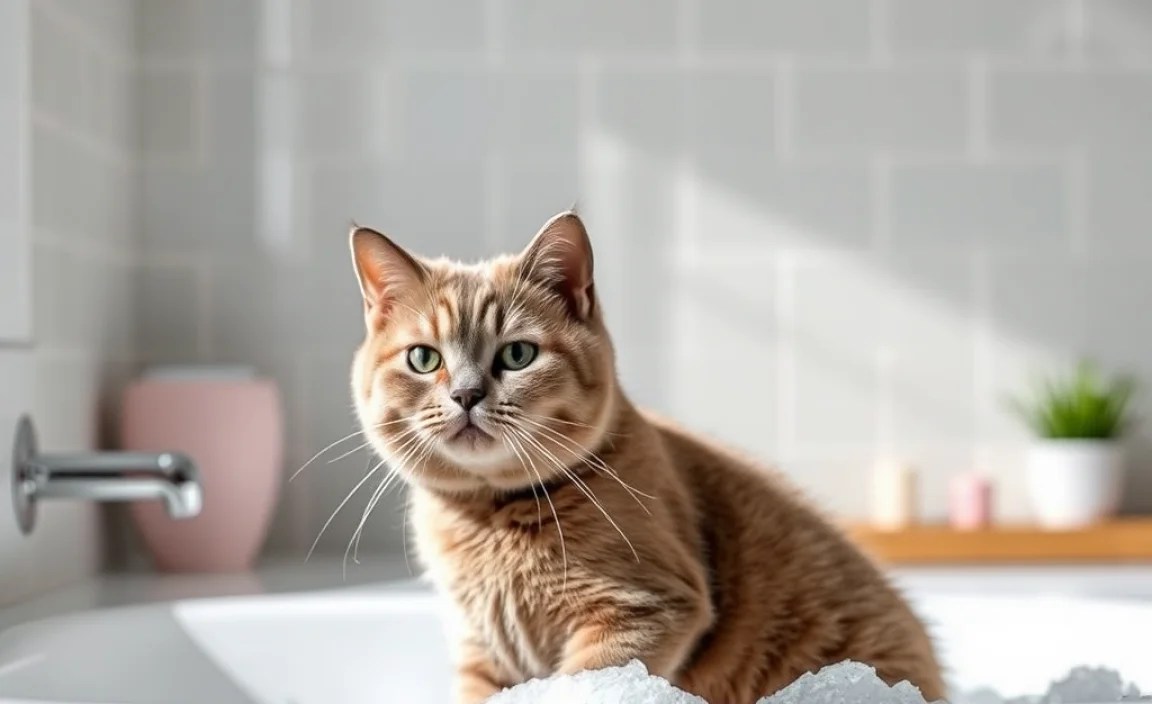
Preparation is key to a successful and stress-free bath. Here’s what you need to do before you even turn on the water:
Gather Your Supplies
Having everything within reach will make the process smoother. Here’s a checklist of essential items:
- Cat-Specific Shampoo: Never use human shampoo on your cat, as it can irritate their skin. Look for a gentle, pH-balanced shampoo designed for cats.
- Towels: Have several soft, absorbent towels ready.
- Non-Slip Mat: Place a non-slip mat in the tub or sink to give your cat better footing.
- Pitcher or Cup: Use this to pour water over your cat gently.
- Brush: A good brush is essential for removing mats and tangles before the bath.
- Treats: Have some of your cat’s favorite treats on hand to reward them during and after the bath.
Choose the Right Location
The location of the bath can make a big difference in how your cat reacts. Here are a few options:
- Bathroom Sink: This is a good option for kittens or smaller cats.
- Bathtub: A larger space for adult cats, but make sure to use a non-slip mat.
- Utility Sink: Often a good height and size for bathing cats.
Choose a location where you have good control and can easily access water and supplies. Close the door to prevent escape attempts!
Brush Your Cat
Before you start the bath, thoroughly brush your British Shorthair to remove any mats, tangles, and loose fur. This will make the bathing process much easier and more effective. According to The International Cat Association (TICA), regular brushing helps prevent mats and keeps your cat’s coat healthy.
Trim Claws (If Necessary)
If your cat’s claws are long, consider trimming them before the bath to protect yourself from accidental scratches. Use cat-specific clippers and be careful not to cut too close to the quick.
Step-by-Step Bathing Guide
Now that you’re prepared, let’s get to the actual bathing process. Follow these steps for a calm and effective bath:
- Start with Lukewarm Water: The water should be lukewarm, not too hot or too cold. Test the water temperature with your wrist to ensure it’s comfortable.
- Wet Your Cat Gently: Use a pitcher or cup to slowly pour water over your cat’s body, avoiding the face and ears. Speak in a soothing voice to keep them calm.
- Apply Shampoo: Pour a small amount of cat shampoo into your hands and lather it gently into your cat’s coat, starting from the neck and working your way down. Be sure to get the shampoo down to the skin.
- Massage and Clean: Gently massage the shampoo into your cat’s coat for a few minutes, paying attention to areas that tend to get dirty, such as the paws and underbelly.
- Rinse Thoroughly: Rinse your cat thoroughly with lukewarm water until all traces of shampoo are gone. Residue can irritate their skin.
- Rinse Again: When you think you’ve rinsed enough, rinse again. British Shorthairs have such dense fur that it’s easy to leave shampoo behind.
- Dry with a Towel: Wrap your cat in a soft towel and gently pat them dry. Use multiple towels if necessary.
- Optional: Use a Hair Dryer: If your cat tolerates it, you can use a hair dryer on a low, cool setting to help dry their coat. Keep the dryer moving and avoid getting too close to their skin.
Tips for a Stress-Free Bath

Bathing doesn’t have to be a traumatic experience. Here are some tips to make it as stress-free as possible for your British Shorthair:
- Stay Calm: Cats can sense your anxiety, so stay calm and speak in a soothing voice.
- Be Gentle: Avoid sudden movements or loud noises.
- Use Treats: Reward your cat with treats during and after the bath to create a positive association.
- Keep it Short: The longer the bath, the more stressed your cat will become. Aim to complete the bath as quickly as possible.
- Enlist Help: If possible, have someone assist you with the bath. One person can hold and reassure the cat while the other washes.
If your cat becomes extremely stressed or agitated, stop the bath and try again another day. It’s better to have a partially clean cat than a traumatized one.
Choosing the Right Shampoo
Selecting the right shampoo is crucial for your British Shorthair’s skin and coat health. Here are some factors to consider:
- pH Balance: Cats have a different skin pH than humans, so it’s important to use a shampoo specifically formulated for cats.
- Ingredients: Look for shampoos with natural, gentle ingredients. Avoid shampoos with harsh chemicals, sulfates, and artificial fragrances.
- Specific Needs: If your cat has a skin condition, such as allergies or dermatitis, choose a medicated shampoo recommended by your veterinarian.
- Hypoallergenic: If your cat has sensitive skin, opt for a hypoallergenic shampoo to minimize the risk of irritation.
Here are some shampoo types you might consider:
- Oatmeal Shampoo: Great for soothing dry, itchy skin.
- Flea Shampoo: Use only if your cat has fleas and follow the instructions carefully.
- Medicated Shampoo: Prescribed by your vet for specific skin conditions.
Always read the label and follow the instructions carefully. If you’re unsure which shampoo to use, consult your veterinarian.
Drying Your British Shorthair
Proper drying is just as important as the bath itself. Here’s how to dry your British Shorthair effectively:
- Towel Drying: Start by wrapping your cat in a soft, absorbent towel and gently patting them dry. Use multiple towels if necessary.
- Hair Dryer (Optional): If your cat tolerates it, you can use a hair dryer on a low, cool setting to help dry their coat. Keep the dryer moving and avoid getting too close to their skin.
- Brush While Drying: As you dry your cat, gently brush their coat to help prevent mats and tangles.
- Keep Them Warm: After the bath, keep your cat in a warm, draft-free area until they are completely dry.
Some cats enjoy being dried with a towel, while others find it stressful. Pay attention to your cat’s body language and adjust your approach accordingly. If your cat is very stressed by the hair dryer, skip it and focus on towel drying.
Dealing with Difficult Cats
Some British Shorthairs simply don’t like being bathed, no matter how gentle you are. If your cat is particularly resistant, here are some strategies to try:
- Start Young: Introduce your kitten to water and bathing early in life to help them get used to it.
- Spot Cleaning: Instead of a full bath, try spot cleaning with a damp cloth for minor messes.
- Waterless Shampoo: Use a waterless shampoo or grooming wipes for a quick clean without water.
- Professional Groomer: If you’re struggling to bathe your cat at home, consider taking them to a professional groomer.
Remember, it’s important to prioritize your cat’s well-being. If bathing is causing them significant stress, explore alternative cleaning methods or seek professional help.
Maintaining a Healthy Coat
Regular grooming is essential for maintaining your British Shorthair’s coat health. Here are some tips:
- Brush Regularly: Brush your cat several times a week to remove loose fur and prevent mats.
- Healthy Diet: Feed your cat a high-quality diet to support healthy skin and coat.
- Hydration: Make sure your cat always has access to fresh water.
- Supplements: Consider adding omega-3 fatty acid supplements to your cat’s diet to promote a healthy coat. Always consult your veterinarian before adding supplements.
A healthy coat is a sign of a healthy cat. By following these tips, you can keep your British Shorthair looking and feeling their best.
Frequently Asked Questions (FAQ)
How often should I bathe my British Shorthair?
British Shorthairs typically only need a bath every few months, unless they get visibly dirty or your vet recommends more frequent bathing for a specific reason.
Can I use human shampoo on my British Shorthair?
No, human shampoo is not suitable for cats. It can irritate their skin due to the difference in pH levels. Always use a cat-specific shampoo.
What should I do if my cat hates water?
If your cat hates water, try spot cleaning with a damp cloth or using waterless shampoo. You can also seek help from a professional groomer.
How can I make bath time less stressful for my cat?
Stay calm, use lukewarm water, offer treats, and keep the bath short. Introducing your cat to water early in life can also help.
Is it okay to use a hair dryer on my British Shorthair?
Yes, but use it on a low, cool setting and keep it moving to avoid overheating. If your cat is scared of the hair dryer, stick to towel drying.
What are the signs that I’m bathing my cat too often?
Signs of over-bathing include dry skin, a dull coat, and increased shedding. If you notice these signs, reduce the frequency of baths.
What kind of brush is best for a British Shorthair?
A slicker brush and a metal comb are good choices for a British Shorthair’s dense coat. These tools help remove loose fur and prevent mats.
British Shorthair Bathing Techniques: Key Takeaways
To summarise, here are the key points to remember when bathing your British Shorthair:
| Aspect | Recommendation |
|---|---|
| Frequency | Every few months, or as needed |
| Shampoo | Cat-specific, pH-balanced |
| Water Temperature | Lukewarm |
| Drying | Towel dry, optional low-heat hair dryer |
| Stress Reduction | Stay calm, use treats, keep it short |
| Grooming | Brush regularly between baths |
Conclusion
Bathing your British Shorthair doesn’t have to be a daunting task. With the right preparation, gentle techniques, and a lot of patience, you can keep your furry friend clean and comfortable. Remember, every cat is different, so it’s important to tailor your approach to your cat’s individual needs and preferences. Regular grooming, a healthy diet, and occasional baths will help keep your British Shorthair’s coat looking its best. And if you ever feel overwhelmed, don’t hesitate to seek advice from your veterinarian or a professional groomer. Happy bathing!


