
British Shorthair Paw Shape Details: The Ultimate Guide

Have you ever looked closely at a cat’s paws? Cats are amazing animals. Their paws help them do many things. The British Shorthair is a popular cat breed. Did you know their paw shape details are special? Let’s learn about these cute, round paws.
British Shorthairs have unique features. These cats are known for their calm nature. They also have a distinctive look. Their paws are an important part of that look. What makes their paws so special? Let’s find out together!
These cats use their paws every day. They walk, run, and play with them. Their paws help them hunt and climb. Understanding their paws helps us care for them better. Are you ready to explore the world of British Shorthair paw shape details? Let’s get started!
Key Takeaways
- British Shorthair paw shape details include round, compact, and firm paws.
- Their paws have thick paw pads that provide cushioning and support.
- These cats have strong claws that help with gripping and climbing.
- Proper paw care is essential for their overall health and well-being.
- Regularly check their paws for injuries or any signs of infection.
Understanding British Shorthair Paw Shape

The paw shape of a British Shorthair is quite distinctive. They have round and compact paws. These paws are often described as “pudgy.” This shape helps them maintain balance. It also aids in their agility. Their paws are not overly large. They are in proportion to their sturdy bodies. The roundness contributes to their adorable appearance. Many people find their paws very appealing. When you look at their paws, you’ll notice how well-padded they are. These pads provide extra cushioning. This is important for walking and jumping. The shape and structure of their paws play a vital role in their daily activities. From walking around the house to playing with toys, their paws are always at work. Taking care of their paws is a key part of keeping them healthy and happy. Regular checks and grooming can help prevent any potential issues.
- Round and compact shape.
- Well-padded for comfort.
- Proportionate to their body size.
- Aids in balance and agility.
- Contributes to their cute appearance.
Imagine a small, fluffy ball of fur with perfectly round paws. That’s often what comes to mind when thinking about a British Shorthair. Their paws are not just cute; they are functional. The round shape helps distribute their weight evenly. This reduces strain on their joints. Think of it like wearing comfortable shoes. Good support makes a big difference. Similarly, the well-padded paws act as shock absorbers. They make walking and jumping easier. They also protect their bones and joints. Owners should regularly inspect their cat’s paws. Look for any signs of injury or discomfort. This includes cuts, swelling, or redness. Addressing these issues early can prevent more serious problems. Keeping their paws clean and trimmed is also important. This helps maintain their overall health and well-being.
Why Round Paws Matter
Have you ever wondered why some cats have round paws? Round paws are not just for looks. They actually serve a purpose. The round shape helps with balance. It allows the cat to distribute its weight evenly. This is especially important for a sturdy cat like the British Shorthair. Their compact bodies need good support. Round paws provide that support. Think of a ballerina. They need to balance on their toes. The roundness of the British Shorthair paws helps them maintain stability. This is useful when they are playing or exploring. Round paws also help with shock absorption. When a cat jumps, the paws cushion the impact. This protects their joints and bones. So, the next time you see a British Shorthair’s round paws, remember they are not just cute. They are also very functional!
Compactness and Agility
Why is compactness important for a cat’s paws? Compact paws mean that the toes are close together. This creates a more solid surface. This helps with agility. British Shorthairs are not known for being super athletic. However, they still need to move around easily. Compact paws help them do that. Imagine trying to run with your toes spread far apart. It would be difficult! Compact paws allow for better control. They make it easier for the cat to navigate different surfaces. This is helpful when they are climbing or playing. Compactness also contributes to their overall stability. It prevents their paws from splaying out. This reduces the risk of injury. So, compact paws are essential for a British Shorthair’s agility and safety.
Paw Shape and Breed Standards
Did you know that cat breeds have standards for their paws? These standards describe the ideal shape and size. For British Shorthairs, round paws are a key feature. Breeders pay close attention to these details. They want to ensure that their cats meet the breed standards. The Cat Fanciers’ Association (CFA) has specific guidelines. These guidelines outline what a perfect British Shorthair should look like. This includes the shape of their paws. Round paws are considered desirable. They contribute to the overall appearance of the breed. When judging cats at shows, paw shape is taken into consideration. It’s just one of many factors. But it’s an important one. So, paw shape is not just about looks. It’s also about meeting breed standards.
Fun Fact or Stat: A British Shorthair’s paws are often compared to teddy bear paws due to their round and cuddly appearance!
Examining Paw Pad Thickness

The paw pads of a British Shorthair are another notable feature. They are quite thick. This thickness provides excellent cushioning. Paw pads are made of tough skin. They protect the bones and joints in the paws. The thick pads act as shock absorbers. They make walking and jumping more comfortable. When a cat lands, the pads help to distribute the impact. This prevents injuries. The thickness of the paw pads also provides insulation. It protects their paws from extreme temperatures. Whether it’s a hot sidewalk or a cold floor, the pads offer a barrier. These pads also help with traction. They provide a good grip on various surfaces. This is important for climbing and hunting. Regular inspection of the paw pads is essential. Look for any cuts, cracks, or blisters. Keeping the pads healthy ensures the cat’s comfort and mobility.
- Thick pads provide cushioning.
- Protects bones and joints.
- Acts as shock absorbers.
- Insulates against extreme temperatures.
- Provides good traction.
Think of paw pads as the soles of a cat’s shoes. Just like shoes protect our feet, paw pads protect a cat’s paws. The thickness of the pads is crucial for their well-being. Without thick pads, every step would be painful. The British Shorthair, with its sturdy build, needs extra cushioning. Their thick paw pads provide that support. These pads also contain nerve endings. These nerve endings allow the cat to sense different textures and temperatures. This is important for navigating their environment. Imagine walking barefoot on hot sand. You would quickly feel the heat. Similarly, a cat’s paw pads help them avoid dangerous surfaces. Maintaining the health of their paw pads is essential. Keep them clean and moisturized. This prevents cracking and dryness. Healthy paw pads contribute to a happy and comfortable cat.
The Role of Cushioning
Why is cushioning so important for a cat’s paws? Cushioning helps to absorb the impact of walking and jumping. This is especially important for cats who love to climb and explore. British Shorthairs may not be the most athletic cats. But they still need good cushioning. Thick paw pads provide that cushioning. They protect their bones and joints. Think of it like wearing padded gloves. They protect your hands from impact. Similarly, paw pads protect a cat’s paws. Cushioning also helps to reduce strain on their muscles. This prevents fatigue and discomfort. Cats spend a lot of time on their feet. Good cushioning ensures they can do so comfortably. So, cushioning is a vital part of paw health.
Insulation Properties
Have you ever noticed how cats can walk on cold surfaces without flinching? This is because of the insulation properties of their paw pads. Thick paw pads help to protect their paws from extreme temperatures. Whether it’s hot or cold, the pads provide a barrier. This is especially important in winter. Cold floors can be very uncomfortable. But a British Shorthair’s thick paw pads help to keep their paws warm. Similarly, in summer, hot pavement can burn their paws. The pads provide a layer of protection. Insulation is not just about temperature. It also helps to protect against other environmental factors. Rough surfaces, sharp objects, and chemicals can all damage their paws. Thick paw pads provide a shield against these hazards. So, insulation is a crucial function of paw pads.
Maintaining Pad Health
How can you keep your cat’s paw pads healthy? Regular inspection is key. Look for any signs of injury or infection. This includes cuts, cracks, redness, or swelling. If you notice anything unusual, consult with a veterinarian. Keeping their paws clean is also important. Wipe them down with a damp cloth. This removes dirt and debris. Moisturizing their paw pads can prevent dryness. Use a paw balm or coconut oil. This helps to keep them soft and supple. Avoid walking your cat on hot pavement. This can burn their paw pads. Provide soft bedding for them to rest on. This reduces pressure on their paws. Trimming their claws regularly also helps. This prevents them from getting caught on things. So, good paw care is essential for their overall health.
Fun Fact or Stat: A cat’s paw pads also help them to sweat, though not as much as humans. This helps regulate their body temperature.
Claw Structure and Function
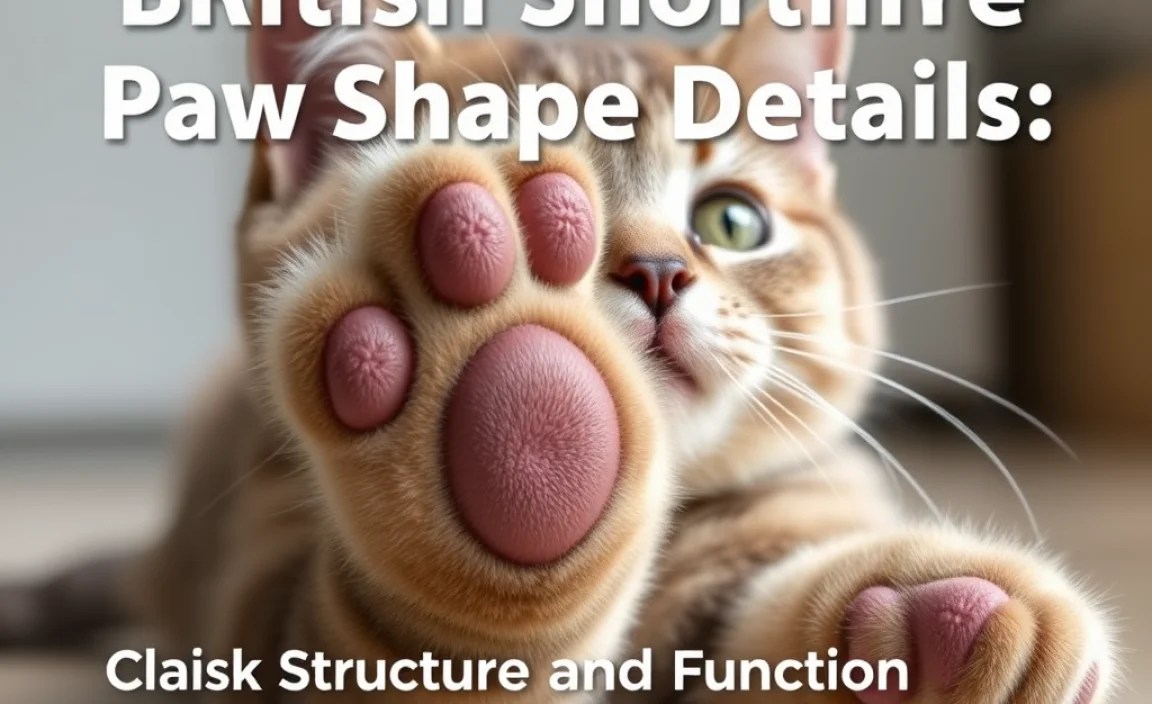
The claws of a British Shorthair are an essential part of their paws. These claws are retractable. This means they can pull them in and out. This feature helps protect the claws. It also keeps them sharp. When the claws are not in use, they are tucked away inside the paw. This prevents them from getting worn down. When the cat needs to grip something, they extend their claws. This is useful for climbing, hunting, and playing. The claws are made of keratin. Keratin is the same material that makes up our fingernails. They grow continuously. Cats need to scratch to remove the outer layer. This keeps their claws sharp and healthy. Providing a scratching post is important. This allows them to groom their claws naturally. Regular trimming is also necessary. This prevents them from becoming too long and causing problems. Understanding the structure and function of their claws helps us care for them better.
- Retractable for protection.
- Made of keratin.
- Grow continuously.
- Require regular scratching.
- Need trimming to prevent overgrowth.
Imagine trying to climb a tree without fingernails. It would be very difficult! Similarly, a cat’s claws are essential for climbing and gripping. The retractable nature of their claws is a clever design. It allows them to keep their claws sharp when they need them. When hunting, a cat needs to be able to grip its prey. Sharp claws are crucial for this. When climbing, claws provide traction and stability. Without them, the cat would easily slip. The need for scratching is also important. It helps to remove the dead outer layer of the claw. This exposes the sharp, new claw underneath. Providing a scratching post satisfies this natural instinct. It also protects your furniture from damage. Trimming their claws is another important aspect of care. Overgrown claws can get caught on things. This can cause injury. Regular trimming prevents this from happening. So, understanding and caring for their claws is vital for their well-being.
Retractability Explained
Why are a cat’s claws retractable? Retractability protects the claws from damage. It also keeps them sharp. Imagine if your fingernails were always exposed. They would quickly become worn down and dull. Similarly, a cat’s claws would be damaged if they were always out. Retractability also allows the cat to move silently. When walking, the claws are tucked away. This prevents them from making noise. This is important for hunting. The cat can sneak up on its prey without being detected. Retractability also allows the cat to groom itself more easily. The claws are tucked away when they are licking their fur. This prevents them from getting caught. So, retractability is a clever adaptation that benefits the cat in many ways.
The Importance of Scratching
Have you ever seen a cat scratching a scratching post? Scratching is a natural behavior for cats. It serves several purposes. First, it helps to remove the dead outer layer of the claw. This exposes the sharp, new claw underneath. Second, it helps to stretch their muscles. When a cat scratches, they extend their body and legs. This provides a good workout. Third, it marks their territory. Cats have scent glands in their paws. When they scratch, they leave behind their scent. This tells other cats that this area belongs to them. Providing a scratching post is important. This allows them to satisfy their natural scratching instinct. It also protects your furniture from damage. So, scratching is a vital part of a cat’s well-being.
Claw Trimming Tips
How do you trim a cat’s claws safely? First, use a pair of cat claw trimmers. These are designed specifically for this purpose. Second, hold your cat gently but firmly. Make sure they are comfortable and relaxed. Third, extend their claw by gently pressing on their paw pad. Fourth, look for the quick. This is the pink part of the claw that contains blood vessels and nerves. You want to avoid cutting into the quick. Fifth, trim the tip of the claw. Only remove a small amount at a time. Sixth, reward your cat with a treat. This will help them associate claw trimming with something positive. If you are unsure about trimming your cat’s claws, consult with a veterinarian or groomer. They can show you how to do it properly. So, with a little practice, you can keep your cat’s claws healthy and trimmed.
Fun Fact or Stat: Cats have five toes on their front paws and four toes on their back paws!
Paw Size and Body Proportion

The paw size of a British Shorthair is proportionate to their body. They are not known for having overly large paws. Their paws are in balance with their sturdy frame. This proportion contributes to their overall appearance. It also helps with their balance and movement. A cat with disproportionately large paws might have difficulty moving. Similarly, small paws might not provide enough support. The British Shorthair has a good balance between paw size and body size. This allows them to move with ease and grace. Their paws are strong enough to support their weight. They are also small enough to allow for agility. When you look at a British Shorthair, you’ll notice the harmony in their proportions. Everything is in balance. This includes their paw size. Maintaining this balance is important for their health and well-being.
- Proportionate to their body size.
- Not overly large or small.
- Contributes to their overall appearance.
- Aids in balance and movement.
- Supports their weight adequately.
Imagine a building with a weak foundation. It would be unstable and prone to collapse. Similarly, a cat with disproportionate paws would have difficulty moving and balancing. The British Shorthair has a strong and sturdy build. Their paws are an important part of that structure. They provide the necessary support for their body. The size of their paws is carefully balanced with their overall size. This ensures that they can move with ease and grace. Think of it like a well-designed car. Everything is in proportion to ensure optimal performance. Similarly, a British Shorthair’s paws are perfectly sized for their body. This allows them to function at their best. Maintaining this balance is important for their health and well-being. A healthy and well-proportioned cat is a happy cat.
The Importance of Balance
Why is balance so important for a cat? Balance allows them to move with confidence and grace. It also helps them to avoid injury. Imagine trying to walk on a tightrope without good balance. It would be very difficult! Similarly, a cat needs good balance to navigate their environment. British Shorthairs are not known for being super athletic. But they still need to be able to move around easily. Good balance allows them to climb, jump, and play without falling. It also helps them to maintain their posture. A cat with good balance will stand tall and proud. So, balance is a crucial aspect of their physical well-being.
Comparing Paw Sizes
How does the paw size of a British Shorthair compare to other breeds? British Shorthairs have medium-sized paws. They are not as large as those of a Maine Coon. But they are not as small as those of a Siamese. Their paw size is proportionate to their body size. This is in line with breed standards. Maine Coons are known for their large size. They need large paws to support their weight. Siamese cats are smaller and more delicate. They have smaller paws. British Shorthairs fall somewhere in between. Their paw size is just right for their sturdy build. So, when comparing paw sizes, it’s important to consider the overall size and build of the cat.
Paw Size and Movement
How does paw size affect a cat’s movement? Paw size can impact their agility and stability. Large paws provide more surface area. This can improve stability. But it can also make them less agile. Small paws allow for greater agility. But they may not provide as much support. The British Shorthair has a good balance between paw size and movement. Their paws are strong enough to support their weight. They are also small enough to allow for agility. This allows them to move with ease and grace. They are not as agile as some other breeds. But they are still able to climb, jump, and play. So, paw size plays a crucial role in their movement.
Fun Fact or Stat: The size of a cat’s paws can also be influenced by genetics and diet!
Paw Color Variations

The paw color of a British Shorthair can vary. It depends on their coat color. Generally, the paw pads will match the color of their fur. For example, a blue British Shorthair might have blueish-gray paw pads. A black British Shorthair might have black paw pads. The color can also be pink or a combination of colors. Some cats have paw pads with different colors on each paw. This is perfectly normal. It’s simply a reflection of their unique genetics. The color of the claws can also vary. They can be white, black, or brown. Again, this depends on their coat color. Paw color is mostly an aesthetic feature. It doesn’t affect their health or function. But it does add to their unique appearance. When you look at a British Shorthair, pay attention to the details. The color of their paws and claws can be quite striking.
- Paw color matches coat color.
- Can be blue, black, or pink.
- Color variations are normal.
- Claw color also varies.
- Doesn’t affect health or function.
Imagine a painter creating a masterpiece. They carefully choose the colors to create a beautiful and harmonious image. Similarly, nature has carefully chosen the colors of a British Shorthair’s paws. The color of their paws is often a reflection of their overall coat color. This creates a cohesive and pleasing appearance. Think of it like matching your shoes to your outfit. It creates a sense of style and coordination. Similarly, the matching paw color adds to the British Shorthair’s charm. These color variations are perfectly normal and natural. They are simply a result of their unique genetics. Just like people have different skin tones, cats have different paw colors. These variations add to their individuality and beauty. So, appreciate the unique colors of your British Shorthair’s paws. They are a small but important part of their overall appearance.
Genetic Factors in Paw Color
Why do cats have different paw colors? Paw color is determined by genetics. Genes control the production of melanin. Melanin is the pigment that gives color to skin, hair, and eyes. Different genes produce different amounts of melanin. This results in different colors. British Shorthairs have a variety of coat colors. Their paw color is linked to their coat color. Cats with darker coats tend to have darker paw pads. Cats with lighter coats tend to have lighter paw pads. The specific genes that control paw color are complex. Scientists are still studying them. But it’s clear that genetics play a major role. So, the next time you see a cat with unique paw colors, remember that it’s all in their genes.
Common Color Combinations
What are some common paw color combinations in British Shorthairs? Blue British Shorthairs often have blueish-gray paw pads. Black British Shorthairs often have black paw pads. White British Shorthairs often have pink paw pads. Cream British Shorthairs often have pink or light brown paw pads. Tortoiseshell British Shorthairs can have a combination of colors. Their paw pads might be pink and black. These are just a few examples. The possibilities are endless. The color combinations add to their unique charm. It’s one of the things that makes them so appealing.
Caring for Colored Paws
Do colored paws require special care? No, colored paws don’t require any special care. The color of their paws doesn’t affect their health or function. You should care for them as you would any other cat’s paws. Keep them clean and moisturized. Trim their claws regularly. Check for any signs of injury or infection. The color of their paws is simply an aesthetic feature. It doesn’t change the way you care for them. So, you can enjoy the unique colors of their paws without worrying about any extra maintenance. Regular paw care is essential for all cats, regardless of their paw color.
Fun Fact or Stat: Some cats have multicolored paw pads, which is called “harlequin” coloration!
Potential Paw Problems and Solutions
Like all cats, British Shorthairs can experience paw problems. Common issues include injuries, infections, and allergies. Injuries can occur from stepping on sharp objects. Infections can result from cuts or scratches. Allergies can cause inflammation and itching. It’s important to regularly check their paws for any signs of problems. Look for cuts, swelling, redness, or discharge. If you notice anything unusual, consult with a veterinarian. Early detection and treatment can prevent more serious complications. Keeping their paws clean and dry can help prevent infections. Providing a safe and comfortable environment can reduce the risk of injuries. Addressing allergies can alleviate inflammation and itching. With proper care, you can keep your British Shorthair’s paws healthy and happy.
- Injuries from sharp objects.
- Infections from cuts or scratches.
- Allergies causing inflammation.
- Regular checks are important.
- Early treatment prevents complications.
Imagine a small cut on your foot becoming infected. It would be painful and uncomfortable. Similarly, even minor paw problems can cause significant discomfort for your cat. The paws are essential for their mobility and well-being. It’s important to address any issues promptly. Regular inspection is key. Look for any signs of injury or infection. This includes cuts, swelling, redness, or discharge. If you notice anything unusual, consult with a veterinarian. They can diagnose the problem and recommend the appropriate treatment. Keeping their paws clean and dry can help prevent infections. This is especially important if they spend time outdoors. Providing a safe and comfortable environment can reduce the risk of injuries. Remove any sharp objects from their path. Addressing allergies can alleviate inflammation and itching. This may involve changing their diet or using medication. With proper care and attention, you can keep your British Shorthair’s paws healthy and comfortable.
Common Paw Injuries
What are some common paw injuries in cats? Cuts and lacerations are common. They can occur from stepping on sharp objects. Burns can occur from walking on hot surfaces. Fractures can occur from falls or accidents. Foreign objects can become lodged in their paws. These injuries can cause pain and discomfort. It’s important to seek veterinary care for any serious paw injuries. Treatment may involve cleaning the wound, bandaging the paw, or administering medication. Preventing paw injuries is also important. Keep their environment clean and safe. Remove any sharp objects. Avoid walking them on hot surfaces.
Recognizing Paw Infections
How can you recognize a paw infection in your cat? Look for signs of swelling, redness, or discharge. The paw may be warm to the touch. Your cat may be limping or avoiding putting weight on the paw. They may be excessively licking or chewing at the paw. These are all signs of a potential infection. It’s important to consult with a veterinarian for diagnosis and treatment. Treatment may involve antibiotics or antifungal medication. Keeping the paw clean and dry is also important. This will help to prevent the infection from spreading.
Allergies and Paw Health
How can allergies affect a cat’s paw health? Allergies can cause inflammation and itching. This can lead to excessive licking and chewing. This can damage the skin and increase the risk of infection. Cats can be allergic to food, pollen, dust mites, or fleas. Identifying and addressing the source of the allergy is important. This may involve changing their diet or using medication. Keeping their paws clean and dry can also help to alleviate symptoms. Consult with a veterinarian for diagnosis and treatment of allergies.
Fun Fact or Stat: Some cats are prone to a condition called “plasma cell pododermatitis,” which causes swelling and lesions on their paw pads!
Caring for Your British Shorthair’s Paws
Caring for your British Shorthair’s paws is an important part of their overall health. Regular grooming and inspection are essential. Keep their paws clean and dry. Trim their claws regularly. Provide a scratching post for them to groom their claws naturally. Monitor their paws for any signs of problems. Consult with a veterinarian if you notice anything unusual. A healthy diet and exercise can also contribute to paw health. Proper nutrition supports strong claws and healthy paw pads. Regular exercise helps to maintain their muscle strength and coordination. By following these tips, you can ensure that your British Shorthair’s paws remain healthy and happy for years to come.
- Regular grooming and inspection.
- Keep paws clean and dry.
- Trim claws regularly.
- Provide a scratching post.
- Healthy diet and exercise.
Imagine your hands being constantly exposed to dirt and grime. They would become dry, cracked, and uncomfortable. Similarly, a cat’s paws need regular care to stay healthy. Regular grooming and inspection are key. This allows you to identify any potential problems early on. Keeping their paws clean and dry can prevent infections. This is especially important if they spend time outdoors. Trimming their claws regularly prevents them from becoming too long and causing problems. Providing a scratching post allows them to groom their claws naturally. This also protects your furniture from damage. A healthy diet and exercise contribute to their overall well-being. This includes their paw health. Proper nutrition supports strong claws and healthy paw pads. Regular exercise helps to maintain their muscle strength and coordination. By incorporating these practices into your routine, you can ensure that your British Shorthair’s paws remain in top condition.
Here is a table summarizing paw health care tips:
| Care Tip | Description | Frequency |
|---|---|---|
| Inspection | Check for cuts, swelling, or redness. | Weekly |
| Cleaning | Wipe paws with a damp cloth. | As needed |
| Claw Trimming | Trim the tips of their claws. | Every 2-3 weeks |
| Scratching Post | Provide a scratching post for grooming. | Always available |
| Diet & Exercise | Provide a healthy diet and regular exercise. | Daily |
Grooming Routine
What should a good paw grooming routine include? Start by inspecting their paws for any signs of problems. Look for cuts, swelling, redness, or discharge. Clean their paws with a damp cloth. This removes any dirt or debris. Trim their claws regularly. Provide a scratching post for them to groom their claws naturally. Moisturize their paw pads if they are dry or cracked. Use a paw balm or coconut oil. These simple steps can help to keep their paws healthy and comfortable. Make grooming a positive experience. Reward them with treats and praise. This will make them more cooperative.
Choosing the Right Scratching Post
How do you choose the right scratching post for your cat? Consider their preferences. Some cats prefer vertical scratching posts. Others prefer horizontal scratching posts. Experiment with different types to see what they like best. Choose a sturdy scratching post. It should be stable and not easily tipped over. Choose a scratching post with a suitable surface. Sisal, cardboard, and carpet are all popular options. Place the scratching post in a convenient location. Near their favorite resting spot or play area. This will encourage them to use it. Make the scratching post appealing. Sprinkle it with catnip or attach toys. This will make it more attractive to them. With a little effort, you can find the perfect scratching post for your cat.
Diet and Paw Health
How does diet affect a cat’s paw health? A healthy diet provides the nutrients they need for strong claws and healthy paw pads. Protein is essential for building and repairing tissues. Vitamins and minerals support overall health. Omega-3 fatty acids can help to reduce inflammation. Choose a high-quality cat food that is rich in these nutrients. Avoid foods that are high in fillers or artificial ingredients. Provide fresh water at all times. This helps to keep their skin and paw pads hydrated. Consult with a veterinarian for recommendations on the best diet for your cat. A healthy diet is essential for their overall well-being. This includes their paw health.
Fun Fact or Stat: Cats often knead with their paws when they are happy and content. This behavior is thought to be a remnant of their kittenhood.
Summary
British Shorthair paw shape details are unique and important. Their round, compact paws provide balance and cushioning. The thick paw pads offer protection and insulation. Claws are retractable and essential for gripping and climbing. Paw size is proportionate to their sturdy body. This contributes to their overall harmony. Paw color varies and matches their coat. This adds to their distinctive appearance. Regular paw care is crucial for their well-being. This includes grooming, inspection, and claw trimming. By understanding these details, we can better care for our feline friends.
Potential paw problems can be addressed with prompt attention. Injuries, infections, and allergies require veterinary care. A healthy diet and safe environment support paw health. These gentle giants deserve the best care. Knowing the details of their paws helps us provide that care. Proper paw care ensures they remain happy and comfortable. The charming British Shorthair benefits from our understanding and care of their paws.
Conclusion
The British Shorthair is a wonderful cat breed. Their paw shape details are just one aspect of their charm. Round paws, thick pads, and retractable claws all play a role. These features contribute to their balance and agility. Understanding their paws helps us provide better care. Regular grooming and inspection are key. A healthy diet and safe environment are also important. By paying attention to their paws, we can ensure their comfort. Let’s cherish these details and keep our feline friends happy. Proper care leads to a long and healthy life for our British Shorthairs.
Frequently Asked Questions
Question No 1: What is the typical shape of a British Shorthair’s paws?
Answer: British Shorthair cats are known for their round and compact paws. These paws are often described as “pudgy” or “chubby.” This round shape helps them maintain balance and provides cushioning for their joints. The paws are proportionate to their sturdy body, contributing to their overall balanced appearance. Their round paws are not only adorable but also functional, aiding in their movement and stability. When observing a British Shorthair, their distinctive paw shape is easily noticeable and adds to their unique charm.
Question No 2: How thick are the paw pads on a British Shorthair?
Answer: The paw pads on a British Shorthair are notably thick. This thickness provides excellent cushioning and protection for their paws. These thick pads act as shock absorbers, making walking and jumping more comfortable for the cat. They also provide insulation against extreme temperatures, protecting their paws from hot or cold surfaces. In addition to cushioning and insulation, the thick paw pads also enhance traction, enabling them to grip surfaces effectively. Regular inspection and care of these paw pads are essential for maintaining their comfort and mobility.
Question No 3: Do British Shorthairs have any specific paw color patterns?
Answer: The paw color of a British Shorthair typically correlates with their coat color. Common paw colors include shades of pink, black, and blue-gray. For instance, a blue British Shorthair often has blue-gray paw pads, while a black British Shorthair may have black paw pads. Some cats can also exhibit a combination of colors on their paw pads, adding to their unique appearance. These color variations are primarily aesthetic and do not affect the health or function of their paws. The matching paw color enhances their overall charm.
Question No 4: How often should I trim my British Shorthair’s claws?
Answer: Trimming your British Shorthair’s claws every 2-3 weeks is generally recommended. Regular claw trimming prevents them from becoming overgrown and causing discomfort or injury. Overgrown claws can get caught on furniture or carpets, leading to potential accidents. When trimming, use cat-specific claw trimmers and be careful not to cut into the quick, which is the pink part of the claw containing blood vessels and nerves. Providing a scratching post can also help maintain their claws naturally between trimmings. Regular grooming is essential for your cat’s well-being.
Question No 5: What are some common paw problems in British Shorthairs and how can


