
Homemade Remedies vs Vaccines: Powerful Choice?

Have you ever scraped your knee and put on a bandage? That’s like a homemade remedy. But what about bigger problems, like diseases? Some people wonder if homemade remedies vs vaccines can both help us stay healthy. Let’s learn about what keeps us safe and strong.
What happens when we get sick? Our bodies fight hard. Sometimes, we need a little extra help. Let’s explore how different ways can protect us. Think about what’s best for you and your family.
Key Takeaways
- Vaccines are a safe and strong way to protect against serious diseases.
- Homemade remedies can help with small problems, like a sore throat.
- Vaccines work by training your body to fight off specific illnesses.
- Knowing the difference between homemade remedies vs vaccines is important.
- Always talk to a doctor before trying new remedies or making health choices.
Understanding Homemade Remedies vs. Medical Treatments

When you’re not feeling well, what do you do? Maybe your mom makes you chicken soup. Or you drink tea with honey. These are homemade remedies. They can help with things like a cold or a tummy ache. But what about bigger sicknesses? That’s where medical treatments come in. Medical treatments, like vaccines, are made by doctors and scientists. They are tested to make sure they work and are safe. It’s important to know when homemade remedies vs vaccines are best. Small problems might need a simple fix. Big problems need the help of a doctor. Think of it like this: a bandage for a small cut, but stitches for a big one. Knowing the difference can keep you healthy!
- Chicken soup can soothe a cold.
- Honey can help a sore throat.
- Rest is important when you are sick.
- Doctors use medicine to treat illnesses.
- Vaccines protect you from diseases.
Imagine you have a garden. Some weeds you can pull out by hand. These are like small sicknesses that homemade remedies can handle. But what if there’s a big problem, like bugs eating all your plants? You might need special bug spray. That’s like medical treatment. Vaccines are like a shield for your body. They teach your body how to fight off bad germs. Homemade remedies can make you feel better. But they don’t always stop the sickness itself. So, knowing when to use each one is very important. Always ask a grown-up or doctor for help. They can tell you what’s best for you.
Fun Fact or Stat: Did you know that the first vaccine was for smallpox? It was created over 200 years ago!
What are Common Homemade Remedies?
Have you ever had a stuffy nose? Maybe your mom gave you steam to breathe in. Steam is a homemade remedy. It can help clear your nose. Other common remedies include honey for coughs. Some people use ginger for tummy aches. These things can make you feel better. They use things you can find at home. Do homemade remedies always work? Not always. They are good for small problems. But for big sicknesses, you need more help. It’s like using a small toy to fix a big machine. It might not be enough. So, always ask a doctor if you feel really sick.
How do Medical Treatments Work?
Medical treatments are like special tools. Doctors use them to fight sickness. Vaccines are one kind of medical treatment. They teach your body to fight germs. How do they do this? Vaccines have a small, safe piece of the germ. This piece can’t make you sick. But it shows your body what the germ looks like. Then, your body learns how to fight it. So, if the real germ comes along, your body is ready! Other medical treatments include pills and shots. These can kill germs or help your body heal. Medical treatments are tested to make sure they work. Doctors know how to use them safely.
When Should You See a Doctor?
When should you go to the doctor? If you have a fever, that’s a good reason. If you feel very tired or have a bad cough, see a doctor. If a homemade remedy doesn’t help, see a doctor. It’s always better to be safe. Doctors can find out what’s wrong. They can give you the right treatment. Don’t be afraid to ask for help. Your health is very important. Going to the doctor is like taking care of your body. It helps you stay strong and healthy. So, listen to your body and get help when you need it.
Fun Fact or Stat: The World Health Organization (WHO) estimates that vaccines save millions of lives each year!
The Science Behind Vaccines and Immunity

Vaccines are like superheroes for your body! They use science to protect you from getting sick. They work by teaching your body’s defense system, called the immune system, how to fight off specific diseases. When you get a vaccine, it’s like showing your immune system a picture of the enemy. This “picture” is a weakened or inactive version of the germ that causes the disease. Your body learns to recognize this germ and creates special fighters called antibodies. These antibodies stay in your body, ready to attack if the real germ ever tries to invade. So, vaccines give you immunity, which means you’re protected from getting sick. This is why vaccines are so important for keeping you and your community healthy!
- Vaccines teach your body to fight germs.
- Your immune system protects you from sickness.
- Antibodies are like tiny soldiers.
- Immunity means you are protected.
- Vaccines are safe and effective.
- Talk to your doctor about vaccines.
Have you ever wondered how vaccines were invented? It’s a fascinating story! Long ago, people noticed that if you got a disease once, you usually didn’t get it again. This gave them the idea that somehow, your body could learn to protect itself. Then, scientists started experimenting with ways to make this happen without actually getting sick. They discovered that using weakened or inactive germs could trigger the immune system. This led to the creation of the first vaccines. Today, scientists are always working to make vaccines even better and more effective. They want to protect us from as many diseases as possible. This shows how science can help us stay healthy and safe!
Fun Fact or Stat: Polio was a disease that paralyzed many children. Thanks to vaccines, it’s now almost completely gone from the world!
What is the Immune System?
Imagine your body has an army. This army protects you from germs. This army is your immune system. It fights off bad things that can make you sick. The immune system has many parts. White blood cells are like soldiers. They attack germs. Antibodies are like special weapons. They target specific germs. When you get a vaccine, it trains your immune system. It teaches it how to fight. This way, your body is ready for a real attack. A strong immune system keeps you healthy. It lets you play and learn without getting sick all the time.
How Do Vaccines Create Immunity?
Vaccines are like a training camp for your immune system. They show your body what the enemy looks like. But the enemy is weak or harmless. Your body learns to recognize the enemy. It makes antibodies to fight it. These antibodies stay in your body. They are ready for a real attack. If the real germ comes, your body fights it off quickly. You don’t get sick or you get a much milder sickness. This is how vaccines create immunity. They give you protection without making you really sick. It’s like practicing for a game so you are ready to win!
Why are Vaccines Important for Public Health?
Vaccines don’t just protect you. They protect everyone around you. When many people get vaccinated, it stops diseases from spreading. This is called herd immunity. It’s like building a wall around the community. The wall keeps the germs out. This protects people who can’t get vaccinated. Some people are too young. Some people have health problems. They depend on others to get vaccinated. Vaccines help keep our community healthy. They let us go to school and play without getting sick. They protect our families and friends.
Fun Fact or Stat: Measles was once a common childhood illness. Thanks to vaccines, it’s now very rare in many countries!
Comparing the Effectiveness of Different Approaches

Let’s think about how well different ways to stay healthy work. Homemade remedies can be great for minor issues. Think of a warm compress for a small bruise. It can help reduce swelling and ease the pain. But what if you have a serious infection? A warm compress won’t be enough. Vaccines, on the other hand, are designed to prevent specific diseases. They have been tested in large studies to prove they work. This means they are very effective at preventing you from getting sick. So, when we talk about homemade remedies vs vaccines, it’s important to understand the difference in how well they work. One is for small problems, and the other is for serious diseases.
- Homemade remedies can ease minor symptoms.
- Vaccines prevent serious diseases.
- Medical treatments are tested to be effective.
- It’s important to know what works best.
- Talk to a doctor for the best advice.
Imagine you’re building a house. Homemade remedies are like small repairs you can do yourself. You can fix a leaky faucet or paint a wall. But what if the roof is collapsing? You’ll need a professional builder. Vaccines and medical treatments are like those professional builders. They have the tools and knowledge to handle big problems. They can fix things that you can’t do on your own. So, when it comes to your health, it’s important to know when to call in the experts. Don’t be afraid to ask for help when you need it. Your health is worth it!
Fun Fact or Stat: Scientists use clinical trials to test how well vaccines work before they are given to the public!
How Effective Are Homemade Remedies?
Homemade remedies can be helpful for small problems. Think about a stuffy nose. Steam can help you breathe easier. Honey can soothe a sore throat. These things can make you feel better. But they don’t always cure the problem. They just ease the symptoms. For example, steam won’t kill the germs that cause your cold. It just helps you feel better while your body fights the infection. Homemade remedies are like a band-aid. They cover the problem, but they don’t always fix it. So, it’s important to know when you need more than just a homemade remedy.
How Effective Are Vaccines?
Vaccines are very effective at preventing diseases. They have been proven to work in many studies. For example, the measles vaccine is about 97% effective. This means that if you get the vaccine, you are very unlikely to get measles. Vaccines work by training your body to fight off specific germs. They give you long-lasting protection. Vaccines have helped to wipe out diseases like polio and smallpox. They are one of the best ways to protect your health. They are like a shield that keeps you safe from harm.
Comparing Long-Term Protection
When it comes to long-term protection, vaccines are the clear winner. Homemade remedies can help you feel better for a short time. But they don’t give you lasting immunity. Vaccines, on the other hand, can protect you for many years. Some vaccines even give you lifelong protection. This is because they teach your body to remember how to fight specific germs. So, if you are exposed to those germs in the future, your body will be ready to defend itself. This is why vaccines are so important for preventing serious diseases.
Fun Fact or Stat: Thanks to vaccines, smallpox has been completely eradicated, meaning it no longer exists in the world!
Safety Considerations for Both Approaches

It’s important to think about safety when choosing between homemade remedies vs vaccines. Homemade remedies often use natural ingredients. But “natural” doesn’t always mean safe. Some herbs can cause allergic reactions. It’s important to know what you’re using and how it might affect you. Vaccines are tested very carefully. Scientists make sure they are safe and effective. But like any medicine, vaccines can have side effects. These are usually mild, like a fever or sore arm. Serious side effects are very rare. The benefits of vaccines usually outweigh the risks. This is why doctors recommend them for most people.
- Natural remedies can have side effects.
- Vaccines are tested for safety.
- Talk to a doctor about any concerns.
- Follow instructions carefully.
- Report any bad reactions.
- Be aware of allergies.
Imagine you’re baking a cake. You need to follow the recipe carefully. If you add too much of one ingredient, the cake might not turn out right. The same is true for homemade remedies. It’s important to use the right amount of each ingredient. Too much of something can be harmful. Vaccines are like a carefully measured recipe. Scientists have figured out the exact amount of each ingredient needed to protect you. They have also tested the recipe to make sure it’s safe. So, when it comes to your health, it’s important to trust the experts. They know what’s best for you.
Fun Fact or Stat: Before vaccines are approved, they go through many phases of testing to ensure they are safe and effective!
Potential Risks of Homemade Remedies
Homemade remedies can seem harmless. But they can have risks. Some herbs can interact with medicines. This can make the medicines not work as well. Some people are allergic to certain plants. Using these plants can cause a bad reaction. It’s important to be careful. Always talk to a doctor before trying a new homemade remedy. Especially if you take other medicines. Make sure you are not allergic to anything. Follow instructions carefully. Don’t use too much of anything. Homemade remedies can be helpful. But they are not always safe for everyone.
Potential Risks of Vaccines
Vaccines are very safe. But they can have side effects. Most side effects are mild. They might include a fever or a sore arm. These side effects usually go away in a few days. Serious side effects are very rare. The risk of getting a serious side effect from a vaccine is much lower than the risk of getting the disease. Vaccines have saved many lives. They have helped to wipe out diseases. The benefits of vaccines usually outweigh the risks. Doctors recommend vaccines for most people. They are one of the best ways to protect your health.
How to Make Informed Decisions
It’s important to make informed decisions about your health. This means learning about the risks and benefits of different choices. Talk to your doctor. Ask questions. Do your research. Don’t just believe everything you read online. Look for reliable sources of information. The Centers for Disease Control and Prevention (CDC) is a good source. So is the World Health Organization (WHO). Understand the difference between homemade remedies vs vaccines. Know when each one is appropriate. Make choices that are best for your health.
Fun Fact or Stat: The U.S. Food and Drug Administration (FDA) carefully reviews vaccines to make sure they are safe and effective!
Cost and Accessibility: Comparing Options
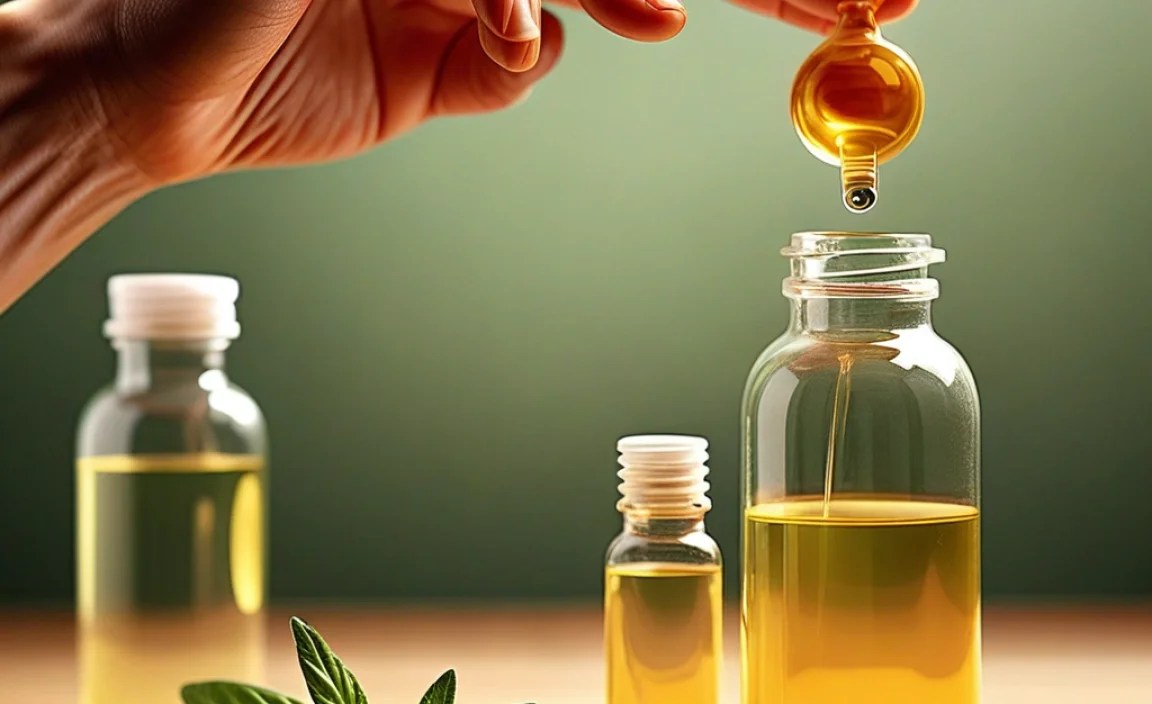
When thinking about health, cost and access matter. Homemade remedies can seem cheap. Many use things you have at home. But buying special herbs can cost money. Also, if a remedy doesn’t work, you might need a doctor anyway. Vaccines have a cost too. But many are free or low-cost through insurance. Government programs help too. Access is about getting what you need. You can make a tea at home. But you need a doctor for a vaccine. In cities, this is easier. In the country, it might be harder. Think about homemade remedies vs vaccines. What can you get easily? What can you afford?
| Option | Cost | Accessibility |
|---|---|---|
| Homemade Remedies | Low to Moderate (ingredient costs) | High (available at home or local stores) |
| Vaccines | Moderate (often covered by insurance) | Moderate (requires a doctor’s visit) |
| Doctor’s Visit | Moderate to High (depending on insurance) | Varies (depending on location and availability) |
| Prescription Medicines | Moderate to High (depending on the medicine) | Moderate (requires a doctor’s prescription) |
- Homemade remedies can be affordable.
- Vaccines are often covered by insurance.
- Access to healthcare varies.
- Think about what you can afford.
- Consider what is easy to get.
Imagine your family needs to travel. You could walk, which is free. But it would take a long time. You could take a bus, which costs money. But it’s faster. You could fly, which costs more. But it’s the fastest. Health is like that. Homemade remedies are like walking. They might work, but slowly. Vaccines are like a bus. They cost something, but they are faster and safer. Seeing a doctor is like flying. It costs more, but it gets you the best care quickly. Thinking about cost and access helps you choose the best way to travel. It also helps you choose the best way to stay healthy.
Fun Fact or Stat: Many countries offer free or low-cost vaccines to children to protect them from diseases!
Affordability of Homemade Remedies
Homemade remedies can be easy on your wallet. You might already have the ingredients. Things like honey, lemon, and ginger are common. You can use them for colds and coughs. These remedies don’t cost much. But remember, they don’t always work. If you don’t get better, you’ll need to see a doctor. That can cost more money. So, think about the long-term cost. Homemade remedies can be a good first step. But don’t wait too long to get help if you need it.
Cost of Vaccines and Medical Care
Vaccines and medical care can cost money. But they are often worth it. Many insurance plans cover vaccines. This means you don’t have to pay much. Some government programs offer free vaccines. These programs help protect everyone. Medical care can be expensive. But it’s important for your health. Doctors can diagnose problems. They can give you the right treatment. Don’t skip medical care because of the cost. There are often ways to get help. Ask your doctor about options.
Access to Healthcare in Different Areas
Getting healthcare can be hard in some places. If you live in a city, it’s usually easier. There are many doctors and hospitals. If you live in the country, it can be harder. There might be fewer doctors. You might have to travel far. This can make it hard to get vaccines and medical care. Some programs try to help. They bring healthcare to rural areas. Telemedicine lets you talk to a doctor online. It’s important to make sure everyone has access to healthcare. No matter where they live.
Fun Fact or Stat: Some organizations provide free healthcare services to people in underserved communities!
Making Informed Choices: Consulting Healthcare Professionals
The best way to make smart choices about your health is to talk to a doctor. Doctors are experts. They know about diseases and treatments. They can answer your questions. They can help you understand the difference between homemade remedies vs vaccines. Don’t be afraid to ask questions. Write them down before your visit. Tell the doctor about any homemade remedies you are using. They can tell you if they are safe. They can help you decide what is best for you. Your health is important. Talking to a doctor is a good way to take care of it.
- Talk to your doctor about health concerns.
- Ask questions about treatments.
- Share any homemade remedies you use.
- Get advice on staying healthy.
- Follow your doctor’s recommendations.
Imagine you are building a LEGO set. You have the instructions. But you are not sure how to put a piece together. What do you do? You ask someone who knows. Maybe a parent or a friend. Doctors are like those helpful people. They have the instructions for your body. They know how to fix problems. They can guide you to stay healthy. So, don’t be afraid to ask for help. Doctors are there to help you. They want you to be healthy and happy.
Fun Fact or Stat: Doctors go through many years of training to learn how to keep people healthy!
The Importance of Doctor-Patient Communication
Talking to your doctor is very important. It helps them understand your health. Tell them how you feel. Explain your symptoms. Don’t be afraid to ask questions. If you don’t understand something, ask them to explain it again. Good communication helps your doctor give you the best care. It also helps you feel more comfortable. Remember, your doctor is there to help you. They want to work with you to keep you healthy. So, be open and honest with them.
How to Discuss Homemade Remedies with Your Doctor
If you use homemade remedies, tell your doctor. They need to know everything you are taking. Some homemade remedies can interact with medicines. This can cause problems. Your doctor can help you understand the risks and benefits of homemade remedies. They can also tell you if they are safe for you. Don’t be afraid to be honest. Your doctor is not going to judge you. They just want to make sure you are safe. They want to help you make the best choices for your health.
Understanding a Doctor’s Recommendations
Doctors give recommendations based on science. They use their knowledge to help you. It’s important to understand their recommendations. If you don’t understand something, ask them to explain it. Don’t be afraid to ask questions. Make sure you know why they are recommending a certain treatment. Ask about the risks and benefits. If you are not comfortable with a recommendation, tell your doctor. They can help you understand it better. They can also offer other options. Your health is important. You should feel comfortable with your treatment plan.
Fun Fact or Stat: Doctors use scientific research to make the best recommendations for their patients!
Summary
It’s important to know about homemade remedies vs vaccines. Homemade remedies can help with small problems. They can ease symptoms like a sore throat. But they don’t always cure the problem. Vaccines protect you from serious diseases. They teach your body to fight germs. Vaccines have saved many lives. They are one of the best ways to stay healthy. It’s important to consult with healthcare professionals. They can answer questions and provide guidance. They are the best resource for your health needs.
Think about cost and access. Homemade remedies can be cheap. But they might not always work. Vaccines can cost money. But they are often covered by insurance. Access to healthcare can be hard in some places. Do your research. Talk to your doctor. Make informed choices. Understand the difference between homemade remedies vs vaccines. Your health is important. Take care of it.
Conclusion
Staying healthy is important. There are many ways to do it. Homemade remedies can help with minor issues. But they are not a replacement for medical care. Vaccines are a safe and effective way to protect against serious diseases. They have saved many lives. Always talk to a doctor about your health concerns. They can help you make the best choices. Understanding the difference between homemade remedies vs vaccines will help you stay healthy.
Frequently Asked Questions
Question No 1: What is the main difference between homemade remedies vs vaccines?
Answer: Homemade remedies are things you can do at home to ease symptoms. They use ingredients like honey or herbs. They can help with minor problems like a cold. Vaccines are medical treatments. They protect you from specific diseases. They teach your body to fight germs. Vaccines give you long-lasting protection. They are different ways to take care of your health. One is for small problems, the other is for big ones.
Question No 2: Are homemade remedies always safe?
Answer: Not always. Just because something is natural doesn’t mean it’s safe. Some herbs can cause allergic reactions. Some can interact with medicines. It’s important to be careful. Do your research. Talk to a doctor before trying a new homemade remedy. Make sure you are not allergic to anything. Follow instructions carefully. Don’t use too much of anything. Homemade remedies can be helpful. But they are not always safe for everyone.
Question No 3: How do vaccines protect me from diseases?
Answer: Vaccines teach your body to fight germs. They have a small, safe piece of the germ. This piece can’t make you sick. But it shows your body what the germ looks like. Then, your body learns how to fight it. So, if the real germ comes along, your body is ready! It fights off the germ quickly. You don’t get sick or you get a much milder sickness. This is how vaccines protect you.
Question No 4: What are the risks of getting a vaccine?
Answer: Vaccines are very safe. But they can have side effects. Most side effects are mild. They might include a fever or a sore arm. These side effects usually go away in a few days. Serious side effects are very rare. The risk of getting a serious side effect from a vaccine is much lower than the risk of getting the disease. Vaccines have saved many lives. They have helped to wipe out diseases.
Question No 5: When should I see a doctor instead of using a homemade remedy?
Answer: See a doctor if you have a serious problem. If you have a fever, see a doctor. If you feel very tired or have a bad cough, see a doctor. If a homemade remedy doesn’t help, see a doctor. It’s always better to be safe. Doctors can find out what’s wrong. They can give you the right treatment. Don’t be afraid to ask for help. Your health is very important.
Question No 6: Can I use homemade remedies and still get vaccines?
Answer: Yes! Homemade remedies can help with small problems. Vaccines protect you from big problems. They work in different ways. You can use both. But always talk to your doctor. Tell them about any homemade remedies you are using. They can make sure they are safe for you. They can also tell you if you need a vaccine. Vaccines are important for protecting you from serious diseases.


