
Preventing Hair Loss in British Shorthairs: Easy Guide

Quick Summary: Preventing hair loss in British Shorthair cats involves regular grooming to manage shedding, a balanced diet rich in omega fatty acids, and creating a stress-free environment. Regular vet checks are crucial to rule out underlying health issues like ringworm, allergies, or hormonal imbalances. Addressing these factors can help maintain a healthy, luscious coat for your beloved British Shorthair.
Is your British Shorthair leaving more fur around the house than usual? Seeing clumps of hair can be worrying, but don’t panic! British Shorthairs are known for their dense, plush coats, and shedding is a natural process. However, excessive hair loss can signal an underlying issue. The good news is that with a few simple steps and a little detective work, you can often prevent or manage hair loss and keep your feline friend looking and feeling their best. Let’s explore how to keep that beautiful coat healthy and full!
Understanding Hair Loss in British Shorthairs

As a lifelong cat lover and the voice behind BritishShorthairAsk.com, I understand how concerning it can be to see your beloved British Shorthair losing hair. Before we dive into prevention, let’s understand why it happens.
Normal Shedding vs. Excessive Hair Loss
British Shorthairs have a thick, double coat, which means they naturally shed more than some other breeds. Seasonal shedding is normal, usually occurring in spring and fall as they adjust to temperature changes. However, if you notice bald patches, excessive scratching, or changes in skin condition, it’s more than just normal shedding.
Common Causes of Hair Loss
Several factors can contribute to hair loss in British Shorthairs:
- Dietary Issues: Poor nutrition can lead to a dull coat and hair loss.
- Parasites: Fleas, mites, and other parasites can irritate the skin and cause hair loss.
- Fungal Infections: Ringworm is a common fungal infection that causes circular patches of hair loss.
- Allergies: Food or environmental allergies can cause skin irritation and hair loss.
- Stress: Stress and anxiety can lead to excessive grooming and hair loss.
- Hormonal Imbalances: Conditions like hyperthyroidism can affect coat health.
- Underlying Diseases: Some systemic diseases can manifest as hair loss.
Step-by-Step Guide to Preventing Hair Loss

Now, let’s get to the practical steps you can take to prevent hair loss in your British Shorthair.
Step 1: Regular Grooming
Grooming is essential for maintaining a healthy coat and preventing hair loss. Regular brushing helps remove loose hair, distribute natural oils, and stimulate blood circulation.
- Frequency: Aim to brush your British Shorthair at least 2-3 times a week. During shedding season, increase this to daily.
- Tools: Use a slicker brush or a grooming glove to remove loose hair. A metal comb can help detangle any mats.
- Technique: Gently brush in the direction of hair growth, paying attention to areas prone to matting, such as behind the ears and under the legs.
Step 2: Provide a Balanced Diet
A high-quality diet is crucial for a healthy coat. Look for cat food that is rich in protein, essential fatty acids, and vitamins.
- Protein: Ensure the food contains a good source of animal protein, such as chicken, fish, or turkey.
- Omega Fatty Acids: Omega-3 and omega-6 fatty acids are essential for skin and coat health. You can supplement with fish oil or flaxseed oil if needed.
- Vitamins and Minerals: Look for foods that are fortified with vitamins A, E, and B vitamins, as well as minerals like zinc and copper.
Here’s a quick look at essential nutrients for a healthy coat:
| Nutrient | Benefits | Sources |
|---|---|---|
| Protein | Supports hair growth and repair | Chicken, fish, turkey |
| Omega-3 Fatty Acids | Reduces inflammation, promotes healthy skin | Fish oil, flaxseed oil |
| Vitamin A | Supports skin cell turnover | Liver, carrots, sweet potatoes |
| Vitamin E | Antioxidant, protects skin from damage | Almonds, sunflower seeds |
| B Vitamins | Supports overall coat health | Whole grains, eggs |
Step 3: Control Parasites
Parasites like fleas and mites can cause intense itching and hair loss. Regular parasite control is essential.
- Flea Prevention: Use a vet-approved flea preventative medication. Follow the instructions carefully and apply it regularly. The RSPCA provides excellent guidance on flea control.
- Mite Treatment: If you suspect mites, consult your veterinarian for diagnosis and treatment.
- Regular Checks: Regularly check your cat’s skin for signs of parasites, such as fleas, ticks, or mites.
Step 4: Manage Allergies
Allergies can cause skin irritation and hair loss. Identifying and managing allergies is crucial.
- Food Allergies: If you suspect a food allergy, work with your veterinarian to identify the allergen through an elimination diet.
- Environmental Allergies: Common environmental allergens include pollen, dust mites, and mold. Keep your home clean and consider using an air purifier.
- Consult Your Vet: Your veterinarian can perform allergy testing and recommend appropriate treatment, such as antihistamines or corticosteroids.
Step 5: Reduce Stress
Stress can lead to excessive grooming and hair loss. Create a calm and enriching environment for your British Shorthair.
- Provide Enrichment: Offer plenty of toys, scratching posts, and climbing opportunities to keep your cat entertained.
- Create Safe Spaces: Ensure your cat has access to quiet, safe places where they can retreat when feeling stressed.
- Minimize Changes: Cats are sensitive to changes in their environment. Try to maintain a consistent routine and avoid sudden changes.
- Feliway Diffusers: Consider using Feliway diffusers, which release synthetic feline pheromones that can help reduce stress and anxiety.
Step 6: Regular Veterinary Check-ups
Regular vet visits are essential for detecting and addressing any underlying health issues that may be contributing to hair loss.
- Annual Exams: Schedule annual check-ups with your veterinarian.
- Diagnostic Tests: Your veterinarian may recommend blood tests, skin scrapings, or other diagnostic tests to identify the cause of hair loss.
- Follow Treatment Plans: If your cat is diagnosed with a medical condition, follow your veterinarian’s treatment plan carefully.
Step 7: Addressing Fungal Infections (Ringworm)
Ringworm is a common fungal infection that can cause hair loss in cats. It’s important to recognize and treat it promptly.
- Symptoms: Look for circular patches of hair loss, often with redness and scaling.
- Diagnosis: Your veterinarian can diagnose ringworm through a fungal culture or skin examination.
- Treatment: Treatment typically involves antifungal medications, topical creams, and environmental cleaning. Consult the Cornell Feline Health Center for more detailed information.
- Hygiene: Ringworm is contagious to humans and other animals. Practice good hygiene, such as washing your hands thoroughly after handling your cat.
Creating a Healthy Environment

Beyond the specific steps, creating a healthy and stimulating environment plays a big role in your British Shorthair’s overall well-being and coat health.
Enrichment Activities
Keep your cat mentally and physically stimulated with:
- Interactive Toys: Puzzle feeders, laser pointers, and wand toys.
- Scratching Posts: Encourage healthy scratching habits.
- Climbing Structures: Cat trees and shelves to explore.
Maintaining a Clean Home
A clean home reduces the risk of allergens and parasites:
- Regular Cleaning: Vacuum regularly, especially in areas where your cat spends time.
- Wash Bedding: Wash your cat’s bedding regularly to remove allergens and parasites.
- Air Purifiers: Use air purifiers to reduce airborne allergens.
Hydration
Ensure your cat stays properly hydrated:
- Fresh Water: Provide fresh, clean water at all times.
- Water Fountains: Consider using a cat water fountain to encourage drinking.
- Wet Food: Supplement dry food with wet food to increase water intake.
Troubleshooting Common Issues
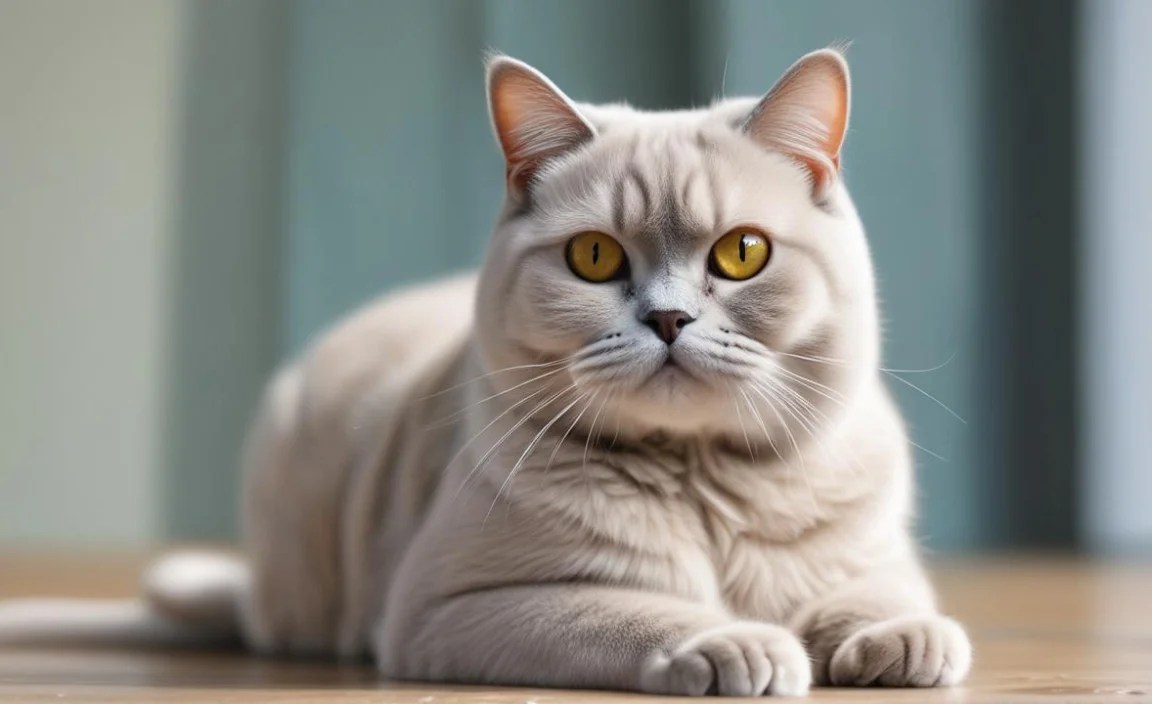
Even with the best care, you might encounter challenges. Here are some common issues and how to address them:
Excessive Grooming
If your cat is grooming excessively, it could be a sign of stress, allergies, or pain. Consult your veterinarian to rule out any underlying medical conditions.
Dull Coat
A dull coat can indicate a nutritional deficiency or underlying health issue. Ensure your cat is eating a high-quality diet and consult your veterinarian if the problem persists.
Sudden Hair Loss
Sudden hair loss can be a sign of a serious medical condition. Seek veterinary attention immediately.
Table: Comparing Hair Loss Causes and Solutions

Here’s a handy table to summarize the common causes of hair loss and their corresponding solutions:
| Cause | Symptoms | Solution |
|---|---|---|
| Poor Diet | Dull coat, thinning hair | Improve diet with high-quality food, supplement with omega fatty acids |
| Parasites | Itching, scratching, visible fleas or mites | Use vet-approved flea and mite prevention, regular checks |
| Allergies | Itching, skin irritation, hair loss | Identify and manage allergens, consult veterinarian |
| Stress | Excessive grooming, behavioral changes | Reduce stress, provide enrichment, create safe spaces |
| Ringworm | Circular patches of hair loss, redness | Antifungal medication, topical creams, environmental cleaning |
| Hormonal Imbalance | Hair loss, skin changes | Veterinary diagnosis and treatment |
FAQ: Preventing Hair Loss in British Shorthairs
Here are some frequently asked questions about preventing hair loss in British Shorthair cats:
Q: How much shedding is normal for a British Shorthair?
A: British Shorthairs are moderate to heavy shedders, especially during spring and fall. Regular grooming can help manage the shedding.
Q: Can stress cause hair loss in my cat?
A: Yes, stress can lead to excessive grooming and hair loss. Provide a calm and enriching environment to minimize stress.
Q: What are the best foods for preventing hair loss?
A: Look for high-quality cat foods that are rich in protein, omega fatty acids, and vitamins. Consult your veterinarian for specific recommendations.
Q: How often should I groom my British Shorthair?
A: Aim to groom your British Shorthair 2-3 times a week, increasing to daily during shedding season.
Q: When should I see a vet about my cat’s hair loss?
A: If you notice bald patches, excessive scratching, or changes in skin condition, consult your veterinarian promptly.
Q: Is ringworm contagious to humans?
A: Yes, ringworm is contagious to humans and other animals. Practice good hygiene and consult a doctor if you suspect you have ringworm.
Q: Can allergies cause hair loss in cats?
A: Yes, both food and environmental allergies can cause skin irritation and hair loss. Work with your veterinarian to identify and manage allergens.
Conclusion
Preventing hair loss in your British Shorthair requires a holistic approach that includes regular grooming, a balanced diet, parasite control, stress management, and regular veterinary check-ups. By following these steps and paying close attention to your cat’s overall health and well-being, you can help maintain a healthy, beautiful coat and ensure your feline friend lives a happy and comfortable life. Remember, early detection and intervention are key to addressing any underlying issues and preventing further hair loss. As always, consult with your veterinarian for personalized advice and treatment options tailored to your British Shorthair’s specific needs. With a little love and care, you can keep your British Shorthair’s coat looking its best!


