
British Shorthair Cat Mood Improvement: Proven Tips

Quick Summary:
Is your British Shorthair feeling a bit down? You can boost their mood by enriching their environment! Provide interactive toys, scratching posts, and high perches. Regular playtime, consistent routines, and plenty of attention are key. A healthy diet, clean litter box, and minimizing stress from other pets can also work wonders. If the low mood continues, consult your vet to rule out medical issues.
Is your usually cheerful British Shorthair suddenly seeming a bit… blah? It’s a common worry for us British Shorthair owners! These lovely cats can sometimes get a little down in the dumps. But don’t worry; there are lots of simple, effective ways to bring back their purrfectly content selves.
I’m Frances O’Brien, and after years of loving and understanding this wonderful breed, I’ve learned a trick or two about keeping them happy. I’ll walk you through easy-to-follow steps to identify what might be affecting your cat’s mood and how to improve it. Ready to turn that frown upside down? Let’s get started!
Understanding Your British Shorthair’s Mood

Before diving into solutions, it’s essential to understand what might be causing your British Shorthair’s change in mood. Cats, like humans, can experience periods of sadness or boredom. Here’s what to consider:
- Environmental Changes: Moving to a new home, rearranging furniture, or introducing new people or pets can cause stress.
- Lack of Stimulation: British Shorthairs are playful and intelligent. Without enough toys and activities, they can become bored and listless.
- Health Issues: Underlying medical conditions can manifest as changes in behavior.
- Routine Disruptions: Cats thrive on routine. Changes in feeding times, playtime, or attention can be unsettling.
- Social Isolation: Despite their independent nature, British Shorthairs enjoy companionship. Loneliness can affect their mood.
Step 1: Rule Out Medical Issues

The first and most crucial step is to ensure that your British Shorthair’s mood isn’t due to a health problem. Cats are masters at hiding pain, so a sudden change in behavior could be a sign of illness. According to the Cornell Feline Health Center, many health issues can affect a cat’s behavior. Here’s what to do:
- Schedule a Vet Visit: A thorough check-up can rule out underlying medical conditions.
- Describe Symptoms: Tell your vet about any other changes you’ve noticed, such as changes in appetite, litter box habits, or grooming behavior.
- Follow Vet’s Advice: If your cat is diagnosed with a medical condition, follow your vet’s treatment plan carefully.
Step 2: Enrich Their Environment

A stimulating environment can significantly improve your British Shorthair’s mood. Here’s how to create one:
- Provide Interactive Toys: Toys that mimic hunting, such as wand toys, puzzle feeders, and toy mice, can keep them entertained.
- Install Scratching Posts: Scratching is a natural behavior that relieves stress and keeps their claws healthy.
- Create High Perches: Cats love to climb and observe their surroundings from a high vantage point. Cat trees or shelves can provide this.
- Offer Window Views: A window perch where your cat can watch birds and squirrels can be very engaging.
Interactive Toy Ideas
Here’s a table of some interactive toys that will keep your British Shorthair entertained:
| Toy Type | Description | Benefits |
|---|---|---|
| Wand Toys | A toy attached to a wand that you can move around to mimic prey. | Encourages active play and fulfills their hunting instincts. |
| Puzzle Feeders | Toys that dispense food when manipulated correctly. | Provides mental stimulation and slows down eating. |
| Toy Mice | Small, lightweight toys that cats can bat around and chase. | Simple and fun, encourages pouncing and chasing. |
| Laser Pointers | A laser that creates a moving dot for cats to chase. (Use sparingly and always end with a tangible toy to “catch”). | Great for quick bursts of activity. |
Step 3: Increase Playtime and Interaction
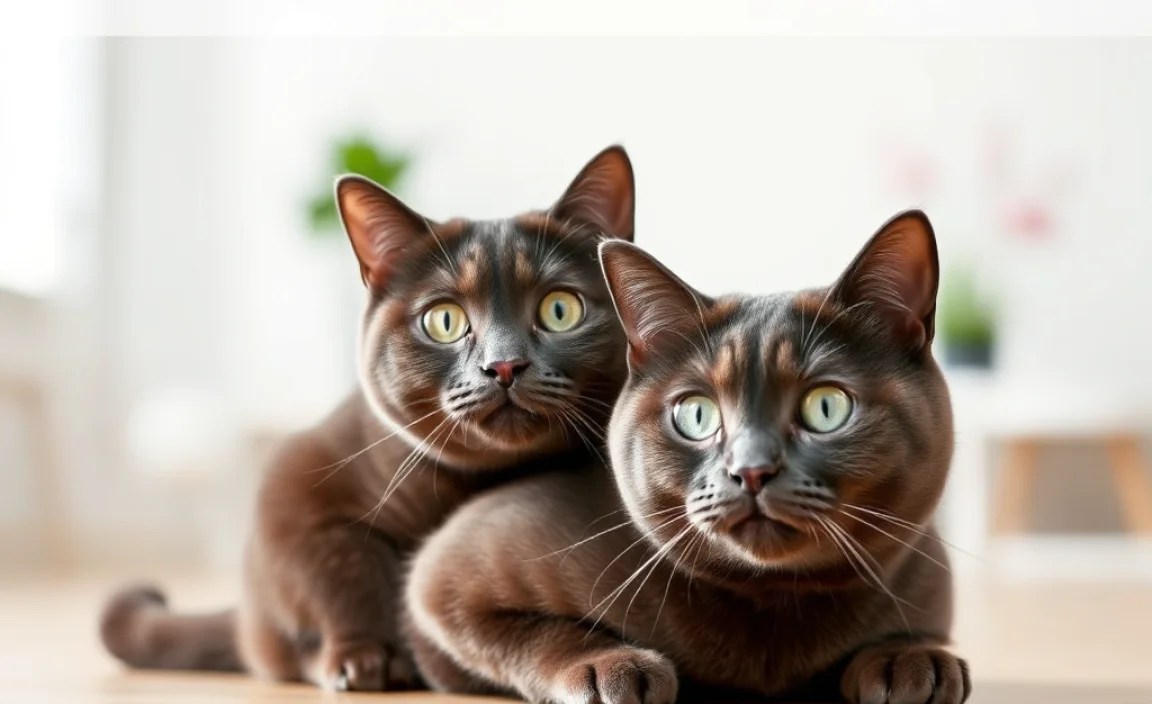
British Shorthairs enjoy playtime and attention from their owners. Regular interaction can boost their mood and strengthen your bond. Here’s how to do it:
- Schedule Daily Play Sessions: Aim for at least 15-20 minutes of active play each day.
- Use a Variety of Toys: Keep things interesting by rotating toys regularly.
- Provide Attention: Spend time petting, grooming, and talking to your cat.
Step 4: Maintain a Consistent Routine
Cats are creatures of habit, and a consistent routine can help them feel secure and content. Here’s how to establish one:
- Set Regular Feeding Times: Feed your cat at the same times each day.
- Maintain a Consistent Sleep Schedule: Provide a comfortable and quiet place for your cat to sleep.
- Stick to a Playtime Schedule: Incorporate playtime into your daily routine at predictable times.
Step 5: Optimize Their Diet
A healthy diet is essential for your British Shorthair’s overall well-being and mood. Proper nutrition can influence their energy levels and overall happiness. Here’s what to focus on:
- Feed a High-Quality Diet: Choose a cat food that is rich in protein and essential nutrients. Look for brands recommended by vets.
- Ensure Fresh Water: Always provide fresh, clean water. Some cats prefer running water from a fountain.
- Avoid Overfeeding: Obesity can lead to health problems and affect your cat’s mood. Follow the feeding guidelines on the food packaging and consult your vet.
Recommended Food Types
Here is a brief table of recommended food types for your British Shorthair:
| Food Type | Description | Benefits |
|---|---|---|
| Dry Food | Kibble that is convenient and helps with dental health. | Affordable, easy to store, and can help clean teeth. |
| Wet Food | Canned food with high moisture content. | Hydrating and often more palatable for picky eaters. |
| Raw Food | Uncooked meat, bones, and organs. | Mimics a cat’s natural diet but requires careful preparation and hygiene. |
| Prescription Diets | Formulated to manage specific health conditions. | Tailored nutrition for cats with allergies, kidney issues, or other health problems. |
Step 6: Keep the Litter Box Clean
A clean litter box is crucial for your cat’s comfort and hygiene. Cats are fastidious creatures, and a dirty litter box can cause stress and affect their mood. Here’s what to do:
- Scoop Daily: Remove solid waste at least once a day, or even twice if possible.
- Change Litter Regularly: Completely empty and clean the litter box weekly.
- Use the Right Litter: Experiment with different types of litter to find one your cat prefers.
- Provide Enough Litter Boxes: A general rule is to have one litter box per cat, plus one extra.
Step 7: Minimize Stress from Other Pets
If you have multiple pets, ensure that your British Shorthair feels safe and secure. Competition or conflict between pets can cause stress and affect their mood. Here’s how to minimize stress:
- Provide Separate Spaces: Each pet should have their own food bowl, water bowl, bed, and litter box.
- Introduce New Pets Gradually: When introducing a new pet, do it slowly and under supervision.
- Ensure Equal Attention: Spend time with each pet individually to prevent jealousy.
Step 8: Consider Feliway Diffusers
Feliway is a synthetic pheromone that mimics the natural facial pheromones of cats. It can help reduce stress and anxiety, creating a more relaxed environment. According to the RSPCA, Feliway can be particularly helpful in multi-cat households or during times of stress, such as moving or renovations. Here’s how to use it:
- Plug in a Diffuser: Place a Feliway diffuser in areas where your cat spends the most time.
- Use a Spray: Feliway spray can be used on bedding, scratching posts, and other areas where your cat likes to be.
Step 9: Provide Opportunities for Exploration
British Shorthairs are curious cats and enjoy exploring their environment. Providing opportunities for exploration can keep them mentally stimulated and prevent boredom. Here’s how to do it:
- Create a Safe Outdoor Space: If you have a yard, consider creating a cat-safe enclosure or using a harness and leash for supervised outdoor adventures.
- Offer Cardboard Boxes: Cats love to explore and hide in cardboard boxes. They provide a sense of security and are great for play.
- Rotate Toys and Furniture: Periodically rearrange furniture or introduce new toys to keep things interesting.
Step 10: Positive Reinforcement and Training
Training isn’t just for dogs! British Shorthairs are intelligent and can be trained using positive reinforcement techniques. This can be a fun way to bond with your cat and provide mental stimulation. Here’s how to do it:
- Use Treats and Praise: Reward your cat with treats and praise when they perform the desired behavior.
- Keep Training Sessions Short: Cats have short attention spans, so keep training sessions brief and positive.
- Teach Basic Commands: Start with simple commands like “sit” or “come.”
Step 11: When to Seek Professional Help
If you’ve tried these steps and your British Shorthair’s mood hasn’t improved, it may be time to seek professional help. A certified cat behaviorist or veterinary behaviorist can assess your cat’s behavior and provide personalized recommendations. Here are some signs that you should seek professional help:
- Persistent Lethargy: If your cat is consistently lethargic and uninterested in activities.
- Aggression: If your cat is displaying aggression towards you or other pets.
- Changes in Appetite: If your cat has a significant decrease or increase in appetite.
- Withdrawal: If your cat is hiding or avoiding interaction with you and others.
FAQ About British Shorthair Mood Improvement
Here are some frequently asked questions about improving your British Shorthair’s mood:
1. Why is my British Shorthair suddenly acting sad?
Sudden sadness in British Shorthairs can stem from various factors like environmental changes, health issues, or lack of stimulation. Check for any recent changes in their surroundings or routine, and consult your vet to rule out medical problems. Providing more playtime, interactive toys, and attention can also help perk them up.
2. How can I tell if my British Shorthair is depressed?
Signs of depression in British Shorthairs include loss of interest in activities, changes in appetite, increased sleeping, hiding, and decreased grooming. If you notice these symptoms, try enriching their environment and increasing interaction. If the behavior persists, consult your vet.
3. What are some good toys to cheer up my British Shorthair?
Interactive toys like wand toys, puzzle feeders, and toy mice are great for stimulating your British Shorthair. Rotate toys regularly to keep things interesting. Also, consider providing scratching posts and high perches to encourage activity and exploration.
4. Can a change in diet affect my British Shorthair’s mood?
Yes, diet plays a crucial role in your cat’s overall well-being. Ensure you’re feeding a high-quality diet rich in protein and essential nutrients. Dehydration can also affect mood, so always provide fresh, clean water. Consult your vet for specific dietary recommendations.
5. How important is routine for a British Shorthair’s happiness?
Routine is very important for British Shorthairs, as they thrive on consistency. Set regular feeding times, maintain a consistent sleep schedule, and incorporate playtime into their daily routine at predictable times. This helps them feel secure and content.
6. Is it normal for British Shorthairs to be lazy?
British Shorthairs are known for their relaxed and laid-back nature, but they still need regular exercise and mental stimulation. While they might not be as hyperactive as some other breeds, ensure they get enough playtime and interaction to prevent boredom and maintain a healthy weight.
7. How can I help my British Shorthair adjust to a new home?
When introducing your British Shorthair to a new home, provide a safe and quiet space where they can retreat. Gradually introduce them to other areas of the house. Use Feliway diffusers to help reduce stress and anxiety. Be patient and provide plenty of reassurance and attention.
Conclusion
Improving your British Shorthair’s mood involves a combination of environmental enrichment, consistent care, and attention to their physical and emotional needs. By ruling out medical issues, providing a stimulating environment, maintaining a routine, and offering plenty of love and interaction, you can help your furry friend regain their happy, purrfect selves.
Remember, every cat is unique, so it may take some experimentation to find what works best for your British Shorthair. Be patient, observant, and always prioritize their well-being. With a little effort and understanding, you can ensure that your British Shorthair lives a happy and fulfilling life. And if you’re ever concerned, don’t hesitate to reach out to your vet or a cat behaviorist for professional guidance. After all, a happy cat makes for a happy home!


