
British Shorthair Grooming for Lustrous Fur: Secret Tips

Achieving a lustrous fur coat on your British Shorthair involves regular brushing (2-3 times a week, daily during shedding season), a high-quality diet rich in Omega-3 fatty acids, and occasional bathing (every 1-3 months). Regular nail trims and dental care also contribute to overall health, reflecting in a beautiful, shiny coat.
Is your British Shorthair’s fur looking a little dull? Don’t worry, you’re not alone! Many owners find it tricky to keep that plush coat looking its best. The good news is, with a few simple steps, you can unlock the secret to a truly lustrous fur. We’ll walk you through brushing techniques, diet tips, and even bathing advice. Get ready to make your British Shorthair the envy of every cat in the neighborhood!
Understanding the British Shorthair Coat

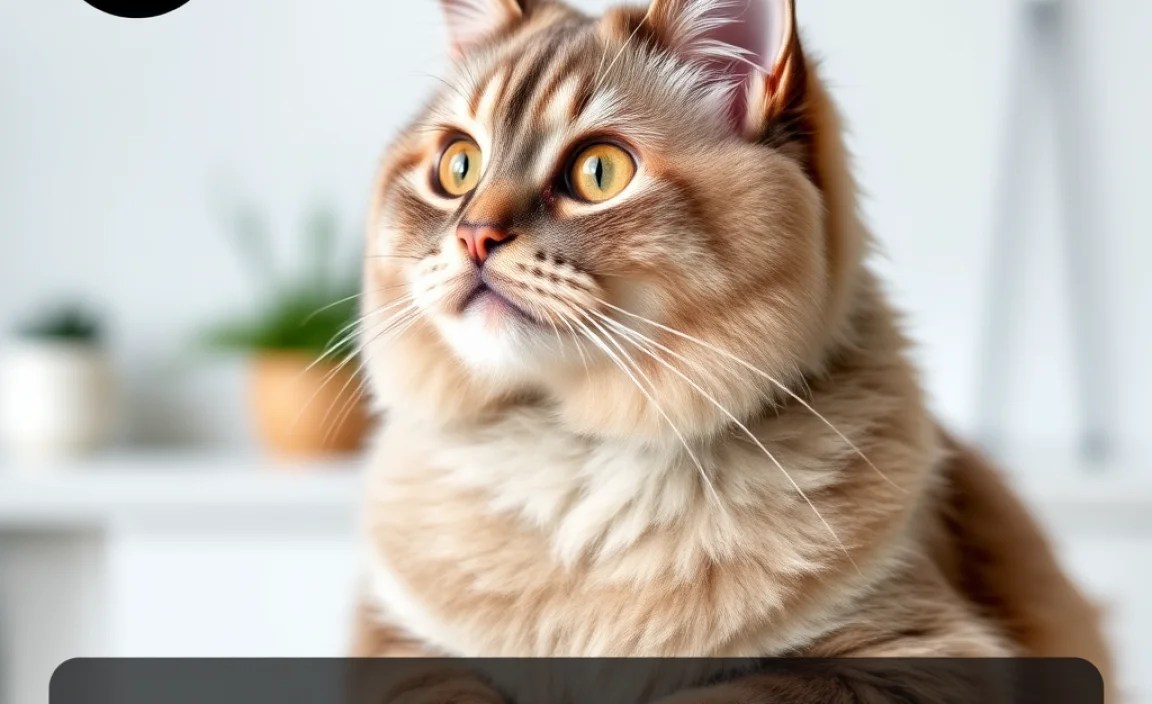
The British Shorthair is famous for its dense, plush coat, often described as having a “crisp” feel. Unlike some breeds with a silky or smooth coat, the British Shorthair has a unique texture due to its even, short hairs. This plushness comes from a thick undercoat, which, while beautiful, can be prone to shedding and matting if not properly cared for. As a proud owner of BritishShorthairAsk.com, I’ve seen firsthand how proper grooming can transform a cat’s appearance and well-being.
The Double Coat Explained
The British Shorthair possesses a double coat, which means it has two layers of fur: an undercoat and an outer coat. The undercoat is soft and dense, providing insulation, while the outer coat is coarser and acts as a protective layer. This double coat is what gives the British Shorthair its characteristic plush appearance. However, it also means they are moderate to heavy shedders, especially during seasonal changes.
Seasonal Shedding
Like many double-coated breeds, British Shorthairs experience seasonal shedding, typically in the spring and fall. During these times, they lose a significant amount of fur as they adjust to temperature changes. Increased grooming is essential during these periods to prevent matting and hairballs. Neglecting grooming can lead to discomfort for your cat and a less-than-lustrous coat.
Essential Grooming Tools

Having the right tools makes all the difference in your grooming routine. Here are some essentials I recommend, based on years of experience with British Shorthairs:
- Slicker Brush: Excellent for removing loose fur and detangling.
- Undercoat Rake: Designed to reach through the outer coat and remove loose undercoat.
- Metal Comb: Useful for checking for mats and tangles after brushing.
- Nail Clippers: To keep your cat’s claws trimmed and healthy.
- Pet Shampoo: Specifically formulated for cats, for occasional baths.
- Soft Towel: For drying your cat after a bath.
Step-by-Step Grooming Guide

Here’s a detailed guide to help you keep your British Shorthair’s coat in top condition. Remember, consistency is key!
Step 1: Brushing Techniques
Regular brushing is the cornerstone of a healthy, lustrous coat. Aim to brush your British Shorthair 2-3 times a week, and daily during shedding season. Start with a slicker brush to remove loose fur and then follow up with an undercoat rake to reach deeper into the coat.
- Start with the Slicker Brush: Gently brush in the direction of hair growth, paying attention to areas prone to matting, such as behind the ears and under the legs.
- Use the Undercoat Rake: Gently run the rake through the coat, using short, shallow strokes. Be careful not to apply too much pressure, as this can irritate the skin.
- Finish with a Metal Comb: Use the comb to check for any remaining mats or tangles. Gently work through any knots you find.
Step 2: Bathing Your British Shorthair
British Shorthairs don’t require frequent baths, as they are generally good at keeping themselves clean. However, occasional bathing can help remove excess oil and dirt, leaving their coat looking fresh and shiny. Aim to bathe your cat every 1-3 months, or as needed.
- Prepare the Bath: Fill a sink or tub with lukewarm water. Make sure the water is not too hot or too cold.
- Wet Your Cat: Gently wet your cat’s fur, avoiding the face and ears.
- Apply Shampoo: Apply a small amount of pet shampoo and lather gently, working from head to tail.
- Rinse Thoroughly: Rinse your cat thoroughly, making sure to remove all traces of shampoo.
- Dry Your Cat: Use a soft towel to dry your cat as much as possible. You can also use a pet-safe hair dryer on a low setting, if your cat tolerates it.
Step 3: Nail Trimming
Regular nail trimming is essential for your cat’s comfort and health. Overgrown nails can become painful and can also damage furniture. Aim to trim your cat’s nails every 2-3 weeks.
- Get Your Cat Comfortable: Hold your cat in a comfortable position and gently massage their paws.
- Extend the Claw: Gently press on the paw pad to extend the claw.
- Trim the Tip: Use pet nail clippers to trim the tip of the claw, being careful to avoid the quick (the pink part of the nail containing blood vessels and nerves).
- Reward Your Cat: Give your cat a treat and plenty of praise after trimming their nails.
Step 4: Dental Care
Good dental hygiene is crucial for your cat’s overall health. Regular teeth cleaning can prevent dental disease, which can lead to other health problems. Aim to brush your cat’s teeth several times a week.
- Introduce Toothbrushing Gradually: Start by letting your cat lick a small amount of pet toothpaste from your finger.
- Use a Pet Toothbrush: Use a soft-bristled pet toothbrush to gently brush your cat’s teeth, focusing on the outer surfaces.
- Reward Your Cat: Give your cat a treat and plenty of praise after brushing their teeth.
The Role of Diet in Coat Health

A high-quality diet is essential for maintaining a healthy, lustrous coat. Look for cat food that is rich in protein, essential fatty acids, and vitamins. Here’s a breakdown:
Essential Nutrients for a Shiny Coat
- Omega-3 and Omega-6 Fatty Acids: These fatty acids help to nourish the skin and coat, promoting shine and reducing inflammation.
- Protein: Adequate protein is essential for hair growth and repair.
- Vitamins and Minerals: Vitamins A, E, and B vitamins, as well as minerals like zinc and copper, are important for overall coat health.
Choosing the Right Cat Food
When choosing cat food, look for options that list a specific animal protein (such as chicken, fish, or lamb) as the first ingredient. Avoid foods that are high in fillers, such as corn and wheat. Consider consulting with your veterinarian for recommendations tailored to your cat’s specific needs.
Addressing Common Coat Problems
Even with the best grooming routine, you may encounter some common coat problems. Here’s how to address them:
Matting
Matting occurs when the fur becomes tangled and forms dense knots. Regular brushing can help prevent matting, but if mats do form, you’ll need to carefully remove them. Use a mat splitter or blunt-nosed scissors to gently separate the mat from the surrounding fur. Be extremely careful not to cut your cat’s skin.
Dull Coat
A dull coat can be a sign of poor nutrition, dehydration, or underlying health problems. Make sure your cat is eating a high-quality diet and has access to fresh water at all times. If the dullness persists, consult with your veterinarian to rule out any medical issues.
Excessive Shedding
Some shedding is normal, especially during seasonal changes. However, excessive shedding can be a sign of stress, allergies, or other health problems. Increase brushing during shedding season and consult with your veterinarian if you’re concerned about excessive hair loss.
Creating a Positive Grooming Experience
Grooming should be a positive experience for both you and your cat. Here are some tips to make the process more enjoyable:
- Start Early: Introduce grooming to your cat as a kitten to help them get used to it.
- Be Gentle: Use gentle, slow movements and avoid pulling or tugging on the fur.
- Use Positive Reinforcement: Reward your cat with treats and praise during and after grooming sessions.
- Keep Sessions Short: Start with short grooming sessions and gradually increase the duration as your cat becomes more comfortable.
- Choose the Right Time: Groom your cat when they are relaxed and receptive, such as after a meal or playtime.
When to Consult a Veterinarian
While most coat problems can be managed at home, there are times when it’s important to consult a veterinarian. See a vet if you notice any of the following:
- Sudden or severe hair loss
- Skin lesions or inflammation
- Excessive scratching or licking
- Changes in appetite or behavior
These symptoms could indicate an underlying health problem that requires medical attention.
British Shorthair Grooming: Dos and Don’ts
Here’s a quick reference table summarizing the key dos and don’ts for grooming your British Shorthair:
| Do | Don’t |
|---|---|
| Brush regularly (2-3 times a week) | Over-bathe (once every 1-3 months is usually enough) |
| Use high-quality grooming tools | Use human shampoo (it can dry out their skin) |
| Provide a balanced, nutritious diet | Ignore mats and tangles |
| Trim nails regularly | Cut the quick when trimming nails |
| Make grooming a positive experience | Force your cat if they’re stressed |
| Check for skin issues regularly | Ignore signs of skin irritation |
The Benefits of Regular Grooming
Regular grooming is more than just about aesthetics; it’s an essential part of your British Shorthair’s overall health and well-being.
- Reduces Shedding: Regular brushing removes loose fur, minimizing shedding around your home.
- Prevents Matting: Brushing helps prevent mats and tangles, which can be painful and uncomfortable for your cat.
- Stimulates Circulation: Brushing stimulates blood flow to the skin, promoting healthy hair growth.
- Early Detection of Problems: Grooming provides an opportunity to check for lumps, bumps, or other skin abnormalities.
- Strengthens Bond: Grooming can be a bonding experience for you and your cat, strengthening your relationship.
Expert Tips for a Lustrous Coat
As someone who has dedicated years to understanding and caring for British Shorthairs, here are a few extra tips I’ve learned along the way:
- Consider a Grooming Glove: These gloves have small rubber tips that gently massage the skin while removing loose fur. Many cats find them less intimidating than a brush.
- Use a Leave-In Conditioner: A small amount of leave-in conditioner can help to detangle the fur and add shine. Look for products specifically formulated for cats.
- Add Omega-3 Supplements: If your cat’s diet is lacking in omega-3 fatty acids, consider adding a supplement to their food. Consult with your veterinarian for dosage recommendations.
- Maintain a Clean Environment: Regularly clean your cat’s bedding and living areas to minimize exposure to allergens and irritants.
British Shorthair Grooming for Seniors
As British Shorthairs age, their grooming needs may change. Senior cats may be less able to groom themselves effectively, so they may require more frequent brushing. They may also be more prone to matting, especially if they have arthritis or other mobility issues.
Be extra gentle when grooming senior cats, and consider using a soft brush or grooming glove. If your senior cat is resistant to grooming, try breaking the sessions into shorter intervals. Your older cat will appreciate the extra care and attention.
FAQ: British Shorthair Grooming
How often should I brush my British Shorthair?
You should aim to brush your British Shorthair 2-3 times a week to prevent matting and reduce shedding. During shedding season (spring and fall), daily brushing is recommended.
Do British Shorthairs need baths?
British Shorthairs don’t require frequent baths, as they are generally good at keeping themselves clean. Bathing every 1-3 months, or as needed, is usually sufficient.
What kind of brush is best for a British Shorthair?
A combination of a slicker brush and an undercoat rake works best for British Shorthairs. The slicker brush removes loose fur, while the undercoat rake reaches deeper into the coat to remove loose undercoat.
How can I prevent matting in my British Shorthair’s fur?
Regular brushing is the best way to prevent matting. Pay special attention to areas prone to matting, such as behind the ears and under the legs. Addressing mats as soon as they begin is key.
What should I do if my British Shorthair hates being groomed?
Start by introducing grooming slowly and gently. Use positive reinforcement, such as treats and praise, to create a positive association with grooming. Keep grooming sessions short and gradually increase the duration as your cat becomes more comfortable.
Can diet affect my British Shorthair’s coat?
Yes, a high-quality diet is essential for maintaining a healthy, lustrous coat. Look for cat food that is rich in protein, essential fatty acids, and vitamins.
When should I see a vet about my cat’s coat?
Consult a veterinarian if you notice sudden or severe hair loss, skin lesions or inflammation, excessive scratching or licking, or changes in appetite or behavior. These symptoms could indicate an underlying health problem that requires medical attention.
Conclusion
Achieving a lustrous fur coat on your British Shorthair is a rewarding journey that combines consistent grooming practices with a keen understanding of their unique needs. From regular brushing and occasional baths to a nutrient-rich diet, each step plays a vital role in enhancing your cat’s appearance and overall well-being. Remember, grooming is not just about aesthetics; it’s an act of love that strengthens the bond between you and your feline companion. By following these guidelines and staying attuned to your cat’s individual needs, you’ll be well on your way to showcasing the breathtaking beauty of their plush, shimmering coat.


