
British Shorthair Grooming for Coat Strength: Secret?

Quick Summary: Want a healthy, strong coat for your British Shorthair? Regular brushing (2-3 times a week) is key to remove loose fur and prevent mats. A good diet rich in omega-3 fatty acids supports coat health from the inside out. Occasional baths (every few months) with a cat-specific shampoo can help, too. And don’t forget regular vet checkups to rule out underlying health issues that can affect coat quality.
Is your British Shorthair’s coat looking a little lackluster? Maybe you’ve noticed more shedding than usual, or perhaps their fur just doesn’t seem as plush and healthy as it should be. Don’t worry, you’re not alone! A strong, healthy coat is a sign of a happy cat, and it’s something all British Shorthair owners want for their furry friends. The good news is, with the right grooming routine and a few simple tweaks to their care, you can help your British Shorthair achieve a coat that’s both beautiful and strong.
In this guide, I’ll walk you through everything you need to know about grooming your British Shorthair for optimal coat health. We’ll cover brushing techniques, bathing tips, diet recommendations, and even how to spot potential health issues that could be affecting their fur. Get ready to unlock the secrets to a strong, shiny, and oh-so-cuddly coat!
Understanding the British Shorthair Coat

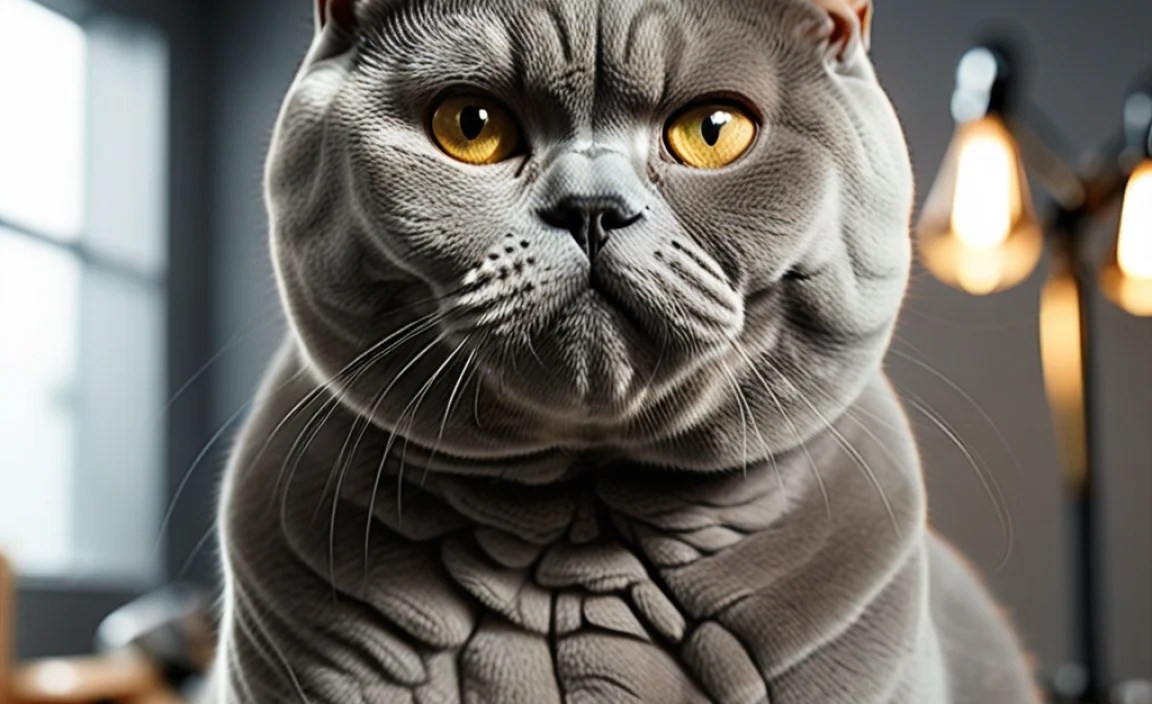
Before we dive into the grooming specifics, let’s take a moment to understand what makes the British Shorthair’s coat so unique. These cats are known for their dense, plush fur, often described as “crisp” to the touch. This distinctive texture is due to the even length of the guard hairs and the undercoat, giving them a teddy bear-like appearance. But that density also means their coat requires special attention to stay healthy and strong.
The Double Coat
British Shorthairs have a double coat, which means they have two layers of fur: an outer layer of guard hairs and a soft, dense undercoat. The guard hairs protect the skin from the elements, while the undercoat provides insulation. This double coat is what gives them their characteristic plushness. However, it also makes them prone to shedding and matting if not properly groomed.
Seasonal Shedding
Like many double-coated breeds, British Shorthairs experience seasonal shedding, typically in the spring and fall. During these times, they’ll shed more heavily as they adjust to the changing temperatures. This is a natural process, but it can be minimized with regular grooming.
Essential Grooming Tools for British Shorthairs

Having the right tools can make all the difference in your grooming routine. Here are some essentials for keeping your British Shorthair’s coat in top condition:
- Slicker Brush: A slicker brush is a must-have for removing loose fur and preventing mats. Look for one with fine, angled bristles that can penetrate the dense coat.
- Metal Comb: A metal comb is great for detangling knots and ensuring you’ve removed all the loose fur. Choose one with wide-set teeth and rounded tips to avoid irritating the skin.
- Deshedding Tool: A deshedding tool, like the FURminator, can be helpful during shedding season to remove large amounts of loose undercoat. Use it sparingly to avoid over-grooming.
- Soft Bristle Brush: A soft bristle brush is perfect for finishing the grooming session and smoothing the coat. It also helps to distribute natural oils and add shine.
- Cat Shampoo: When it’s time for a bath, use a shampoo specifically formulated for cats. Avoid human shampoos, as they can be too harsh and drying.
- Nail Clippers: Regular nail trims are important for your cat’s overall health and comfort. Use clippers designed for cats and be careful not to cut too close to the quick.
Step-by-Step Grooming Guide for a Strong Coat

Now that you have your tools ready, let’s get into the grooming process. Follow these steps to keep your British Shorthair’s coat healthy and strong:
Step 1: Brushing (2-3 Times a Week)
Regular brushing is the foundation of a healthy coat. Aim to brush your British Shorthair 2-3 times a week, or even daily during shedding season.
- Start with the Slicker Brush: Gently brush your cat’s coat, starting at the head and working your way down to the tail. Be sure to brush in the direction of hair growth.
- Pay Attention to Problem Areas: Focus on areas prone to matting, such as behind the ears, under the legs, and around the tail.
- Use the Metal Comb: After brushing with the slicker brush, use the metal comb to check for any remaining knots or tangles. Gently work through any knots you find.
- Finish with the Soft Bristle Brush: Use the soft bristle brush to smooth the coat and distribute natural oils.
Step 2: Bathing (Every Few Months)
British Shorthairs don’t need to be bathed very often, as they are generally good at keeping themselves clean. However, an occasional bath can help to remove dirt and excess oil, leaving their coat fresh and shiny. Aim to bathe your cat every few months, or as needed.
- Prepare the Bath: Fill a sink or tub with lukewarm water. Make sure the water isn’t too hot or too cold.
- Wet the Coat: Gently wet your cat’s coat with the water, avoiding the head and ears.
- Apply Shampoo: Apply a small amount of cat shampoo to your cat’s coat and massage it in gently. Be sure to work the shampoo into the undercoat.
- Rinse Thoroughly: Rinse your cat’s coat thoroughly with lukewarm water until all the shampoo is gone.
- Dry the Coat: Gently towel-dry your cat’s coat. You can also use a hair dryer on a low, cool setting, but be careful not to overheat your cat.
Step 3: Nail Trimming (Every 2-3 Weeks)
Regular nail trims are important for your cat’s comfort and to prevent them from scratching furniture. Aim to trim your cat’s nails every 2-3 weeks.
- Get Your Cat Comfortable: Start by getting your cat comfortable with having their paws handled. Gently massage their paws and toes.
- Extend the Nail: Gently squeeze your cat’s toe to extend the nail.
- Clip the Tip: Use cat nail clippers to clip the tip of the nail, being careful to avoid the quick (the pink part of the nail that contains blood vessels and nerves).
- Reward Your Cat: After trimming your cat’s nails, give them a treat or some praise to reinforce positive behavior.
Step 4: Ear Cleaning (As Needed)
Check your cat’s ears regularly for dirt and wax buildup. Clean their ears as needed using a cat-specific ear cleaner and cotton balls. Never insert cotton swabs into your cat’s ear canal.
- Apply Ear Cleaner: Apply a small amount of ear cleaner to a cotton ball.
- Wipe the Ear: Gently wipe the inside of your cat’s ear with the cotton ball, removing any dirt or wax.
- Repeat as Needed: Repeat the process until the cotton ball comes away clean.
The Role of Diet in Coat Strength

Grooming is essential, but a healthy coat starts from the inside out. A balanced diet plays a crucial role in maintaining your British Shorthair’s coat strength and shine.
Essential Nutrients
Make sure your cat’s diet includes these essential nutrients for optimal coat health:
- Protein: Protein is the building block of hair, so it’s essential for a strong, healthy coat. Look for cat food with a high-quality protein source, such as chicken, fish, or turkey.
- Omega-3 Fatty Acids: Omega-3 fatty acids help to reduce inflammation and promote healthy skin and coat. These can be found in fish oil supplements or cat food that contains fish oil.
- Omega-6 Fatty Acids: Omega-6 fatty acids also contribute to healthy skin and coat. These can be found in poultry fat and plant-based oils.
- Vitamins and Minerals: Vitamins and minerals, such as vitamin E, vitamin A, and zinc, are important for overall health and can also contribute to a healthy coat.
Choosing the Right Cat Food
When choosing cat food, look for a high-quality brand that is specifically formulated for cats. Avoid foods with artificial colors, flavors, and preservatives. Consider options rich in omega-3 and omega-6 fatty acids. Talk to your vet for specific recommendations tailored to your cat’s needs. Brands like Royal Canin and Purina Pro Plan often have breed-specific formulas that can be beneficial.
Supplementing Your Cat’s Diet
If you’re concerned that your cat isn’t getting enough of certain nutrients, you can supplement their diet with fish oil or other supplements. However, it’s always best to talk to your vet before adding any supplements to your cat’s diet to ensure they are safe and appropriate. According to the Purina website, you should always consult with your vet before introducing supplements to your cat’s diet.
Recognizing and Addressing Coat Problems
Even with the best grooming and diet, your British Shorthair may still experience coat problems from time to time. Here are some common issues and how to address them:
Excessive Shedding
While some shedding is normal, excessive shedding can be a sign of a problem. It could be due to allergies, stress, or an underlying health condition. If you’re concerned about your cat’s shedding, talk to your vet to rule out any medical issues.
Dull Coat
A dull coat can be a sign of poor nutrition or dehydration. Make sure your cat is eating a high-quality diet and has access to fresh water at all times. You can also try adding a fish oil supplement to their diet to improve coat shine.
Matting
Matting occurs when the fur becomes tangled and forms dense clumps. It’s more common in long-haired cats, but it can also occur in British Shorthairs, especially if they’re not groomed regularly. To remove mats, gently work them out with your fingers or a metal comb. If the mats are severe, you may need to have them professionally removed by a groomer or vet.
Hair Loss
Hair loss can be a sign of a variety of health problems, including allergies, skin infections, and hormonal imbalances. If your cat is experiencing hair loss, it’s important to see your vet to determine the cause and get appropriate treatment.
| Problem | Possible Causes | Solutions |
|---|---|---|
| Excessive Shedding | Allergies, stress, poor diet, underlying health condition | Consult vet, improve diet, reduce stress, groom regularly |
| Dull Coat | Poor nutrition, dehydration | Improve diet, ensure adequate hydration, add fish oil supplement |
| Matting | Lack of grooming | Regular brushing, professional grooming if necessary |
| Hair Loss | Allergies, skin infections, hormonal imbalances | Consult vet for diagnosis and treatment |
When to Consult a Veterinarian
While many coat problems can be addressed with grooming and diet changes, some may require veterinary attention. It’s important to consult your vet if you notice any of the following:
- Sudden or severe hair loss
- Skin lesions or inflammation
- Excessive scratching or licking
- Changes in appetite or behavior
These symptoms could indicate an underlying health condition that needs to be treated by a veterinarian. Regular checkups with your vet are essential for maintaining your cat’s overall health and preventing serious problems. According to the RSPCA, regular check-ups are vital to help your cat stay happy and healthy.
Tips for Making Grooming a Positive Experience
Grooming doesn’t have to be a stressful experience for you or your cat. Here are some tips for making it a positive experience for both of you:
- Start Early: Introduce your cat to grooming as a kitten to help them get used to it.
- Be Gentle: Always be gentle when grooming your cat. Avoid pulling or tugging on their fur.
- Use Positive Reinforcement: Reward your cat with treats or praise during and after grooming sessions.
- Keep Sessions Short: Start with short grooming sessions and gradually increase the duration as your cat becomes more comfortable.
- Find a Comfortable Spot: Groom your cat in a quiet, comfortable spot where they feel safe and relaxed.
- Be Patient: Some cats may take longer to get used to grooming than others. Be patient and don’t get discouraged if your cat resists at first.
British Shorthair Grooming for Coat Strength: FAQs
Here are some frequently asked questions about British Shorthair grooming:
- How often should I brush my British Shorthair?
- You should aim to brush your British Shorthair 2-3 times a week to remove loose fur and prevent mats. During shedding season, you may need to brush them more frequently.
- Do British Shorthairs need baths?
- British Shorthairs don’t need to be bathed very often, as they are generally good at keeping themselves clean. Aim to bathe them every few months, or as needed.
- What kind of brush is best for a British Shorthair?
- A slicker brush is a great option for removing loose fur and preventing mats. A metal comb is also helpful for detangling knots and ensuring you’ve removed all the loose fur.
- Can I use human shampoo on my British Shorthair?
- No, you should never use human shampoo on your British Shorthair. Human shampoos can be too harsh and drying for cats’ skin. Always use a shampoo specifically formulated for cats.
- How can I reduce shedding in my British Shorthair?
- Regular brushing is the best way to reduce shedding. You can also try adding a fish oil supplement to your cat’s diet to promote healthy skin and coat. Ensure they are well-hydrated too.
- What are signs of coat problems in British Shorthairs?
- Signs of coat problems include excessive shedding, a dull coat, matting, and hair loss. If you notice any of these signs, it’s important to consult your vet.
- Is professional grooming necessary for British Shorthairs?
- While you can groom your British Shorthair at home, professional grooming can be helpful, especially if your cat has severe mats or is difficult to handle. A professional groomer can also provide other services, such as nail trimming and ear cleaning.
Conclusion
Grooming is an essential part of caring for your British Shorthair and ensuring they have a strong, healthy coat. By following the tips in this guide, you can keep your cat’s fur looking its best and prevent common coat problems. Remember, regular brushing, a balanced diet, and occasional baths are key to maintaining a healthy, shiny coat. And don’t forget to consult your vet if you have any concerns about your cat’s health or coat condition. With a little time and effort, you can help your British Shorthair achieve a coat that’s both beautiful and strong, making them an even more cuddly and lovable companion.


