
Encouraging British Shorthairs to Climb: Easy Guide

Have you ever seen a cat climb a tree? Cats are known for their climbing skills. But what about British Shorthairs? These cats are fluffy and cute. They are not always known for climbing. Can we change that? Encouraging British Shorthairs to climb can be fun. It can also be good for their health.
British Shorthairs are sturdy cats. They often prefer to be on the ground. But with the right steps, they can enjoy climbing. Let’s learn how to help them. We can make climbing safe and fun for your cat. Are you ready to help your British Shorthair climb?
Some people think British Shorthairs are lazy. This is not true. They are just more relaxed than other cats. They still need exercise and fun. Climbing can be a great way to give them that. Encouraging British Shorthairs to climb can help them stay active. It can also help them explore their surroundings in a new way.
Key Takeaways
- Encouraging British Shorthairs to climb improves their physical and mental well-being.
- Start with low and stable climbing structures to build their confidence safely.
- Use positive reinforcement like treats and praise to motivate your cat.
- Make climbing fun by incorporating toys and interactive play sessions.
- Always supervise initial climbing sessions to prevent accidents and ensure safety.
Why Aren’t British Shorthairs Natural Climbers?

British Shorthairs are special cats. They are known for their round faces and plush coats. Unlike some other breeds, they are not natural climbers. Why is this? It has to do with their body type. They have a sturdy, muscular build. This makes them less agile than leaner cats. They are also often more cautious. This means they might be less likely to take risks. But, this doesn’t mean they can’t climb. Encouraging British Shorthairs to climb just takes a little patience. It also requires the right approach. We must consider their unique needs. We can help them discover their inner climber.
Understanding their breed is key. British Shorthairs were originally working cats. They were used to control rodents in barns. This required strength, not necessarily agility. Their short legs and dense bodies give them stability. They are less prone to jumping high. They prefer to be on the ground. However, with the right motivation, they can still enjoy climbing. We need to create a safe and inviting environment for them. This will encourage them to explore their climbing abilities. Remember, every cat is different. Some British Shorthairs might take to climbing quickly. Others might need more time and encouragement.
- British Shorthairs have a sturdy build.
- They were originally working cats on farms.
- Their body type makes them less agile.
- They are often more cautious than other breeds.
- With patience, they can still learn to climb.
It’s important to remember that encouraging British Shorthairs to climb is about more than just physical activity. It’s about mental stimulation too. Climbing allows them to explore their environment from a different perspective. It can also help them feel more confident and secure. When you introduce climbing, do it gradually. Start with low, stable structures. Make sure they feel safe and supported. Use positive reinforcement like treats and praise to motivate them. Over time, you can gradually increase the height and complexity of the climbing structures. This will help them build their confidence and skills.
Fun Fact or Stat: British Shorthairs were one of the original breeds shown at the first cat shows in England in the 1870s!
Body Type Considerations
Do you know about your British Shorthair’s body? Their body type is important. It affects how they move. British Shorthairs are not as slender as other cats. This can make climbing harder. But, it does not make it impossible. We just need to consider their build. Encouraging British Shorthairs to climb requires understanding their limitations. We should focus on safe and stable climbing options. This will help them build confidence.
British Shorthairs are known for their rounded features and dense bone structure. This gives them a solid, sturdy appearance. While this build is great for stability, it can make agility more challenging. When considering climbing, it’s important to provide structures that are easy to grip and navigate. Avoid anything too steep or unstable. Their weight distribution also plays a role. They carry more weight in their front end. This can make it harder for them to pull themselves up. Consider this when designing climbing spaces. Gradual inclines and plenty of resting spots can make a big difference. Remember, the goal is to make climbing enjoyable and safe for your British Shorthair. This will help them stay active and engaged.
Temperament and Confidence
British Shorthairs have sweet personalities. They are often calm and gentle. But, they can also be a bit shy. This can affect their willingness to climb. Encouraging British Shorthairs to climb requires patience. We need to build their confidence. We can do this by starting small. We can also use positive reinforcement. This will help them feel more comfortable and secure.
A cat’s temperament plays a huge role in how they approach new activities. British Shorthairs are known for their laid-back and easy-going nature. While this is a wonderful trait, it can also mean they are less adventurous than some other breeds. Building their confidence is key to encouraging them to climb. Start with simple steps. Make sure they feel safe and secure. Never force them to do anything they are not comfortable with. Positive reinforcement is your best friend. Use treats, praise, and gentle encouragement to reward their efforts. Over time, they will start to associate climbing with positive experiences. This will help them become more confident and willing to explore higher places. Remember, every cat is different. Some might take to climbing quickly. Others might need more time and patience.
Starting Slowly
How do you teach a cat to climb? The best way is to start slowly. Don’t expect them to climb high right away. Encouraging British Shorthairs to climb means taking small steps. Begin with low platforms. Make sure they are stable. Use treats to lure them up. Praise them when they try. This will help them build confidence. Soon, they will be climbing like pros.
When introducing your British Shorthair to climbing, it’s important to take a gradual approach. Start with low, stable platforms that are easy to access. You can use things like sturdy boxes, small cat trees, or even a low shelf. Place treats or toys on the platform to encourage your cat to investigate. When they approach the platform, praise them and offer a reward. Once they are comfortable exploring the low platforms, you can gradually increase the height. Make sure the climbing structures are stable and secure. British Shorthairs are not as agile as some other breeds, so they need a solid base to feel confident. Avoid anything that wobbles or seems unstable. This could scare them and discourage them from climbing. Remember, patience is key. It might take some time for your British Shorthair to warm up to the idea of climbing. But with persistence and positive reinforcement, you can help them discover their inner climber.
Choosing the Right Climbing Structures

Choosing the right climbing structures is key. Not all cat trees are created equal. Some are too tall or unstable for British Shorthairs. We need to find structures that are safe and easy for them to use. Encouraging British Shorthairs to climb starts with the right equipment. Look for sturdy cat trees with wide platforms. Avoid anything too wobbly. Make sure the platforms are easy to reach. This will help your cat feel more comfortable.
Consider the height and stability of the climbing structures. British Shorthairs are not as agile as some other breeds. They need structures that are easy to navigate. Look for cat trees with multiple levels and wide platforms. This will give them plenty of space to move around. Avoid anything that is too tall or narrow. This could make them feel insecure. Also, make sure the base of the cat tree is sturdy. It should not wobble or tip over easily. British Shorthairs are heavier than some other breeds. They need a solid foundation to feel safe. Think about the materials used in the climbing structures. Choose something that is durable and easy to clean. Sisal rope is a great option for scratching posts. It is tough and long-lasting. Carpet is also a good choice for platforms. It provides a soft, comfortable surface for your cat to rest on.
| Feature | Good Choice | Bad Choice |
|---|---|---|
| Height | Medium (3-4 feet) | Tall (5+ feet) |
| Stability | Sturdy base | Wobbly base |
| Platform Size | Wide platforms | Narrow platforms |
| Material | Sisal rope, carpet | Slick surfaces |
When you are encouraging British Shorthairs to climb, remember that safety is the most important thing. Always supervise your cat when they are using the climbing structures. Make sure they are not struggling or feeling uncomfortable. If they seem hesitant, try luring them with treats or toys. Over time, they will become more confident. They will start to enjoy exploring their new climbing space. Remember, every cat is different. Some might take to climbing quickly. Others might need more time and encouragement. Be patient and supportive. Your British Shorthair will eventually discover the joy of climbing.
Fun Fact or Stat: A cat tree is sometimes called a cat condo, cat house, or cat tower!
Height and Stability
How tall should a cat tree be? For British Shorthairs, shorter is better. They are not as agile as other cats. A tall cat tree might scare them. Encouraging British Shorthairs to climb means choosing stable structures. A wobbly cat tree is a no-no. Look for a tree with a wide base. This will keep it from tipping over.
When selecting a cat tree for your British Shorthair, height and stability are crucial factors. Avoid cat trees that are too tall, as they can be intimidating for this breed. A medium-sized cat tree, around 3-4 feet tall, is usually a good choice. This provides enough climbing space without being overwhelming. Stability is also essential. British Shorthairs are not as agile as some other breeds. They need a cat tree that is sturdy and won’t wobble when they climb on it. Look for cat trees with a wide base and a solid construction. You can also add extra weight to the base for added stability. Consider the placement of the cat tree in your home. Place it in a corner or against a wall for extra support. This will help prevent it from tipping over. Remember, the goal is to create a safe and comfortable climbing environment for your British Shorthair. A stable and appropriately sized cat tree is a great way to achieve this.
Platform Size and Spacing
Do the platforms matter? Yes, they do. British Shorthairs need wide platforms. This gives them room to move. They also need space between the platforms. Encouraging British Shorthairs to climb means making it easy. If the platforms are too close together, it’s hard to climb. If they are too far apart, it’s scary. Find the right balance.
The size and spacing of platforms on a cat tree are important considerations for British Shorthairs. They are not as agile as some other breeds. They need platforms that are wide enough for them to turn around and feel secure. Look for cat trees with platforms that are at least 12 inches in diameter. This will give them plenty of space to move around. The spacing between platforms should also be considered. Avoid cat trees where the platforms are too close together or too far apart. This can make it difficult for your British Shorthair to climb. Aim for a spacing of around 12-18 inches between platforms. This will allow them to climb comfortably without having to stretch too much. Consider the shape of the platforms. Round or square platforms are generally easier for British Shorthairs to navigate than oddly shaped platforms. Remember, the goal is to create a climbing structure that is both safe and enjoyable for your cat. Well-sized and properly spaced platforms are key to achieving this.
Material and Texture
What should the cat tree be made of? The material matters. British Shorthairs like soft surfaces. Carpet is a good choice. Sisal rope is also good for scratching. Encouraging British Shorthairs to climb means choosing the right texture. Avoid slippery materials. These can make it hard to grip.
The material and texture of a cat tree can greatly impact whether your British Shorthair will use it. They prefer soft, comfortable surfaces that are easy to grip. Carpet is a popular choice for cat trees. It provides a soft and inviting surface for them to climb and rest on. Sisal rope is another great option. It is durable and provides a good scratching surface. Avoid cat trees made of slippery materials like plastic or smooth wood. These can be difficult for British Shorthairs to grip. This can make them feel insecure. Consider the texture of the scratching posts. Some cats prefer a rougher texture, while others prefer a smoother one. You can experiment with different types of scratching posts to see what your cat prefers. Remember, the goal is to create a climbing structure that is both comfortable and functional for your British Shorthair. The right material and texture can make all the difference.
Using Positive Reinforcement
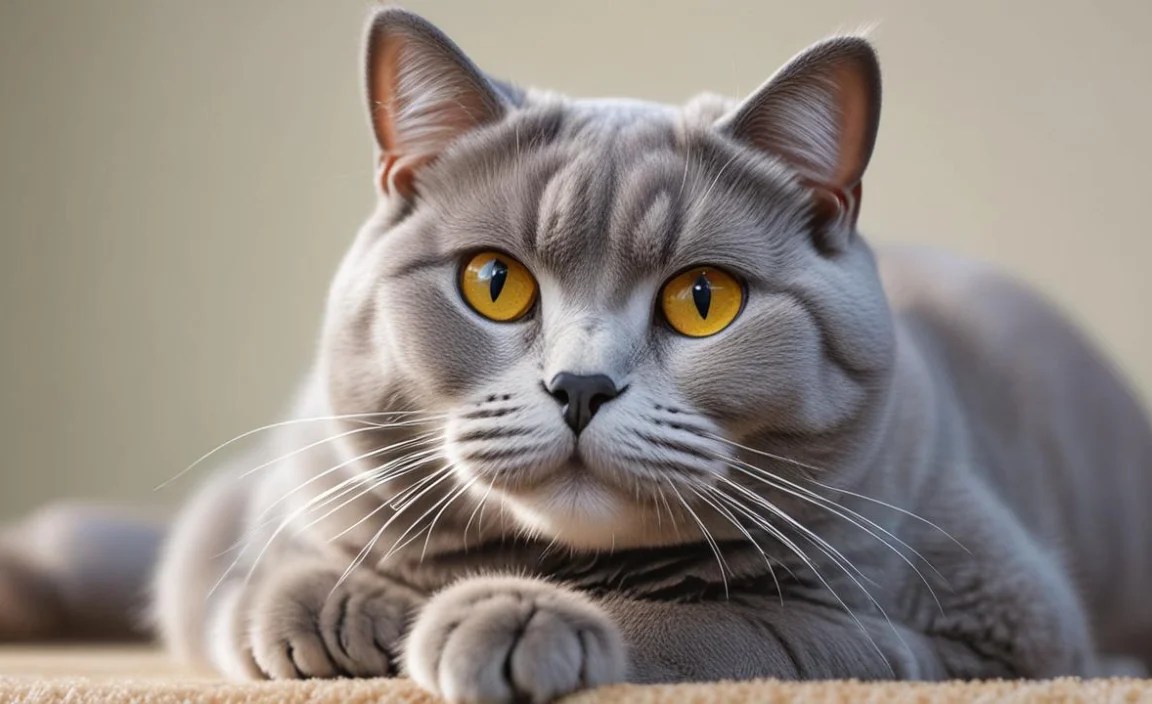
Positive reinforcement is key. What is that? It means rewarding your cat for good behavior. Use treats and praise. This will help them associate climbing with fun. Encouraging British Shorthairs to climb is easier with rewards. When they climb, give them a treat. Tell them they are doing a good job. This will motivate them to keep trying.
Start with small steps. Place treats on the lower platforms of the cat tree. This will encourage your cat to investigate the structure. When they approach the cat tree, praise them and offer a treat. As they become more comfortable, start placing treats on the higher platforms. This will encourage them to climb higher. Use a clicker to mark the desired behavior. A clicker is a small device that makes a clicking sound. When your cat performs the desired behavior, click the clicker and give them a treat. This will help them associate the clicking sound with positive reinforcement. Be consistent with your rewards. Always reward your cat when they climb on the cat tree. This will help them learn that climbing is a good thing.
- Use treats to lure them to climb.
- Praise them when they try.
- Use a clicker for positive association.
- Be consistent with rewards.
- Make climbing a fun experience.
Remember that encouraging British Shorthairs to climb takes time and patience. Don’t get discouraged if your cat doesn’t take to it right away. Keep offering positive reinforcement. Eventually, they will start to associate climbing with positive experiences. They will become more confident and willing to explore their climbing abilities. Celebrate their successes. Every time they climb a little higher or try something new, give them lots of praise and encouragement. This will help them build their confidence. It will also make climbing a fun and rewarding activity for them.
Fun Fact or Stat: Cats can jump up to six times their height!
Treats and Rewards
What kind of treats should you use? Use your cat’s favorite treats. Small, tasty treats work best. Encouraging British Shorthairs to climb is easier with good treats. Make sure the treats are healthy. You don’t want to give them too many calories. Use treats sparingly.
When using treats to encourage your British Shorthair to climb, it’s important to choose the right kind of treats. Look for small, tasty treats that your cat loves. Soft treats are often a good choice. They are easy to chew and swallow. Avoid treats that are too large or hard. These can be difficult for your cat to eat. Consider the ingredients in the treats. Look for treats that are made with healthy ingredients. Avoid treats that are high in sugar or artificial flavors. Use treats sparingly. You don’t want to give your cat too many treats. This can lead to weight gain. Use treats as a reward for specific behaviors. When your cat climbs on the cat tree, give them a treat. This will help them associate climbing with positive reinforcement. You can also use treats to lure your cat to climb. Place a treat on a higher platform. This will encourage them to climb up and get it. Remember, treats are a powerful tool. Use them wisely to encourage your British Shorthair to climb.
Verbal Praise and Affection
Don’t forget verbal praise. Tell your cat they are doing a great job. Use a happy voice. British Shorthairs respond well to affection. Encouraging British Shorthairs to climb is about more than treats. Pet them and scratch them behind the ears. This will make them feel loved.
Verbal praise and affection are powerful tools for encouraging your British Shorthair to climb. When your cat climbs on the cat tree, tell them they are doing a great job. Use a happy and enthusiastic voice. This will help them understand that you are pleased with their behavior. British Shorthairs are known for their affectionate nature. They respond well to petting and cuddling. When your cat climbs, give them a gentle scratch behind the ears. This will make them feel loved and appreciated. Combine verbal praise with physical affection for the best results. When your cat reaches the top of the cat tree, give them a treat, tell them they are a good cat, and give them a gentle scratch behind the ears. This will create a positive association with climbing. Remember, positive reinforcement is key to encouraging your British Shorthair to climb. Verbal praise and affection are valuable tools that you can use to help them succeed.
Clicker Training
Have you heard of clicker training? It is a great way to train cats. A clicker makes a clicking sound. This sound tells your cat they did something right. Encouraging British Shorthairs to climb can be easier with a clicker. Click when they climb. Then, give them a treat. They will learn to associate the click with a reward.
Clicker training is a powerful tool for encouraging your British Shorthair to climb. A clicker is a small device that makes a clicking sound. This sound becomes a signal that your cat has performed the desired behavior. To start clicker training, you need to associate the clicking sound with a reward. Click the clicker and immediately give your cat a treat. Repeat this several times until your cat understands that the clicking sound means they are going to get a treat. Once your cat understands the association, you can start using the clicker to encourage them to climb. When your cat approaches the cat tree, click the clicker and give them a treat. As they become more comfortable, start clicking when they put their paws on the cat tree. Gradually increase the difficulty. Click when they climb a little higher. Remember to always follow the click with a treat. This will reinforce the desired behavior. Clicker training can be a fun and effective way to encourage your British Shorthair to climb. It is a positive and rewarding experience for both you and your cat.
Making Climbing Fun and Engaging

Climbing should be fun! How do we make it fun? Add toys to the cat tree. Hang toys from the platforms. This will encourage your cat to climb and play. Encouraging British Shorthairs to climb is easier when they are having fun. Rotate the toys to keep them interested.
Use interactive toys to engage your cat’s interest. Feather wands, laser pointers, and puzzle toys can all be used to encourage climbing. Play with your cat near the cat tree. This will help them associate the cat tree with fun and playtime. Use the feather wand to lure your cat to climb. Wave the wand near the platforms. This will encourage them to jump and reach for it. Use the laser pointer to create a moving target on the cat tree. This will encourage them to chase and climb. Place puzzle toys on the platforms. This will encourage them to explore the cat tree. Rotate the toys regularly. This will keep your cat interested and engaged.
- Add toys to the cat tree.
- Use interactive toys.
- Play with your cat near the tree.
- Rotate the toys regularly.
- Make climbing a game.
Remember that encouraging British Shorthairs to climb is about creating a positive and stimulating environment for your cat. Make climbing a fun and rewarding experience. This will help them stay active and engaged. It will also strengthen the bond between you and your cat. Celebrate their successes. Every time they climb a little higher or try something new, give them lots of praise and encouragement. This will help them build their confidence. It will also make climbing a fun and enjoyable activity for them.
Fun Fact or Stat: Cats can use their whiskers to help them judge if they can fit through a space!
Interactive Play Sessions
What is an interactive play session? It is when you play with your cat using toys. Use a feather wand or a laser pointer. Encouraging British Shorthairs to climb can be part of playtime. Wave the toy near the cat tree. This will encourage them to climb and chase.
Interactive play sessions are a great way to encourage your British Shorthair to climb. These sessions involve you actively engaging with your cat using toys and games. Feather wands are a popular choice. They mimic the movement of prey. This will entice your cat to chase and pounce. Laser pointers are also a fun option. They create a moving target that your cat will love to chase. During the play session, focus on incorporating the cat tree into the game. Wave the feather wand near the platforms. This will encourage your cat to jump and climb. Shine the laser pointer on the cat tree. This will entice them to chase the light up and down the structure. Vary the speed and direction of the toys. This will keep your cat engaged and entertained. Remember to end the play session with a reward. Give your cat a treat or some praise. This will help them associate climbing with positive experiences. Interactive play sessions are a fun and effective way to encourage your British Shorthair to climb. They provide both physical and mental stimulation.
Rotating Toys for Novelty
Cats get bored easily. How do you keep them interested? Rotate their toys. Don’t leave the same toys out all the time. Encouraging British Shorthairs to climb is easier when they are curious. Put some toys away. Then, bring them out later. This will make them seem new again.
Cats can easily become bored with the same old toys. To keep your British Shorthair engaged and interested in climbing, it’s important to rotate their toys regularly. This means putting some toys away and bringing out new ones. This will help keep things fresh and exciting for your cat. When you rotate the toys, try to introduce different types of toys. This will provide a variety of stimulation. For example, you could switch between a feather wand, a laser pointer, and a puzzle toy. Place the new toys on the cat tree. This will encourage your cat to explore the structure and discover the new toys. Observe your cat’s reaction to the different toys. Some toys will be more appealing than others. Focus on using the toys that your cat enjoys the most. Rotating toys is a simple but effective way to keep your British Shorthair engaged and interested in climbing. It helps prevent boredom and keeps them mentally stimulated.
Creating a Climbing Game
Make climbing a game. How? Use a toy to lure your cat up the cat tree. Reward them when they reach the top. Encouraging British Shorthairs to climb can be fun for both of you. Turn it into a game you both enjoy.
Turning climbing into a game is a great way to encourage your British Shorthair to use their cat tree. One fun game is to use a toy to lure your cat up the different levels of the cat tree. Hold the toy just out of reach. Encourage them to jump and climb to get it. When they reach the top, reward them with praise and a treat. Another game is to hide treats on the different platforms of the cat tree. This will encourage your cat to explore the structure and search for the hidden treats. You can also create a climbing obstacle course. Use pillows, blankets, and other household items to create a challenging but safe climbing environment. Encourage your cat to navigate the obstacle course. Reward them when they complete it. The key is to make climbing a fun and rewarding experience for your cat. This will help them develop a positive association with the cat tree. It will also encourage them to use it regularly. Remember to always supervise your cat during these games. Make sure they are safe and not struggling.
Ensuring Safety During Climbing

Safety first! How do you keep your cat safe? Supervise their climbing. Make sure the cat tree is stable. Encouraging British Shorthairs to climb requires a safe environment. Remove any hazards from the area. This will prevent accidents.
Supervise your cat when they are first learning to climb. This will allow you to intervene if they get into trouble. Make sure the cat tree is stable and secure. It should not wobble or tip over easily. Remove any hazards from the area around the cat tree. This includes things like electrical cords, sharp objects, and toxic plants. Provide a soft landing area. Place a rug or blanket under the cat tree. This will cushion their fall if they happen to slip. Trim your cat’s nails regularly. This will help them grip the climbing surfaces. Start slowly and gradually increase the height of the climbing structures. This will give your cat time to adjust and build their confidence.
- Supervise initial climbing sessions.
- Ensure the cat tree is stable.
- Remove hazards from the area.
- Provide a soft landing area.
- Trim your cat’s nails.
Remember that encouraging British Shorthairs to climb is about creating a safe and enjoyable experience for your cat. Always prioritize their safety. Take the necessary precautions to prevent accidents. Be patient and supportive. Your British Shorthair will eventually discover the joy of climbing. They will start to enjoy exploring their new climbing space. Celebrate their successes. Every time they climb a little higher or try something new, give them lots of praise and encouragement. This will help them build their confidence. It will also make climbing a fun and rewarding activity for them.
Fun Fact or Stat: A cat’s claws retract to keep them sharp!
Supervising Initial Sessions
Why supervise? Because you need to make sure your cat is safe. Watch them closely when they first start climbing. Encouraging British Shorthairs to climb means being there to help. If they struggle, gently guide them. Don’t let them get scared.
Supervising initial climbing sessions is crucial for ensuring your British Shorthair’s safety. When your cat is first introduced to the cat tree, they may be hesitant or unsure of what to do. By supervising, you can provide guidance and support. Watch your cat closely as they explore the cat tree. If they seem unsure, gently encourage them to climb. You can use treats or toys to lure them up the different levels. If they struggle, offer assistance. Gently lift them onto a higher platform. This will help them gain confidence. Be patient and supportive. Don’t rush them or force them to do anything they are not comfortable with. Create a positive and encouraging environment. This will help them develop a love for climbing. Supervising initial sessions allows you to identify any potential hazards or challenges. This will make climbing safer. For example, you may notice that the cat tree is not stable enough. You can then take steps to secure it. Remember, safety is the most important thing. Supervise your cat closely during their first few climbing sessions. This will help them have a positive and safe experience.
Creating a Safe Environment
What makes a safe environment? A stable cat tree. No hazards nearby. A soft landing area. Encouraging British Shorthairs to climb means removing dangers. Make sure there are no sharp objects or electrical cords.
Creating a safe environment is essential for encouraging your British Shorthair to climb. This means taking steps to minimize potential hazards and ensure their well-being. Start by making sure the cat tree is stable and secure. It should not wobble or tip over easily. Place it on a level surface and consider adding extra weight to the base for added stability. Remove any potential hazards from the area around the cat tree. This includes things like electrical cords, sharp objects, and toxic plants. Provide a soft landing area. Place a rug or blanket under the cat tree. This will cushion their fall if they happen to slip. Trim your cat’s nails regularly. This will help them grip the climbing surfaces. Consider the height of the cat tree. If your cat is not used to climbing, start with a lower cat tree and gradually increase the height as they become more confident. Creating a safe environment is an ongoing process. Regularly inspect the cat tree for any signs of wear and tear. Make sure it is in good condition. Replace any damaged parts. By taking these precautions, you can create a safe and enjoyable climbing environment for your British Shorthair.
Gradual Introduction to Height
Don’t rush things. Start with low platforms. Gradually increase the height. Encouraging British Shorthairs to climb is a process. It takes time and patience. Don’t expect them to climb to the top right away.
Gradually introducing your British Shorthair to height is important for building their confidence and preventing injuries. Start with low platforms that are easy to access. You can use things like sturdy boxes, small cat trees, or even a low shelf. Place treats or toys on the platform to encourage your cat to investigate. Once they are comfortable exploring the low platforms, you can gradually increase the height. Add another level to the cat tree. Or, introduce a slightly taller climbing structure. Make sure the transition is smooth and gradual. Avoid anything too sudden or overwhelming. Continue to use positive reinforcement. Reward your cat for their efforts. This will help them associate climbing with positive experiences. Pay attention to your cat’s body language. If they seem hesitant or scared, take a step back and slow down the process. It’s important to respect their comfort level. Never force them to do anything they are not ready for. Gradual introduction to height allows your British Shorthair to build their confidence at their own pace. They will be able to explore their climbing abilities safely and enjoyably.
Summary
Encouraging British Shorthairs to climb can be a rewarding experience. It can improve their physical and mental well-being. Remember, British Shorthairs are not natural climbers. They need a little extra encouragement. Start with the right climbing structures. Choose sturdy cat trees with wide platforms. Use positive reinforcement. Reward them with treats and praise. Make climbing fun with toys and games. Always supervise their climbing. Ensure their safety. Be patient and supportive. With the right approach, your British Shorthair can enjoy climbing.
British Shorthairs are sturdy cats. They might need a little help to get started. A stable cat tree is a must. Short heights are better at first. Treats and praise go a long way. Make climbing a game. Watch them closely. Celebrate their successes. Encouraging British Shorthairs to climb can be a fun journey for both of you. It can also help them stay active and healthy.
Conclusion
Encouraging British Shorthairs to climb is a great way to enrich their lives. It provides exercise and mental stimulation. Choose the right climbing structures. Use positive reinforcement. Make it fun. Be patient. Your British Shorthair can enjoy climbing. They will appreciate the new challenges and experiences. You will enjoy watching them explore their climbing abilities.
Frequently Asked Questions
Question No 1: Why is my British Shorthair not interested in climbing?
Answer: British Shorthairs are not naturally inclined to climb like some other breeds. Their sturdy build and laid-back temperament often make them prefer ground-level activities. They are less agile than some other breeds. This can make climbing more challenging for them. They also might lack the initial confidence to explore higher places. However, with patience and the right approach, you can encourage them to climb. This will help them enjoy the benefits of physical activity. Start by providing low, stable climbing structures. Use positive reinforcement to motivate them. Make climbing a fun and rewarding experience. Remember that every cat is different. Some might take to climbing more quickly than others. Be patient and persistent. Encouraging British Shorthairs to climb can be a slow process. But with the right approach, you can help them discover their inner climber.
Question No 2: What kind of cat tree is best for a British Shorthair?
Answer: The best cat tree for a British Shorthair is one that is sturdy, stable, and not too tall. Look for a cat tree with a wide base and a solid construction. This will prevent it from wobbling or tipping over. Choose a cat tree that is no more than 3-4 feet tall. British Shorthairs are not as agile as some other breeds. They may struggle with taller structures. Make sure the platforms are wide enough for your cat to turn around and feel comfortable. The platforms should also be spaced close enough together. This will make it easy for your cat to climb from one level to the next. Consider the material of the cat tree. Carpet is a good choice. It provides a soft and comfortable surface for your cat to grip. Sisal rope is also a good option for scratching posts. Avoid cat trees made of slippery materials like plastic or smooth wood. Encouraging British Shorthairs to climb is easier with the right equipment. A safe and comfortable cat tree will make all the difference.
Question No 3: How can I make climbing fun for my British Shorthair?
Answer: Making climbing fun for your British Shorthair involves creating a positive and engaging experience. Start by adding toys to the cat tree. Hang toys from the platforms. This will encourage your cat to climb and play. Use interactive toys to engage your cat’s interest. Feather wands, laser pointers, and puzzle toys can all be used to encourage climbing. Play with your cat near the cat tree. This will help them associate the cat tree with fun and playtime. Rotate the toys regularly. This will keep your cat interested and engaged. Reward your cat with treats and praise when they climb on the cat tree. This will help them associate climbing with positive reinforcement. Make climbing a game. Use a toy to lure your cat up the cat tree. Reward them when they reach the top. Be patient and supportive. Don’t rush your cat or force them to do anything they are not comfortable with. Encouraging British Shorthairs to climb is about creating a positive and stimulating environment.
Question No 4: Is it safe for my British Shorthair to climb?
Answer: Climbing can be safe for your British Shorthair as long as you take the necessary precautions. Ensure that the climbing structures are stable and secure. Remove any potential hazards from the area around the climbing structures. Supervise your cat when they are first learning to climb. This will allow you to intervene if they get into trouble. Provide a soft landing area. Place a rug or blanket under the climbing structures. This will cushion their fall if they happen to slip. Trim your cat’s nails regularly. This will help them grip the climbing surfaces. Start slowly and gradually increase the height of the climbing structures. This will give your cat time to adjust and build their confidence. Monitor your cat for any signs of discomfort or distress. If they seem hesitant or scared, take a step back and slow down the process. Encouraging British Shorthairs to climb should always be done in a safe and controlled environment.


