
Cat Breeds with Long Whiskers: Find Your Perfect Feline

Have you ever seen a cat with super long whiskers? Some cats have whiskers that seem to go on forever! These long whiskers aren’t just for show. They help cats explore the world. Let’s learn about some amazing cat breeds with long whiskers.
Do you know why cats need whiskers? Whiskers help cats sense things around them. It’s like they have built-in radar! Cat breeds with long whiskers use them to find their way in the dark. They also use them to judge if they can fit through small spaces.
Have you ever wondered if some cats have longer whiskers than others? The answer is yes! Some cat breeds with long whiskers are famous for their impressive facial features. We will look at some cool cats with extra-long whiskers. Get ready to meet some whiskered wonders!
Key Takeaways
- Certain cat breeds with long whiskers use them for sensing their surroundings better.
- Long whiskers help cats navigate in the dark and detect changes in air currents.
- Some breeds, like the Maine Coon, are particularly known for having long whiskers.
- Proper grooming helps keep a cat’s whiskers healthy and functioning correctly.
- Cat breeds with long whiskers rely on these sensory tools for balance and spatial awareness.
Which Cat Breeds Have Long Whiskers?

Have you ever noticed how some cats have really long whiskers? These whiskers aren’t just for looks. They help cats understand the world around them. The length of a cat’s whiskers can vary between breeds. Certain breeds are known for having especially long whiskers. These breeds often have a need for superior sensory input. This could be due to their size or hunting style. Maine Coons, for example, are large cats. They need longer whiskers to navigate their surroundings. Other breeds may simply have a genetic predisposition to longer whiskers. No matter the reason, these cat breeds with long whiskers are fascinating to observe. They show us just how important whiskers are for cats.
- Maine Coons often have very long whiskers.
- Norwegian Forest Cats also sport impressive whiskers.
- Siberian cats are known for their thick, long whiskers.
- Turkish Angoras have fine and lengthy whiskers.
- Ragdolls can sometimes have longer than average whiskers.
The length of a cat’s whiskers can also be influenced by their environment and diet. Cats who live primarily outdoors may develop longer whiskers. This is because they need better sensory input to survive in the wild. A healthy diet rich in essential nutrients can also contribute to whisker health and length. It’s important for cat owners to provide their feline friends with a balanced diet. This will ensure their whiskers grow strong and healthy. Observing cat breeds with long whiskers can teach us a lot. We can learn about the importance of these sensory tools in a cat’s life. It is amazing how nature equips animals for their specific environments.
Fun Fact or Stat: The longest recorded whisker on a cat was over 7 inches long!
Why Do Cats Need Whiskers?
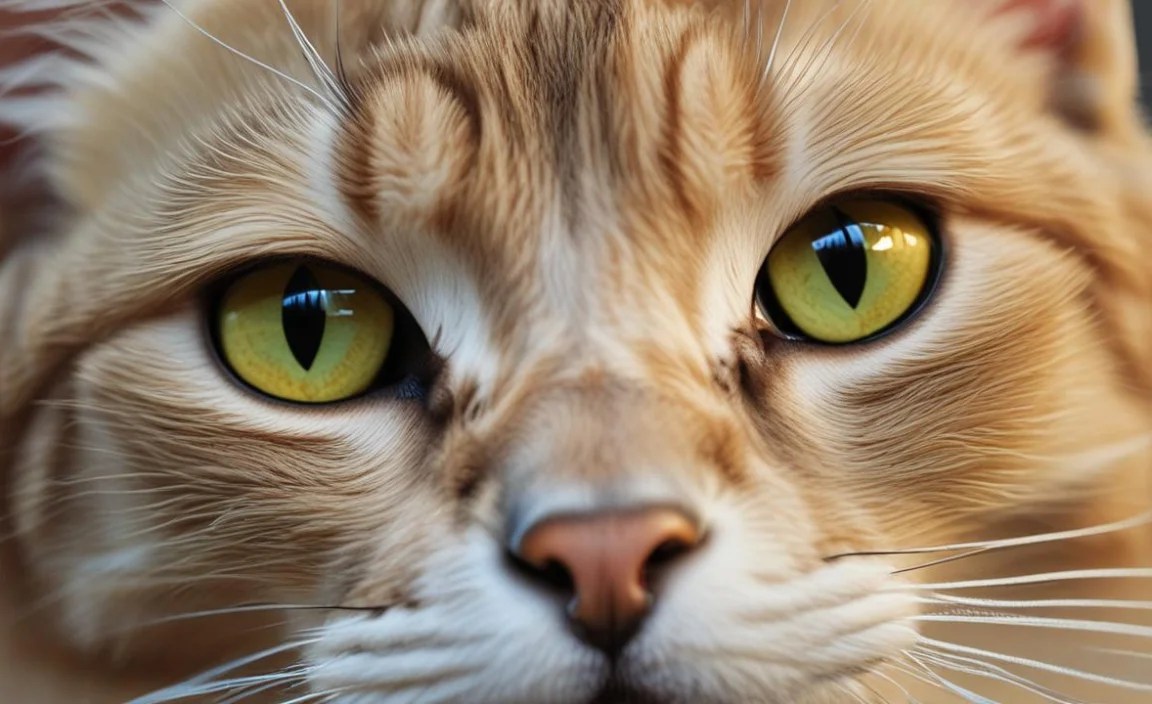
Ever wonder why cats have whiskers in the first place? Whiskers are not just cute facial features. They are essential tools that help cats navigate the world. These specialized hairs are much more than just regular fur. They are deeply rooted and connected to the cat’s sensory system. This connection allows cats to detect even the slightest changes in their environment. Think of whiskers as a cat’s personal radar system. They help cats sense objects, air currents, and even the size of openings. Cat breeds with long whiskers rely heavily on these sensory tools. This is especially true in low-light conditions. Without whiskers, a cat would have a much harder time moving around and staying safe. So, the next time you see a cat, take a moment to appreciate the amazing job their whiskers do!
What Are Whiskers Made Of?

Have you ever wondered what whiskers are made of? Whiskers are made of keratin. Keratin is the same material that makes up our hair and nails. Each whisker is thicker and more deeply rooted than regular hair. At the base of each whisker are nerve endings. These nerve endings make whiskers incredibly sensitive. This sensitivity allows cats to detect even the smallest vibrations in the air. Cat breeds with long whiskers have a greater surface area. This makes them even more sensitive to their surroundings. The structure of a whisker is perfectly designed. It helps cats gather information about their environment. This helps them to navigate, hunt, and avoid danger. It’s amazing how such a simple structure can play such a vital role in a cat’s life.
How Do Whiskers Help Cats Hunt?

Imagine you are a cat trying to hunt in the dark. How would you find your prey? This is where whiskers come in handy! Whiskers help cats hunt by detecting changes in air currents. These changes can indicate the presence of prey. Even if the prey is hiding! Cat breeds with long whiskers are especially good at this. Their longer whiskers can detect even the faintest movements. When a cat gets close to its prey, its whiskers help it determine the size and shape of the animal. This allows the cat to strike with precision. Whiskers also protect a cat’s eyes during a hunt. They trigger a blink reflex if they touch something. This prevents the cat from getting injured. Whiskers are essential tools for any hunting cat.
Grooming Tips for Cats With Long Whiskers

Grooming is important for all cats. It’s especially important for cat breeds with long whiskers. Long whiskers can easily get tangled or dirty. Regular grooming helps keep them clean and healthy. Use a soft brush to gently groom your cat’s whiskers. Be careful not to pull or tug on them. You can also use a damp cloth to wipe them clean. Pay attention to the base of the whiskers. This is where dirt and oil can build up. Regular grooming not only keeps your cat’s whiskers clean. It also strengthens the bond between you and your furry friend. A well-groomed cat is a happy cat. Make grooming a regular part of your cat care routine.
- Gently brush whiskers to remove debris.
- Use a damp cloth to clean whiskers.
- Avoid pulling or tugging on whiskers.
- Check for any signs of irritation or infection.
- Make grooming a positive experience with treats.
In addition to regular brushing, you should also trim your cat’s whiskers if they become too long or damaged. Use blunt-nosed scissors to carefully trim the tips of the whiskers. Be sure to only trim a small amount at a time. Never cut the whiskers off completely. Cutting off a cat’s whiskers can disorient them. It can also affect their ability to navigate. If you are unsure about trimming your cat’s whiskers, consult with a veterinarian or professional groomer. They can provide you with guidance and ensure the process is done safely. Remember, healthy whiskers are essential for a cat’s well-being. Taking good care of them is a vital part of responsible pet ownership. Cat breeds with long whiskers deserve extra care to keep their sensory tools in top condition.
Fun Fact or Stat: A cat’s whiskers are about as wide as its body!
Why Is Grooming Important?
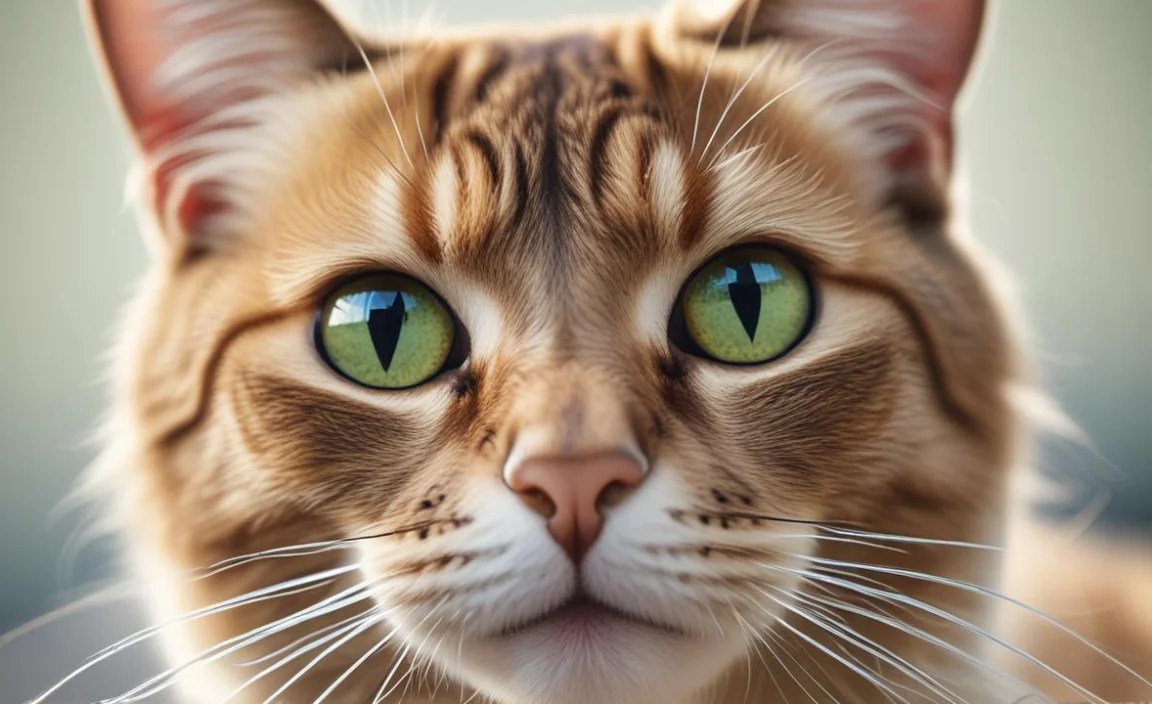
Grooming is more than just making your cat look pretty. It plays a big role in keeping your cat healthy. Regular grooming helps remove loose fur. This prevents hairballs from forming in your cat’s stomach. Grooming also allows you to check for any signs of skin problems. These include fleas, ticks, or infections. When you groom your cat, you are also stimulating blood circulation. This promotes healthy skin and a shiny coat. For cat breeds with long whiskers, grooming is essential to keep their whiskers clean and free of debris. A well-groomed cat is a happier and healthier cat. Make grooming a regular part of your pet care routine. Your cat will thank you for it!
What Tools Do You Need to Groom a Cat?

To properly groom a cat, you will need a few essential tools. A good quality brush is a must-have. There are many different types of brushes available. Choose one that is appropriate for your cat’s coat type. A metal comb is also useful for removing tangles and mats. Nail clippers are needed to keep your cat’s nails trimmed. A soft cloth can be used to wipe your cat’s face and ears. For cat breeds with long whiskers, a fine-toothed comb can help keep their whiskers clean. Always use gentle and slow movements when grooming your cat. This will help them feel more comfortable. With the right tools and a little patience, you can keep your cat looking and feeling its best.
How Often Should You Groom Your Cat?

How often should you groom your cat? The answer depends on a few factors. This includes the cat’s breed, coat length, and lifestyle. Cats with long hair need to be groomed more often than cats with short hair. Long-haired cats are more prone to matting. They require daily brushing to prevent tangles. Short-haired cats can usually get away with being groomed a few times a week. Cat breeds with long whiskers should have their whiskers checked and cleaned regularly. Outdoor cats may need more frequent grooming. This is to remove dirt and debris from their fur. Pay attention to your cat’s individual needs. Adjust your grooming schedule accordingly. Regular grooming is an important part of keeping your cat healthy and happy.
How Long Are Cat Whiskers Supposed to Be?

Have you ever wondered how long cat whiskers are supposed to be? The length of a cat’s whiskers varies. It depends on the breed, age, and individual cat. On average, a cat’s whiskers are about the same width as its body. This helps them navigate tight spaces. Some cat breeds with long whiskers, like Maine Coons, may have whiskers that are longer than average. A cat’s whiskers typically grow to be around 3 to 4 inches long. However, some cats can have whiskers that are even longer. It’s important to note that a cat’s whiskers should never be cut or trimmed. Whiskers are essential sensory tools. They help cats understand their environment. Cutting them can disorient a cat and affect its ability to navigate.
- Average whisker length is 3–4 inches.
- Whiskers are typically as wide as the cat’s body.
- Maine Coons can have longer whiskers.
- Whisker length can vary between individual cats.
- Do not cut or trim a cat’s whiskers.
The length of a cat’s whiskers can also be affected by their health and diet. Cats who are not getting enough essential nutrients may have shorter or weaker whiskers. Certain medical conditions can also affect whisker growth. If you notice any changes in your cat’s whisker length or condition, it’s best to consult with a veterinarian. They can help determine if there is an underlying health issue. While there is no “supposed to be” length for cat whiskers, it’s important to ensure they are healthy and functioning properly. Cat breeds with long whiskers should have their whiskers monitored for any signs of breakage or damage. A healthy cat will typically have long, strong, and flexible whiskers.
Fun Fact or Stat: Cats use their whiskers to “see” in the dark!
Do All Cats Have the Same Number of Whiskers?

Do all cats have the same number of whiskers? The answer is generally yes. Most cats have around 12 whiskers on each side of their nose. These whiskers are arranged in rows. They help cats sense their surroundings. Cats also have whiskers above their eyes and on their chin. These whiskers serve different purposes. The number of whiskers a cat has can vary slightly. This is due to genetics or individual differences. Cat breeds with long whiskers typically have the same number of whiskers. However, the length of those whiskers may be different. While the number of whiskers is relatively consistent, their function is vital. Whiskers help cats navigate, hunt, and communicate.
Can a Cat’s Whiskers Change Color?

Can a cat’s whiskers change color? Yes, a cat’s whiskers can change color over time. Just like human hair, a cat’s whiskers can turn gray or white as they age. This is a natural process. It is nothing to be concerned about. Changes in whisker color can also be caused by certain medical conditions or nutritional deficiencies. If you notice a sudden or significant change in your cat’s whisker color, it’s best to consult with a veterinarian. They can rule out any underlying health issues. Cat breeds with long whiskers are just as likely to experience changes in whisker color as other breeds. Keep an eye on your cat’s whiskers. Note any changes that may occur over time.
What Happens if a Cat Loses a Whisker?

What happens if a cat loses a whisker? It’s perfectly normal for cats to shed whiskers from time to time. Whiskers, like other types of hair, have a natural growth cycle. A lost whisker will typically grow back within a few weeks. However, if a cat loses a large number of whiskers at once, it could be a sign of a problem. This could be a medical condition or an injury. If you notice your cat is losing a lot of whiskers, consult with a veterinarian. While losing a whisker or two is not usually a cause for concern, it’s important to monitor your cat’s whiskers. Look for any signs of underlying health issues. Cat breeds with long whiskers may be more noticeable. This is because their whiskers are longer and more prominent.
Caring for Long Whiskers on Cats

Caring for cat breeds with long whiskers requires a bit of extra attention. Long whiskers can be more prone to tangling and breakage. Regular grooming is essential to keep them in good condition. Use a soft brush or comb to gently detangle any knots. Avoid pulling or tugging on the whiskers, as this can be painful for your cat. You should also check your cat’s whiskers regularly for any signs of damage. This includes breakage, splitting, or discoloration. If you notice anything unusual, consult with a veterinarian. Proper nutrition is also important for maintaining healthy whiskers. Feed your cat a balanced diet. Make sure it’s rich in essential nutrients. This will help keep their whiskers strong and resilient. Cat breeds with long whiskers benefit from a little extra care. This ensures they can continue to use their sensory tools effectively.
- Brush whiskers gently to remove tangles.
- Check for signs of damage or breakage.
- Provide a balanced diet for healthy growth.
- Avoid pulling or tugging on whiskers.
- Consult a vet if you notice anything unusual.
In addition to grooming and nutrition, it’s also important to protect your cat’s whiskers from environmental damage. Avoid using harsh chemicals or cleaning products around your cat. These products can irritate their whiskers. If you have to use these products, make sure your cat is not in the area. Also, be careful when handling your cat. Avoid grabbing or pulling on their whiskers. This can cause pain and discomfort. Cat breeds with long whiskers rely on these sensory tools for balance and spatial awareness. Treating their whiskers with care will help them live a happy and healthy life. Remember, a little extra attention goes a long way in ensuring your cat’s well-being.
Fun Fact or Stat: Cats can move their whiskers independently!
How Does Diet Affect Whisker Health?

How does diet affect whisker health? A cat’s diet plays a big role in the health and condition of their whiskers. A balanced diet that is rich in essential nutrients is crucial for maintaining strong and healthy whiskers. Deficiencies in certain vitamins and minerals can lead to weak, brittle, or discolored whiskers. Make sure you feed your cat a high-quality cat food. It should be formulated to meet their specific nutritional needs. Some nutrients that are particularly important for whisker health include protein, omega-3 fatty acids, and biotin. Cat breeds with long whiskers benefit from a diet that supports optimal whisker growth. Consult with a veterinarian. They can recommend the best diet for your cat’s individual needs. A healthy diet is the foundation for a healthy cat, including their whiskers.
Can Stress Affect Whisker Growth?

Can stress affect whisker growth? Yes, stress can have a negative impact on a cat’s overall health. This includes the health of their whiskers. When a cat is stressed, its body releases hormones. These hormones can interfere with normal bodily functions. This includes hair growth. Chronic stress can lead to weak, brittle, or even stunted whisker growth. It’s important to minimize stress in your cat’s life. Provide them with a safe, comfortable, and enriching environment. Make sure they have plenty of opportunities to play, explore, and rest. Cat breeds with long whiskers are particularly sensitive to stress. Their longer whiskers are more prone to breakage. If you notice your cat is showing signs of stress, consult with a veterinarian. They can help you identify and address the underlying cause.
What Are Common Whisker Problems in Cats?

What are some common whisker problems in cats? There are several issues that can affect a cat’s whiskers. Breakage is one of the most common problems. This can be caused by rough handling, excessive grooming, or nutritional deficiencies. Whisker loss is another common issue. This can be caused by medical conditions, allergies, or stress. Discoloration can also occur. This is often a sign of an underlying health problem. Other potential whisker problems include ingrown whiskers, infections, and tumors. It’s important to regularly inspect your cat’s whiskers. Look for any signs of abnormalities. Cat breeds with long whiskers may be more prone to certain problems. This is because their whiskers are longer and more exposed. If you notice anything unusual, consult with a veterinarian.
Do Long Whiskers Help Cats Fit Into Small Spaces?

Do long whiskers help cats fit into small spaces? This is a common question. The answer is yes! Whiskers act as sensory tools. They help cats gauge the width of openings. A cat’s whiskers are roughly the same width as its body. When a cat approaches a small space, it uses its whiskers to determine if it can fit through. If the whiskers touch both sides of the opening at the same time, the cat knows it’s too small to enter. If the whiskers don’t touch anything, the cat knows it can safely pass through. Cat breeds with long whiskers have an advantage in this regard. Their longer whiskers provide them with a wider sensory range. This allows them to more accurately assess the size of openings. While whiskers are not the only factor that determines whether a cat can fit into a space, they play a crucial role.
| Cat Breed | Average Whisker Length | Grooming Needs | Known For |
|---|---|---|---|
| Maine Coon | 4-6 inches | Regular brushing | Large size, long whiskers |
| Norwegian Forest Cat | 3-5 inches | Weekly brushing | Thick fur, long whiskers |
| Siberian | 3-4 inches | Occasional brushing | Hypoallergenic, long whiskers |
| Turkish Angora | 3-4 inches | Weekly brushing | Silky coat, fine whiskers |
It’s important to note that a cat’s whiskers are not foolproof. Sometimes a cat may misjudge the size of an opening and get stuck. This is more likely to happen if the cat is overweight or has a particularly thick coat. In these cases, it’s important to gently help the cat out of the space. Never force a cat through a small opening. This can cause injury. Cat breeds with long whiskers are generally better at judging spaces. However, they are not immune to making mistakes. Always supervise your cat when it’s exploring new areas. This will ensure it doesn’t get into any trouble. Whiskers are an amazing adaptation. They help cats navigate their environment with ease.
Fun Fact or Stat: Cats have whiskers on the back of their front legs too!
How Do Cats Use Whiskers to Navigate in the Dark?

How do cats use whiskers to navigate in the dark? Whiskers are incredibly sensitive. They can detect even the slightest changes in air currents. When a cat moves through a dark space, its whiskers pick up on these air currents. They bounce off of nearby objects. This allows the cat to create a mental map of its surroundings. Cat breeds with long whiskers are particularly adept at navigating in the dark. This is because their longer whiskers provide them with a wider sensory range. By using their whiskers, cats can move around in complete darkness. They can avoid obstacles with remarkable precision. It’s like they have a built-in radar system! Whiskers are essential tools for cats. They help them stay safe and navigate their environment. This is especially true in low-light conditions.
Do Whiskers Help Cats Balance?

Do whiskers help cats balance? While whiskers are not directly responsible for balance, they do play a role in a cat’s overall sense of spatial awareness. Whiskers help cats understand the dimensions of their surroundings. This allows them to make more accurate judgments about distances and heights. This is particularly important when a cat is jumping or climbing. Cat breeds with long whiskers may have a slight advantage when it comes to balance. Their longer whiskers provide them with more sensory information. This helps them maintain their equilibrium. However, balance is a complex process. It involves multiple systems in the body. Whiskers are just one piece of the puzzle. A cat’s inner ear, vision, and muscle coordination also contribute to its ability to stay balanced.
Are a Cat’s Whiskers Related to Their Mood?

Are a cat’s whiskers related to their mood? Yes, a cat’s whiskers can provide clues about its mood and emotional state. When a cat is relaxed and content, its whiskers will typically be in a neutral position. They will be relaxed and pointing slightly forward. When a cat is curious or alert, its whiskers will be more forward. They will be more erect. When a cat is scared or anxious, its whiskers will be pulled back against its face. By paying attention to the position of a cat’s whiskers, you can get a better understanding of how it’s feeling. Cat breeds with long whiskers may have more expressive whiskers. This makes it easier to read their emotions. However, it’s important to consider other body language cues. These include the cat’s ears, tail, and eyes. This will give you a complete picture of its emotional state.
Unusual Facts About Cat Whiskers

Cat whiskers are fascinating sensory tools. They are full of surprises! Did you know that cats have whiskers on the back of their front legs? These whiskers help them climb trees. They also help them navigate narrow spaces. Each whisker is connected to a nerve. This makes them very sensitive. Cats can feel even the smallest changes in air currents. Cat breeds with long whiskers have an even greater advantage. Their longer whiskers can detect subtle changes in their environment. Whiskers also play a role in communication. Cats use their whiskers to express their mood. Whiskers can also show if they are curious or scared. These are just a few of the unusual facts about cat whiskers. They highlight the amazing adaptations that cats have evolved over time.
- Cats have whiskers on their legs.
- Whiskers are connected to nerves.
- Whiskers help cats express emotions.
- Whiskers detect changes in air currents.
- Whiskers are essential for navigation.
Another interesting fact about cat whiskers is that they can grow back if they are lost or damaged. However, it’s important to avoid cutting or trimming a cat’s whiskers. This can disorient the cat and affect its ability to navigate. Whiskers are also used by cats to groom themselves. They use their whiskers to help spread saliva over their fur. This helps keep their coat clean and healthy. Cat breeds with long whiskers often require more grooming. They may need help keeping their whiskers clean and tangle-free. Cat whiskers are truly remarkable structures. They play a vital role in a cat’s life. By understanding more about whiskers, we can better appreciate these amazing animals.
Fun Fact or Stat: A group of whiskers is called a “vibrissae field!”
Why Do Cats Have Different Colored Whiskers?

Why do cats have different colored whiskers? The color of a cat’s whiskers is determined by genetics. It is the same way that their fur color is determined. Cats with dark fur often have dark whiskers. Cats with light fur often have light whiskers. Some cats may even have a mix of different colored whiskers. This is due to variations in their pigmentation. The color of a cat’s whiskers does not affect their function. Cat breeds with long whiskers can have whiskers of any color. The color of the whiskers is simply a cosmetic feature. It adds to their unique appearance. Whether they are black, white, brown, or a combination of colors, whiskers are essential tools for cats.
Do Cats Purr When Their Whiskers Are Touched?

Do cats purr when their whiskers are touched? Some cats may purr when their whiskers are touched. This is because the base of each whisker is connected to nerve endings. These nerve endings are very sensitive to touch. When a cat is enjoying being petted or groomed, it may purr as a sign of contentment. However, not all cats enjoy having their whiskers touched. Some cats may find it irritating or even painful. It’s important to pay attention to your cat’s body language. This will help you determine if it’s enjoying the sensation. Cat breeds with long whiskers may be more sensitive to having their whiskers touched. Approach them gently and observe their reaction. If they seem uncomfortable, stop touching their whiskers.
Can Cats Control Their Whiskers?

Can cats control their whiskers? Yes, cats have some control over the movement of their whiskers. They can move their whiskers forward, backward, and even independently of each other. This allows them to fine-tune their sensory input. They can gather information about their environment. The muscles that control whisker movement are located in the cat’s face. These muscles are connected to the nerves that run to the whiskers. By contracting these muscles, cats can change the position and angle of their whiskers. Cat breeds with long whiskers may have even greater control over their whisker movement. This is because their longer whiskers are more sensitive. It is amazing how cats can use their whiskers to gather information. This helps them navigate the world around them.
Summary
Some cat breeds with long whiskers are quite famous. Maine Coons and Norwegian Forest Cats often have impressive whiskers. These whiskers help them navigate and sense their surroundings. Whiskers are sensory tools that cats use to understand the world. They help cats judge distances and find their way in the dark. Longer whiskers can be especially helpful for larger breeds. These breeds need a wider sensory range. Proper grooming is essential for keeping whiskers clean and healthy. A balanced diet also supports strong whisker growth. If you have a cat with long whiskers, pay extra attention to their care.
Cats use their whiskers for balance and spatial awareness. The length and condition of a cat’s whiskers can be an indicator of their overall health. Regular grooming helps keep whiskers clean and free of tangles. A healthy diet provides the nutrients needed for strong whisker growth. Understanding the importance of whiskers can help you provide the best care for your feline friend. Cat breeds with long whiskers are truly amazing animals. They rely on these sensory tools for many aspects of their lives.
Conclusion
Cat breeds with long whiskers are fascinating creatures. Their whiskers are not just for show. They help them navigate, hunt, and communicate. Long whiskers provide a wider sensory range. This helps cats understand their environment better. Caring for these whiskers is important. Regular grooming and a healthy diet are essential. By understanding the importance of whiskers, we can better appreciate these amazing animals. We can also provide them with the care they need to thrive. So, next time you see a cat with long whiskers, take a moment to admire these amazing sensory tools.
Frequently Asked Questions
Question No 1: Why do some cats have longer whiskers than others?
Answer: The length of a cat’s whiskers can vary depending on their breed, age, and genetics. Some breeds, like Maine Coons, are known for having particularly long whiskers. These longer whiskers can provide them with a wider sensory range. This helps them navigate their environment more effectively. Other factors, such as diet and overall health, can also affect whisker length. Cat breeds with long whiskers often have a genetic predisposition for longer whiskers. This makes them stand out among other feline friends.
Question No 2: How do whiskers help cats navigate in the dark?
Answer: Whiskers are incredibly sensitive to changes in air currents. When a cat moves through a dark space, its whiskers pick up on these air currents. These currents bounce off of nearby objects. This allows the cat to create a mental map of its surroundings. This helps it avoid obstacles. Cat breeds with long whiskers are particularly adept at navigating in the dark. This is because their longer whiskers provide them with a wider sensory range. They are able to detect even the faintest movements.
Question No 3: Is it okay to trim a cat’s whiskers?
Answer: No, it is not okay to trim a cat’s whiskers. Whiskers are essential sensory tools that help cats navigate their environment. Trimming a cat’s whiskers can disorient them. It can also affect their ability to judge distances and avoid obstacles. Cat breeds with long whiskers rely heavily on these sensory tools. Cutting them off can significantly impact their quality of life. If you are concerned about the length of your cat’s whiskers, consult with a veterinarian or professional groomer.
Question No 4: What should I do if my cat loses a whisker?
Answer: It’s perfectly normal for cats to shed whiskers from time to time. Whiskers, like other types of hair, have a natural growth cycle. If your cat loses a whisker, it will typically grow back within a few weeks. However, if your cat loses a large number of whiskers at once, it could be a sign of an underlying health problem. If you are concerned, consult with a veterinarian. Cat breeds with long whiskers may be more noticeable. This is because their whiskers are longer and more prominent.
Question No 5: How can I keep my cat’s whiskers healthy?
Answer: You can keep your cat’s whiskers healthy by providing them with a balanced diet. Make sure it is rich in essential nutrients. Regular grooming can also help keep whiskers clean and free of tangles. Avoid using harsh chemicals or cleaning products around your cat. These can irritate their whiskers. Cat breeds with long whiskers benefit from extra care. This helps to maintain their sensory tools in top condition. A healthy cat is a happy cat, and healthy whiskers are an important part of that.
Question No 6: Do cats with long whiskers have better senses?
Answer: While cat breeds with long whiskers may have a wider sensory range, it doesn’t necessarily mean they have “better” senses overall. The length of a cat’s whiskers simply allows them to gather more information about their surroundings. This can be particularly helpful in low-light conditions or when navigating tight spaces. However, other factors, such as a cat’s vision, hearing, and sense of smell, also play a crucial role in their overall sensory perception. All of these senses work together to help cats understand and interact with the world around them.


