
Ultimate Cat Breeds That Enjoy Outdoor Adventures

Have you ever seen a cat hiking? Some cats love exploring outside. They are not all couch potatoes! Some cat breeds that enjoy outdoor adventures are real explorers. They like to climb trees and chase bugs. These cats are curious and brave.
Do you think your cat would like the great outdoors? It depends on the cat. Some cats are more suited for adventure. Let’s learn about some of these amazing breeds.
Key Takeaways
- Some cat breeds that enjoy outdoor adventures thrive when exploring nature.
- The Maine Coon is a large, friendly cat that loves being outside.
- The Siberian is a hardy breed that enjoys cold weather and snowy adventures.
- The Abyssinian is an active and curious cat that loves to explore new places.
- Consider your cat’s personality and health before planning outdoor activities.
Discover Cat Breeds That Love the Outdoors

Some cats are born to be wild! They aren’t happy just sleeping all day. These cat breeds that enjoy outdoor adventures need excitement. They want to explore and play. Think of them as tiny tigers in your backyard. They have a natural curiosity. They also have a lot of energy. These cats need a safe way to express their instincts. A secure yard or a leash can help. Always supervise your cat when it’s outside. This keeps them safe from danger. It also protects local wildlife.
- Maine Coons are big and love to explore.
- Siberians enjoy cold weather and snow.
- Abyssinians are curious and full of energy.
- Savannahs are adventurous and like to climb.
- Norwegian Forest Cats are built for the outdoors.
Before letting your cat explore, think about its safety. Make sure your yard is secure. There should be no holes in the fence. Also, check for poisonous plants. These can be dangerous for your cat. Consider using a leash and harness. This way, you can keep your cat close. You can also control where it goes. Remember, not all cats are the same. Some may prefer a cozy spot indoors. Pay attention to your cat’s personality. Make sure outdoor adventures are fun for everyone.
Fun Fact or Stat: Maine Coons are known as “gentle giants” because of their friendly nature and large size!
What Makes a Cat an Outdoor Explorer?

What makes some cats love the outdoors? It’s a mix of their breed and personality. Some breeds were developed to work outside. They are strong and independent. Other cats are just naturally curious. They want to see what’s beyond the window. These cats often have a strong hunting drive. They like to chase birds and bugs. It’s important to understand your cat’s needs. This helps you provide the right environment. Outdoor adventures can be great for some cats. But they are not right for every cat.
How to Keep Outdoor Cats Safe?

Keeping outdoor cats safe is very important. There are many dangers outside. Cars, other animals, and poisons can harm them. Make sure your cat has all its shots. This protects them from diseases. A microchip can help you find your cat if it gets lost. Consider using a GPS collar. This lets you track your cat’s location. Always supervise your cat outside. This is especially important in busy areas. A catio, or cat enclosure, can be a safe way to enjoy the outdoors.
Benefits of Outdoor Activities for Cats

Outdoor activities can be great for cats. They provide exercise and mental stimulation. This can help prevent boredom and weight gain. Exploring the outdoors can also satisfy a cat’s natural instincts. Hunting, climbing, and exploring are all good for them. Just make sure to do it safely. Supervise your cat and protect them from dangers. A happy and healthy cat is one that gets to explore its world.
Fun Fact or Stat: Cats can jump up to six times their height!
Maine Coon: The Gentle Giant Explorer

The Maine Coon is a popular breed. They are known for their big size and friendly personality. These cats are great for families. They also love to explore the outdoors. Maine Coons are smart and easy to train. You can teach them to walk on a leash. They enjoy hiking and playing in the yard. Their thick fur keeps them warm in cold weather. Maine Coons are truly gentle giants. They make wonderful companions for outdoor adventures.
- They are large and have a thick coat.
- Maine Coons are friendly and smart.
- They enjoy walking on a leash.
- They like to play in the yard.
- They adapt well to different environments.
- Maine Coons are good with children.
When taking your Maine Coon outside, be prepared. Bring water and a small snack. Check the weather forecast. Avoid hot or cold temperatures. Watch out for cars and other dangers. Make sure your cat has a safe place to retreat. A carrier or a familiar blanket can help. Maine Coons are curious. They need a little extra care. But they are very rewarding companions. They will bring joy to your outdoor adventures.
Fun Fact or Stat: Maine Coons are one of the oldest natural breeds in North America!
Maine Coon Temperament for Outdoor Play

Maine Coons have a great temperament for outdoor play. They are curious and playful. They also tend to be very friendly. This makes them less likely to run off. They are also intelligent. You can train them to follow commands. Maine Coons often enjoy playing fetch. They also love exploring new environments. Their adaptability makes them well-suited for outdoor adventures.
Best Outdoor Activities for Maine Coons

What are the best outdoor activities for Maine Coons? Leash walking is a great option. This lets them explore safely. Supervised playtime in the yard is also good. Provide them with toys to chase and play with. Consider building a catio. This gives them outdoor access in a secure environment. Maine Coons also enjoy hiking. Just be sure to start with short trips. Gradually increase the distance as they get used to it.
Grooming Needs for Outdoor Maine Coons

Outdoor Maine Coons need regular grooming. Their thick fur can trap dirt and debris. Brush them several times a week. This helps prevent mats and tangles. Check them for ticks and fleas after outdoor adventures. Bathe them as needed. But don’t overdo it. Too much bathing can dry out their skin. Regular grooming will keep your Maine Coon happy and healthy. It will also allow them to enjoy their outdoor time.
Fun Fact or Stat: Maine Coons have large paws that act like snowshoes in the winter!
Siberian: The Snow-Loving Adventurer

The Siberian cat is another breed that loves the outdoors. They come from Russia. They are built to withstand cold weather. Siberians have a thick, water-resistant coat. This keeps them warm and dry in the snow. They are also playful and energetic. They enjoy exploring and playing in the snow. Siberians are known for their gentle nature. They get along well with children and other pets. They are a great choice for families who enjoy outdoor adventures.
- They have a thick, water-resistant coat.
- Siberians are playful and energetic.
- They enjoy playing in the snow.
- They are gentle and good with children.
- Siberians are intelligent and trainable.
- They are adaptable to different climates.
When taking your Siberian cat outside in the winter, be careful. Make sure they don’t stay out too long. Cold weather can be dangerous, even for a Siberian. Watch for signs of frostbite. These include pale or bluish skin. Provide them with a warm place to retreat. A heated bed or a cozy blanket can help. With proper care, your Siberian can enjoy winter adventures safely.
Fun Fact or Stat: Siberian cats are considered to be hypoallergenic, meaning they produce less of the protein that causes allergies in humans!
Siberian’s Adaptability to Cold Climates
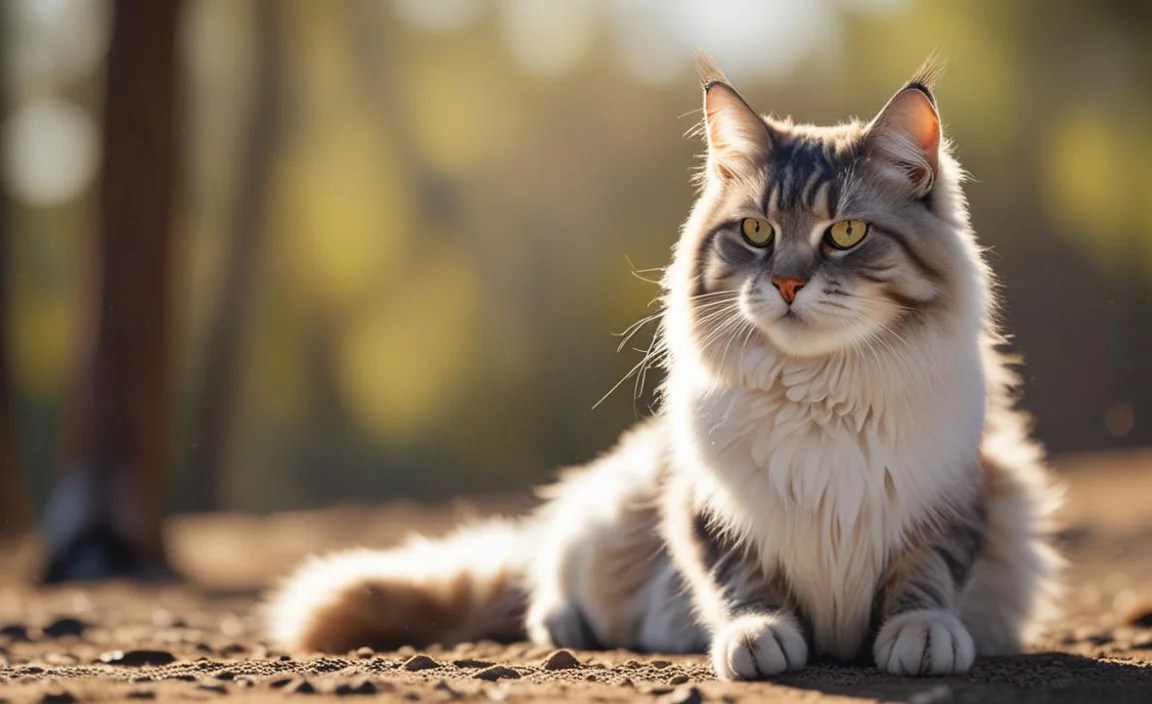
Siberian cats are very adaptable to cold climates. Their thick coat provides excellent insulation. They also have a dense undercoat. This traps air and keeps them warm. Siberians also have large paws. These act like snowshoes. They help them walk on snow without sinking. Their natural adaptations make them ideal for winter adventures.
Safe Winter Activities for Siberian Cats

What are some safe winter activities for Siberian cats? Supervised playtime in the snow is a great option. Let them explore and play in a safe area. Leash walking is also good. This allows you to control their movements. Avoid letting them wander off into deep snow. This can be dangerous. Always supervise their outdoor time. This ensures they stay safe and warm.
Grooming Tips for Siberian Cats in Winter

Grooming is important for Siberian cats in winter. Their thick coat can easily trap snow and ice. Brush them regularly. This helps remove any debris. Pay special attention to their paws. Check for ice balls between their toes. These can be painful. Keep their coat clean and dry. This helps prevent mats and tangles. Proper grooming will keep your Siberian comfortable all winter long.
Fun Fact or Stat: Siberian cats have a triple coat, which provides extra insulation against the cold!
Abyssinian: The Curious Explorer
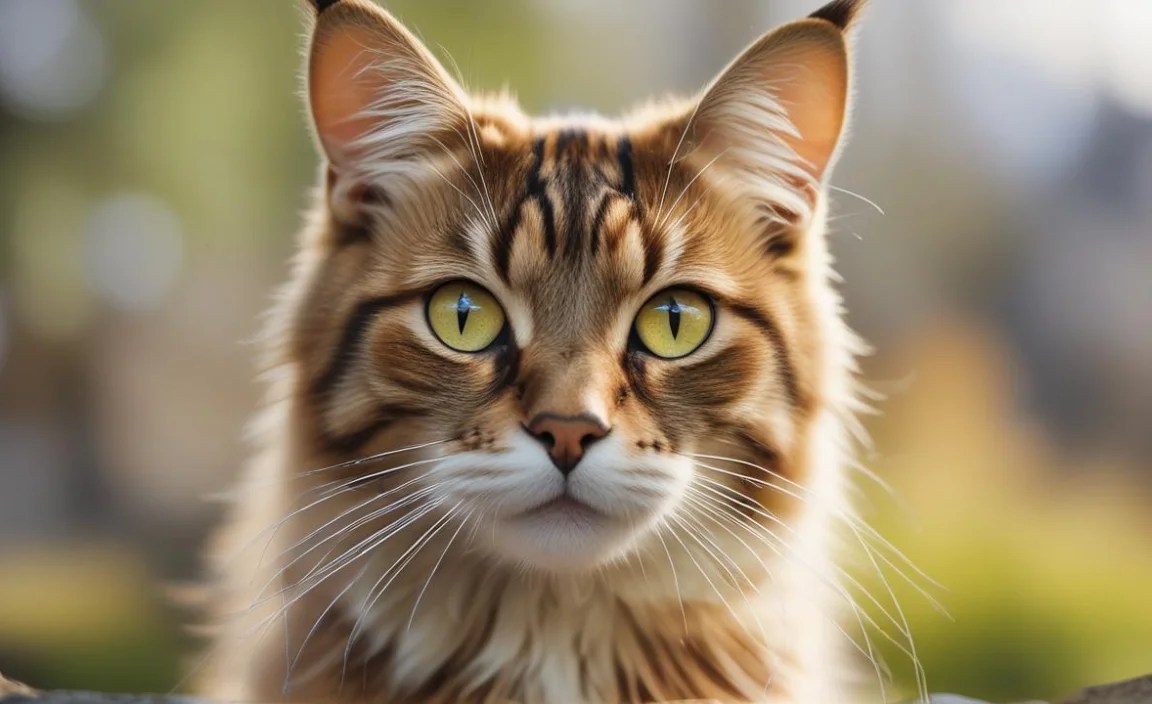
The Abyssinian is a very active and curious breed. They love to explore new places. They are always on the go. Abyssinians are intelligent and playful. They need a lot of stimulation. Outdoor adventures are perfect for them. They enjoy climbing, jumping, and exploring. They are also very social. They like to interact with their owners. This makes them great companions for outdoor activities.
- They are active and curious cats.
- Abyssinians are intelligent and playful.
- They enjoy climbing and jumping.
- They are very social and interactive.
- They need a lot of stimulation.
- They are good with children and other pets.
When taking your Abyssinian outside, be prepared for anything. They are quick and agile. They can climb trees in a flash. Keep them on a leash. This prevents them from running off. Provide them with plenty of opportunities to explore. But always supervise their activities. Abyssinians are curious. They also need a safe environment. With proper care, they will thrive on outdoor adventures.
Fun Fact or Stat: The Abyssinian breed is often referred to as the “Clown of the Cat World” due to their playful and mischievous personality!
Abyssinian’s High Energy Levels

Abyssinians have very high energy levels. They need a lot of exercise. Outdoor activities are a great way to burn off energy. They enjoy running, jumping, and climbing. They also love to play games. Fetch and chase are popular choices. Providing them with plenty of opportunities to exercise will keep them happy and healthy. It will also prevent boredom and destructive behavior.
Engaging Outdoor Activities for Abyssinians

What are some engaging outdoor activities for Abyssinians? Exploring a secure backyard is a great option. Let them climb trees and chase bugs. A cat agility course can provide a fun challenge. Leash walking is also good. This allows you to control their movements. Just be sure to choose a safe and quiet area. Abyssinians are curious. They need a stimulating environment.
Supervising Abyssinian Cats Outdoors

Supervising Abyssinian cats outdoors is very important. They are quick and agile. They can easily escape. Keep them on a leash. This prevents them from running off. Watch them closely at all times. Be aware of potential dangers. These include cars, other animals, and poisons. A secure fence can help keep them safe. But it’s still important to supervise their activities.
Fun Fact or Stat: Abyssinians are known for their distinctive ticked coat pattern, where each hair has bands of different colors!
Norwegian Forest Cat: The Climber

The Norwegian Forest Cat is another breed that loves the outdoors. They are strong and agile. They love to climb trees. They have a thick coat. This protects them from the cold. They are independent. They also enjoy human company. They make great family pets. These cats love exploring. They thrive in outdoor environments. They are well-suited for adventures.
- They are strong and agile climbers.
- Norwegian Forest Cats have a thick coat.
- They are independent and enjoy company.
- They adapt well to cold weather.
- They are intelligent and trainable.
- They need space to explore.
When taking your Norwegian Forest Cat outside, be mindful. Their climbing skills need safe outlets. Secure any tall trees. Provide climbing posts. Supervise their outdoor activities. This keeps them from danger. Ensure they have a way back inside. A cat door works well. This allows them to retreat when needed. These cats enjoy fresh air. Give them the chance to explore safely.
Fun Fact or Stat: Norwegian Forest Cats are believed to have traveled with the Vikings as mousers on their ships!
Climbing Needs of Norwegian Forest Cats

Norwegian Forest Cats have a strong need to climb. They need high places. These give them a good view. Climbing exercises their muscles. It also provides mental stimulation. Provide them with climbing opportunities. Cat trees are a great option. So are shelves and other high perches. Make sure these are stable. This will keep your cat safe. Climbing is essential. It keeps them happy and healthy.
Outdoor Shelter for Norwegian Forest Cats

Outdoor shelter is important for Norwegian Forest Cats. They need protection. Protection from the elements. Provide a cat house or shed. This gives them a place to escape. Escape from the sun. Escape from the rain. Ensure it is warm in winter. Make sure it is cool in summer. A safe shelter is essential. It allows them to enjoy the outdoors. It also protects them from harm.
Protecting Wildlife from Outdoor Cats

Protecting wildlife is important. It’s important when cats go outside. Cats are natural hunters. They can harm birds and other small animals. Keep your cat indoors. Especially during dawn and dusk. These are peak hunting times. Use a bell on their collar. This warns wildlife of their presence. Support local wildlife conservation efforts. This ensures a balance. Balance between pets and nature.
Fun Fact or Stat: Norwegian Forest Cats have tufts of fur on their ears and between their toes to help them stay warm in the winter!
Safeguarding Your Cat’s Outdoor Adventures

Cat breeds that enjoy outdoor adventures still need protection. Safety is key when letting cats explore. A secure environment is vital. This prevents them from running off. Vaccination and parasite control are essential. These protect them from disease. Microchipping ensures they can be identified. It helps them return home. Regular vet checks are important. They ensure they stay healthy. Outdoor adventures can be rewarding. But safety must always come first.
- Ensure vaccinations are up to date.
- Use flea and tick prevention regularly.
- Microchip your cat for identification.
- Supervise outdoor activities.
- Check for hazards in the environment.
- Provide fresh water and shade.
Consider the weather. Hot weather can be dangerous. Provide shade and water. Cold weather can also be a risk. Provide a warm shelter. Avoid letting your cat out during extreme conditions. Be aware of local wildlife. Some animals can pose a threat. Coyotes and foxes can harm cats. Keep your cat safe. Supervise their outdoor time.
Fun Fact or Stat: Cats have a natural instinct to hide when they feel threatened or scared!
Leash Training for Outdoor Cats

Leash training is good for outdoor cats. Start slowly. Let them get used to the harness. Use positive reinforcement. Reward them with treats. Gradually introduce the leash. Start with short walks indoors. Then move to the outdoors. Be patient. It takes time for them to adjust. Leash training allows safe exploration. It also helps prevent them from running off.
Creating a Safe Outdoor Space for Cats

Creating a safe outdoor space is important. A catio is a great option. This provides outdoor access. It also keeps them safe. Ensure your yard is secure. Check for holes in the fence. Remove poisonous plants. Provide climbing opportunities. Cat trees are a great addition. A safe outdoor space allows them to explore. It also protects them from danger.
Monitoring Your Cat’s Health After Outdoor Trips

Monitoring your cat’s health is crucial. Do it after outdoor trips. Check for ticks and fleas. Look for any signs of injury. Watch for changes in behavior. If you notice anything unusual, contact your vet. Early detection is key. It prevents serious health problems. Regular vet checks are essential. They ensure your cat stays healthy.
Fun Fact or Stat: Cats can rotate their ears 180 degrees, allowing them to pinpoint the source of sounds!
Comparing Cat Breeds for Outdoor Adventures

Choosing the right breed matters. It matters for outdoor adventures. Some breeds are more suited than others. Consider their energy levels. Consider their temperament. Consider their physical abilities. Maine Coons are gentle giants. Siberians love the snow. Abyssinians are curious and active. Norwegian Forest Cats are climbers. Research different breeds. Find the best fit. Find the best fit for your lifestyle. Find the best fit for your outdoor plans.
| Breed | Energy Level | Temperament | Outdoor Suitability |
|---|---|---|---|
| Maine Coon | Medium | Friendly, Gentle | Good |
| Siberian | Medium to High | Playful, Affectionate | Excellent |
| Abyssinian | High | Curious, Active | Good |
| Norwegian Forest Cat | Medium | Independent, Affectionate | Excellent |
Think about your climate. Some breeds do better in certain climates. Siberians thrive in cold weather. Other breeds are more adaptable. Consider your lifestyle. Do you have time for an active cat? Some breeds need more attention. Some breeds need more exercise. Choose a breed that matches your needs. This will ensure a happy cat. This will ensure a happy owner.
Fun Fact or Stat: A cat’s whiskers are about as wide as their body, which helps them determine if they can fit through a space!
Considerations for Multi-Cat Households

Multi-cat households need extra care. Ensure all cats get along. Introduce them slowly. Provide enough space. Each cat needs its own resources. Food bowls, water bowls, and litter boxes. Outdoor adventures can be tricky. Supervise their interactions. Prevent conflicts. Some cats may not enjoy the outdoors. Respect their preferences. A happy multi-cat household is balanced. It’s also harmonious.
The Importance of Enrichment for Indoor Cats

Enrichment is vital for indoor cats. Provide toys and climbing structures. Rotate their toys regularly. This keeps them interested. Play with them daily. This strengthens your bond. It also provides exercise. A stimulating environment is essential. It keeps them happy and healthy. Even indoor cats need enrichment.
Consulting with a Veterinarian

Consulting with a veterinarian is important. Discuss your plans. Discuss your outdoor plans. Get advice on vaccinations. Get advice on parasite control. Ensure your cat is healthy. Ensure they are fit for outdoor activities. A vet can provide valuable guidance. They can also address any concerns. Regular check-ups are essential. They keep your cat healthy.
Fun Fact or Stat: Cats have a third eyelid, called a nictitating membrane, which helps protect their eyes!
Summary
Some cat breeds that enjoy outdoor adventures. Maine Coons are friendly and large. Siberians love the snow. Abyssinians are curious and active. Norwegian Forest Cats are great climbers. Each breed has unique needs. Safety is very important. Vaccinations, microchipping, and supervision are essential. Consider your cat’s personality. Consider its health. Choose activities that are safe and fun. Outdoor adventures can enrich a cat’s life.
Remember to protect wildlife. Keep your cat supervised. Use a bell on their collar. A catio can be a safe option. Leash training is also helpful. Choose the right breed for your lifestyle. A happy and healthy cat is one that gets to explore. But it must be done safely. Consulting with a vet is always a good idea. They can provide guidance. They can also address any concerns.
Conclusion
Cat breeds that enjoy outdoor adventures can bring joy. They can also bring excitement to your life. Choose a breed that fits your lifestyle. Prioritize safety above all else. Supervise their outdoor time. Protect them from hazards. A happy and healthy cat is a great companion. They enrich our lives. With proper care, your cat can enjoy the great outdoors. This enhances their well-being.
Frequently Asked Questions
Question No 1: Which cat breeds are best suited for outdoor adventures?
Answer: Some cat breeds are more inclined to enjoy outdoor activities. Maine Coons, with their gentle nature and adaptability, often enjoy exploring. Siberians, built for cold climates, love playing in the snow. Abyssinians are curious and active, thriving on outdoor stimulation. Norwegian Forest Cats are natural climbers, enjoying high vantage points. These cat breeds that enjoy outdoor adventures make great companions. But remember, individual personalities vary. Not all cats within these breeds will enjoy being outside.
Question No 2: How can I keep my outdoor cat safe from predators?
Answer: Protecting your cat from predators is crucial. Supervise their outdoor time. Especially during dawn and dusk. These are peak hunting times for many predators. Use a secure harness and leash. This prevents them from wandering off. Install a cat-proof fence around your yard. This creates a safe enclosure. Consider a catio. This provides outdoor access in a controlled environment. Motion-activated lights can deter some predators. Always be vigilant. This helps keep your cat safe.
Question No 3: What vaccinations and preventative care do outdoor cats need?
Answer: Outdoor cats need specific vaccinations and preventative care. This protects them from diseases and parasites. Core vaccinations include rabies, feline distemper, calicivirus, and herpesvirus. These protect against common and serious illnesses. Regular deworming is essential. This prevents internal parasites. Flea and tick prevention is also crucial. This protects against external parasites. Regular vet check-ups are important. They ensure your cat’s overall health. Talk to your vet about the best plan for your cat. Especially if they are one of the cat breeds that enjoy outdoor adventures.
Question No 4: How do I leash-train my cat for outdoor walks?
Answer: Leash-training requires patience. Start by getting your cat used to wearing a harness. Let them wear it for short periods indoors. Reward them with treats and praise. Gradually introduce the leash. Let them drag it around. Once they are comfortable, start short walks indoors. Then move to the outdoors. Choose a quiet area. Avoid distractions. Keep the walks short. Reward them for good behavior. Never force them. Make it a positive experience. Many cat breeds that enjoy outdoor adventures can adapt to leash training.
Question No 5: What are the signs that my cat is not enjoying outdoor activities?
Answer: Pay attention to your cat’s behavior. Signs of stress include flattened ears. Also look for a tucked tail. Hissing, growling, and trying to escape are also indicators. Excessive meowing or panting can signal discomfort. If your cat seems anxious or scared, stop the activity. Provide a safe and comfortable space. Not all cats enjoy being outside. Respect their preferences. Even among cat breeds that enjoy outdoor adventures, individual preferences vary.
Question No 6: How can I protect local wildlife from my outdoor cat?
Answer: Protecting wildlife is important. Keep your cat indoors during peak hunting times. Dawn and dusk are especially critical. Use a bell on their collar. This warns wildlife of their presence. Supervise their outdoor time. This prevents them from hunting. Consider a catio. This provides outdoor access. But keeps them contained. Support local wildlife conservation efforts. Be a responsible pet owner. Even if you have one of the cat breeds that enjoy outdoor adventures, responsible pet ownership is a must.


