
British Shorthair Kitten Adoption: Find Your Purrfect Match

Have you ever seen a fluffy, round-faced kitten? Maybe you dreamed of bringing one home. A British Shorthair kitten adoption could make that dream real. These kittens are known for their sweet nature. They also have beautiful, dense fur. Getting one is a big decision. But it can bring so much joy to your life.
Do you know where to start looking? What do you need to know? This guide will help you find the perfect furry friend. We will explore everything about British Shorthair kitten adoption. Get ready for an exciting adventure!
Key Takeaways
- British Shorthair kitten adoption brings a loving, gentle companion into your home.
- These kittens need proper care. This includes good food and regular vet visits.
- Find a reputable breeder or rescue. This ensures a healthy and happy kitten.
- Prepare your home before you bring your new kitten home. Make it safe and fun.
- Be patient. It takes time for a kitten to adjust. Show lots of love.
The Appeal of British Shorthair Kitten Adoption

Why are British Shorthair kittens so popular? They have a charming, cuddly look. Their round faces and big eyes melt hearts. But it’s not just their looks. These kittens have a wonderful personality. They are calm and friendly. They love to play, but they also enjoy quiet time. This makes them great for families. They are also good for people who live alone. A British Shorthair kitten adoption can change your life. You get a friend who is always there for you. They offer comfort and joy. They fit into many different homes. Their easy-going nature makes them a perfect pet.
- They have a round face and big eyes.
- They are known for their dense, plush fur.
- British Shorthairs are calm and gentle.
- They enjoy both playtime and quiet cuddles.
- They adapt well to various living situations.
Imagine coming home to a purring kitten. This kitten greets you at the door. It rubs against your legs. A British Shorthair kitten can be your shadow. It follows you from room to room. They love to be part of your day. They might nap on your lap while you read. Or they might chase a toy mouse across the floor. These kittens bring a sense of peace. They also bring fun to your home. The decision to adopt is a big one. But the rewards are even bigger. You gain a loyal friend. You also gain a furry family member. This new member will fill your life with love and laughter.
Fun Fact or Stat: British Shorthairs are one of the oldest cat breeds in England!
Why Choose a British Shorthair Kitten?
Why should you pick a British Shorthair kitten? These kittens have traits that make them special. They are known for being independent. They are also affectionate. They don’t demand attention all the time. This makes them good for busy people. They are also good for people who are home a lot. They are happy to play by themselves. But they also enjoy cuddling with you. Their coat is easy to care for. This is another big plus. A quick brush a few times a week is enough. These kittens are also healthy. They don’t have many breed-specific health problems. With good care, they can live long, happy lives. Choosing a British Shorthair kitten means choosing a loving, low-maintenance friend.
What Makes Them Special?
What sets British Shorthair kittens apart from other breeds? It’s their unique mix of traits. They have a calm, dignified nature. They are not as hyper as some other kittens. They are also not as needy as some other kittens. This makes them a good choice for many homes. They are also known for their beautiful blue-gray coat. This is the most common color. But they can also come in other colors. These colors include white, black, and cream. Their eyes are usually copper or gold. This adds to their charm. Their round faces and stocky bodies make them look like teddy bears. All of these things make them special. These things make them a great choice for a family pet.
Are They Right for You?
Are you the right person for a British Shorthair kitten? Think about your lifestyle. Think about your home. Do you have time to play with a kitten? Can you give it the love and care it needs? These kittens are easy to care for. But they still need attention. They need food, water, and a clean litter box. They also need regular vet checkups. If you can give them these things, then maybe a British Shorthair kitten is right for you. They will bring you years of joy. They will also bring you companionship. They will become a beloved member of your family.
Finding a Kitten for Adoption
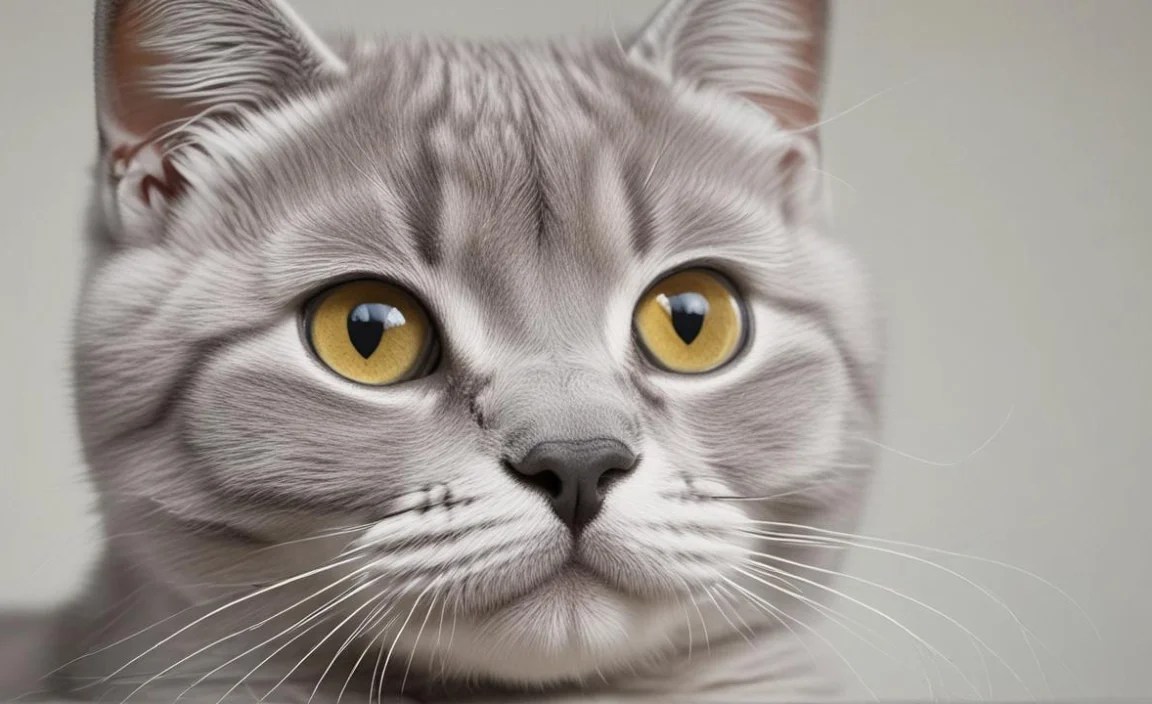
Where can you find a British Shorthair kitten for adoption? This is a very important question. You want to find a healthy, happy kitten. You also want to support responsible breeders or rescues. Start by looking at local animal shelters. Sometimes, purebred kittens end up in shelters. You might get lucky and find a British Shorthair. If not, look for reputable breeders. Ask them questions about their cats. How do they care for them? Do they do health screenings? A good breeder will be happy to answer your questions. They will also want to make sure you are a good fit for their kitten. Online resources can also help. But be careful. Make sure the source is trustworthy. Avoid breeders who seem shady or who don’t care about their cats’ well-being.
- Check local animal shelters regularly.
- Research reputable British Shorthair breeders.
- Ask breeders about health screenings.
- Visit the breeder’s location to see the cats.
- Use online resources. But be cautious.
Choosing the right place to get your kitten is key. It can affect the kitten’s health. It can also affect its temperament. A kitten from a loving home will be better adjusted. It will also be more social. This makes it easier to bond with you. A kitten from a bad breeder might have health problems. It might also have behavioral issues. Do your research. Take your time. Don’t rush into a British Shorthair kitten adoption. The effort you put in now will pay off. You will have a happy, healthy kitten for many years to come. This kitten will bring you lots of joy and love.
Fun Fact or Stat: Many rescue organizations specialize in rehoming purebred cats!
Shelters and Rescues
Why should you consider getting a kitten from a shelter or rescue? There are many good reasons. You are giving a home to a cat that needs one. You are also helping to reduce pet overpopulation. Shelters often have kittens of all ages. You might find a British Shorthair kitten. Even if you don’t, you might find another kitten you love. Shelters screen their cats for health problems. They also give them vaccinations. This can save you money on vet bills. Adopting from a shelter is also cheaper. The adoption fees are usually lower than buying from a breeder. Plus, you get the satisfaction of knowing you did a good thing. You gave a homeless cat a second chance. What could be better than that?
Reputable Breeders
How do you find a good British Shorthair breeder? Start by asking for recommendations. Talk to friends. Talk to your vet. Look online for breeders in your area. Once you find some, do your research. Check their websites. Read reviews. Look for breeders who are members of cat fancier associations. These associations have standards for breeding practices. A good breeder will let you visit their cattery. They will show you the kittens and their parents. They will answer your questions honestly. They will also ask you questions about your home. They want to make sure you are a good fit for their kitten. A reputable breeder cares about the well-being of their cats. They want to find them good homes.
Avoiding Scams
How can you avoid scams when looking for a kitten? Be very careful about online ads. If a deal seems too good to be true, it probably is. Never send money to someone you haven’t met in person. Don’t buy a kitten from a breeder who won’t let you visit. Ask for references from other buyers. Check the breeder’s reputation online. Look for red flags. Does the breeder pressure you to buy a kitten? Do they have lots of different breeds of cats? These could be signs of a scam. Trust your gut. If something feels wrong, walk away. It’s better to be safe than sorry. You don’t want to lose your money. You also don’t want to support unethical breeders.
Preparing Your Home
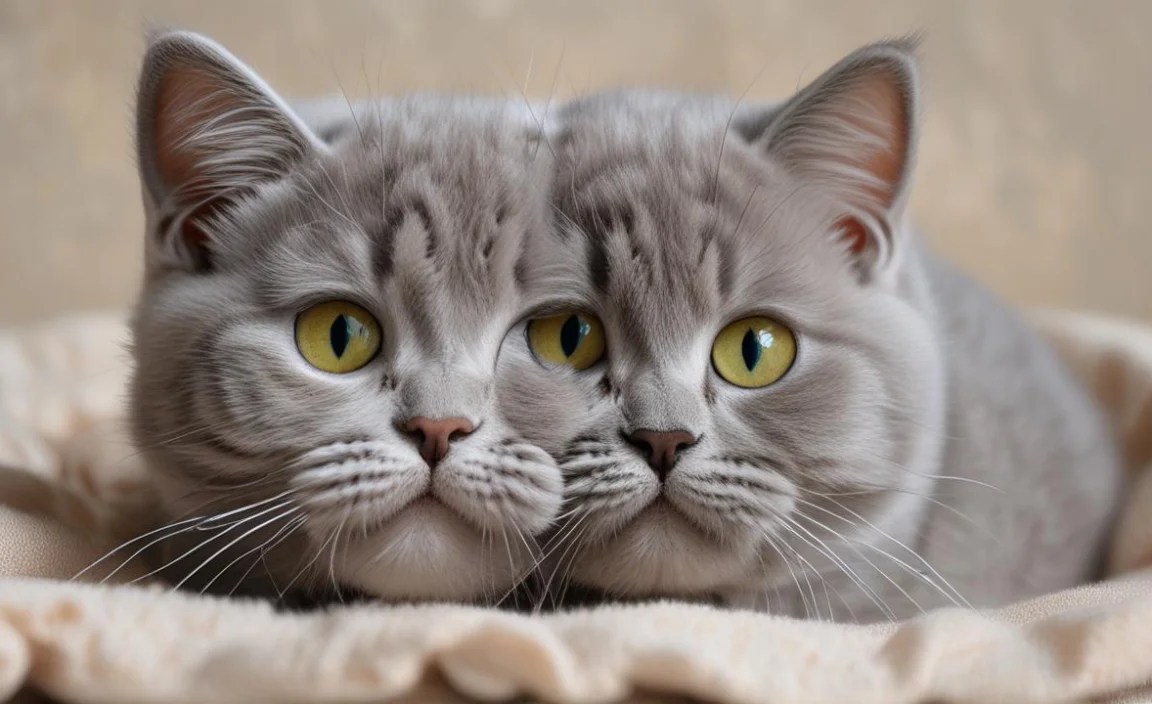
Getting ready for a British Shorthair kitten adoption? You need to make your home safe. You also need to make it fun. Kittens are curious. They love to explore. Remove anything that could be dangerous. This includes electrical cords and cleaning supplies. Put away small objects they could swallow. Provide plenty of toys. Scratching posts are also important. These will keep them from scratching your furniture. Set up a litter box in a quiet place. Make sure it’s easy for the kitten to reach. Prepare a cozy bed for your new kitten. Put it in a warm, safe spot. When you bring your kitten home, be patient. Let it explore at its own pace. Don’t force it to interact with you. It will come to you when it’s ready.
- Remove hazards like cords and small objects.
- Provide scratching posts and toys.
- Set up a litter box in a quiet area.
- Create a cozy and safe bed for the kitten.
- Be patient and let the kitten explore.
Think about how your life will change. Think about how your home will change. A kitten needs attention. It also needs care. Are you ready for that? Do you have other pets? If so, introduce them slowly. Keep them separated at first. Let them get used to each other’s scents. Then, let them meet for short periods of time. Supervise their interactions. Your new kitten will need time to adjust. It will also need love. It will become a part of your family. Preparing your home is the first step. It helps to make the transition smooth. It also helps to make your kitten happy.
Fun Fact or Stat: Kittens sleep up to 20 hours a day to help them grow!
Creating a Safe Space
How do you make a safe space for your new kitten? Start by checking each room. Look for things that could be dangerous. Cover electrical cords. Put away cleaning supplies. Pick up small objects. Close off any areas where the kitten could get stuck. This includes behind appliances or under furniture. Make sure your windows and screens are secure. You don’t want your kitten to escape. Provide a safe place where your kitten can retreat. This could be a carrier or a cozy bed. Put it in a quiet, low-traffic area. Your kitten will feel safe and secure. This is very important for a smooth transition. It will also help your kitten to adjust to its new home.
Essential Supplies
What supplies do you need for a new kitten? A litter box is very important. You also need litter. Food and water bowls are also important. Choose bowls that are shallow and easy to clean. You’ll also need kitten food. Choose a high-quality food that is made for kittens. Toys are essential for playtime. Scratching posts will help protect your furniture. A carrier is useful for vet visits. A brush will help keep your kitten’s coat healthy. A collar with an ID tag is also a good idea. This will help you find your kitten if it gets lost. Having these supplies ready will make your kitten’s arrival easier. It will also make you feel prepared.
Introducing to Other Pets
How do you introduce a new kitten to your other pets? Do it slowly. Keep them separated at first. Let them sniff each other under the door. Feed them on opposite sides of the door. This will help them associate each other with positive things. After a few days, let them meet for short periods of time. Supervise their interactions. Make sure they are behaving well. If they start to fight, separate them. Gradually increase the amount of time they spend together. Be patient. It can take weeks or even months for pets to adjust to each other. Never force them to interact. Let them get to know each other at their own pace. With patience and care, they can become friends. It will take time, but they can learn to live together.
Caring for Your British Shorthair Kitten

Caring for a British Shorthair kitten is a joy. It also requires responsibility. These kittens need a balanced diet. Choose a high-quality kitten food. This will help them grow strong and healthy. Provide fresh water at all times. Regular vet checkups are very important. Your vet will give your kitten vaccinations. They will also check for any health problems. Grooming is also important. Brush your kitten a few times a week. This will help prevent mats and tangles. It will also reduce shedding. Playtime is essential for exercise. It also helps your kitten bond with you. Provide plenty of toys. Spend time playing with your kitten every day. With proper care, your British Shorthair kitten will thrive.
| Care Aspect | Details | Frequency |
|---|---|---|
| Feeding | High-quality kitten food | 2-3 times daily |
| Water | Fresh, clean water | Always available |
| Vet Checkups | Vaccinations, checkups | Annually |
| Grooming | Brushing | 2-3 times per week |
- Feed a high-quality kitten food.
- Provide fresh water at all times.
- Schedule regular vet checkups.
- Brush your kitten regularly.
- Play with your kitten every day.
Remember that a British Shorthair kitten adoption is a long-term commitment. You are responsible for this kitten’s well-being. You need to provide it with love, care, and attention. Be patient. Kittens can be mischievous. They might scratch your furniture. They might knock things over. But they also bring so much joy. They will become a beloved member of your family. The love and companionship they provide are worth the effort. Enjoy the journey of raising your British Shorthair kitten. It’s a special time. You will create memories that will last a lifetime.
Fun Fact or Stat: British Shorthairs are known for their slow maturation, reaching full size around 3-5 years!
Nutrition for Growth
What should you feed your British Shorthair kitten? Kittens need a diet that is rich in protein. This helps them grow strong muscles. They also need fat for energy. Choose a kitten food that is specifically formulated for kittens. These foods have the right balance of nutrients. Follow the feeding guidelines on the food package. Don’t overfeed your kitten. This can lead to obesity. Provide fresh water at all times. Avoid giving your kitten table scraps. These can be unhealthy. They can also lead to begging. A healthy diet is essential for a healthy kitten. It will also help your kitten live a long, happy life.
Health and Wellness
How do you keep your British Shorthair kitten healthy? Regular vet checkups are very important. Your vet will give your kitten vaccinations. They will also check for parasites. This includes fleas and worms. These can make your kitten sick. Keep your kitten indoors. This will protect it from diseases. It will also protect it from cars and other dangers. Provide a clean litter box. This will help prevent urinary problems. Watch for signs of illness. These include loss of appetite, vomiting, and diarrhea. If you notice anything unusual, call your vet. Early treatment can prevent serious health problems. A healthy kitten is a happy kitten. It will bring you years of joy.
Grooming Needs
What kind of grooming does a British Shorthair kitten need? Their coat is dense. It needs regular brushing. This will help prevent mats and tangles. It will also reduce shedding. Brush your kitten a few times a week. Use a soft brush. Start slowly. Make it a positive experience. Give your kitten treats. Talk to it in a soothing voice. Most British Shorthairs enjoy being brushed. Bathe your kitten only when necessary. Over-bathing can dry out their skin. Trim your kitten’s nails regularly. This will prevent them from scratching you or your furniture. Check your kitten’s ears regularly. Clean them with a cotton ball if they are dirty. Regular grooming helps your kitten look and feel its best.
Common Health Issues
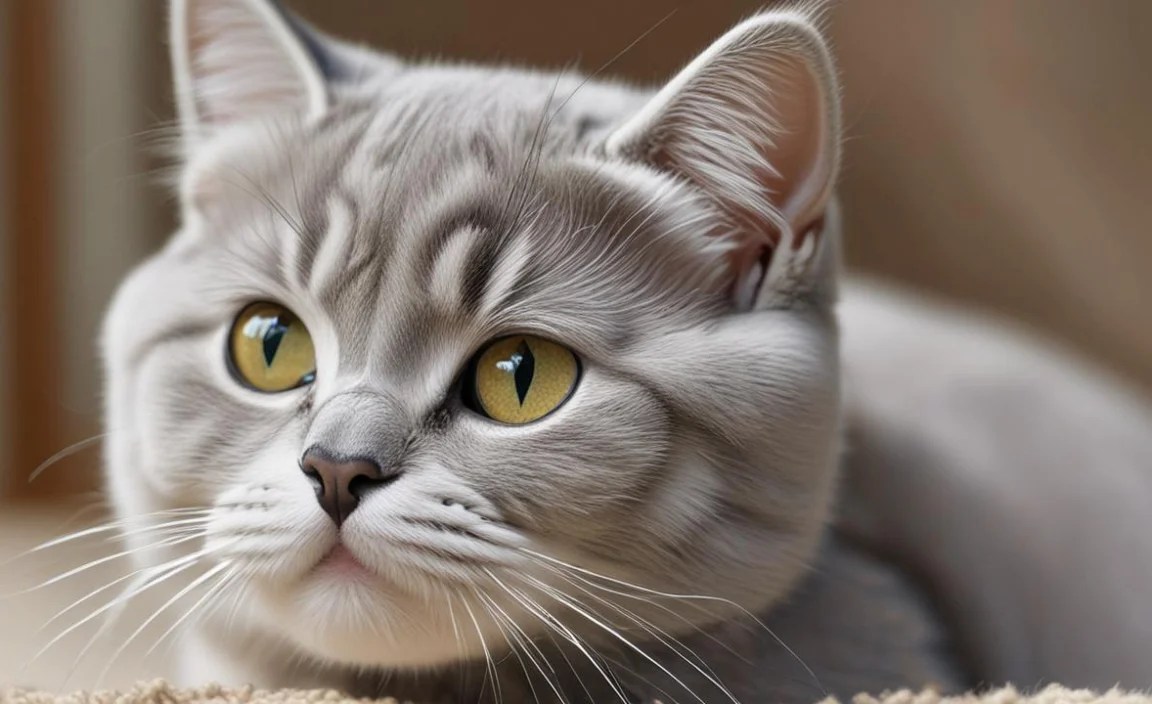
What are some common health issues in British Shorthair kittens? They are generally healthy. But they can be prone to certain problems. Hypertrophic cardiomyopathy (HCM) is a heart disease. Polycystic kidney disease (PKD) is a kidney disease. Both of these diseases are genetic. A good breeder will screen their cats for these problems. Respiratory infections are also common in kittens. These can cause sneezing and coughing. Obesity is another concern. British Shorthairs can gain weight easily. Feed your kitten a healthy diet. Make sure it gets plenty of exercise. Dental problems can also occur. Brush your kitten’s teeth regularly. Regular vet checkups can help detect these problems early. Early treatment can improve your kitten’s quality of life.
- Hypertrophic cardiomyopathy (HCM) is a heart issue.
- Polycystic kidney disease (PKD) affects kidneys.
- Respiratory infections can cause sneezing.
- Obesity is a common concern.
- Dental problems can occur.
Knowing about these potential health issues is important. It helps you be prepared. It also helps you take good care of your kitten. If you notice any signs of illness, see your vet. Don’t try to diagnose or treat your kitten yourself. Your vet can give you the best advice. They can also provide the best treatment. A healthy kitten is a happy kitten. By being aware of these common health issues, you can help your British Shorthair kitten live a long, healthy life. This will bring you both many years of joy.
Fun Fact or Stat: Regular vet checkups can help detect health issues early, leading to better outcomes!
Understanding HCM
What is hypertrophic cardiomyopathy (HCM)? It is a heart disease. It causes the heart muscle to thicken. This can make it harder for the heart to pump blood. HCM is often genetic. There is no cure. But it can be managed with medication. Symptoms of HCM include difficulty breathing. Symptoms also include lethargy. If you think your kitten might have HCM, see your vet. They can do tests to diagnose the condition. Early diagnosis and treatment can improve your kitten’s quality of life. A good breeder will screen their cats for HCM. This can help reduce the risk of your kitten developing the disease.
Recognizing PKD
What is polycystic kidney disease (PKD)? It is a kidney disease. It causes cysts to form on the kidneys. These cysts can damage the kidneys. This can lead to kidney failure. PKD is often genetic. There is no cure. But it can be managed with medication and diet. Symptoms of PKD include increased thirst. Symptoms also include frequent urination. If you think your kitten might have PKD, see your vet. They can do tests to diagnose the condition. Early diagnosis and treatment can help slow the progression of the disease. A good breeder will screen their cats for PKD. This can help reduce the risk of your kitten developing the disease.
Preventing Obesity
How can you prevent obesity in your British Shorthair kitten? Feed your kitten a healthy diet. Choose a kitten food that is specifically formulated for kittens. Follow the feeding guidelines on the food package. Don’t overfeed your kitten. This can lead to weight gain. Provide plenty of exercise. Play with your kitten every day. This will help it burn calories. Avoid giving your kitten table scraps. These can be high in calories. They can also be unhealthy. Weigh your kitten regularly. This will help you track its weight. If you notice your kitten is gaining weight, talk to your vet. They can give you advice on how to help your kitten lose weight. Maintaining a healthy weight is important for your kitten’s health.
Training and Socialization
Training and socializing your British Shorthair kitten is important. It helps them become well-adjusted. It also helps them become happy cats. Start early. Kittens learn quickly. Use positive reinforcement. Reward good behavior with treats. Avoid punishment. This can scare your kitten. It can also damage your relationship. Socialize your kitten. Expose it to new people. Also expose it to new places and new sounds. This will help it become confident. It will also help it become friendly. Teach your kitten basic commands. This includes “come,” “sit,” and “stay.” These commands can be useful. They can also help keep your kitten safe. With patience and consistency, you can train your British Shorthair kitten. You can also socialize it well.
- Start training and socialization early.
- Use positive reinforcement.
- Expose your kitten to new things.
- Teach basic commands.
- Be patient and consistent.
Remember that every kitten is different. Some kittens learn faster than others. Some kittens are more social than others. Don’t compare your kitten to other kittens. Focus on its individual needs. Celebrate its successes. Be patient with its challenges. The time and effort you put into training. The time and effort you put into socializing will pay off. You will have a well-behaved. You will also have a well-adjusted cat. This cat will bring you years of joy. A British Shorthair kitten adoption is a wonderful experience. It is even better when you train and socialize your kitten well.
Fun Fact or Stat: Socialization is most effective when kittens are between 2 and 7 weeks old!
Litter Box Training
How do you litter box train your British Shorthair kitten? Start by showing your kitten the litter box. Put it in the litter box after meals. Also put it in the litter box after naps. If you see your kitten squatting, pick it up. Gently put it in the litter box. Praise your kitten when it uses the litter box. Clean the litter box every day. This will help prevent accidents. Don’t punish your kitten for accidents. This will only scare it. Clean up accidents with an enzymatic cleaner. This will remove the odor. This will also prevent your kitten from repeating the behavior. Be patient. It may take a few weeks for your kitten to learn. With consistency and patience, your kitten will learn to use the litter box.
Scratch Post Training
How do you teach your kitten to use a scratching post? Place the scratching post near your kitten’s favorite sleeping area. This will encourage it to use the post when it wakes up. Sprinkle catnip on the scratching post. This will make it more appealing. When you see your kitten scratching furniture, gently move it to the scratching post. Reward it with a treat when it scratches the post. Make the scratching post fun. Play with your kitten near the post. Use a toy to encourage it to scratch. Try different types of scratching posts. Some kittens prefer vertical posts. Some kittens prefer horizontal posts. Find one that your kitten likes. With patience and consistency, your kitten will learn to use the scratching post.
Socializing with People
How do you socialize your British Shorthair kitten with people? Expose your kitten to different people. This includes men, women, and children. Make sure the interactions are positive. Have people offer your kitten treats. Have them play with your kitten. Teach children how to handle your kitten gently. Supervise their interactions. If your kitten seems scared, give it space. Don’t force it to interact. Let it approach people on its own terms. Invite friends over to meet your kitten. This will help it become comfortable around new people. Socializing your kitten with people will make it a friendly. It will also make it a well-adjusted cat.
Summary
British Shorthair kitten adoption can bring a lot of joy. These kittens are known for their calm nature. They are also known for their beautiful looks. Finding a kitten involves research. You need to find a good breeder or rescue. Preparing your home is key. This includes making it safe. It also includes providing essential supplies. Caring for your kitten includes feeding it well. It also includes providing vet care. Training and socialization are also important. They help your kitten become well-adjusted. Remember that a British Shorthair kitten adoption is a commitment. It requires love. It also requires patience. The rewards are well worth the effort.
Conclusion
Bringing a British Shorthair kitten into your home is special. These kittens bring love and companionship. They become members of your family. Remember to provide proper care. This includes good food and regular vet visits. Training and socialization are also important. They help your kitten grow into a happy cat. Enjoy the journey of British Shorthair kitten adoption. It will bring you years of joy. It will also bring you years of love.
Frequently Asked Questions
Question No 1: How do I choose the right British Shorthair kitten?
Answer: Look for a kitten that is active and playful. Check its eyes and nose. They should be clean and clear. Ask the breeder or rescue about the kitten’s health history. Make sure the kitten has been vaccinated. Also make sure the kitten has been dewormed. Spend time with the kitten. See if you connect with its personality. A British Shorthair kitten adoption is a big decision. So take your time. Choose a kitten that is a good fit for you.
Question No 2: What is the best food for a British Shorthair kitten?
Answer: Choose a high-quality kitten food. Look for one that is specifically formulated for kittens. It should be rich in protein and fat. These nutrients are important for growth. Follow the feeding guidelines on the food package. Don’t overfeed your kitten. This can lead to obesity. Provide fresh water at all times. Avoid giving your kitten table scraps. These can be unhealthy. They can also lead to begging. A good diet is essential for a healthy kitten. If you are unsure about what to feed your kitten, ask your vet. They can give you personalized recommendations.
Question No 3: How much grooming does a British Shorthair kitten need?
Answer: British Shorthairs have a dense coat. This requires regular brushing. Brush your kitten a few times a week. This will help prevent mats and tangles. It will also reduce shedding. Use a soft brush. Start slowly. Make it a positive experience. Give your kitten treats. Talk to it in a soothing voice. Bathe your kitten only when necessary. Over-bathing can dry out their skin. Trim your kitten’s nails regularly. Check its ears regularly. Clean them with a cotton ball if they are dirty. Regular grooming helps your kitten look and feel its best.
Question No 4: How do I train my British Shorthair kitten?
Answer: Start training early. Kittens learn quickly. Use positive reinforcement. Reward good behavior with treats. Avoid punishment. This can scare your kitten. It can also damage your relationship. Teach your kitten basic commands. This includes “come,” “sit,” and “stay.” These commands can be useful. They can also help keep your kitten safe. Be patient. Consistency is also important. With patience and consistency, you can train your British Shorthair kitten. You can also socialize it well.
Question No 5: Are British Shorthairs good with children?
Answer: Yes, British Shorthairs are generally good with children. They are known for being calm and gentle. However, it is important to supervise interactions. Teach children how to handle cats gently. Don’t let them pull on their tails or ears. Make sure the kitten has a safe place to retreat. If it feels overwhelmed, it can go there. With proper supervision and education, British Shorthairs can be wonderful pets for families with children. A British Shorthair kitten adoption can enrich a family dynamic.
Question No 6: What are some common health problems in British Shorthairs?
Answer: British Shorthairs are generally healthy cats. However, they can be prone to certain health problems. These include hypertrophic cardiomyopathy (HCM). This is a heart disease. They can also develop polycystic kidney disease (PKD). This affects the kidneys. Obesity is another common concern. They can also develop dental problems. Regular vet checkups can help detect these problems early. Early treatment can improve your kitten’s quality of life. A British Shorthair kitten adoption requires you to be informed. Knowing the risks can help you be a responsible pet owner.


