
British Shorthair Coat Genetics: The Ultimate Guide

Have you ever seen a fluffy gray cat? It might be a British Shorthair! These cats are known for their soft, thick coats. But what makes their fur so special? It all starts with british shorthair coat genetics.
Genetics are like a secret code. This code tells a cat’s body what color and texture its fur should be. Let’s learn about the amazing science behind these beautiful cats.
Key Takeaways
- British shorthair coat genetics determine their wide array of colors and patterns.
- The dilute gene can turn black coats into beautiful blue-gray shades.
- Selective breeding has helped create many unique coat variations.
- Understanding genetics helps breeders predict kitten coat colors.
- Coat length and texture are also influenced by specific genes.
Understanding British Shorthair Coat Genetics

Have you ever wondered why British Shorthairs come in so many colors? It’s all thanks to british shorthair coat genetics! Genes are tiny instructions inside a cat’s body. These instructions decide things like eye color and fur color. Some genes are dominant, meaning they are more likely to show up. Other genes are recessive, meaning they need two copies to show up. The british shorthair coat genetics are complex. They create a wide range of colors and patterns. Breeders use this knowledge to predict what colors kittens will be. It’s like solving a puzzle to see what colors will appear! Each gene plays a special role in making these cats so unique and beautiful. The study of these genes helps us appreciate the science behind their stunning looks. Understanding how these genes work is key to breeding healthy and beautiful cats.
- Genes determine coat color and pattern.
- Dominant genes are more likely to show.
- Recessive genes need two copies to show.
- Breeders use genetics to predict colors.
- Each gene has a specific role.
Imagine you are painting a picture. The genes are like the different colors of paint you use. Some genes create black fur. Other genes create red fur. And some genes mix these colors to create new shades. The british shorthair coat genetics work in a similar way. They mix and match different genes to create all the amazing coat colors we see. This genetic diversity is what makes British Shorthairs so special. The way these genes interact can also affect the coat’s texture, making it soft and plush. This complex interplay results in the distinctive look of the British Shorthair. The study of these genes continues to reveal more about these fascinating cats.
Fun Fact or Stat: British Shorthairs can have over 300 different coat color and pattern combinations!
What Are the Basic Coat Colors?
What are the most common colors for British Shorthairs? The basic colors are black, white, red, and cream. These colors are determined by specific genes. The black gene is dominant. This means that a cat only needs one copy of this gene to have black fur. The red gene is also important. It creates red or orange fur. White fur is created by a different gene. This gene covers up all other colors. Cream fur is a diluted version of red. This means it is a lighter, softer color. Understanding these basic colors is the first step in understanding british shorthair coat genetics. These colors can mix and match to create even more colors. Each color tells a story about the cat’s genetic history.
How Do Dilute Genes Affect Color?
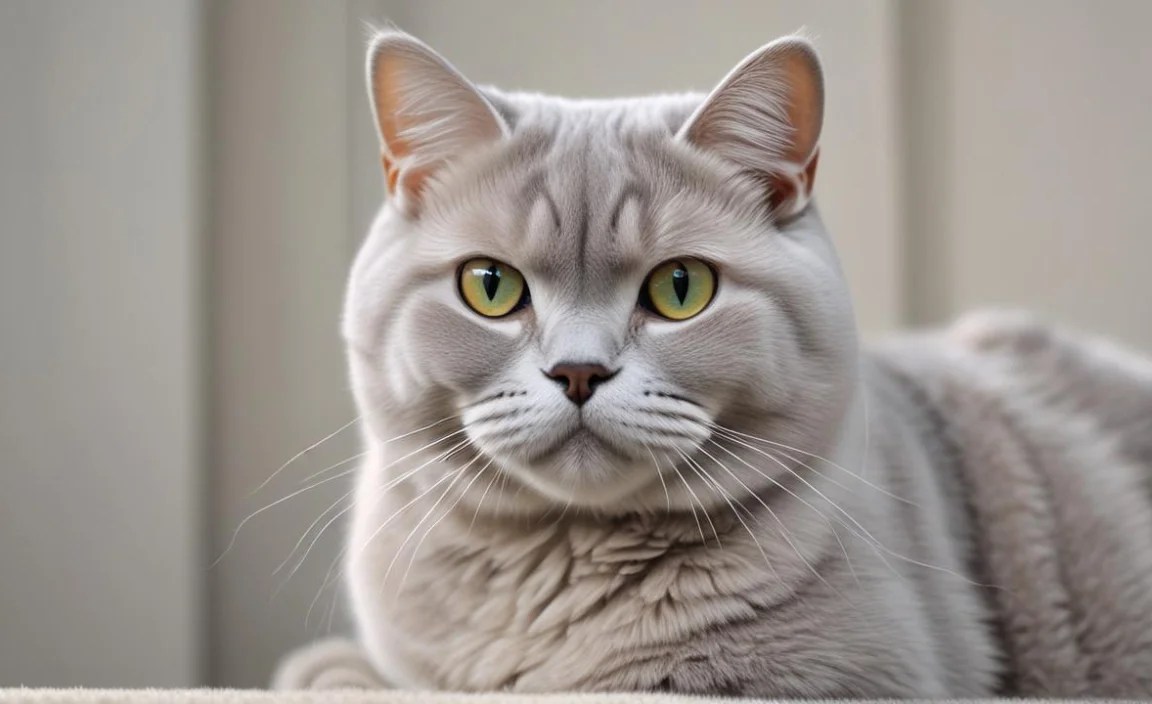
Have you ever seen a British Shorthair with a blue-gray coat? This color is created by a dilute gene. A dilute gene makes colors lighter. It turns black into blue-gray. It turns red into cream. The dilute gene is recessive. This means that a cat needs two copies of this gene to have a dilute color. Without the dilute gene, the cat will have the full, rich color. Dilute genes play a big role in british shorthair coat genetics. They add a soft, pastel touch to the coats. These dilute colors are very popular among British Shorthair lovers. The dilute gene shows how one small change in genetics can make a big difference in appearance.
What Are Some Common Coat Patterns?
British Shorthairs can have different coat patterns. The most common patterns are tabby, solid, and colorpoint. Tabby patterns have stripes or swirls. Solid patterns have one color all over. Colorpoint patterns have dark color on the face, ears, paws, and tail. These patterns are also determined by genes. The tabby gene is dominant. This means that a cat only needs one copy of this gene to have a tabby pattern. The solid gene is recessive. This means that a cat needs two copies of this gene to have a solid color. Colorpoint patterns are created by a special gene that is affected by temperature. British shorthair coat genetics include a wide variety of patterns.
Fun Fact or Stat: The “blue” British Shorthair is actually a dilute black, caused by a specific gene!
Exploring the Color Genes

Let’s dive deeper into the world of color genes! These genes act like tiny artists. They mix and match colors to create beautiful coats. The british shorthair coat genetics for color are complex. They involve many different genes working together. One important gene is the “agouti” gene. This gene controls whether a cat has tabby stripes or not. Another important gene is the “orange” gene. This gene determines whether a cat has red or orange fur. These genes can interact in surprising ways. For example, a cat can have both black and red fur. This is called a tortoiseshell pattern. Understanding these color genes helps us appreciate the variety of British Shorthair coats. It also helps breeders predict the colors of kittens.
- The agouti gene controls tabby stripes.
- The orange gene determines red fur.
- Genes can interact in surprising ways.
- Tortoiseshell cats have black and red fur.
- Color genes create coat variety.
Imagine you are a scientist studying british shorthair coat genetics. You would look at the DNA of different cats. You would try to find the genes that control coat color. This is a difficult task because there are so many genes involved. But scientists have made a lot of progress. They have identified many of the key genes that determine coat color. This knowledge is used by breeders to create new and interesting coat colors. It is also used by veterinarians to understand genetic diseases. The study of color genes is a fascinating field. It helps us understand the beauty and complexity of the natural world. Each discovery brings us closer to unlocking the secrets of british shorthair coat genetics.
Fun Fact or Stat: The orange gene is located on the X chromosome, which is why tortoiseshell cats are almost always female!
What Is the Role of the Agouti Gene?
Have you ever noticed the stripes on a tabby cat? The agouti gene controls whether a cat has these stripes. The agouti gene tells the hair follicles to produce different colors at different times. This creates the striped pattern. If a cat has the non-agouti gene, it will have a solid color. The agouti gene is very important in british shorthair coat genetics. It determines whether a cat will have a tabby pattern or a solid color. This gene has two forms: agouti and non-agouti. The agouti form allows for tabby patterns. The non-agouti form results in solid colors. Understanding this gene helps explain the variety of patterns in British Shorthairs.
How Does the Orange Gene Work?
The orange gene is special. It determines if a cat will have red or orange fur. This gene is located on the X chromosome. Female cats have two X chromosomes. This means they can have both black and red fur. Male cats have one X and one Y chromosome. This means they can only have either black or red fur. The orange gene is a key part of british shorthair coat genetics. It explains why tortoiseshell cats are almost always female. The gene comes in two forms: orange and non-orange. The orange form produces red or orange fur. The non-orange form allows for black or brown fur.
What Are Tortoiseshell and Calico Patterns?
Tortoiseshell and calico patterns are beautiful mixes of colors. Tortoiseshell cats have patches of black and red. Calico cats have patches of black, red, and white. These patterns are almost always found in female cats. This is because the orange gene is located on the X chromosome. Female cats have two X chromosomes. This allows them to have both black and red fur. Male cats only have one X chromosome. This means they can only have either black or red fur. The presence of white in calico cats is due to another gene. This gene controls the amount of white fur a cat has. British shorthair coat genetics create these amazing patterns.
Fun Fact or Stat: Male tortoiseshell cats are very rare and usually sterile due to a genetic abnormality!
Understanding Pattern Genetics
Patterns make British Shorthairs even more unique. The british shorthair coat genetics for patterns are just as interesting as the color genetics. Tabby patterns are very common. These patterns can be classic, mackerel, ticked, or spotted. The classic tabby pattern has swirling patterns on the sides. The mackerel tabby pattern has stripes that run down the sides. The ticked tabby pattern has hairs with bands of different colors. The spotted tabby pattern has spots all over the body. These patterns are all determined by different genes. Solid color patterns are also common. These cats have one color all over their body. The solid color pattern is recessive. This means that a cat needs two copies of the gene to have a solid color.
- Tabby patterns include classic, mackerel, ticked, and spotted.
- Solid color patterns are recessive.
- Genes determine the specific tabby pattern.
- Patterns add to the unique look of each cat.
- Breeders aim for specific pattern qualities.
Imagine you are looking at a British Shorthair with a beautiful tabby pattern. The stripes are perfectly formed and evenly spaced. This is because the cat has the right combination of genes. The british shorthair coat genetics for tabby patterns are very complex. There are many different genes that can affect the pattern. Some genes control the width of the stripes. Other genes control the spacing of the stripes. And some genes control the color of the stripes. Breeders try to select cats with the best patterns. They want to create cats with beautiful and unique markings. The study of pattern genetics helps them achieve this goal. Each pattern tells a story about the cat’s genetic heritage.
Fun Fact or Stat: The ticked tabby pattern doesn’t have visible stripes, but each hair has bands of color!
What Are the Different Tabby Patterns?
Tabby patterns are very common in British Shorthairs. The classic tabby pattern has bold, swirling patterns. The mackerel tabby pattern has narrow, parallel stripes. The ticked tabby pattern has no visible stripes. Instead, each hair has bands of color. The spotted tabby pattern has spots all over the body. These patterns are determined by different genes. The classic tabby pattern is caused by a recessive gene. The mackerel tabby pattern is caused by a dominant gene. The ticked tabby pattern is caused by a different dominant gene. The spotted tabby pattern is caused by a gene that modifies the mackerel tabby pattern. British shorthair coat genetics include a wide variety of tabby patterns.
How Do Solid Color Patterns Work?
Solid color patterns are simple. These cats have one color all over their body. The solid color pattern is recessive. This means that a cat needs two copies of the gene to have a solid color. If a cat has only one copy of the gene, it will have a tabby pattern. The solid color gene covers up the tabby pattern. The solid color gene is important in british shorthair coat genetics. It creates cats with a clean, elegant look. Solid colors include black, white, blue, cream, and chocolate. Each color is determined by a different gene. The solid color pattern is a favorite among many British Shorthair lovers.
What Is the Significance of the Colorpoint Pattern?
The colorpoint pattern is unique. Cats with this pattern have dark color on their face, ears, paws, and tail. The body is lighter in color. This pattern is caused by a gene that is sensitive to temperature. The gene only produces color in cooler areas of the body. The colorpoint pattern is common in Siamese cats. It is also found in British Shorthairs. The colorpoint gene is recessive. This means that a cat needs two copies of the gene to have a colorpoint pattern. British shorthair coat genetics include this unique pattern, adding to their diversity.
Fun Fact or Stat: Colorpoint kittens are born white or cream and develop their points as they get older!
The Role of Breeding in Coat Variation

Breeders play a big role in coat variation. They carefully select which cats to breed. They choose cats with desirable traits. This includes coat color, pattern, and texture. By selecting the right parents, breeders can create kittens with specific coat characteristics. Understanding british shorthair coat genetics is essential for breeders. They need to know which genes control which traits. This allows them to predict the colors and patterns of the kittens. Breeding is a science and an art. It takes knowledge, skill, and patience. The goal of breeding is to improve the breed. This includes improving the health, temperament, and appearance of the cats. Responsible breeding helps maintain the beauty and diversity of British Shorthairs.
- Breeders select cats with desirable traits.
- They need to understand coat genetics.
- Breeding aims to improve the breed.
- Responsible breeding is very important.
- Breeders help create coat variation.
Imagine you are a breeder trying to create a new coat color. You would start by studying the british shorthair coat genetics. You would identify the genes that control coat color. Then you would select cats that have the genes you want. You would breed these cats together. You would carefully observe the kittens. You would select the kittens that have the desired coat color. You would breed these kittens together. Over time, you would create a line of cats with the new coat color. This process takes many years. It requires a lot of patience and dedication. But the results can be very rewarding. Creating a new coat color is a major achievement. It adds to the beauty and diversity of the British Shorthair breed.
Fun Fact or Stat: Some breeders focus on preserving rare coat colors and patterns to maintain genetic diversity!
How Do Breeders Select for Specific Traits?
Breeders select for specific traits by carefully choosing which cats to breed. They look at the parents’ coat color, pattern, and texture. They also look at the parents’ health and temperament. They choose cats that have the traits they want to see in the kittens. They avoid breeding cats that have undesirable traits. This process is called selective breeding. It takes a lot of knowledge and experience. Breeders need to understand british shorthair coat genetics. They also need to know the history of their cats’ bloodlines. Selective breeding can be very effective. Over time, it can change the characteristics of a breed.
What Is the Importance of Genetic Testing?
Genetic testing is very important for breeders. It can help them identify cats that carry genetic diseases. Some genetic diseases can cause serious health problems. Breeders can avoid breeding cats that carry these diseases. This helps to prevent the diseases from being passed on to the kittens. Genetic testing can also help breeders understand the british shorthair coat genetics. It can help them identify the genes that control coat color, pattern, and texture. This information can be used to make better breeding decisions. Genetic testing is a valuable tool for responsible breeders.
How Can New Coat Colors Be Developed?
New coat colors can be developed through careful breeding. Breeders start by studying the british shorthair coat genetics. They identify the genes that control coat color. They look for cats that have rare or unusual combinations of genes. They breed these cats together. They carefully observe the kittens. They select the kittens that have the desired coat color. They breed these kittens together. Over time, they can create a line of cats with the new coat color. This process can take many years. It requires a lot of patience and dedication. But the results can be very exciting.
Fun Fact or Stat: Some breeders use computer programs to predict the possible coat colors of kittens based on their parents’ genetics!
Coat Texture and Length Genetics

Coat texture and length are also determined by genetics. The british shorthair coat genetics include genes that control these traits. British Shorthairs are known for their dense, plush coats. This texture is created by specific genes. These genes control the thickness and density of the fur. Some genes also affect the length of the fur. British Shorthairs have short fur. This is because they have two copies of the short hair gene. If a cat has one copy of the long hair gene, it will have medium-length fur. If a cat has two copies of the long hair gene, it will have long fur. Understanding these genes helps breeders maintain the breed standard.
- Coat texture is determined by genes.
- British Shorthairs have dense, plush coats.
- Genes control fur thickness and density.
- Short hair is dominant over long hair.
- Breeders maintain breed standards.
Imagine you are petting a British Shorthair. Its fur feels soft and thick. This is because of the specific genes that control coat texture. The british shorthair coat genetics for texture are just as important as the genes for color and pattern. The ideal coat texture is dense and plush. It should stand away from the body. This gives the cat a round, cuddly appearance. Breeders try to select cats with this ideal coat texture. They want to create cats that are both beautiful and pleasant to touch. The study of coat texture genetics helps them achieve this goal. Each cat’s coat tells a story about its genetic heritage.
Fun Fact or Stat: The British Shorthair’s dense coat helped them survive the cold, damp climate of Britain!
What Genes Control Coat Texture?
Coat texture is controlled by several genes. These genes affect the thickness, density, and length of the fur. Some genes make the fur thick and plush. Other genes make the fur soft and silky. The genes that control coat texture are complex. They interact with each other in surprising ways. The ideal coat texture for a British Shorthair is dense and plush. It should stand away from the body. This gives the cat a round, cuddly appearance. British shorthair coat genetics for texture are very important for breeders.
How Does Coat Length Vary?
Coat length can vary in British Shorthairs. The standard coat length is short. This is because the short hair gene is dominant. If a cat has one copy of the long hair gene, it will have medium-length fur. If a cat has two copies of the long hair gene, it will have long fur. Long hair is not desirable in British Shorthairs. Breeders try to avoid breeding cats that carry the long hair gene. The british shorthair coat genetics for length are relatively simple. The short hair gene is dominant over the long hair gene.
Why Is Coat Care Important?
Coat care is very important for British Shorthairs. Their dense, plush coats need regular grooming. This helps to prevent mats and tangles. It also helps to remove loose fur. Regular grooming keeps the coat healthy and shiny. It also helps to prevent skin problems. British Shorthairs should be brushed several times a week. They may also need to be bathed occasionally. Proper coat care is essential for maintaining the beauty and health of British Shorthairs. Understanding british shorthair coat genetics helps owners provide the best care.
Fun Fact or Stat: British Shorthairs have a “double coat,” with a dense undercoat and a longer outer coat!
The Future of British Shorthair Genetics
The future of British Shorthair genetics is exciting. Scientists are continuing to study the genes that control coat color, pattern, and texture. They are discovering new genes and new variations. This knowledge will help breeders create even more beautiful and healthy cats. Genetic testing will become more common. This will help breeders identify cats that carry genetic diseases. It will also help them make better breeding decisions. The british shorthair coat genetics will continue to be a focus of research and breeding. The goal is to improve the breed and maintain its beauty and diversity. The future looks bright for British Shorthairs.
- Scientists are studying coat genes.
- New genes and variations are being discovered.
- Genetic testing will become more common.
- Breeding decisions will improve.
- The breed will continue to improve.
Imagine a future where breeders can predict the exact coat color and pattern of a kitten before it is even born. This is the promise of genetic research. As we learn more about british shorthair coat genetics, we will be able to make more informed breeding decisions. We will be able to create cats that are not only beautiful but also healthy and well-tempered. The future of British Shorthairs is in our hands. By using our knowledge of genetics, we can ensure that this breed continues to thrive for many years to come. The possibilities are endless, and the journey is just beginning.
Fun Fact or Stat: Scientists are exploring gene editing technologies that could one day be used to create entirely new coat colors and patterns!
What New Discoveries Are Being Made?
Scientists are making new discoveries about british shorthair coat genetics all the time. They are identifying new genes that control coat color, pattern, and texture. They are also learning more about how these genes interact with each other. This knowledge is helping breeders make better breeding decisions. It is also helping veterinarians understand genetic diseases. The field of genetics is constantly evolving. New technologies are making it easier to study genes. This is leading to a rapid increase in our understanding of genetics.
How Will Genetic Testing Evolve?
Genetic testing will continue to evolve in the future. New and more accurate tests will be developed. These tests will be able to identify a wider range of genetic diseases. They will also be able to provide more information about coat color, pattern, and texture. Genetic testing will become more affordable. This will make it accessible to more breeders. Genetic testing will become an essential tool for responsible breeding. It will help breeders create healthier and more beautiful cats. The future of british shorthair coat genetics relies on these advancements.
What Are the Ethical Considerations?
There are ethical considerations to keep in mind when breeding British Shorthairs. It is important to prioritize the health and well-being of the cats. Breeders should avoid breeding cats that carry genetic diseases. They should also avoid breeding cats that have extreme physical traits that could cause health problems. It is important to maintain the genetic diversity of the breed. Breeders should avoid breeding cats that are too closely related. Responsible breeding is essential for the long-term health and well-being of British Shorthairs. British shorthair coat genetics should be managed responsibly.
Fun Fact or Stat: Some organizations are working to create open-source databases of cat genetics to share information and promote responsible breeding!
Summary
British shorthair coat genetics are complex and fascinating. Genes determine coat color, pattern, and texture. Dominant genes are more likely to show up. Recessive genes need two copies to show. Breeders use genetics to predict kitten colors. The agouti gene controls tabby stripes. The orange gene determines red fur. Dilute genes lighten colors. Patterns include tabby, solid, and colorpoint. Breeding plays a big role in coat variation. Breeders select for specific traits. Genetic testing is important for health. New discoveries are constantly being made. Understanding these genetics helps us appreciate the beauty and diversity of British Shorthairs. Coat care is also essential for maintaining a healthy and shiny coat.
Conclusion
The world of british shorthair coat genetics is full of surprises. Genes work together to create amazing colors and patterns. Breeders use this knowledge to create beautiful cats. Science continues to unlock new secrets about these genes. British Shorthairs will continue to be loved for their stunning coats. Understanding genetics helps us appreciate their unique beauty. Careful breeding practices help maintain the health and diversity of this wonderful breed.
Frequently Asked Questions
Question No 1: What exactly are genes, and how do they affect a British Shorthair’s coat?
Answer: Genes are like tiny instruction manuals inside every living thing. They tell the body how to grow and what traits to have. In British Shorthairs, specific genes determine coat color, pattern, and even texture. For example, one gene might decide if a cat has black or red fur. Another gene might decide if the fur is long or short. These genes work together to create the unique look of each British Shorthair. Without these genes, the cats would not have such varied and beautiful coats. Understanding these genes is key to understanding british shorthair coat genetics.
Question No 2: How do dominant and recessive genes influence coat color?
Answer: Dominant genes are like the bossy older sibling. If a cat has even one copy of a dominant gene, that trait will show up. For example, the black fur gene is dominant. So, if a cat has one black fur gene, it will have black fur. Recessive genes are like the shy younger sibling. They only show up if a cat has two copies of the recessive gene. For example, the long hair gene is recessive. A cat needs two long hair genes to have long fur. This interaction of dominant and recessive genes is essential to british shorthair coat genetics.
Question No 3: Can you explain the dilute gene and how it creates the “blue” British Shorthair?
Answer: The dilute gene is like a dimmer switch for color. It makes the colors lighter and softer. In British Shorthairs, the dilute gene turns black fur into a beautiful blue-gray color. This is why some British Shorthairs are called “blue.” The dilute gene also turns red fur into cream fur. The dilute gene is recessive. This means that a cat needs two copies of the dilute gene to have a dilute color. Without the dilute gene, the cat will have the full, rich color. This gene is a major player in british shorthair coat genetics.
Question No 4: What are some common coat patterns in British Shorthairs, and how are they determined?
Answer: British Shorthairs have a few common coat patterns. One is tabby, with stripes or swirls. Another is solid, with one color all over. A third is colorpoint, with dark color on the face, ears, paws, and tail. These patterns are determined by different genes. The tabby gene is dominant. The solid gene is recessive. The colorpoint gene is affected by temperature. Each pattern creates a unique look. Together, these patterns showcase the diversity of british shorthair coat genetics.
Question No 5: How do breeders use their knowledge of genetics to create specific coat colors and patterns?
Answer: Breeders are like artists who use genetics as their palette. They carefully select which cats to breed. They choose cats with the genes they want to see in the kittens. For example, if a breeder wants to create blue kittens, they will breed two cats that carry the dilute gene. Breeders also use genetic testing to identify cats that carry specific genes. This helps them make better breeding decisions. Their expertise enhances the diversity of british shorthair coat genetics.
Question No 6: What are the ethical considerations when breeding British Shorthairs for specific coat traits?
Answer: Ethical breeding is very important. Breeders should prioritize the health and well-being of the cats. They should avoid breeding cats that carry genetic diseases. They should also avoid breeding cats that have extreme physical traits that could cause health problems. It is important to maintain genetic diversity. Responsible breeding ensures the long-term health of British Shorthairs. This means carefully managing british shorthair coat genetics to prevent health issues and maintain a healthy gene pool.
| Coat Trait | Dominant/Recessive | Description | Example |
|---|---|---|---|
| Black Color | Dominant | Cat has black fur. | Solid black British Shorthair |
| Red Color | Dominant | Cat has red or orange fur. | Ginger British Shorthair |
| Dilute Gene | Recessive | Lightens colors (black to blue, red to cream). | Blue British Shorthair |
| Long Hair | Recessive | Cat has long fur. | Long-haired British Shorthair (rare) |


