
British Shorthair Breeder Tips: Smart Secrets!

Have you ever seen a cat with big, round eyes and a soft, plush coat? It might have been a British Shorthair! These cats are super popular. People love them because they are friendly and cute. But, how do people breed these amazing cats? What british shorthair breeder tips can help you raise happy, healthy kittens? Let’s find out!
Breeding cats is a big job. It takes time, patience, and lots of love. Good breeders want to make sure their cats are healthy. They also want to make sure the kittens have good homes. So, what are some things that breeders do? They make sure the cats have good food. They take them to the vet for checkups. And they give them lots of love and attention.
If you want to learn about british shorthair breeder tips, you’ve come to the right place! We will talk about everything from choosing the right cats. We will also cover taking care of the kittens. Breeding cats is a journey. It is full of fun and rewarding moments. Let’s explore how to become a great breeder!
Key Takeaways
- Responsible british shorthair breeder tips include health testing and genetic screening.
- Proper kitten care involves early socialization and vaccinations.
- A balanced diet is key for healthy growth and development.
- Careful selection of breeding pairs helps to avoid genetic issues.
- Ethical breeders prioritize the well-being of cats and kittens.
Understanding British Shorthair Genetics

Understanding genetics is a key part of british shorthair breeder tips. Genetics are like a set of instructions. These instructions tell a cat what color its fur will be. They also determine how big it will get. And even what kind of personality it will have. Breeders need to know about genetics. This helps them choose the best cats to breed. They want to avoid passing on bad genes. Bad genes can cause health problems.
- Learn about common genetic problems in British Shorthairs.
- Understand how genes are passed from parents to kittens.
- Use genetic testing to identify potential health risks.
- Choose breeding cats with healthy genetic backgrounds.
- Keep detailed records of each cat’s family history.
Breeders use something called genetic testing. This test can show if a cat has a bad gene. If a cat has a bad gene, it might not be a good idea to breed it. Breeders also look at a cat’s family history. If a cat’s parents or grandparents had health problems, it might be more likely to have those problems too. By understanding genetics, breeders can help make sure that their kittens are healthy and happy. This is an important part of being a responsible breeder.
Why is Genetic Diversity Important?

Have you ever heard someone say, “Don’t put all your eggs in one basket?” This is good advice for breeders! Genetic diversity means having lots of different genes in a group of cats. If all the cats have the same genes, they can become more likely to get sick. It’s like if everyone in your class had the same weakness. If one person gets a cold, everyone might get it! Genetic diversity helps cats stay strong and healthy. Breeders can keep diversity by choosing cats from different families. This helps to mix up the genes and keep the cats healthy.
How to Interpret Genetic Test Results

Imagine you’re a detective, and genetic test results are your clues. These results tell you if a cat has certain genes. Some genes are good, and some can cause problems. It’s important to understand what the results mean. A vet or a genetic expert can help you read the results. They can tell you if a cat is clear, a carrier, or affected by a genetic condition. A “clear” cat doesn’t have the gene. A “carrier” has one copy of the gene but doesn’t get sick. An “affected” cat has two copies and will likely get sick. Knowing this helps breeders make smart choices about which cats to breed.
Breeding for Specific Traits
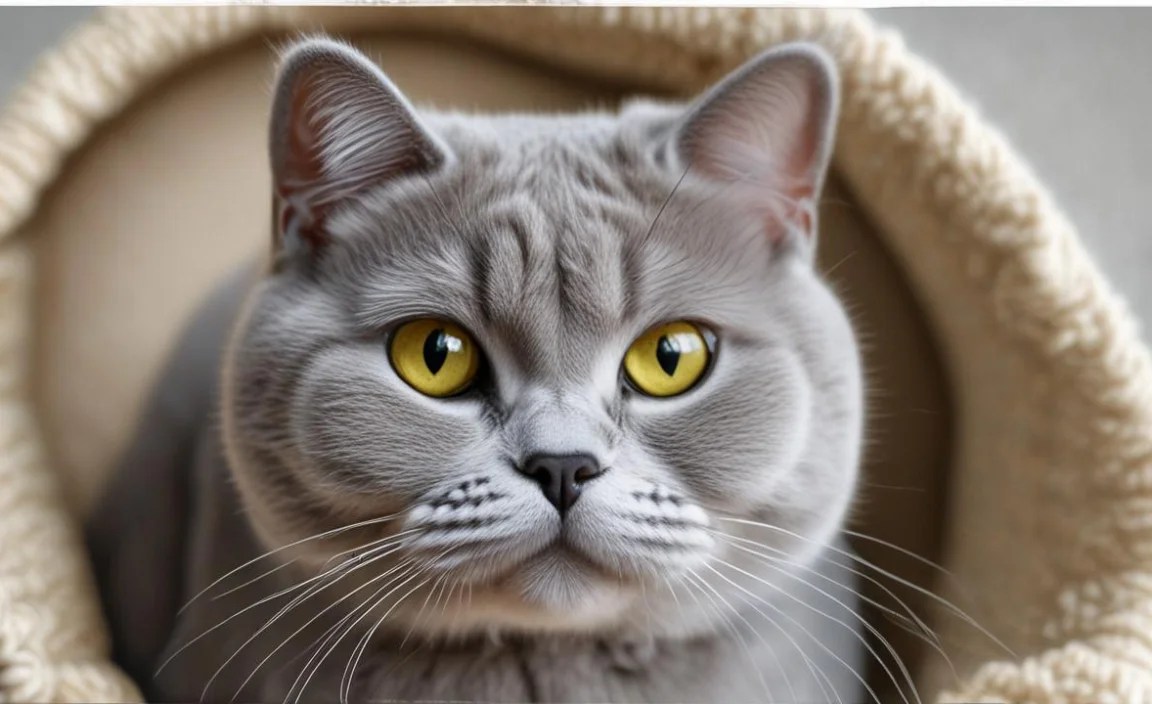
Have you ever wanted a cat with a certain color of fur? Or maybe one with a very round face? Breeders often try to breed cats with specific traits. This can be tricky! Some traits are easy to control. Others are more complex. For example, fur color is often determined by just a few genes. But things like personality are influenced by many genes and the cat’s environment. Breeders need to be careful not to focus too much on one trait. They must also make sure the cats are healthy and happy. Breeding for specific traits should always come second to the cat’s well-being.
Fun Fact or Stat: British Shorthairs have a genetic mutation that gives them round faces!
Selecting Healthy Breeding Cats

One of the most crucial british shorthair breeder tips is to select healthy cats. Choosing healthy cats to breed is like picking the best players for a sports team. You want cats that are strong, active, and free from diseases. Before breeding a cat, breeders take them to the vet for a checkup. The vet will look for any signs of health problems. This includes things like heart problems, kidney problems, and eye problems. They also check for genetic issues. These can be passed down from parents to kittens. Choosing healthy cats is the first step in making sure the kittens are healthy too.
- Get a full health checkup from a veterinarian.
- Check for common breed-specific health issues.
- Evaluate the cat’s temperament and personality.
- Ensure the cat is at a healthy weight.
- Look for signs of good overall health and vitality.
- Consider the cat’s age and breeding history.
Breeders also look at a cat’s personality. They want cats that are friendly and easy to handle. This makes it easier to care for them and their kittens. Good breeders spend time with their cats. This helps them learn about their personalities. They watch how the cats interact with other cats and with people. A good breeding cat should be confident and curious. It should not be scared or aggressive. By choosing cats with good personalities, breeders can help make sure their kittens are well-adjusted and make good pets.
Assessing Physical Health

Imagine you are a doctor examining a patient. What would you look for? Breeders do the same thing when assessing a cat’s physical health. They check the cat’s eyes to make sure they are clear and bright. They look at the cat’s coat to make sure it is shiny and healthy. They feel the cat’s body to make sure it is not too thin or too heavy. They also listen to the cat’s heart and lungs to make sure they sound healthy. Any signs of illness, like sneezing or coughing, are red flags. A healthy cat should be alert, active, and have a good appetite.
Evaluating Temperament and Personality

Have you ever met a cat that was grumpy or scared? A good breeding cat should have a friendly and confident personality. Breeders want cats that enjoy being around people. They also want cats that are good with other animals. To evaluate a cat’s temperament, breeders spend time playing with it. They see how the cat reacts to new situations. They also watch how the cat interacts with other cats. A good breeding cat should be curious, playful, and affectionate. It should not be aggressive or overly shy.
Importance of Veterinary Checkups

Going to the vet is important for cats, just like going to the doctor is important for people. Vets can find health problems early, before they become serious. They can also give cats vaccines to protect them from diseases. Before breeding a cat, it’s essential to have a thorough veterinary checkup. The vet will check the cat’s heart, lungs, and other organs. They will also test for common diseases. The vet can also give advice on how to keep the cat healthy during pregnancy. Regular veterinary checkups are a must for responsible breeders.
Fun Fact or Stat: British Shorthairs are known for their calm and gentle nature!
Creating the Right Breeding Environment
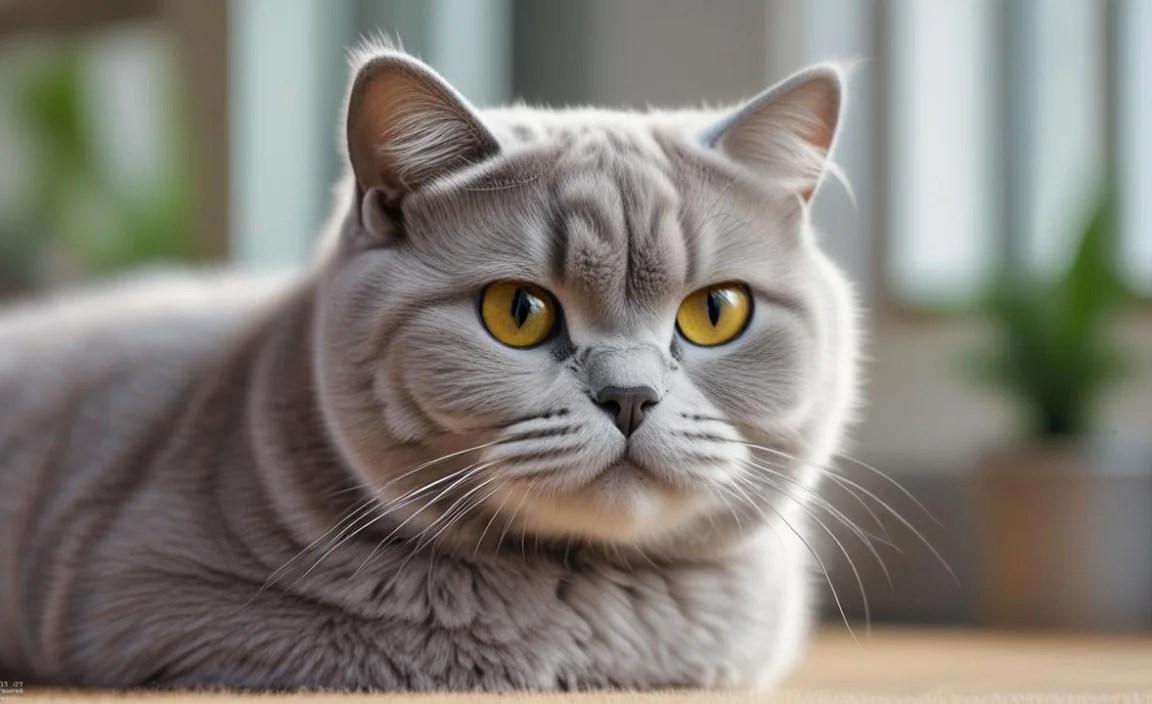
Creating the right environment is another of the important british shorthair breeder tips. The place where cats live can affect their health and happiness. A good breeding environment should be clean, safe, and comfortable. Cats need a place to sleep, eat, and play. They also need a place to get away from other cats if they want to be alone. Breeders should clean the cat’s living area every day. This helps to prevent the spread of diseases. They should also make sure the cats have plenty of fresh water and food.
- Provide a clean and spacious living area.
- Offer comfortable bedding and resting spots.
- Ensure proper ventilation and temperature control.
- Create a safe and secure environment.
- Provide toys and enrichment for mental stimulation.
- Separate males and females when necessary.
- Regularly clean and disinfect the environment.
Cats also need mental stimulation. This means they need things to keep them busy and entertained. Breeders can provide toys, scratching posts, and climbing structures. They can also spend time playing with the cats. A good breeding environment should also be free from stress. Cats can get stressed if they are crowded, noisy, or feel threatened. Breeders should try to create a calm and peaceful environment. This will help the cats stay healthy and happy. Happy cats make better parents.
Importance of Cleanliness and Hygiene

Imagine your room was never cleaned. It would be messy and full of germs! The same is true for cats. Cleanliness is super important for keeping cats healthy. Breeders need to clean the cat’s living area every day. This includes scooping the litter box, washing food and water bowls, and sweeping the floor. They should also disinfect the area regularly to kill germs. A clean environment helps prevent the spread of diseases. It also keeps the cats comfortable and happy. Cleanliness is a must for any responsible breeder.
Providing Mental Stimulation
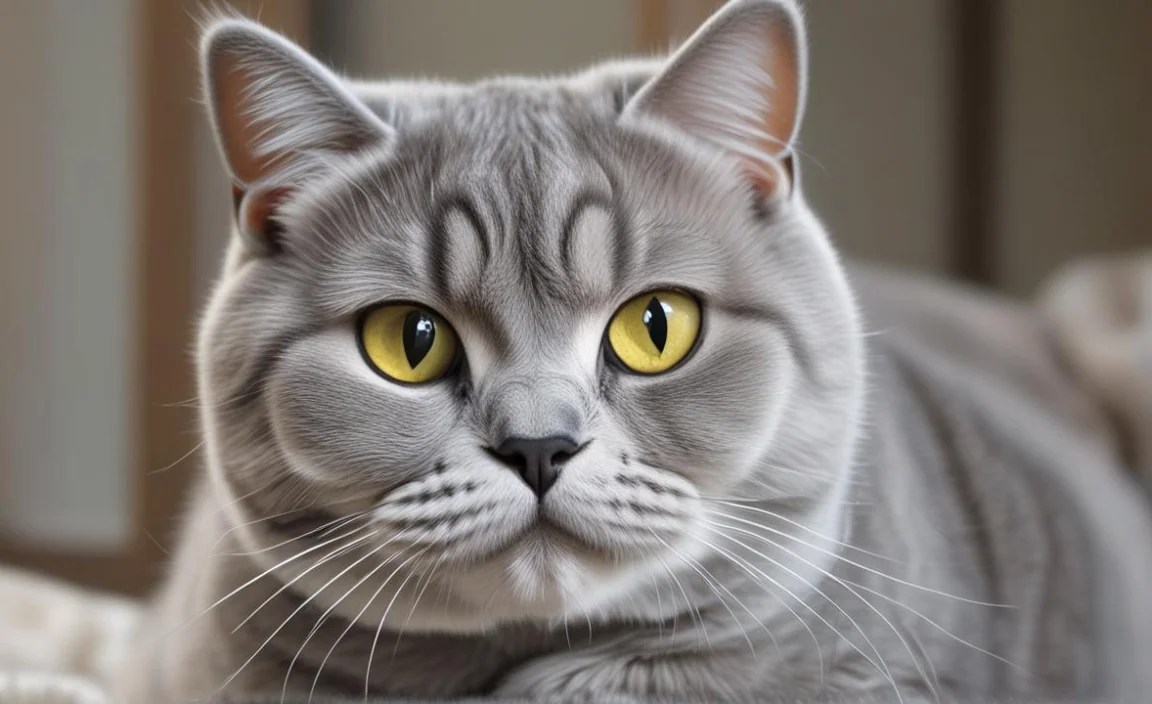
Have you ever been bored? Cats can get bored too! When cats are bored, they can become stressed or destructive. To keep cats happy, breeders need to provide mental stimulation. This means giving them things to do that challenge their minds. Toys are a great way to keep cats entertained. Scratching posts let cats stretch and sharpen their claws. Climbing structures give cats a place to explore and play. Breeders should also spend time playing with the cats. This helps them bond and stay active.
Managing Stress in Breeding Cats

Stress can make cats sick. It can also affect their ability to breed. Breeders need to manage stress in their cats. One way to do this is to provide a calm and peaceful environment. Cats should have a quiet place to retreat when they feel overwhelmed. Breeders should also avoid sudden changes in routine. Changes can be stressful for cats. It is also important to handle cats gently and with care. Yelling or rough handling can scare them. By managing stress, breeders can help their cats stay healthy and happy.
Fun Fact or Stat: Cats can sleep up to 16 hours a day!
Nutrition for Pregnant and Nursing Cats

Nutrition is an essential part of british shorthair breeder tips. What a mother cat eats is very important. It affects her health and the health of her kittens. Pregnant cats need extra food to support the growing kittens. Nursing cats need even more food to produce milk. Breeders should feed pregnant and nursing cats a high-quality cat food. This food should be rich in protein, fat, and essential nutrients. They should also make sure the cats have plenty of fresh water at all times. Good nutrition helps the cats stay healthy and produce strong, healthy kittens.
| Nutrient | Importance | Food Source |
|---|---|---|
| Protein | Supports growth and development | Meat, fish, poultry |
| Fat | Provides energy | Animal fats, vegetable oils |
| Calcium | Builds strong bones and teeth | Dairy products, bone meal |
| Taurine | Essential for heart and eye health | Meat, fish |
- Feed a high-quality diet formulated for pregnant and nursing cats.
- Provide food and water at all times.
- Increase food portions as pregnancy progresses.
- Supplement with vitamins and minerals if needed.
- Monitor the cat’s weight and adjust food accordingly.
- Ensure the cat has access to fresh, clean water.
Breeders should also monitor the cat’s weight. Pregnant cats will gain weight as the kittens grow. Nursing cats will lose weight as they produce milk. If a cat is losing too much weight, the breeder may need to give her more food. It is important to talk to a vet. They can advise you on the best diet for pregnant and nursing cats. They can also recommend supplements if needed. Good nutrition is key to healthy cats and kittens.
Nutritional Needs During Pregnancy
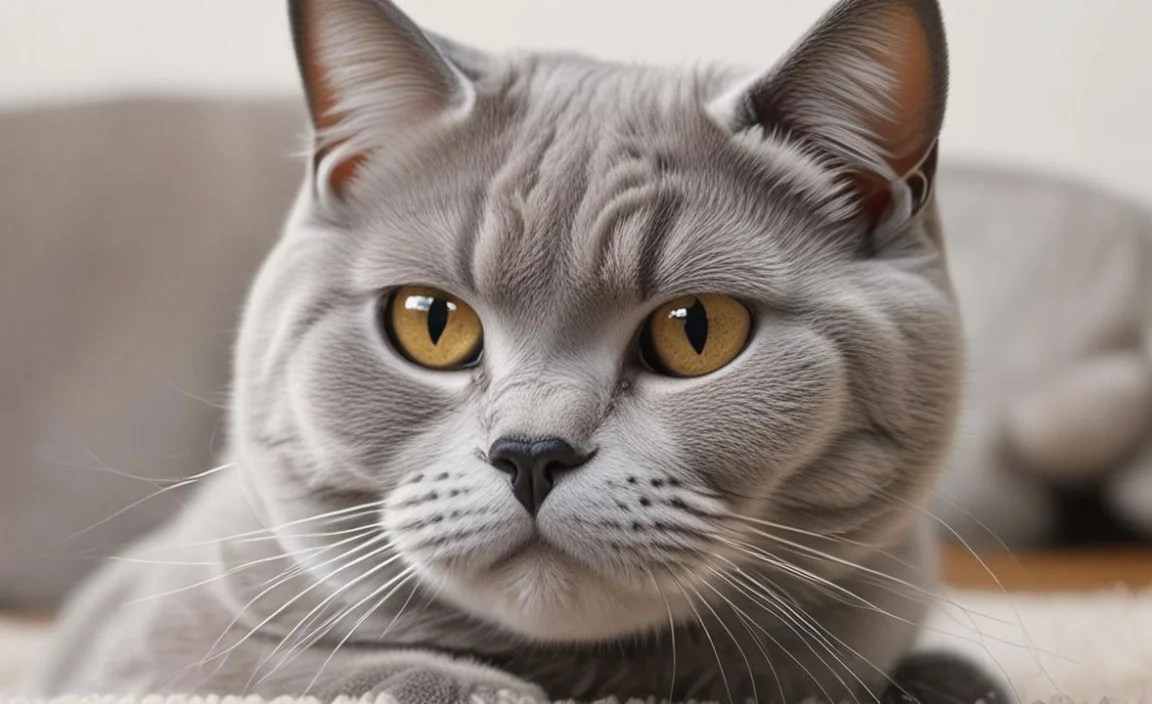
Imagine you’re building a house. You need lots of materials to build strong walls and a sturdy roof. Pregnant cats are also building something: kittens! They need extra nutrients to support the growing kittens inside them. Protein is essential for building the kittens’ muscles and organs. Calcium is needed for strong bones and teeth. Breeders should feed pregnant cats a special diet that is rich in these nutrients. This will help the kittens grow healthy and strong.
Nutritional Needs During Lactation
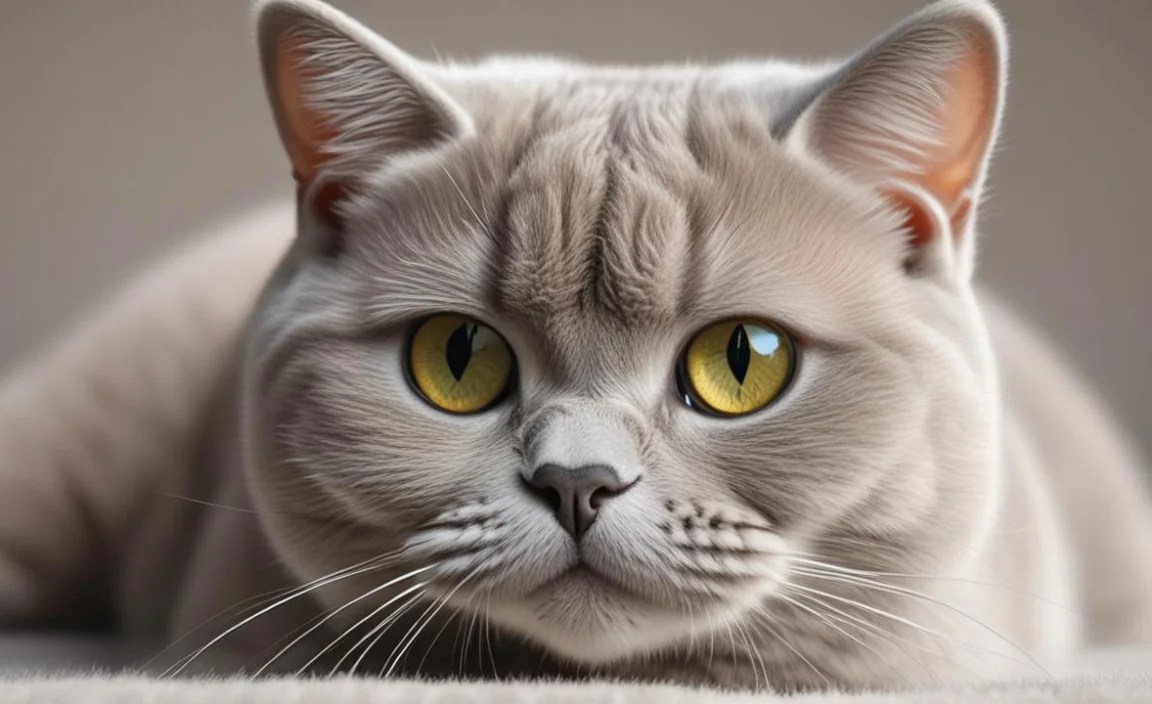
Nursing cats are like milk factories! They need lots of energy to produce milk for their kittens. Milk is full of nutrients that help the kittens grow and develop. To produce enough milk, nursing cats need to eat a lot of food. Breeders should give nursing cats access to food at all times. They should also make sure the food is high in calories and nutrients. Water is also very important. Milk is mostly water, so nursing cats need to drink plenty of it.
Avoiding Nutritional Deficiencies
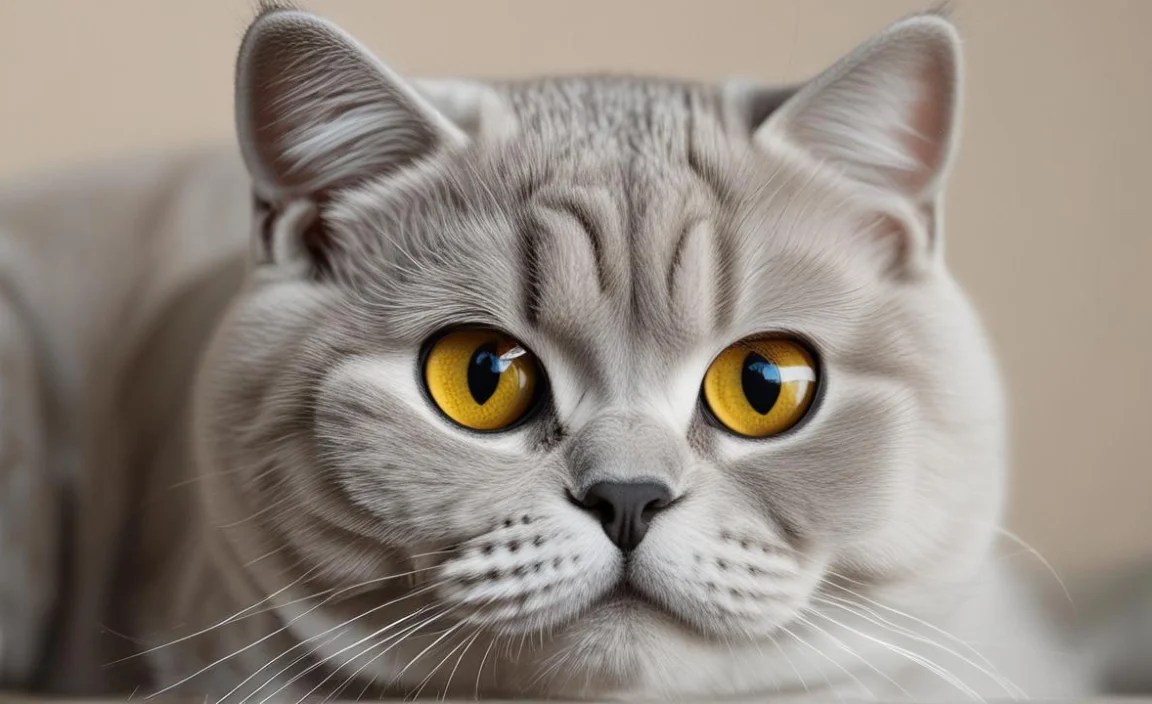
If you don’t eat enough vitamins, you might get sick. The same is true for cats. Nutritional deficiencies can cause serious health problems. To avoid deficiencies, breeders need to feed cats a balanced diet. This means a diet that contains all the nutrients they need. They should also avoid feeding cats junk food or table scraps. These foods are often low in nutrients and can be harmful. If a breeder is concerned about a cat’s nutrition, they should talk to a vet. The vet can recommend a good diet or supplements.
Fun Fact or Stat: A nursing cat can produce up to 8 ounces of milk per day!
Monitoring Pregnancy and Delivery

Monitoring pregnancy and delivery is a critical part of british shorthair breeder tips. Watching a pregnant cat is like watching a plant grow. You want to make sure everything is going well. Breeders need to keep track of the cat’s weight and appetite. They also need to watch for any signs of problems. As the cat gets closer to delivery, they should prepare a safe and comfortable nesting area. This is where the cat will give birth to her kittens. Breeders should also be prepared to help with the delivery if needed.
- Track the cat’s weight and appetite.
- Monitor for signs of pregnancy complications.
- Prepare a clean and safe nesting box.
- Observe the cat closely during labor.
- Be prepared to assist with delivery if needed.
- Contact a veterinarian if complications arise.
During labor, breeders should watch the cat closely. They should look for signs of distress or complications. If the cat is having trouble delivering the kittens, they may need to call a vet. After the kittens are born, breeders should make sure they are nursing and healthy. They should also keep the nesting area clean and warm. Monitoring pregnancy and delivery is a big responsibility. But it is also a rewarding experience.
Recognizing Signs of Labor

Imagine you’re waiting for a special guest to arrive. You watch for any signs that they are close. Breeders do the same thing when waiting for a cat to give birth. They watch for signs of labor. These signs include nesting behavior, restlessness, and loss of appetite. The cat may also start panting or pacing. As labor progresses, the cat will start having contractions. These are like muscle cramps that help push the kittens out. Knowing the signs of labor helps breeders prepare for the delivery.
Assisting with Delivery
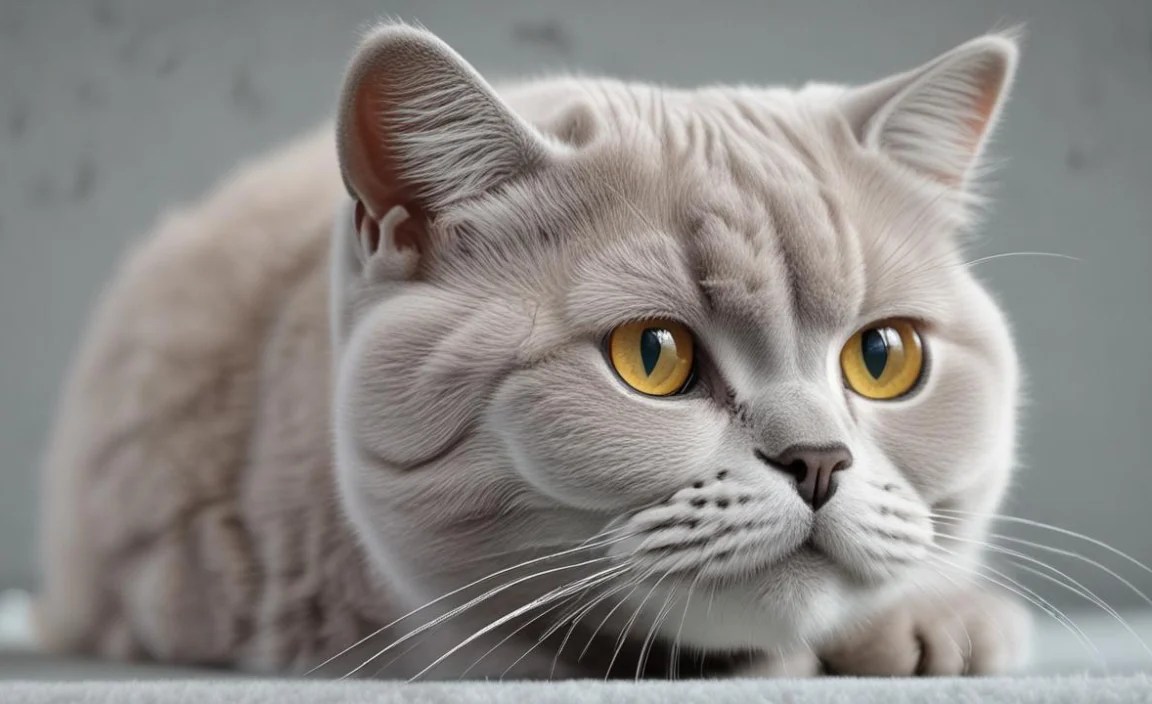
Sometimes, cats need help delivering their kittens. It’s like helping a friend who is struggling with a difficult task. Breeders should be prepared to assist with delivery if needed. This might involve gently cleaning the kittens’ faces. It might also involve helping the cat to break the amniotic sac. The amniotic sac is a bag of fluid that surrounds the kittens. If the cat is having trouble delivering a kitten, the breeder may need to gently pull on it. But it’s important to be very careful. If you’re not sure what to do, call a vet.
Post-Delivery Care for the Mother and Kittens

After the kittens are born, the mother cat needs lots of care. She has just gone through a big ordeal! Breeders should make sure she has plenty of food and water. They should also keep the nesting area clean and warm. The kittens also need lots of care. Breeders should make sure they are nursing and gaining weight. They should also check them for any signs of illness. Post-delivery care is essential for the health of both the mother and the kittens.
Fun Fact or Stat: A cat’s pregnancy lasts about 63 days!
Caring for Newborn Kittens
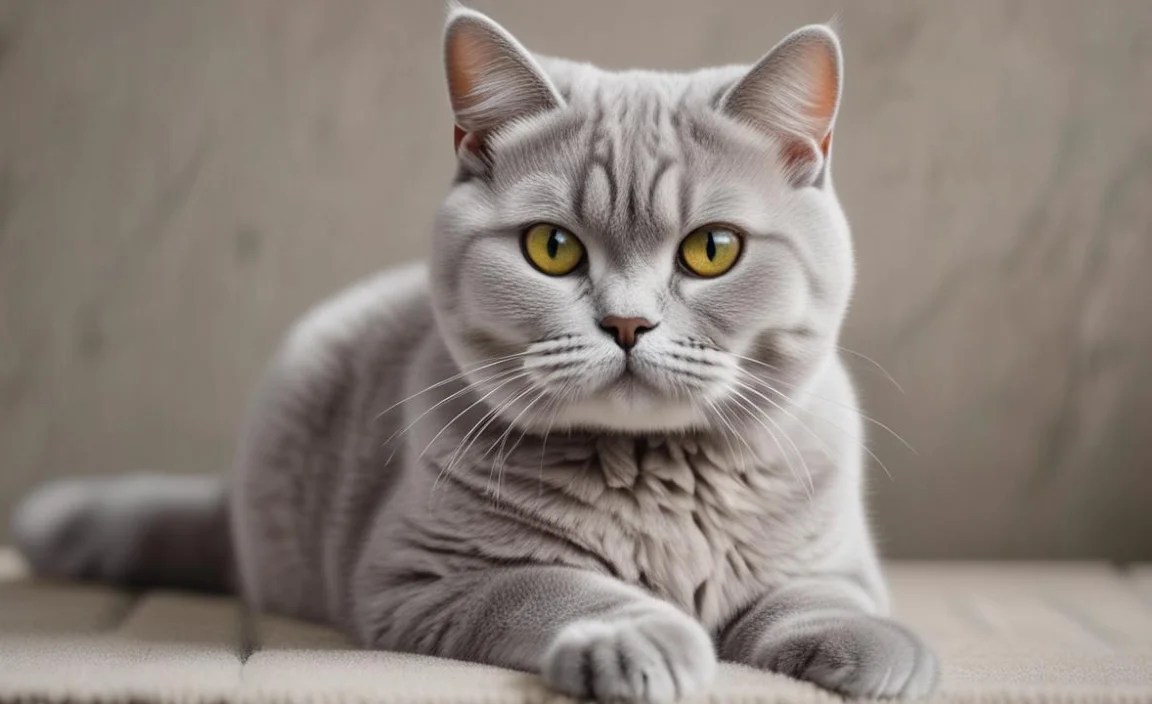
Proper care of newborn kittens is one of the most rewarding british shorthair breeder tips. Newborn kittens are like tiny babies. They need lots of care and attention. They cannot see or hear very well at first. They rely on their mother for warmth, food, and protection. Breeders need to make sure the kittens are nursing regularly. They also need to keep them warm and clean. As the kittens grow, they will start to explore their surroundings. Breeders should provide them with toys and socialization.
- Ensure kittens are nursing regularly and gaining weight.
- Keep kittens warm and dry.
- Monitor for signs of illness or distress.
- Provide a clean and safe environment.
- Handle kittens gently and frequently.
- Socialize kittens with people and other animals.
Socialization is very important for kittens. This means getting them used to being around people and other animals. Kittens that are well-socialized are more likely to grow into friendly and well-adjusted cats. Breeders can socialize kittens by handling them frequently. They can also introduce them to new sights, sounds, and smells. By caring for newborn kittens, breeders can help them grow into healthy and happy cats.
Ensuring Proper Nursing and Weight Gain

Imagine you’re a chef making a special dish. You need to make sure you have all the right ingredients. Newborn kittens need milk to grow strong. They need to nurse regularly. Breeders should make sure the kittens are nursing from their mother. They should also weigh the kittens regularly to make sure they are gaining weight. If a kitten is not gaining weight, it may need extra help. Breeders can supplement with kitten formula if needed. Proper nursing and weight gain are essential for healthy kittens.
Keeping Kittens Warm and Safe

Newborn kittens cannot control their body temperature. They rely on their mother and their environment to stay warm. Breeders should keep the nesting area warm and draft-free. They can use a heating pad or a heat lamp to provide extra warmth. It’s also important to keep the kittens safe. They should be protected from hazards like electrical cords and small objects. A safe and warm environment helps kittens thrive.
Early Socialization and Handling

Have you ever met someone who was shy or afraid of new things? Early socialization can help kittens become confident and friendly. Breeders should handle kittens gently from a young age. This helps them get used to being around people. They should also introduce kittens to new sights, sounds, and smells. This helps them become less fearful of the world. Well-socialized kittens make great pets.
Fun Fact or Stat: Kittens open their eyes at around 10 days old!
Finding the Right Homes for Kittens

Finding good homes is an important part of british shorthair breeder tips. After all the hard work of breeding and raising kittens, it’s time to find them loving homes. This is a very important step. Breeders want to make sure the kittens go to people who will care for them properly. They should screen potential owners carefully. This means asking them questions about their lifestyle, their experience with cats, and their plans for the kitten. Breeders should also provide new owners with information about caring for a British Shorthair.
- Screen potential owners carefully.
- Provide new owners with information about the breed.
- Offer ongoing support and advice.
- Ensure kittens are vaccinated and dewormed.
- Consider a contract with a return policy.
- Stay in touch with new owners.
Breeders should also stay in touch with the new owners. This helps them to track the kitten’s progress and offer support if needed. Finding the right homes for kittens is a rewarding part of being a breeder. It means knowing that the kittens will be loved and cared for throughout their lives.
Screening Potential Owners
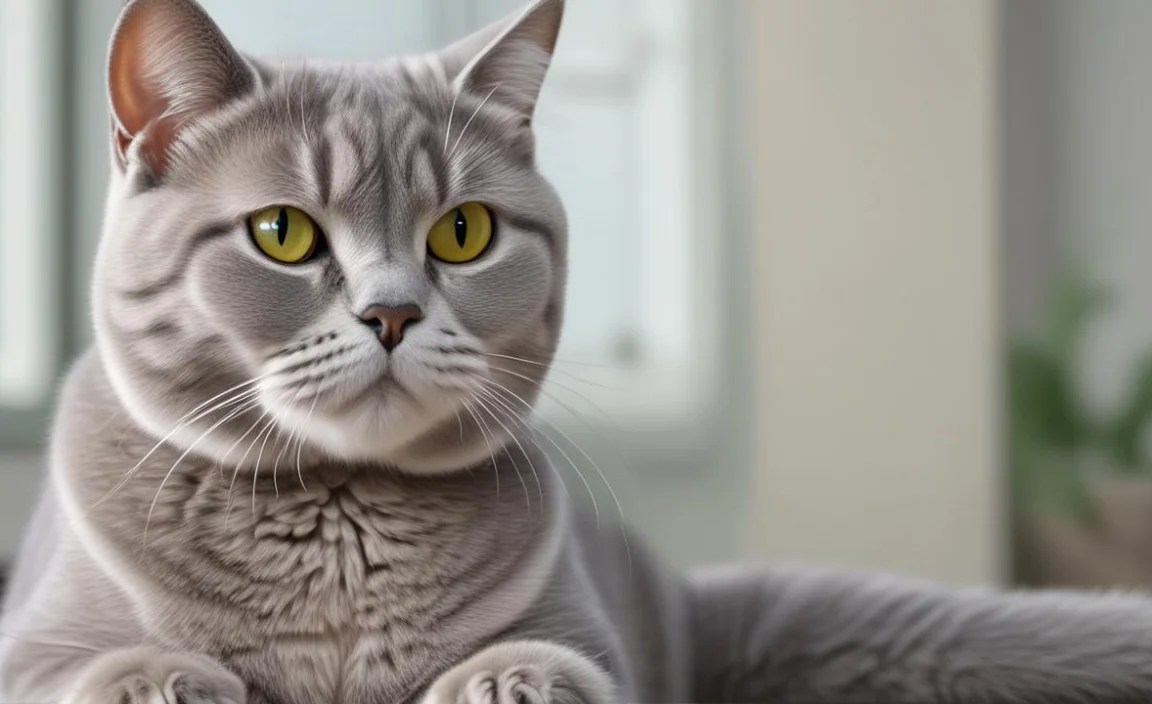
Imagine you’re looking for someone to babysit your little brother or sister. You would want to make sure they are responsible and caring. Breeders do the same thing when screening potential owners. They want to make sure the kittens will be safe and loved. They ask questions about the owner’s lifestyle, their experience with cats, and their plans for the kitten. They also look for signs that the owner is responsible and committed. Screening potential owners helps ensure the kittens go to good homes.
Providing Information and Support
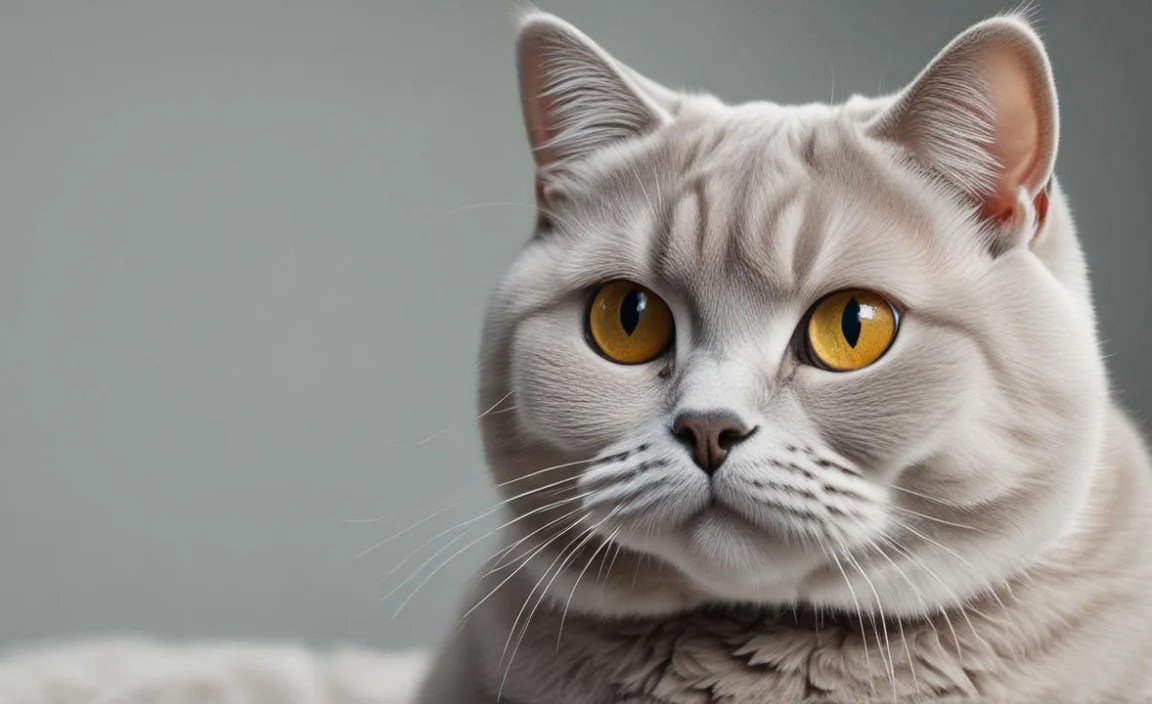
Have you ever tried to do something new without any instructions? It can be difficult! New cat owners often need information and support. Breeders should provide new owners with information about the breed. This includes information about their diet, exercise, and grooming needs. They should also offer ongoing support and advice. This can help new owners feel confident and prepared to care for their kitten. Providing information and support helps ensure the kittens have a happy and healthy life.
Ensuring a Smooth Transition
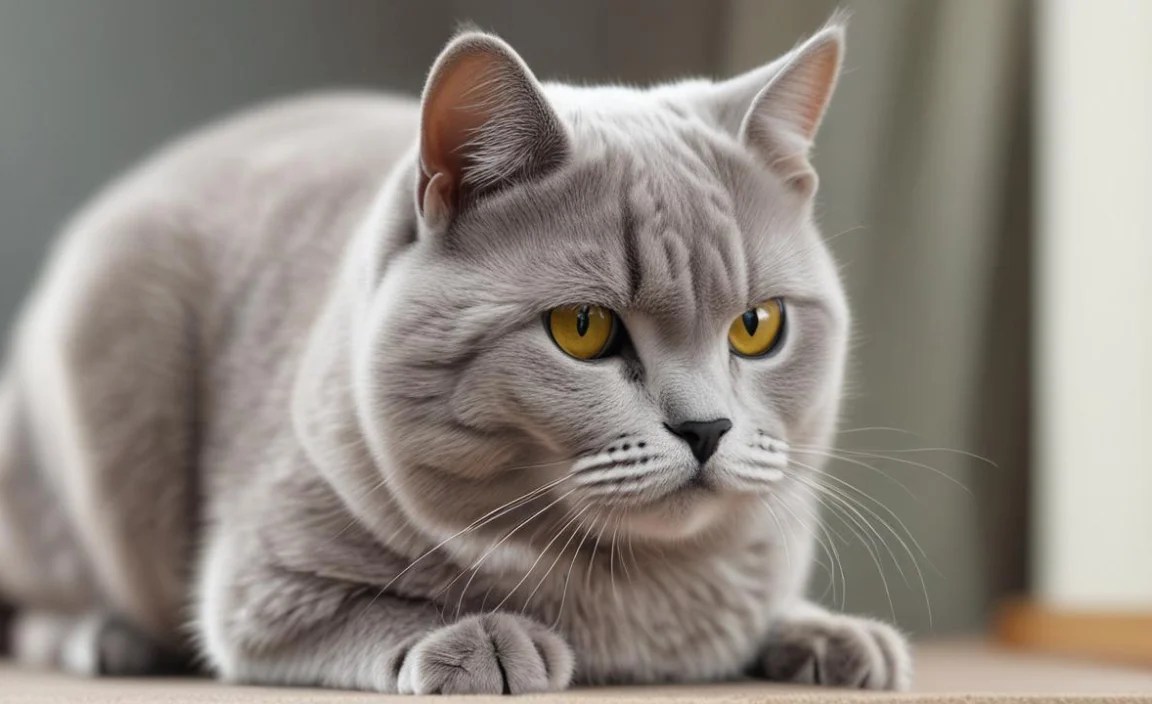
Moving to a new home can be stressful for anyone, including kittens! Breeders can help ensure a smooth transition by preparing the kitten for the move. This might involve giving the kitten a familiar toy or blanket to take with them. It might also involve introducing the kitten to the new owners gradually. Breeders should also provide the new owners with information about the kitten’s routine. This can help the kitten adjust to its new home more easily.
Fun Fact or Stat: British Shorthairs are one of the most popular cat breeds in the world!
Summary
Breeding British Shorthairs is a big job. It needs lots of care and knowledge. Understanding genetics is very important. You need to choose healthy cats to breed. You must create a good environment for them. You need to feed the cats the right food. You need to watch the cats during pregnancy and delivery. You need to care for the kittens. And you need to find them good homes. By following these british shorthair breeder tips, you can help to produce healthy and happy kittens.
Remember, being a responsible breeder is about more than just making money. It is about making sure the cats are healthy and happy. It is about finding them loving homes. And it is about preserving the breed for future generations. If you are considering becoming a British Shorthair breeder, do your research. Learn as much as you can. And be prepared to put in the time and effort it takes to do the job right.
Conclusion
Breeding British Shorthairs is a rewarding experience. It takes dedication and knowledge. Understanding genetics is important. Creating a healthy environment matters. Providing proper nutrition is essential. Caring for kittens takes time and love. Finding the right homes is crucial. By following these british shorthair breeder tips, you can contribute to the well-being of this wonderful breed. Remember, responsible breeding puts the cats first. Prioritize their health and happiness. This ensures a bright future for British Shorthairs.
Frequently Asked Questions
Question No 1: How do I choose a healthy British Shorthair to breed?
Answer: Choosing a healthy British Shorthair is very important. You should start by looking for a cat that is active and alert. Its eyes should be clear and bright. Its coat should be shiny and healthy. You should also ask the breeder about the cat’s family history. Find out if any of its relatives have had health problems. Getting a vet checkup is key. This will help you identify any potential health issues. Make sure you follow these british shorthair breeder tips!
Question No 2: What kind of food should I feed a pregnant British Shorthair?
Answer: Pregnant cats need a special diet. They need more protein, fat, and calories to support the growing kittens. You should feed her a high-quality cat food that is formulated for pregnant and nursing cats. Make sure the food is rich in essential nutrients. You should also give her plenty of fresh water. Talk to your vet. They can recommend the best food for your cat. Remember, good nutrition is key to healthy kittens! These british shorthair breeder tips will help guide you.
Question No 3: How can I tell if my British Shorthair is in labor?
Answer: There are several signs that a cat is in labor. She may become restless and start nesting. She might lose her appetite. She could also start panting or pacing. As labor progresses, she will start having contractions. These are like muscle cramps. They help push the kittens out. Watch your cat closely. If you are concerned, call your vet. They can give you advice and support. Following these british shorthair breeder tips will make you more confident.
Question No 4: How do I care for newborn British Shorthair kittens?
Answer: Newborn kittens need lots of care. Make sure they are nursing regularly. Keep them warm and dry. Monitor them for signs of illness. Handle them gently and frequently. Socialize them with people and other animals. A clean and safe environment is essential. Talk to your vet. They can give you advice on caring for newborn kittens. Proper care is key to healthy kittens. These are valuable british shorthair breeder tips.
Question No 5: How do I find good homes for British Shorthair kittens?
Answer: Finding good homes for kittens is very important. You should screen potential owners carefully. Ask them questions about their lifestyle and experience with cats. Provide them with information about the breed. Offer ongoing support and advice. Make sure the kittens are vaccinated and dewormed. Consider a contract with a return policy. Stay in touch with the new owners. Responsible breeding is crucial. These british shorthair breeder tips will help you find good homes.
Question No 6: What are some common health problems in British Shorthairs?
Answer: British Shorthairs are generally healthy cats. However, they can be prone to certain health problems. These include heart disease, kidney disease, and polycystic kidney disease. They can also develop hypertrophic cardiomyopathy (HCM). Breeders should screen their cats for these problems. Regular vet checkups are important. A healthy diet and lifestyle are also key. Knowing about these issues is an important part of british shorthair breeder tips. Early detection is important for a long and healthy life.


