
British Shorthair Adult Cat Care: Easy Guide

Do you have a British Shorthair cat? These cats are fluffy and fun. They need special {british shorthair adult cat care}. It helps them stay happy and healthy. What does good cat care look like?
Taking care of a British Shorthair is rewarding. You get a loving friend. But you need to know what to do. Are you ready to learn all about cat care? Let’s get started and make your cat purr!
Key Takeaways
- Proper {british shorthair adult cat care} keeps your cat healthy and happy.
- Regular vet visits and vaccinations are very important for adult cats.
- A balanced diet helps maintain a healthy weight for your British Shorthair.
- Grooming keeps their coat beautiful and reduces hairballs.
- Playtime and affection strengthen your bond with your furry friend.
British Shorthair Adult Cat Care: Basics

Taking care of a British Shorthair cat involves many things. It includes feeding them the right food. It means keeping them clean and healthy. You also need to play with them. British Shorthairs are known for being calm. But they still need exercise. They also need love and attention. Good {british shorthair adult cat care} will make your cat live a long, happy life. Make sure you know what your cat needs. This will help you be a great pet parent. It is important to give them a safe and happy home. Are you ready to learn more about this?
- Feed your cat high-quality cat food.
- Provide fresh water at all times.
- Clean the litter box every day.
- Schedule regular vet check-ups.
- Give your cat toys to play with.
- Show your cat lots of love.
British Shorthairs are special cats. They have thick fur and round faces. They need a little extra care. Start with their diet. Choose food that is made for adult cats. Make sure it has lots of protein. Also, give them fresh water every day. Next, think about grooming. Brush your cat a few times a week. This will help stop hairballs. Don’t forget the vet! Regular check-ups can catch problems early. Playtime is also important. Even though they are calm, they need to move. All of these things make up good {british shorthair adult cat care}.
What Food Does My Cat Need?

Choosing the right food for your British Shorthair is key. Adult cats need food that is full of nutrients. Look for cat food with real meat. Chicken, turkey, or fish are good choices. Avoid foods with lots of fillers. Fillers are things like corn and wheat. These are not good for your cat. Check the label carefully. Make sure the food has enough protein. Protein helps your cat build strong muscles. It also helps them stay active. A good diet will keep your cat healthy and happy. Do you know what your cat’s favorite food is? Try different kinds to see what they like!
How Often Should I Feed My Cat?

How often you feed your British Shorthair matters. Adult cats usually do well with two meals a day. Morning and evening are good times. Don’t leave food out all day. This can make your cat gain too much weight. Measure the food carefully. Follow the instructions on the cat food package. You can also ask your vet for advice. They can tell you how much to feed your cat. Remember, every cat is different. Some cats need more food than others. Watch your cat’s weight. If they are getting too heavy, feed them less. A healthy weight is important for {british shorthair adult cat care}.
Why Is Water Important for Cats?

Water is super important for cats. Just like people, cats need water to stay healthy. Make sure your British Shorthair always has fresh water. Clean their water bowl every day. Some cats like to drink from a fountain. A fountain keeps the water moving. This can make it more interesting for your cat. Watch to see if your cat is drinking enough. If they are not, try giving them wet food. Wet food has more water in it than dry food. Staying hydrated helps your cat’s kidneys. It also helps their whole body work well. Good {british shorthair adult cat care} means making sure they drink enough water.
Fun Fact or Stat: British Shorthairs can live up to 20 years with proper care and a healthy diet!
Grooming Tips For British Shorthairs

Grooming is very important for British Shorthairs. They have thick, plush fur. This fur can get matted if you don’t brush it. Regular brushing helps remove loose hair. It also stops hairballs. You should brush your cat a few times a week. Use a soft brush that is made for cats. Be gentle when you brush. Most cats enjoy being brushed. It feels good to them. It is also a good time to bond with your cat. Grooming is a key part of {british shorthair adult cat care}. It keeps their coat looking great.
- Brush your cat a few times a week.
- Use a soft brush for cats.
- Be gentle when brushing.
- Check for mats and tangles.
- Trim their nails regularly.
- Clean their ears if needed.
Besides brushing, there are other grooming tasks. You need to trim your cat’s nails. If their nails get too long, they can get stuck on things. This can hurt your cat. Use special cat nail clippers. Be careful not to cut too short. You should also check your cat’s ears. If they look dirty, clean them with a cotton ball. Use a cleaner that is made for cat ears. Bathing is not needed very often. British Shorthairs keep themselves clean. But if they get very dirty, you can give them a bath. Use a shampoo that is made for cats. Make sure to rinse them well. All these steps help with proper {british shorthair adult cat care}.
How Often Should I Brush My Cat?

Brushing your British Shorthair is important. But how often should you do it? Aim to brush them at least two to three times a week. This helps remove loose fur. It also prevents mats and tangles. During shedding season, you might need to brush them more often. Shedding season is when they lose more fur than usual. This usually happens in the spring and fall. Use a good quality brush. A slicker brush or a grooming glove works well. Brushing is a great way to bond with your cat. It also helps keep their coat healthy and shiny. Are you ready to make brushing a regular part of your routine?
What If My Cat Hates Being Brushed?

Some cats don’t like being brushed. If your British Shorthair is one of them, don’t worry. You can still make grooming easier. Start slowly. Brush them for just a few minutes at a time. Give them treats while you brush. This helps them associate brushing with something good. Use a soft brush. Be very gentle. If they get upset, stop and try again later. You can also try different brushes. Some cats prefer a grooming glove. Others like a slicker brush. Find what works best for your cat. Be patient and consistent. Over time, they may learn to enjoy being brushed. Remember, gentle and slow is key for good {british shorthair adult cat care}.
Do British Shorthairs Need Baths?
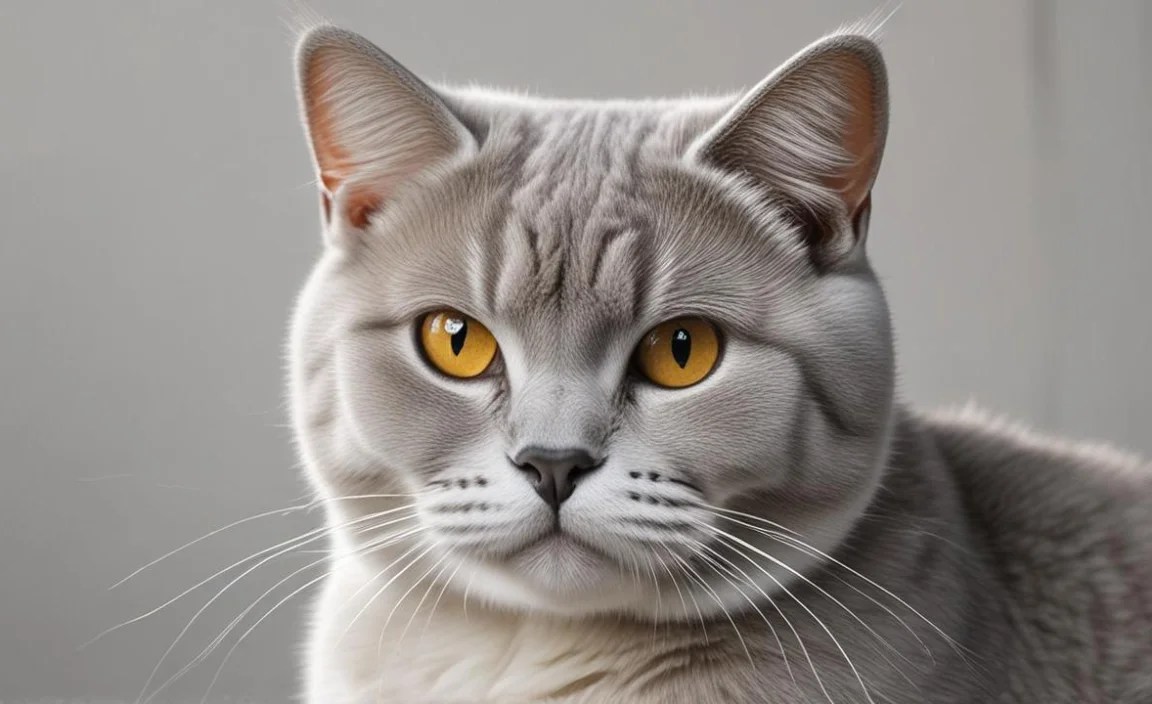
British Shorthairs are good at keeping themselves clean. They don’t usually need baths. But sometimes, they might get into something messy. If your cat is very dirty, you can give them a bath. Use a shampoo that is made for cats. Human shampoo is not good for cats. It can dry out their skin. Make sure the water is warm, not too hot or too cold. Wet your cat gently. Avoid getting water in their eyes and ears. Lather them with shampoo. Then rinse them very well. Dry them with a soft towel. You can also use a hair dryer on a low setting. Make sure they are completely dry before letting them go. Bathing is not a regular part of {british shorthair adult cat care}, but it is good to know how to do it.
Fun Fact or Stat: Regular grooming can reduce hairballs by up to 75% in British Shorthairs!
Health Care Needs for Adults

Health care is a big part of {british shorthair adult cat care}. Adult cats need regular check-ups. These visits help catch problems early. Your vet will check your cat’s weight. They will also look at their teeth and coat. Vaccinations are also very important. They protect your cat from diseases. Your vet can tell you what vaccines your cat needs. Parasite control is another key thing. This means protecting your cat from fleas, ticks, and worms. Your vet can give you medicine to prevent these pests. Good health care helps your cat live a long and happy life.
- Schedule yearly vet check-ups.
- Keep up with vaccinations.
- Use flea and tick prevention.
- Deworm your cat regularly.
- Watch for signs of illness.
- Provide a healthy diet.
There are some common health problems in British Shorthairs. One is hypertrophic cardiomyopathy (HCM). This is a heart problem. Another is polycystic kidney disease (PKD). This is a kidney problem. Your vet can check for these problems during check-ups. It is also important to watch for signs of illness at home. If your cat is eating less, drinking more, or acting strange, call your vet. Don’t wait until it gets worse. Early treatment can make a big difference. Knowing about these health issues helps you provide the best {british shorthair adult cat care}.
Why Are Vet Visits Important?

Vet visits are super important for your British Shorthair. They help keep your cat healthy. During a vet visit, the vet checks your cat’s overall health. They look at their eyes, ears, and teeth. They listen to their heart and lungs. They also feel their belly. This helps them find any problems early. Early detection is key. It can help treat problems before they become serious. Vet visits also give you a chance to ask questions. You can ask about your cat’s diet, behavior, or anything else. Regular vet visits are a crucial part of {british shorthair adult cat care}. They help your cat live a long and healthy life. Do you know when your cat’s next vet visit is?
What Vaccinations Does My Cat Need?

Vaccinations protect your cat from serious diseases. There are some core vaccines that all cats need. These include vaccines for feline distemper, calicivirus, and rhinotracheitis. These are often combined into one shot called the FVRCP vaccine. Your cat also needs a rabies vaccine. Rabies is a deadly disease that can affect both cats and humans. Besides these core vaccines, your vet might recommend others. These depend on your cat’s lifestyle. If your cat goes outside, they might need a vaccine for feline leukemia virus (FeLV). Talk to your vet about what vaccines are best for your cat. Keeping up with vaccinations is a key part of {british shorthair adult cat care}.
How Can I Prevent Parasites?

Parasites can make your cat very sick. Fleas, ticks, and worms are common parasites. They can cause itching, skin problems, and even serious diseases. Luckily, there are many ways to prevent parasites. Your vet can recommend flea and tick preventatives. These come in different forms. Some are topical treatments that you put on your cat’s skin. Others are pills that your cat swallows. You also need to deworm your cat regularly. Worms can live in your cat’s intestines. They can cause vomiting, diarrhea, and weight loss. Your vet can give you deworming medicine. Keeping your cat free from parasites is an important part of {british shorthair adult cat care}.
Fun Fact or Stat: Cats who receive regular vet care live an average of two years longer than those who don’t!
Creating a Safe Home Environment
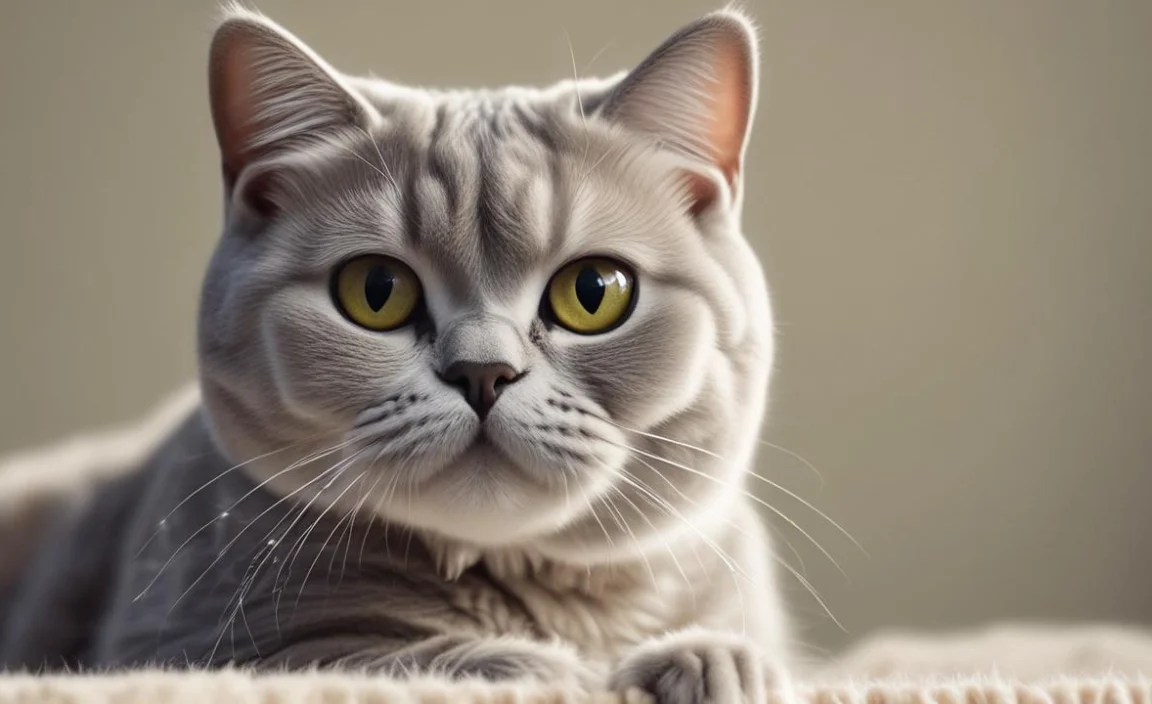
A safe home is very important for your British Shorthair. Cats are curious. They like to explore. But there are some dangers in your home. You need to make sure your cat is safe from these dangers. Keep cleaning products out of reach. These can be poisonous. Cover up electrical cords. Cats like to chew on them. This can give them a shock. Make sure your windows and doors are secure. You don’t want your cat to escape. Provide a scratching post. This will keep them from scratching your furniture. A safe home is a happy home. This is all part of good {british shorthair adult cat care}.
- Keep cleaning products out of reach.
- Cover electrical cords.
- Secure windows and doors.
- Provide a scratching post.
- Remove poisonous plants.
- Keep small objects out of reach.
Cats love to climb and explore. Give your British Shorthair plenty of places to climb. A cat tree is a great idea. It gives them a high place to sit and watch. Make sure the cat tree is sturdy. You don’t want it to fall over. Provide plenty of toys. Cats need to play. Toys help them stay active and entertained. Rotate the toys. This keeps them interesting. A bored cat can get into trouble. A safe and fun home is important for {british shorthair adult cat care}. It helps your cat feel secure and happy.
Are Houseplants Safe for Cats?

Some houseplants can be dangerous for cats. Many common houseplants are poisonous. If your cat eats them, they can get very sick. Lilies are especially dangerous. Even a small amount can cause kidney failure. Other poisonous plants include tulips, daffodils, and azaleas. Before you bring a new plant into your home, check to see if it is safe for cats. The ASPCA has a list of poisonous plants. If you have poisonous plants, keep them out of reach. Put them on a high shelf or in a room that your cat can’t access. You can also choose cat-safe plants. Some good choices include spider plants, catnip, and bamboo. Knowing which plants are safe is important for {british shorthair adult cat care}.
How Can I Prevent My Cat From Escaping?

Cats are curious and love to explore. Sometimes, they might try to escape. This can be dangerous. There are many ways to prevent your cat from escaping. Make sure your doors and windows are secure. Check them regularly. If you have a balcony, make sure it is safe. Use netting or screening to prevent your cat from falling. Teach your cat to come when you call them. This can help you find them if they do get out. Consider getting your cat microchipped. A microchip can help you find your cat if they get lost. Preventing escapes is a key part of {british shorthair adult cat care}.
What Should I Do If My Cat Chews Cords?

Chewing cords can be very dangerous for cats. Electrical cords can give them a shock. This can cause serious injury or even death. If your cat chews cords, you need to take action. First, cover up the cords. You can use cord protectors. These are plastic tubes that go over the cords. You can also use cord organizers. These help keep the cords out of reach. Second, give your cat something else to chew on. Provide them with safe chew toys. Rotate the toys to keep them interesting. Third, deter them from chewing cords. You can use a spray that tastes bad to cats. Spray it on the cords. This will make them less likely to chew on them. Protecting your cat from electrical hazards is important for good {british shorthair adult cat care}.
Fun Fact or Stat: Cats spend an average of 12-16 hours sleeping each day. Make sure their sleeping area is safe and comfortable!
| Care Area | Frequency | Importance | Notes |
|---|---|---|---|
| Brushing | 2-3 times a week | High | Reduces shedding and hairballs |
| Vet Check-ups | Yearly | High | Early detection of health issues |
| Nail Trimming | Every 2-3 weeks | Medium | Prevents overgrowth and injury |
| Litter Box Cleaning | Daily | High | Maintains hygiene and prevents litter box aversion |
| Dental Care | Regularly | Medium | Prevents dental disease |
Understanding Cat Behavior
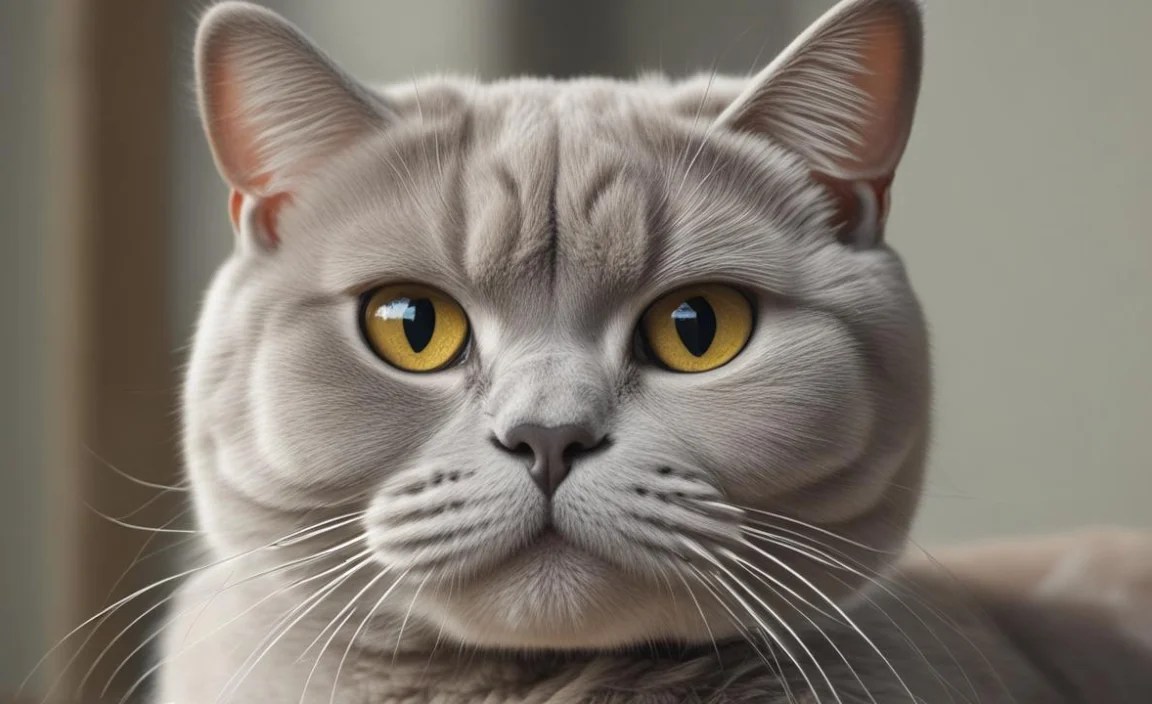
Understanding your cat’s behavior is important. It helps you take care of them better. Cats communicate in different ways. They use their body language. They also use sounds. Pay attention to your cat’s tail. A twitching tail can mean they are annoyed. Purring usually means they are happy. But sometimes, it can mean they are in pain. Hissing and growling mean they are scared or angry. Knowing what your cat is trying to tell you helps you respond better. This is a key part of {british shorthair adult cat care}. It makes your bond stronger.
- Watch your cat’s body language.
- Listen to their sounds.
- Learn what different behaviors mean.
- Provide a safe and comfortable environment.
- Respect their boundaries.
- Spend time playing with them.
British Shorthairs are known for being calm and independent. But they still need attention. They like to play and cuddle. Find out what your cat enjoys. Some cats love to chase toys. Others prefer to sit on your lap. Spend time with your cat every day. This will help them feel loved and secure. Don’t force them to do anything they don’t want to do. Respect their boundaries. This will help you build a strong relationship. Understanding their behavior is essential for good {british shorthair adult cat care}.
Why Does My Cat Scratch Furniture?

Scratching is a natural behavior for cats. They scratch to sharpen their claws. They also scratch to mark their territory. They leave their scent behind. If your cat is scratching your furniture, don’t punish them. Instead, give them a better place to scratch. Provide a scratching post. Make sure it is tall enough and sturdy. Put it in a place where your cat likes to hang out. You can also try different types of scratching posts. Some cats like cardboard. Others prefer sisal or carpet. Experiment to see what your cat likes best. Redirecting their scratching is a key part of {british shorthair adult cat care}.
Why Does My Cat Knead?
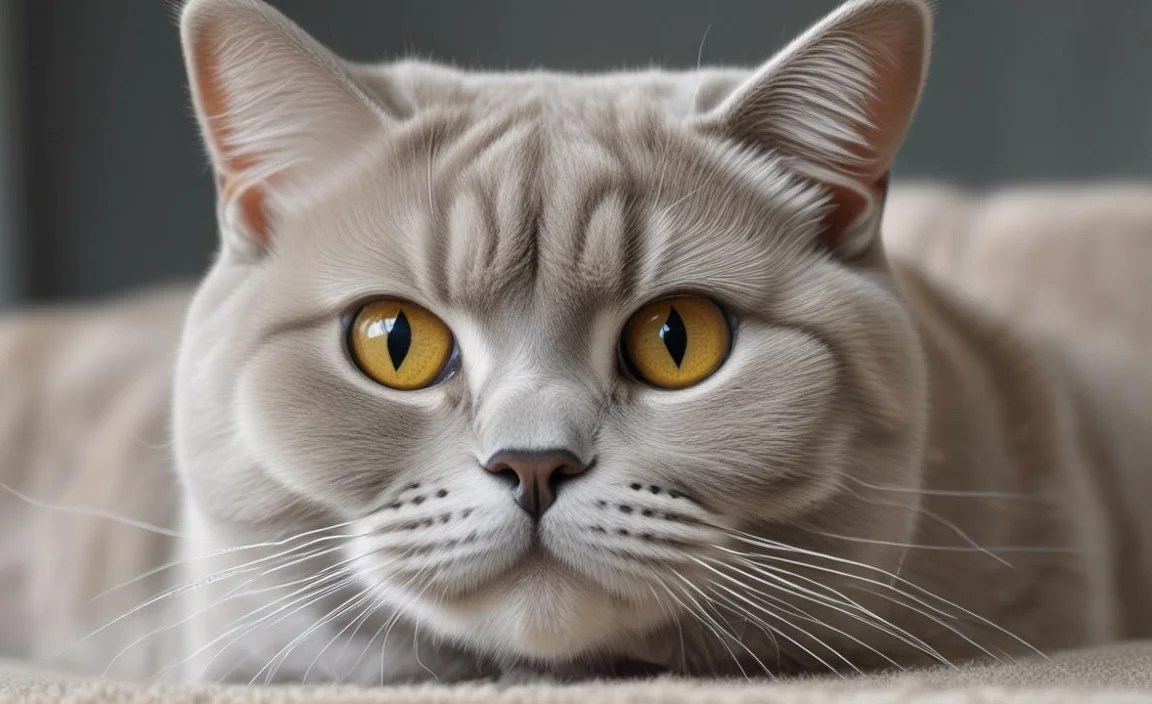
Kneading is when your cat pushes their paws into a soft surface. They might do it on your lap or on a blanket. This behavior is left over from when they were kittens. Kittens knead their mother’s belly to stimulate milk flow. Adult cats knead because it makes them feel comfortable and secure. Some cats purr while they knead. Others might even drool. It is a sign that they are happy and relaxed. Enjoy it! Kneading is a sweet behavior. It shows that your cat loves you. Understanding this behavior helps you appreciate your cat even more. This is all part of good {british shorthair adult cat care}.
Why Does My Cat Bite Me?
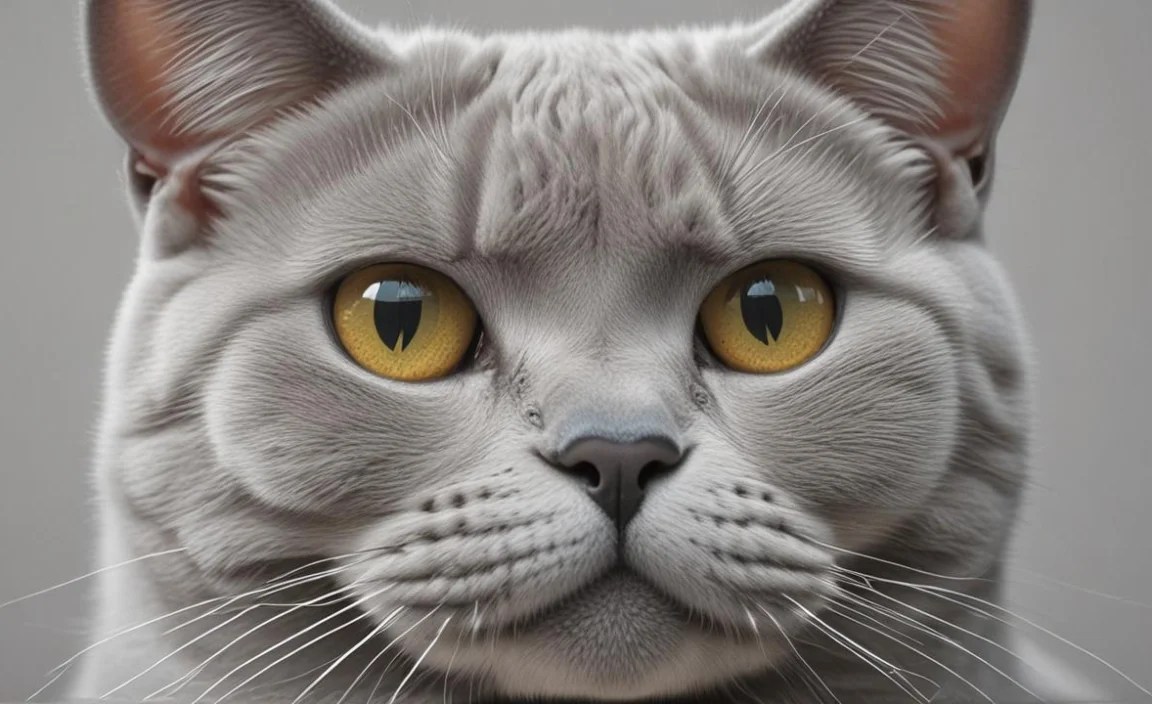
Sometimes, cats bite. There are different reasons why they might do this. They might be playing. They might be trying to tell you something. Or they might be scared or in pain. If your cat bites you, try to figure out why. If they are playing, they might be getting too excited. Stop playing and give them some space. If they are trying to tell you something, pay attention to their body language. They might be telling you to stop petting them. If they are scared or in pain, take them to the vet. Understanding why your cat bites is important. It helps you respond in the right way. This is key to {british shorthair adult cat care}.
Fun Fact or Stat: A cat’s purr vibrates at a frequency of 25-150 Hertz, which is believed to promote healing!
Exercise and Playtime for Cats
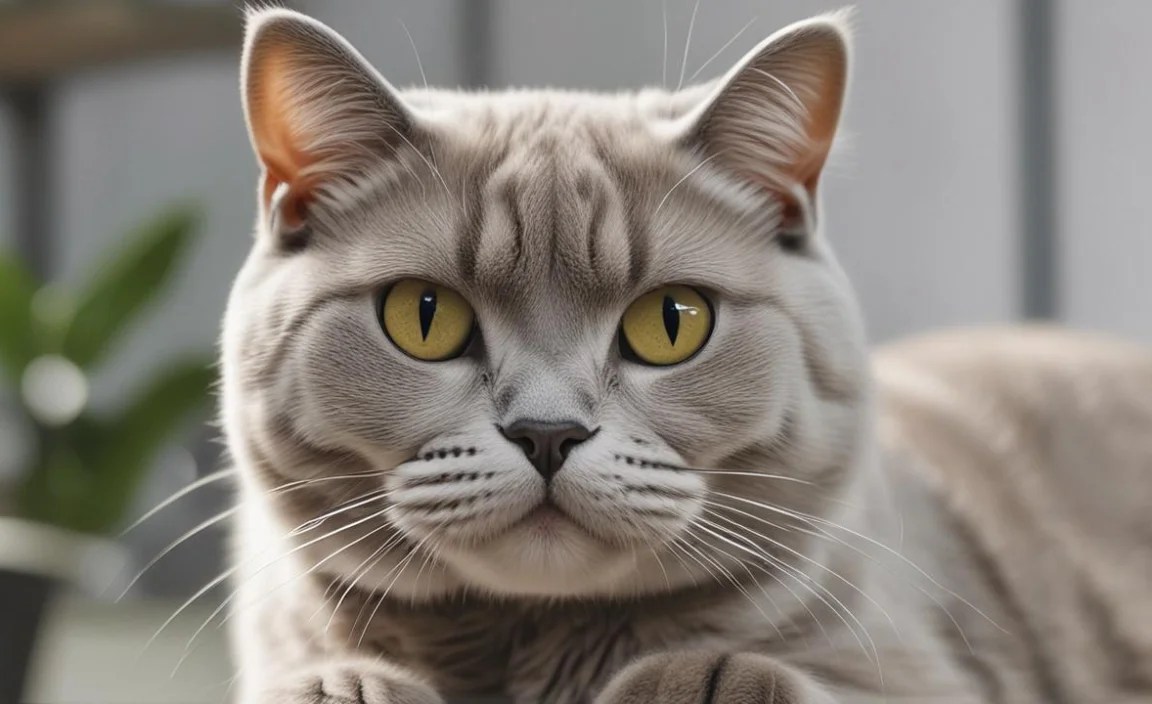
Exercise and playtime are very important for cats. They help them stay healthy and happy. Cats need to move their bodies. This keeps them from getting bored. It also helps them stay at a healthy weight. Playtime is a great way to bond with your cat. It gives them a chance to use their hunting skills. There are many ways to play with your cat. You can use a feather wand. You can throw a ball. Or you can let them chase a laser pointer. Find out what your cat enjoys. Make playtime a regular part of your day. This is an important part of {british shorthair adult cat care}.
- Provide toys for your cat to play with.
- Play with your cat every day.
- Use toys that stimulate their hunting instincts.
- Give them a scratching post.
- Rotate their toys to keep them interested.
- Make playtime fun for both of you.
British Shorthairs are not as active as some other breeds. But they still need exercise. You can encourage them to move by placing toys around the house. A cat tree is a great way to get them to climb. You can also try puzzle toys. These toys make them work for their food. This is a good way to keep them mentally stimulated. Even a few minutes of playtime each day can make a big difference. It helps them stay healthy and happy. Remember, exercise is a key part of {british shorthair adult cat care}. It keeps them in good shape.
What Are Good Toys for Cats?

There are many different kinds of toys for cats. Some cats like toys that move. These include feather wands, laser pointers, and toy mice. Other cats like toys that they can chew on. These include soft toys and puzzle toys. Puzzle toys are a great way to keep your cat entertained. They have to figure out how to get the treats out. This keeps them mentally stimulated. Choose toys that are safe for your cat. Avoid toys with small parts that they could swallow. Rotate the toys. This keeps them interesting. Find out what your cat enjoys. Then, provide them with plenty of toys to play with. This is important for {british shorthair adult cat care}.
How Much Exercise Does My Cat Need?
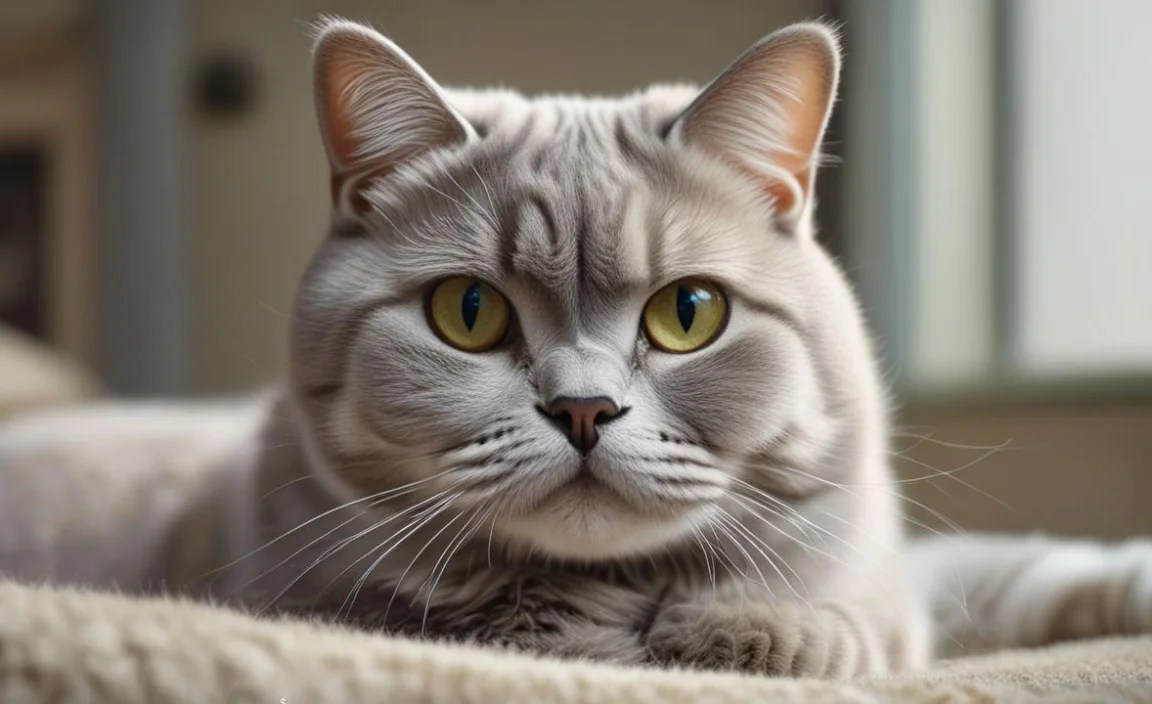
Every cat is different. Some cats need more exercise than others. British Shorthairs are generally not as active as some other breeds. But they still need some exercise every day. Aim for at least 15-20 minutes of playtime. You can break this up into shorter sessions. Play with them for a few minutes in the morning and a few minutes in the evening. Watch your cat’s body language. If they seem tired, stop playing. If they seem bored, try a different toy. Exercise helps your cat stay healthy and happy. It also helps them maintain a healthy weight. This is important for {british shorthair adult cat care}.
Can I Train My Cat?

Yes, you can train your cat! Cats are smart. They can learn tricks and commands. Training can be a fun way to bond with your cat. It can also help them stay mentally stimulated. Use positive reinforcement. This means rewarding them when they do something right. Give them treats or praise. Avoid punishment. Punishment can make them scared and anxious. Start with simple commands. Teach them to sit, stay, or come when you call them. Use a clicker. A clicker can help them understand what you want them to do. Be patient and consistent. It might take time for them to learn. But with practice, you can train your cat to do all sorts of things. Training is a great way to enhance {british shorthair adult cat care}.
Fun Fact or Stat: Playing with your cat for just 15 minutes a day can reduce stress and improve their overall well-being!
Summary
Taking care of a British Shorthair cat is a big job. But it is also very rewarding. You need to feed them the right food. You need to groom them regularly. And you need to take them to the vet for check-ups. You also need to provide a safe and fun home. Understanding their behavior is key. Playtime and exercise are important. All of these things help your cat stay healthy and happy. Good {british shorthair adult cat care} means paying attention to all of these details. It means being a responsible and loving pet parent. It means giving your cat the best possible life. Remember, a happy cat makes a happy home.
Proper {british shorthair adult cat care} ensures your cat lives a long and fulfilling life. This involves a balanced diet, regular grooming, and consistent health check-ups. Understanding your cat’s unique needs will strengthen your bond. This helps your fluffy friend thrive in a safe and loving environment.
Conclusion
British Shorthairs are wonderful cats. They are calm, loving, and beautiful. But they need special care. Make sure you know what your cat needs. Feed them good food. Brush them often. Take them to the vet. Give them a safe home. Play with them every day. If you do all of these things, your cat will be happy and healthy. You will also have a loving companion for many years to come. Remember, good {british shorthair adult cat care} is the key to a happy cat and a happy owner.
Frequently Asked Questions
Question No 1: How often should I take my British Shorthair to the vet?
Answer: You should take your adult British Shorthair to the vet for a check-up at least once a year. Regular vet visits are important for catching any health problems early. The vet will check your cat’s weight, teeth, and coat. They will also listen to their heart and lungs. If your cat has any health problems, the vet may recommend more frequent visits. Regular check-ups are an important part of {british shorthair adult cat care}. They help your cat live a long and healthy life. Don’t skip these visits! They can make a big difference in your cat’s well-being.
Question No 2: What kind of food should I feed my British Shorthair?
Answer: You should feed your British Shorthair a high-quality cat food that is made for adult cats. Look for food that has real meat as the main ingredient. Chicken, turkey, or fish are good choices. Avoid foods that have lots of fillers, like corn and wheat. These are not good for your cat. Make sure the food has enough protein. Protein helps your cat build strong muscles. It also helps them stay active. A good diet is essential for {british shorthair adult cat care}. It keeps your cat healthy and happy. Always provide fresh water too.
Question No 3: How can I prevent my British Shorthair from scratching my furniture?
Answer: Scratching is a natural behavior for cats. They scratch to sharpen their claws and mark their territory. To prevent your British Shorthair from scratching your furniture, provide them with a scratching post. Make sure it is tall enough and sturdy. Put it in a place where your cat likes to hang out. You can also try different types of scratching posts. Some cats like cardboard. Others prefer sisal or carpet. You can also use a spray that tastes bad to cats on your furniture. This will deter them from scratching it. Remember, redirecting their scratching is kinder than punishing them. This is good {british shorthair adult cat care}.
Question No 4: How often should I groom my British Shorthair?
Answer: You should groom your British Shorthair a few times a week. They have thick, plush fur that can get matted if you don’t brush it. Regular brushing helps remove loose hair. It also prevents hairballs. Use a soft brush that is made for cats. Be gentle when you brush. Most cats enjoy being brushed. It feels good to them. It is also a good time to bond with your cat. Grooming is a key part of {british shorthair adult cat care}. It keeps their coat looking great and reduces shedding. Don’t forget to trim their nails regularly too.
Question No 5: What are some common health problems in British Shorthairs?
Answer: British Shorthairs are generally healthy cats. But they are prone to some health problems. One is hypertrophic cardiomyopathy (HCM). This is a heart problem. Another is polycystic kidney disease (PKD). This is a kidney problem. Your vet can check for these problems during check-ups. It is also important to watch for signs of illness at home. If your cat is eating less, drinking more, or acting strange, call your vet. Early treatment can make a big difference. Knowing about these health issues helps you provide the best {british shorthair adult cat care}.
Question No 6: How can I keep my British Shorthair entertained?
Answer: Cats need to play and exercise. This keeps them from getting bored. It also helps them stay at a healthy weight. Provide your British Shorthair with plenty of toys. Rotate the toys to keep them interested. Play with your cat every day. Use toys that stimulate their hunting instincts. A feather wand or a laser pointer are good choices. A cat tree is a great way to get them to climb. You can also try puzzle toys. These toys make them work for their food. Keeping your cat entertained is an important part of {british shorthair adult cat care}.


