
British Shorthair Adoption Checklist: Your Easy Start

Have you ever seen a cat with round cheeks and big eyes? It might be a British Shorthair! These cats are fluffy and friendly. Getting a new cat is exciting. But, it is also important to be ready. A british shorthair adoption checklist can help. It makes sure you have everything your new friend needs.
Key Takeaways
- Follow a british shorthair adoption checklist to provide a loving home.
- Prepare your home with food, water, and a cozy bed.
- Schedule a vet visit to ensure your cat is healthy.
- Socialize your British Shorthair gently for a happy cat.
- Be patient and loving as your new cat adjusts to its home.
Creating Your British Shorthair Adoption Checklist

Adopting a British Shorthair is a big step. You need to get ready before you bring your new cat home. A british shorthair adoption checklist will help. It covers everything from food to toys. It also includes vet visits. Making a list ensures you do not forget anything. This will help your cat feel safe and happy. Think about what your cat needs to thrive. Plan ahead and make your home a welcoming place. This preparation makes the adoption process smooth. It also helps you bond with your new furry friend. A good start is key to a happy life together.
- Buy a good quality cat food.
- Get a water bowl and food bowl.
- Find a soft and comfy bed.
- Buy some fun toys for play.
- Get a litter box and litter.
When you create your british shorthair adoption checklist, think about your cat’s personality. Some cats are playful. Others are shy. Make sure you have items that suit your cat’s needs. A scratching post is great for playful cats. A quiet spot is good for shy cats. Consider getting a cat tree. Cats love to climb and explore. Also, remember grooming supplies. British Shorthairs have thick fur. They need regular brushing. This helps to keep their coat healthy and mat-free. A well-planned checklist ensures your cat feels at home. It also makes your life easier. Preparing ahead of time is a loving thing to do.
Fun Fact or Stat: British Shorthairs are one of the oldest cat breeds in England, dating back to the first century AD!
What Food Does Your Cat Need?

Choosing the right food is important. British Shorthairs need a balanced diet. Look for food that is high in protein. Avoid foods with too many fillers. Kittens need different food than adult cats. Make sure you choose the right one. Read the labels carefully. Ask your vet for advice. They can help you pick the best food for your cat. A good diet keeps your cat healthy. It also gives them energy to play. Always provide fresh water. Cats need to stay hydrated. This is important for their overall health. A healthy cat is a happy cat.
What Kind of Bed is Best?

Cats love to sleep. They need a cozy place to rest. A soft bed is perfect. You can find many types of cat beds. Some are round. Some are square. Some even have hoods. Choose one that your cat will like. Place the bed in a quiet spot. Cats like to feel safe when they sleep. A warm and comfortable bed helps them relax. It also reduces stress. Make sure the bed is easy to clean. Cats can be messy. A clean bed keeps your cat healthy. A happy cat sleeps well.
Don’t Forget the Litter Box!

A litter box is a must-have. Cats need a place to go to the bathroom. Choose a litter box that is the right size. Kittens need a smaller box. Adult cats need a larger one. Place the litter box in a private area. Cats do not like to be disturbed. Keep the litter box clean. Scoop it out every day. Change the litter regularly. Cats are very clean animals. A dirty litter box can make them unhappy. A clean litter box helps your cat stay healthy and happy. It also keeps your home smelling fresh.
Essential Supplies: British Shorthair Checklist

Besides the basics, other supplies are important. A british shorthair adoption checklist should include grooming tools. Brushes, combs, and nail clippers are essential. Toys are also important. Cats need to play to stay active. A scratching post helps them keep their claws healthy. A cat carrier is useful for vet visits. First-aid supplies are good to have on hand. These extra items help you care for your cat. They also make your life easier. Being prepared shows you care. It helps your cat feel loved and safe. A well-stocked home is a happy home for your new cat.
- Get a good brush for grooming.
- Buy nail clippers for trimming claws.
- Find a sturdy cat carrier.
- Stock up on fun cat toys.
- Purchase a first-aid kit for pets.
- Get a scratching post or pad.
Think about safety when gathering supplies. Keep cleaning products out of reach. Make sure electrical cords are hidden. Cats love to chew on things. Remove any plants that are poisonous to cats. Create a safe environment. This prevents accidents and injuries. A safe home gives you peace of mind. It also helps your cat feel secure. Check your home regularly for potential hazards. Being proactive keeps your cat safe and healthy. A safe cat is a happy cat. Remember, a little bit of prevention goes a long way in ensuring your British Shorthair’s safety and well-being.
Fun Fact or Stat: British Shorthairs are known for their dense coat, which requires regular grooming to prevent matting!
What Grooming Tools Do You Need?
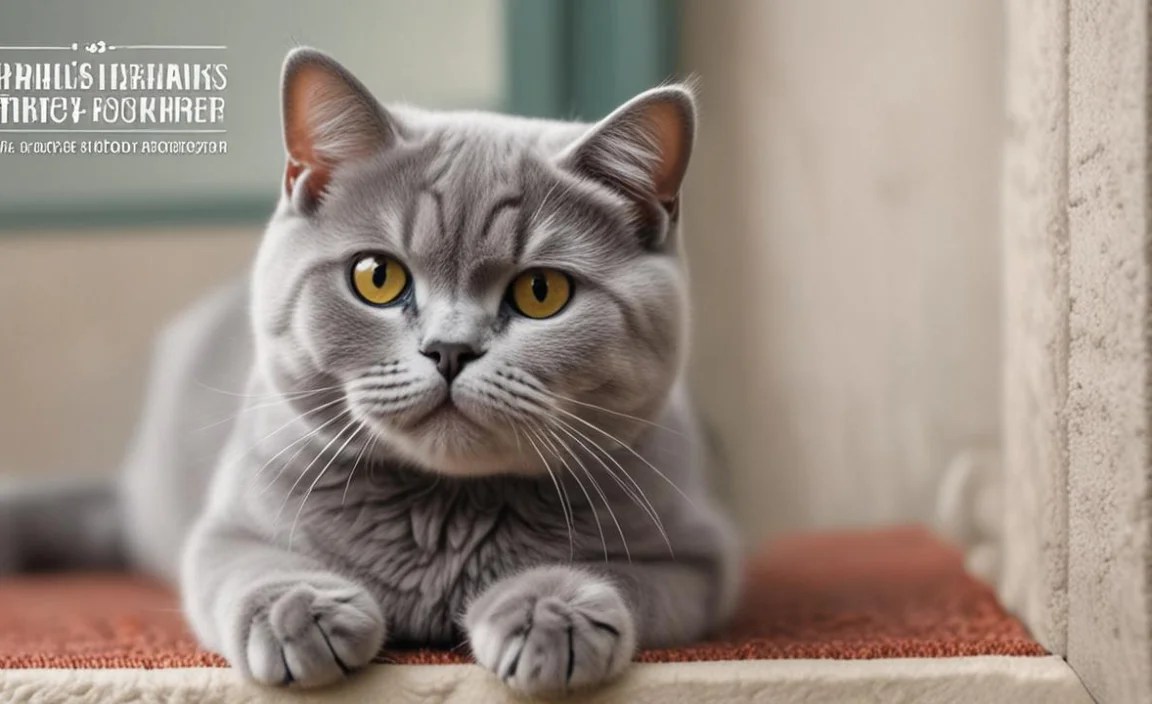
Grooming is important for British Shorthairs. They have thick fur that needs regular brushing. A good brush helps to remove loose hair. It also prevents mats. A comb is useful for getting through tangles. Nail clippers keep their claws trimmed. This prevents them from scratching furniture. Start grooming your cat when it is young. This helps them get used to it. Make grooming a positive experience. Give them treats and praise. A well-groomed cat is a happy cat. It also reduces shedding.
Which Toys are Best for Playtime?

Cats need toys to stay active. Toys provide mental stimulation. They also help cats exercise. Choose toys that are safe. Avoid toys with small parts. These can be a choking hazard. Feather wands are great for interactive play. Laser pointers are fun for chasing. Puzzle toys challenge their minds. Rotate toys regularly. This keeps your cat interested. Playtime is a great way to bond with your cat. It also helps them burn energy. A playful cat is a happy cat.
Why is a Cat Carrier Important?

A cat carrier is essential for vet visits. It keeps your cat safe during travel. Choose a carrier that is sturdy and comfortable. Get your cat used to the carrier. Leave it out in the open. Put treats inside. This helps them associate the carrier with positive things. Never force your cat into the carrier. This can make them scared. A comfortable carrier reduces stress. It also makes vet visits easier. A safe cat carrier is a must-have for every cat owner.
Vet Visit Checklist for Your British Shorthair

A vet visit is crucial. It ensures your cat is healthy. Your british shorthair adoption checklist must include this. Schedule a check-up soon after adoption. The vet will check for any health issues. They will also give vaccinations. Regular check-ups are important. They help catch problems early. Ask your vet about parasite prevention. Fleas and worms can harm your cat. Follow the vet’s advice. This keeps your cat healthy and strong. A healthy cat lives a long and happy life. The vet can also answer any questions you have. This is a good time to discuss diet and behavior.
- Schedule a vet check-up right away.
- Get vaccinations and booster shots.
- Ask about flea and worm prevention.
- Discuss diet and nutrition with the vet.
- Get your cat microchipped.
Microchipping is a good idea. A microchip helps identify your cat. If they get lost, a vet or shelter can scan the chip. This helps them return your cat to you. Keep your contact information updated. This ensures you can be reached. Consider pet insurance. Vet bills can be expensive. Pet insurance helps cover the costs. It gives you peace of mind. Taking care of your cat’s health is a big responsibility. But it is also rewarding. A healthy cat brings joy to your life. Make sure to keep your vet’s contact information handy. You never know when you might need it.
Fun Fact or Stat: Regular vet check-ups can help British Shorthairs live longer, healthier lives by catching potential health issues early!
What Will the Vet Check?

The vet will do a full physical exam. They will check your cat’s eyes, ears, and teeth. They will listen to their heart and lungs. They will feel their abdomen. They will check for any signs of illness. The vet will also ask about your cat’s history. Be prepared to answer questions. Tell them about your cat’s diet and behavior. The vet may also recommend blood tests. These tests can detect hidden problems. A thorough exam is important. It ensures your cat is healthy.
Why Are Vaccinations Important?
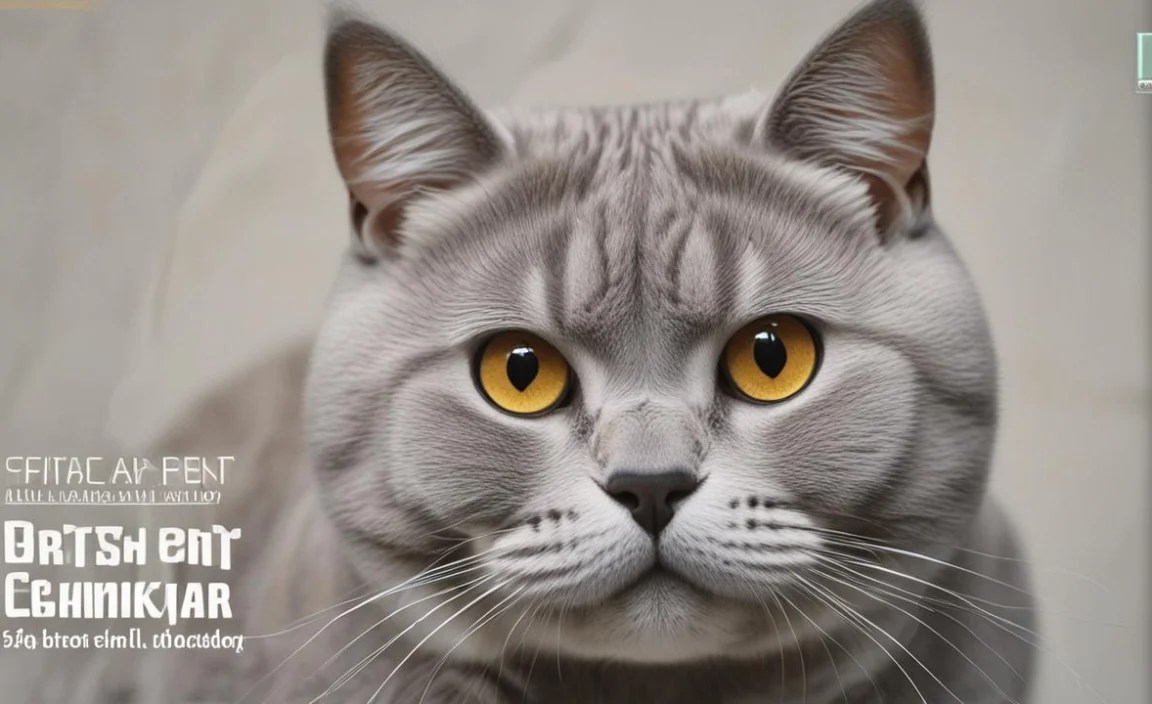
Vaccinations protect your cat from diseases. They help prevent serious illnesses. Kittens need a series of vaccinations. Adult cats need booster shots. Your vet will create a vaccination schedule. Follow it carefully. Vaccinations are essential for your cat’s health. They keep them safe from harmful viruses. They also protect other cats. Vaccinating your cat is a responsible thing to do. It helps keep the cat population healthy.
What About Flea and Worm Prevention?

Fleas and worms can cause problems for cats. Fleas can cause itching and skin irritation. Worms can cause digestive issues. Your vet can recommend preventative medications. These medications help protect your cat. Give them regularly. Follow the vet’s instructions. Flea and worm prevention is important. It keeps your cat comfortable and healthy. It also prevents the spread of parasites to other pets and humans. Talk to your vet about the best options for your cat.
Home Preparation: British Shorthair Adoption Checklist

Prepare your home before your cat arrives. A british shorthair adoption checklist includes this step. Make sure your home is safe. Remove any hazards. Provide a quiet space for your cat. They need a place to retreat. Set up their food and water bowls. Place the litter box in a convenient location. Introduce your cat to their new home slowly. Let them explore at their own pace. Be patient and loving. Your cat will adjust in time. A well-prepared home helps your cat feel comfortable. It also reduces stress. A happy cat makes a happy home.
- Create a safe and secure environment.
- Set up a quiet space for your cat.
- Place food and water bowls in a good spot.
- Put the litter box in a private area.
- Introduce your cat slowly to the house.
- Make sure windows and doors are secure.
Consider vertical space. Cats love to climb. A cat tree or shelves provide this opportunity. This helps them feel secure. It also gives them a place to play. Provide scratching posts. This protects your furniture. Cats need to scratch. It is a natural behavior. Make sure your home is clean. Cats are sensitive to smells. A clean home makes them feel more comfortable. Also, think about other pets. Introduce them slowly. Supervise their interactions. A peaceful home is a happy home for everyone. Remember, a well-prepared home is a welcoming home for your new British Shorthair.
Fun Fact or Stat: British Shorthairs are adaptable and can thrive in various home environments, but they still need a safe and comfortable space!
How Can You Make Your Home Safe?

Cat-proof your home. This means removing any potential hazards. Hide electrical cords. Store cleaning products out of reach. Remove poisonous plants. Secure windows and doors. Cats are curious. They can get into trouble. A safe home protects them from accidents. It also gives you peace of mind. Check your home regularly for potential dangers. A little bit of prevention goes a long way. A safe home is a happy home for your cat.
Where Should You Put the Litter Box?

The litter box should be in a private area. Cats do not like to be disturbed. Choose a spot that is quiet and accessible. Avoid placing it near food and water. Keep it away from high-traffic areas. The litter box should be easy to clean. Choose a location that is convenient for you. A good litter box location is important. It encourages your cat to use it. A clean litter box is a happy litter box.
How Do You Introduce a Cat to a New Home?

Introduce your cat to their new home slowly. Start with one room. Let them explore at their own pace. Provide food, water, and a litter box in that room. Spend time with your cat. Talk to them in a soft voice. Offer them treats. Gradually introduce them to the rest of the house. Be patient. It takes time for cats to adjust. A slow introduction reduces stress. It helps your cat feel comfortable. A confident cat is a happy cat.
Socialization Tips: British Shorthair Adoption Checklist

Socialization is key. A british shorthair adoption checklist includes this. Introduce your cat to new people and pets slowly. Supervise their interactions. Make sure everyone is gentle. Provide positive experiences. Give treats and praise. Avoid forcing interactions. Let your cat approach at their own pace. Early socialization helps your cat become well-adjusted. It also prevents behavior problems. A well-socialized cat is a happy cat. They are more confident and less fearful. This makes them a joy to be around.
- Introduce your cat to new people gently.
- Supervise interactions with other pets.
- Provide positive reinforcement and treats.
- Avoid forcing interactions or stressful situations.
- Expose your cat to different sights and sounds.
Consider attending a kitten socialization class. These classes teach you how to socialize your cat. They also provide a safe environment. This helps your cat interact with other cats. Socialization is an ongoing process. Continue to expose your cat to new experiences. This helps them stay well-adjusted. A well-socialized cat is a confident cat. They are more likely to be friendly and outgoing. Remember, patience and positive reinforcement are key. This helps your cat become a well-behaved companion. Make socialization fun for both you and your cat.
Fun Fact or Stat: Early socialization can significantly impact a British Shorthair’s temperament, making them more adaptable and friendly!
How Do You Introduce a Cat to New People?

Introduce your cat to new people slowly. Have visitors approach gently. Tell them to speak in a soft voice. Offer treats to your cat. Let your cat approach them. Do not force interactions. If your cat seems scared, give them space. A positive introduction is important. It helps your cat feel comfortable. Avoid overwhelming them. Patience is key. A well-introduced cat is a happy cat.
How Do You Introduce a Cat to Other Pets?

Introduce your cat to other pets slowly. Keep them separated at first. Let them smell each other under the door. Gradually allow supervised visits. Keep the visits short. Provide positive reinforcement. Give treats and praise. If there is any aggression, separate them. Try again later. A slow introduction is important. It prevents conflicts. A peaceful household is a happy household.
What Are Some Positive Socialization Experiences?

Positive socialization experiences are important. These include playing with toys. Giving treats. Offering praise. Petting gently. Exposing your cat to different sights and sounds. Taking them for car rides. Visiting new places. These experiences help your cat become well-adjusted. They also prevent fear and anxiety. A well-socialized cat is a confident cat. They are more likely to be friendly and outgoing.
Common Health Issues: British Shorthair Checklist

Know the common health issues. A british shorthair adoption checklist should cover this. British Shorthairs are generally healthy. But they can be prone to certain conditions. These include hypertrophic cardiomyopathy (HCM). This is a heart condition. Polycystic kidney disease (PKD) is another concern. Regular vet check-ups can help detect these problems early. Early detection improves the chances of successful treatment. Knowing the risks helps you be prepared. It also helps you provide the best care for your cat. A healthy cat is a happy cat.
- Be aware of hypertrophic cardiomyopathy (HCM).
- Understand the risk of polycystic kidney disease (PKD).
- Watch for signs of dental problems.
- Monitor for obesity and weight gain.
- Address any breathing issues promptly.
Dental problems are common in British Shorthairs. Regular teeth cleaning can help prevent these issues. Obesity is another concern. British Shorthairs can gain weight easily. Monitor their diet. Provide plenty of exercise. Respiratory problems can also occur. Watch for signs of difficulty breathing. Seek veterinary care if needed. Being proactive about your cat’s health is important. It helps them live a long and happy life. A healthy cat is a joy to have. Make sure to keep your vet’s contact information handy. You never know when you might need it.
Fun Fact or Stat: British Shorthairs are prone to certain genetic health issues, making regular vet check-ups crucial for early detection!
What is Hypertrophic Cardiomyopathy (HCM)?

Hypertrophic cardiomyopathy (HCM) is a heart condition. It causes the heart muscle to thicken. This can lead to heart failure. It can also cause sudden death. There is no cure for HCM. But treatment can help manage the symptoms. Regular screening is important. This can help detect HCM early. If your cat is diagnosed with HCM, follow your vet’s advice. A healthy heart is essential for a long life. Early detection can help extend your cat’s life and improve its quality.
What is Polycystic Kidney Disease (PKD)?

Polycystic kidney disease (PKD) is a genetic condition. It causes cysts to form on the kidneys. These cysts can damage the kidneys. This can lead to kidney failure. There is no cure for PKD. But treatment can help manage the symptoms. Genetic testing can help identify cats with PKD. If your cat is diagnosed with PKD, follow your vet’s advice. Healthy kidneys are essential for a long life. Regular monitoring can help slow the progression of the disease.
How Can You Prevent Dental Problems?

Dental problems are common in British Shorthairs. Regular teeth cleaning can help prevent these issues. Brush your cat’s teeth regularly. Use a special toothpaste for cats. Provide dental chews. These chews help remove plaque and tartar. Schedule regular dental check-ups with your vet. They can clean your cat’s teeth professionally. Good dental hygiene is important. It prevents tooth decay and gum disease. A healthy mouth is essential for a healthy cat.
| Health Issue | Description | Prevention | Treatment |
|---|---|---|---|
| HCM | Thickening of heart muscle. | Regular screening. | Medications to manage symptoms. |
| PKD | Cysts on the kidneys. | Genetic testing. | Supportive care. |
| Dental Problems | Tooth decay and gum disease. | Regular teeth cleaning. | Professional dental cleaning. |
| Obesity | Excessive weight gain. | Controlled diet and exercise. | Weight management plan. |
Summary
Adopting a British Shorthair is a rewarding experience. It is important to be prepared. A british shorthair adoption checklist helps. It covers everything from supplies to vet visits. Preparing your home is essential. It helps your cat feel safe. Socialization is also important. It helps your cat become well-adjusted. Knowing the common health issues is crucial. It helps you provide the best care. By following this checklist, you can create a happy and healthy home for your new furry friend.
Conclusion
Bringing a British Shorthair into your home is a big decision. It requires planning and preparation. Use a british shorthair adoption checklist to guide you. Remember to provide love, care, and attention. Be patient as your new cat adjusts. With the right approach, you and your British Shorthair can enjoy many happy years together. Enjoy the journey of pet ownership!
Frequently Asked Questions
Question No 1: What should I include in my British Shorthair adoption checklist?
Answer: Your british shorthair adoption checklist should include essential supplies. These are food and water bowls, a comfortable bed, and a litter box. It should also include toys and grooming tools. Schedule a vet visit soon after adoption. This will help ensure your cat is healthy. Prepare your home by removing hazards. Provide a quiet space for your cat. Socialize your cat slowly and gently. This helps them become well-adjusted. Finally, be patient and loving. A happy cat makes a happy home.
Question No 2: How can I prepare my home for a British Shorthair?
Answer: Prepare your home by creating a safe environment. Remove any potential hazards. This includes electrical cords and poisonous plants. Provide a quiet space where your cat can retreat. Set up their food and water bowls. Place the litter box in a convenient location. Consider vertical space. Cats love to climb. Provide a cat tree or shelves. Introduce your cat to their new home slowly. Let them explore at their own pace. Be patient and loving. Your cat will adjust in time.
Question No 3: How do I socialize a British Shorthair?
Answer: Socialize your British Shorthair slowly and gently. Introduce them to new people and pets. Supervise their interactions. Make sure everyone is gentle. Provide positive experiences. Give treats and praise. Avoid forcing interactions. Let your cat approach at their own pace. Early socialization helps your cat become well-adjusted. It also prevents behavior problems. Consider attending a kitten socialization class. This can provide a safe environment. A well-socialized cat is a happy cat.
Question No 4: What are some common health issues in British Shorthairs?
Answer: British Shorthairs are generally healthy. But they can be prone to certain conditions. These include hypertrophic cardiomyopathy (HCM). This is a heart condition. Polycystic kidney disease (PKD) is another concern. Regular vet check-ups can help detect these problems early. Dental problems are also common. Regular teeth cleaning can help prevent these issues. Obesity is another concern. Monitor their diet and provide exercise. Knowing these risks helps you provide the best care. Your british shorthair adoption checklist should remind you to ask your vet about these!
Question No 5: How often should I take my British Shorthair to the vet?
Answer: You should take your British Shorthair to the vet for regular check-ups. Kittens need more frequent visits for vaccinations and check-ups. Adult cats should have a check-up at least once a year. Senior cats may need more frequent visits. Your vet can recommend a schedule based on your cat’s individual needs. If you notice any signs of illness, take your cat to the vet right away. Early detection is important for many health conditions. The british shorthair adoption checklist reminds you to schedule that first visit!
Question No 6: What kind of food should I feed my British Shorthair?
Answer: Feed your British Shorthair a high-quality cat food. Look for food that is high in protein. Avoid foods with too many fillers. Kittens need different food than adult cats. Choose the right one for your cat’s age. Read the labels carefully. Ask your vet for advice. They can help you pick the best food for your cat. A good diet keeps your cat healthy. It also gives them energy to play. Always provide fresh water. Cats need to stay hydrated. The british shorthair adoption checklist should remind you to research good food brands.


