
British Shorthair Lifespan Brushing Schedule: Simple Guide

Have you ever seen a cat with a round face and soft fur? That might be a British Shorthair! These cats are known for being calm and friendly. Do you know how long they live? The British Shorthair lifespan is something many people wonder about.
Taking care of a cat means brushing it. How often should you brush a British Shorthair? The brushing schedule is important for their health. It keeps their fur looking good and helps them feel happy. Let’s learn all about these amazing cats!
Key Takeaways
- Regular brushing helps maintain a healthy and beautiful British Shorthair coat.
- A British Shorthair lifespan typically ranges from 12 to 17 years with good care.
- Proper diet and exercise are crucial for extending your cat’s lifespan.
- Weekly brushing is usually enough, but increase during shedding seasons.
- Understanding the British Shorthair lifespan brushing schedule ensures a happy cat.
British Shorthair Lifespan: What to Expect

The British Shorthair lifespan is something many cat lovers think about. When you get a pet, you want them to be around for a long time. On average, these cats live between 12 and 17 years. Some even live longer! Good care can help them live a full and happy life. This includes healthy food, regular vet visits, and lots of love. Just like people, cats need the right things to stay healthy. So, if you are thinking about getting a British Shorthair, remember this. You can look forward to many years of cuddles and fun. Taking care of them properly is key to a long life. Make sure they get the best care possible.
- Good food helps them stay healthy.
- Vet visits can catch problems early.
- Love and attention make them happy.
- Keep them safe from dangers outside.
- Regular exercise keeps them fit.
Many things affect how long a cat will live. Genetics play a big role. A cat from healthy parents is more likely to be healthy. Lifestyle also matters a lot. Cats that stay indoors are safer from cars and other dangers. What they eat is also very important. Good quality cat food helps them get all the nutrients they need. Regular check-ups with the vet can help catch any problems early. If you take good care of your British Shorthair, they will likely live a long and happy life. Always keep an eye on their health and happiness. A happy cat is often a healthy cat.
Fun Fact or Stat: Some British Shorthairs have lived to be over 20 years old with excellent care!
What Factors Affect Lifespan?
Have you ever wondered why some cats live longer than others? Many things can change a cat’s lifespan. One big thing is their genes. Just like people, some cats are born with stronger bodies. Another thing is their lifestyle. Indoor cats usually live longer. They are safer from cars and wild animals. What they eat is also super important. Good food gives them the energy they need. Regular vet visits help catch any problems early. So, if you want your cat to live a long time, think about all these things. Give them a safe home, good food, and lots of love. This will help them stay healthy and happy for many years.
Indoor vs. Outdoor Cats
Imagine two cats, one that lives inside and one that roams outside. The indoor cat is safe from many dangers. Cars, wild animals, and diseases are less of a worry. Outdoor cats face these risks every day. They might get into fights or eat something bad. This can make them sick or hurt. Indoor cats also get more attention from their owners. They get regular meals and playtime. This helps them stay healthy and happy. So, while outdoor cats might seem like they have more freedom, indoor cats often live longer and safer lives. Keeping your cat indoors can add years to their life.
The Role of Genetics
Have you ever noticed that some families seem to be healthier than others? The same is true for cats! Genetics play a big part in how long a cat will live. If a cat’s parents lived long, healthy lives, the cat is more likely to do the same. Genes can affect how strong their heart is or how well their body fights off sickness. But genes aren’t the only thing that matters. Even if a cat has good genes, they still need good care. Healthy food, regular vet visits, and a safe home are all important. So, while you can’t change a cat’s genes, you can give them the best possible life.
The Importance of a Brushing Schedule

Why is a brushing schedule so important for British Shorthairs? These cats have thick, plush fur. This fur can get tangled and matted if you don’t brush it. Regular brushing helps remove loose fur. This keeps their coat healthy and shiny. It also helps prevent hairballs. Cats swallow hair when they groom themselves. Too much hair can make them sick. Brushing also gives you a chance to check for any skin problems. You might notice fleas, ticks, or dry skin. The brushing schedule can also be a time to bond with your cat. They will enjoy the attention and feel loved.
- Brushing removes loose fur.
- It prevents mats and tangles.
- Reduces hairballs in their stomach.
- Helps you check for skin problems.
- It’s a great way to bond with your cat.
- Brushing keeps their coat shiny.
How often should you brush your British Shorthair? Most experts say once a week is good. But during shedding season, you might need to brush them more often. Shedding season is when they lose more fur than usual. This usually happens in the spring and fall. Use a good quality brush made for cats. A slicker brush or a metal comb works well. Be gentle when you brush them. Start at their head and work your way down their body. Pay attention to their belly and legs, where mats can form. Make brushing a fun and positive experience for your cat. Give them treats and praise. This will help them enjoy being brushed.
Fun Fact or Stat: Regular brushing can reduce hairballs by up to 70%!
Choosing the Right Brush
Have you ever tried to brush your hair with the wrong kind of brush? It can be painful and not work very well! The same is true for cats. British Shorthairs need a special brush for their thick fur. A slicker brush is a good choice. It has thin, angled bristles that can remove loose fur. A metal comb is also helpful. It can get deep into their coat to remove mats. Avoid brushes with hard bristles. These can hurt your cat’s skin. When you brush, be gentle. Don’t pull or tug on their fur. If you find a mat, try to gently work it out with your fingers. If it’s too big, you might need to trim it with scissors.
Making Brushing a Positive Experience
Imagine if someone tried to brush your hair when you were scared or uncomfortable. You wouldn’t like it very much! Cats feel the same way. To make brushing a good experience, start when they are calm. Maybe after they have eaten or taken a nap. Use a soft voice and talk to them gently. Start with short brushing sessions. Just a few minutes at first. Give them treats and praise while you brush. This will help them associate brushing with good things. If they start to get upset, stop and try again later. Never force them to be brushed. With patience and kindness, you can make brushing a pleasant experience for both of you.
Dealing with Mats and Tangles
Mats and tangles can be a big problem for British Shorthairs. Their thick fur is prone to getting knotted. The best way to deal with mats is to prevent them. Regular brushing is key. But even with regular brushing, mats can still form. If you find a small mat, try to gently work it out with your fingers. You can also use a special detangling spray. This can help loosen the mat. If the mat is too big or tight, you might need to trim it with scissors. Be very careful not to cut your cat’s skin. If you’re not comfortable using scissors, take your cat to a groomer. They can safely remove the mat.
Diet and Exercise for a Longer Life

What do cats eat? A good diet is very important for a British Shorthair lifespan. Just like people, cats need the right nutrients to stay healthy. Look for cat food that is high in protein and low in fillers. Fillers are ingredients that don’t provide much nutrition. Also, make sure they have fresh water available at all times. Exercise is also important. Cats need to move their bodies to stay fit. Play with your cat every day. Use toys like feather wands or laser pointers. This will help them burn energy and stay active. A healthy diet and regular exercise will help your British Shorthair live a longer, happier life.
- Feed them high-quality cat food.
- Make sure they have fresh water.
- Play with them every day.
- Provide scratching posts for exercise.
- Avoid giving them too many treats.
- Monitor their weight to avoid obesity.
Obesity is a common problem in cats. It can lead to many health issues, like diabetes and heart disease. To prevent obesity, don’t overfeed your cat. Follow the feeding guidelines on the cat food package. You can also talk to your vet about the right amount of food for your cat. Make sure they get enough exercise. Playtime is a great way to burn calories. You can also encourage them to move around by placing their food in different locations. This will make them work for their meals. A healthy weight will help your British Shorthair live longer. Always be mindful of what and how much they eat.
Fun Fact or Stat: Over 50% of cats in the United States are overweight or obese!
Choosing the Right Cat Food
Have you ever read the ingredients on your food? Cat food labels are important, too! Look for cat food that lists meat as the first ingredient. This means it’s high in protein. Avoid foods with a lot of fillers, like corn or wheat. These don’t provide much nutrition. Wet food can be good for cats. It helps them stay hydrated. Dry food can help keep their teeth clean. You can feed your cat a combination of wet and dry food. Talk to your vet about the best food for your British Shorthair. They can help you choose a food that meets their specific needs.
The Importance of Playtime
Imagine if you had to sit inside all day with nothing to do. You would get bored and restless! Cats need playtime to stay happy and healthy. Playtime helps them burn energy and stay active. It also stimulates their minds. Use toys like feather wands, laser pointers, or toy mice. These toys encourage them to chase, pounce, and hunt. Play with your cat for at least 15-20 minutes each day. This will help them stay fit and prevent boredom. Playtime is also a great way to bond with your cat. They will enjoy the attention and feel loved.
Preventing Obesity in British Shorthairs
Obesity can cause many health problems for cats. Overweight cats are more likely to develop diabetes, heart disease, and arthritis. To prevent obesity, watch how much you feed your cat. Follow the feeding guidelines on the cat food package. Avoid giving them too many treats. Treats should only make up a small part of their diet. Make sure they get enough exercise. Playtime is a great way to burn calories. You can also encourage them to move around by placing their food in different locations. This will make them work for their meals. Regular vet visits can also help you monitor your cat’s weight.
Common Health Issues Affecting Lifespan

Sadly, even with the best care, British Shorthairs can get sick. Some health problems are more common in this breed. Knowing about these issues can help you keep your cat healthy. Hypertrophic cardiomyopathy (HCM) is a heart disease. It can cause sudden death. Polycystic kidney disease (PKD) is another problem. It affects the kidneys. Dental disease is also common. It can lead to pain and infection. Regular vet visits are very important. Your vet can check for these problems and treat them early. Early treatment can help your cat live a longer, healthier life. Understanding these risks is part of responsible pet ownership and helps extend the British Shorthair lifespan.
- Hypertrophic cardiomyopathy (HCM)
- Polycystic kidney disease (PKD)
- Dental disease and oral health
- Arthritis and joint problems
- Diabetes
- Upper respiratory infections
One of the best ways to keep your British Shorthair healthy is to take them to the vet regularly. Annual check-ups are important. Your vet can check their heart, kidneys, and teeth. They can also look for any signs of illness. If your cat seems sick, don’t wait to see the vet. Early treatment can make a big difference. Vaccinations are also important. They can protect your cat from serious diseases. Talk to your vet about the right vaccination schedule for your cat. Regular vet care is an important part of keeping your British Shorthair healthy and happy. Always be aware of any changes in their behavior or appetite.
Fun Fact or Stat: Cats age much faster than humans, especially in their first two years.
Understanding HCM in British Shorthairs
HCM is a heart disease that can affect British Shorthairs. The heart muscle gets thicker, making it harder for the heart to pump blood. Some cats with HCM don’t show any symptoms. Others may have trouble breathing or collapse. There is no cure for HCM, but there are treatments. These treatments can help manage the symptoms and improve your cat’s quality of life. If you have a British Shorthair, talk to your vet about HCM screening. Early detection can help your cat live longer. Regular check-ups can help catch the disease early.
Managing PKD in British Shorthairs
PKD is a kidney disease that can affect British Shorthairs. It causes cysts to form on the kidneys. These cysts can damage the kidneys and lead to kidney failure. There is no cure for PKD, but there are treatments. These treatments can help slow down the disease and manage the symptoms. A special diet can help support kidney function. Regular blood tests can help monitor kidney health. If you have a British Shorthair, talk to your vet about PKD screening. Early detection can help your cat live longer. Watch for signs like increased thirst or weight loss.
The Importance of Dental Care
Dental disease is a common problem in cats. It can lead to pain, infection, and tooth loss. To prevent dental disease, brush your cat’s teeth regularly. Use a special toothbrush and toothpaste made for cats. You can also give them dental treats or toys. These can help remove plaque and tartar. Regular dental cleanings at the vet are also important. Your vet can remove any buildup and check for signs of disease. Good dental care is an important part of keeping your British Shorthair healthy. Start brushing their teeth when they are young to get them used to it.
Creating a Safe Environment
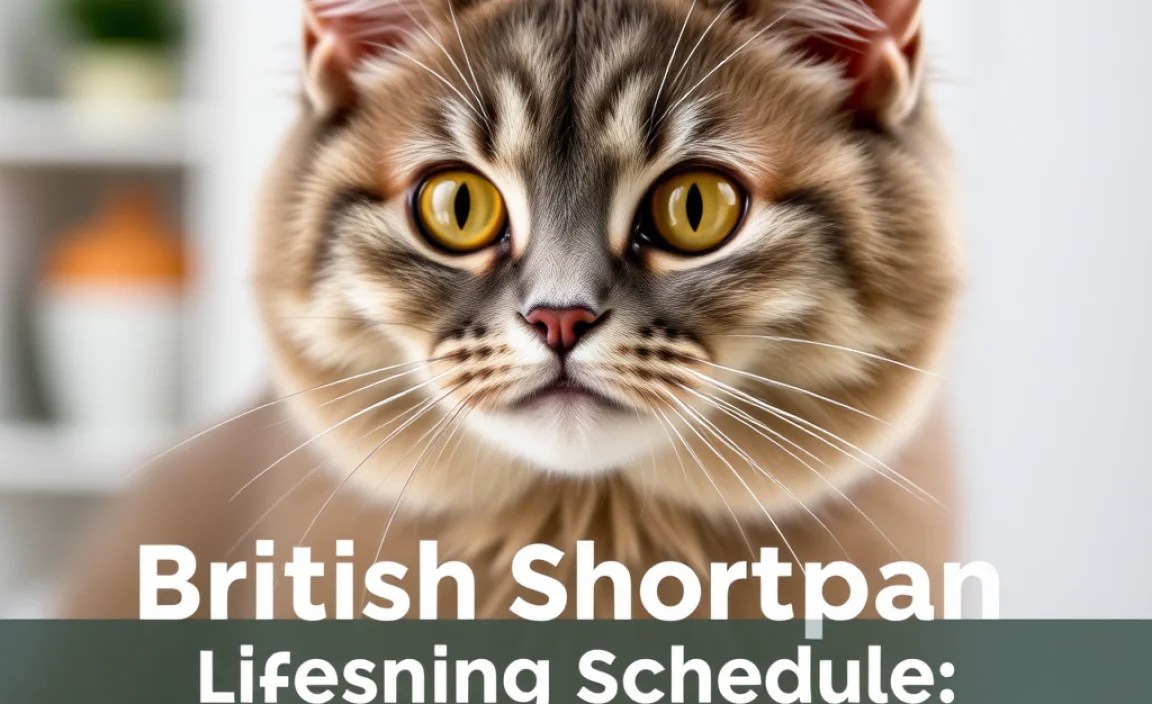
Where your cat lives matters! A safe environment is crucial for a British Shorthair lifespan. Keep your cat indoors to protect them from dangers. Cars, wild animals, and diseases are all risks outside. Make sure your home is free of hazards. Keep cleaning products and medications out of reach. Cover electrical cords to prevent chewing. Provide a comfortable and safe place for your cat to sleep. A cozy bed or a quiet corner will do. A happy and safe cat is more likely to live a long and healthy life. A secure home contributes significantly to the British Shorthair lifespan.
- Keep them indoors to avoid dangers.
- Remove hazards from your home.
- Provide a safe and comfortable bed.
- Protect them from extreme temperatures.
- Ensure proper ventilation in your home.
- Supervise outdoor activities carefully.
Cats are curious creatures. They love to explore and climb. Provide them with plenty of toys and scratching posts to keep them entertained. This will help them burn energy and prevent boredom. Make sure your windows and doors are secure. Cats can easily escape through small openings. If you have a balcony, make sure it is safe. Cats can fall from balconies and get seriously injured. Creating a safe and stimulating environment will help your British Shorthair thrive. A stimulating environment is key to a happy and healthy cat.
Fun Fact or Stat: Cats can jump up to six times their height!
Protecting Your Cat from Outdoor Dangers
The outdoors can be a dangerous place for cats. Cars are a major threat. Cats can easily get hit by cars if they roam freely. Wild animals, like coyotes and foxes, can also attack cats. Diseases, like feline leukemia and rabies, can be spread by other animals. To protect your cat, keep them indoors. If you want them to enjoy the outdoors, create a safe outdoor space. A catio is a screened-in enclosure that allows cats to enjoy the fresh air without the risks. You can also supervise them while they are outside on a leash.
Indoor Hazards to Avoid
Your home may seem safe, but there are many hazards that can harm your cat. Cleaning products, medications, and pesticides can be poisonous. Keep these items out of reach. Electrical cords can be dangerous if chewed. Cover them with cord protectors. Small objects, like rubber bands and paper clips, can be swallowed. Keep these items off the floor. Certain plants are poisonous to cats. Do some research before bringing plants into your home. A little bit of caution can help keep your cat safe.
Creating a Stimulating Indoor Environment
Cats need mental stimulation to stay happy. Provide them with plenty of toys. Rotate the toys regularly to keep them interested. Scratching posts are important for their physical and mental health. They allow them to stretch their muscles and sharpen their claws. Cat trees provide a place for them to climb and explore. Window perches allow them to watch the outside world. Play with your cat every day. This will help them burn energy and bond with you. A stimulating environment will prevent boredom and keep your cat happy.
British Shorthair Lifespan: By the Numbers
Do you know how long a British Shorthair lifespan is compared to other breeds? British Shorthairs generally live a bit longer than some other breeds. Their average lifespan is 12-17 years. Some factors affect this, like genetics and care. Proper diet, exercise, and regular vet visits can help them live longer. Here’s a simple comparison of lifespans for different cat breeds. This shows how British Shorthairs stack up. Remember, these are just averages. Individual cats can live longer or shorter lives.
| Breed | Average Lifespan |
|---|---|
| British Shorthair | 12-17 years |
| Siamese | 11-15 years |
| Maine Coon | 10-13 years |
| Persian | 10-17 years |
| Ragdoll | 12-15 years |
- Average lifespan is 12-17 years.
- Good care can extend their life.
- Genetics play a role in lifespan.
- Indoor cats live longer on average.
- Diet and exercise are very important.
- Regular vet visits are essential.
It’s important to remember that these are just averages. Some British Shorthairs live longer than 17 years. Others may live shorter lives due to health problems. The best way to help your cat live a long life is to provide them with the best possible care. This includes a healthy diet, regular exercise, a safe environment, and regular vet visits. Pay attention to any changes in their behavior or appetite. Early detection of health problems can make a big difference. A loving and attentive owner can significantly impact a British Shorthair lifespan.
Fun Fact or Stat: The oldest cat on record lived to be 38 years old!
Comparing Lifespans to Other Breeds
Have you ever wondered how long different cat breeds live? Some breeds are known for their long lifespans. Others tend to live shorter lives. Siamese cats often live 11-15 years. Maine Coons typically live 10-13 years. Persians can live 10-17 years. British Shorthairs fall in the middle, with an average lifespan of 12-17 years. Many factors can affect lifespan, including genetics, diet, and lifestyle. Researching the breed you choose can help you prepare for the future. Knowing the average lifespan can help you provide the best possible care.
The Role of Genetics in Lifespan Statistics
Genetics play a big role in how long a cat will live. Some breeds are predisposed to certain health problems. These problems can shorten their lifespan. For example, Persians are prone to polycystic kidney disease. This can affect their lifespan. British Shorthairs are prone to hypertrophic cardiomyopathy. Understanding the genetic risks associated with a breed can help you make informed decisions. You can choose a breeder who screens for these problems. You can also be more vigilant about monitoring your cat’s health.
Extending Your Cat’s Lifespan Through Care
While genetics play a role, you can still impact your cat’s lifespan. Providing the best possible care can help them live longer. Feed them a high-quality diet. Make sure they get plenty of exercise. Keep them indoors to protect them from dangers. Provide them with a safe and stimulating environment. Take them to the vet for regular check-ups. Pay attention to any changes in their behavior or appetite. Early detection of health problems can make a big difference. A loving and attentive owner can significantly extend their cat’s life.
Brushing Schedule: Step-by-Step Guide
How do you brush a British Shorthair? A good brushing schedule makes it easy. First, gather your supplies. You’ll need a brush, a comb, and some treats. Choose a time when your cat is relaxed. Start by gently petting your cat. This will help them feel comfortable. Begin brushing their fur in the direction it grows. Use the brush to remove loose fur. Use the comb to work out any mats or tangles. Be gentle and patient. If your cat gets upset, stop and try again later. End with a treat and praise. This will make brushing a positive experience. Regular brushing as part of a well-thought-out brushing schedule is key.
- Gather your brush and comb.
- Choose a calm time to brush.
- Start by petting your cat gently.
- Brush in the direction of fur growth.
- Use the comb for mats and tangles.
- End with a treat and praise.
How often should you brush your British Shorthair? Once a week is usually enough. But during shedding season, you might need to brush them more often. Shedding season is when they lose more fur than usual. This usually happens in the spring and fall. Pay attention to your cat’s coat. If you notice more shedding, increase the frequency of brushing. A regular brushing schedule will keep their coat healthy and shiny. It will also help prevent hairballs. Remember, consistency is key. Make brushing a regular part of your routine.
Fun Fact or Stat: Cats spend up to 50% of their waking hours grooming!
Preparing for the Brushing Session
Before you start brushing, gather everything you need. Have your brush, comb, and treats ready. Choose a quiet place where your cat feels comfortable. Make sure you have enough time. Don’t rush the process. Start by petting your cat and talking to them in a soothing voice. This will help them relax. Check their coat for any mats or tangles. If you find any, be extra gentle when you brush those areas. A little preparation can make the brushing session much easier.
The Best Brushing Techniques
When you brush your British Shorthair, use gentle strokes. Brush in the direction of their fur growth. Avoid pulling or tugging on their fur. Use the brush to remove loose fur. Use the comb to work out any mats or tangles. Pay attention to their belly and legs. These areas are prone to matting. If you find a mat that you can’t remove, try using a detangling spray. If the mat is too big, you may need to trim it with scissors. Be very careful not to cut their skin.
Maintaining a Consistent Schedule
Consistency is key when it comes to brushing. A regular brushing schedule will help keep your cat’s coat healthy. Choose a day and time that works for you. Stick to that schedule as much as possible. This will help your cat get used to being brushed. They will learn to expect it and may even start to enjoy it. If you skip a brushing session, don’t worry. Just get back on track the following week. Regular brushing will keep their coat looking its best.
Summary
The British Shorthair lifespan typically ranges from 12 to 17 years. Factors like genetics, diet, exercise, and environment play a big role. Regular vet visits are also crucial. A proper brushing schedule is essential for their thick coat. Brushing helps prevent mats and reduces hairballs. It also gives you a chance to check for skin problems. A healthy diet and regular playtime contribute to a longer, happier life. Creating a safe and stimulating environment is also important. Be aware of common health issues and seek early treatment.
Understanding the breed’s needs helps ensure a good quality of life. A well-cared-for British Shorthair is a happy companion. Responsible pet ownership makes a big difference. This includes providing proper care and attention. The brushing schedule is just one part of the overall care. Paying attention to all aspects of their health will help them thrive.
Conclusion
The British Shorthair lifespan can be long and fulfilling with proper care. These cats are known for their calm and loving nature. A healthy diet, regular exercise, and a safe environment are essential. Regular vet visits can help catch any health problems early. The brushing schedule is important for maintaining their beautiful coat. By understanding their needs, you can provide a happy and healthy life for your British Shorthair. Enjoy many years of companionship with your feline friend!
Frequently Asked Questions
Question No 1: What is the average lifespan of a British Shorthair?
Answer: The average lifespan of a British Shorthair is typically between 12 and 17 years. However, with excellent care, some British Shorthairs can live even longer. Factors that influence their lifespan include genetics, diet, exercise, and overall health management. Providing a safe and enriching environment also plays a significant role in ensuring a long and healthy life for your feline companion. Regular vet check-ups are crucial for early detection and management of any potential health issues that may arise during their lifespan.
Question No 2: How often should I brush my British Shorthair?
Answer: You should brush your British Shorthair at least once a week. This helps to remove loose fur and prevent matting. During shedding season, which usually occurs in the spring and fall, you may need to brush them more frequently, perhaps two to three times a week. Regular brushing is essential for maintaining the health and appearance of their thick coat. It also provides an opportunity to bond with your cat and check for any skin problems. Therefore, including brushing in your regular brushing schedule is very important.
Question No 3: What are some common health issues that affect British Shorthairs?
Answer: British Shorthairs are prone to certain health issues. These include hypertrophic cardiomyopathy (HCM), polycystic kidney disease (PKD), and dental disease. HCM is a heart condition, while PKD affects the kidneys. Dental disease can lead to pain and infection. Regular vet check-ups can help detect and manage these conditions early. Early detection and management can help improve your cat’s quality of life and potentially extend their lifespan. Being aware of these potential issues and taking proactive steps is crucial for responsible pet ownership.
Question No 4: How can I help my British Shorthair live a longer life?
Answer: You can help your British Shorthair live a longer life by providing them with proper care. This includes feeding them a high-quality diet, ensuring they get regular exercise, and keeping them indoors to protect them from outdoor dangers. Regular vet check-ups are also essential for early detection and management of any potential health issues. Creating a safe and stimulating environment is also important for their overall well-being. Following a consistent brushing schedule also contributes to their overall health and comfort.
Question No 5: What type of brush is best for a British Shorthair?
Answer: A slicker brush or a metal comb is best for a British Shorthair. A slicker brush has thin, angled bristles that can remove loose fur effectively. A metal comb can help work out any mats or tangles. Choose a brush that is gentle on their skin and comfortable for them. Avoid brushes with hard bristles that can cause discomfort or irritation. Regular use of the right brush as part of the brushing schedule will keep their coat healthy and shiny.
Question No 6: Is it better to keep my British Shorthair indoors or outdoors?
Answer: It is generally better to keep your British Shorthair indoors. Outdoor cats face many dangers, including cars, wild animals, and diseases. Indoor cats are safer and tend to live longer lives. If you want your cat to enjoy the outdoors, you can create a safe outdoor space such as a catio. You can also supervise them while they are outside on a leash. Keeping your cat indoors significantly reduces the risk of accidents and illnesses, thereby positively impacting the British Shorthair lifespan.


