
British Shorthair Lifespan and Genetics: Secret to Longevity?

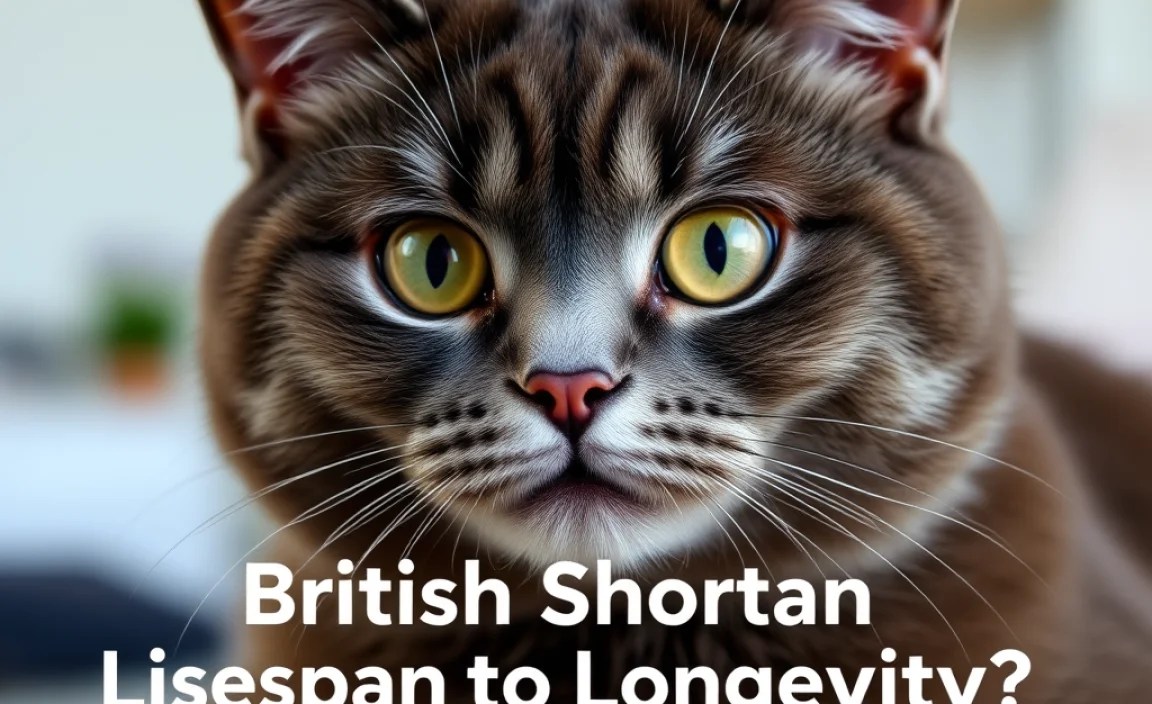
Have you ever seen a fluffy, round-faced cat? It might be a British Shorthair! These cats are known for their calm nature. People love them as pets. But how long do these cute cats live? And what makes them who they are? Let’s explore the British Shorthair lifespan and genetics. We will learn some cool facts about these amazing felines.
Key Takeaways
- British Shorthair lifespan and genetics play crucial roles in their health and longevity.
- Proper care, including diet and exercise, greatly impacts their lifespan.
- Genetic factors can predispose them to certain health issues.
- Regular vet check-ups are essential for early detection of potential problems.
- Understanding their genetic background helps in providing tailored care.
Understanding British Shorthair Lifespan

The lifespan of a British Shorthair is something many owners think about. These cats typically live for 12 to 15 years. Some may even live longer with good care! Many factors can affect how long they live. This includes their diet, how much they exercise, and their overall health. Genetics also play a big role. Some cats might be more prone to certain illnesses. These illnesses can shorten their lifespan. Keeping your British Shorthair healthy is key. Regular vet visits can help catch problems early. A good diet and lots of play will keep them happy. This helps them live a long and fulfilling life.
- British Shorthairs usually live 12 to 15 years.
- Good care can help them live longer.
- Diet and exercise are very important.
- Genetics affect their overall health.
- Regular vet visits are a must.
Thinking about your cat’s health can be a little scary. But knowing what to watch for is very helpful. Genetics can influence whether your cat develops certain conditions. For example, some British Shorthairs are prone to heart problems. Others might have kidney issues. Knowing this helps you work with your vet. Together, you can make a plan to keep your cat healthy. This might include special food, more exercise, or regular checkups. Remember, being proactive is the best way to ensure a long and happy life for your furry friend. Giving them lots of love also helps!
What is the Average Lifespan?
Have you ever wondered how long cats live compared to other pets? The average lifespan for a British Shorthair is about 12 to 15 years. Of course, this is just an average. Some cats may live much longer. Others may not live as long. Many things influence how long a cat lives. These include their genetics, diet, and how much exercise they get. Indoor cats tend to live longer than outdoor cats. This is because they are safer from cars and other dangers. Providing a safe and loving home is the best way to help your cat live a long and happy life. Regular vet visits are also very important.
Factors Affecting Lifespan
Imagine your body is a car. To keep it running well, you need to give it the right fuel. You also need to take it for regular checkups. The same is true for your British Shorthair! Many factors affect how long they live. A good diet is like the right fuel. Exercise keeps them fit. Regular vet visits catch problems early. Genetics also play a big role. Some cats are more likely to get certain diseases. By taking good care of your cat, you can help them live a longer and healthier life. Love and attention are important too!
How to Extend Your Cat’s Life
Want to help your British Shorthair live a long and happy life? It’s easier than you think! Start with a healthy diet. Make sure they get plenty of exercise. Regular play sessions can keep them active. Don’t forget about regular vet visits. These checkups can catch problems early. Also, keep your cat indoors. This protects them from dangers like cars and other animals. Finally, give them lots of love and attention. A happy cat is often a healthy cat. By following these tips, you can help your furry friend enjoy many years by your side. Remember, a little care goes a long way!
Fun Fact or Stat: The oldest British Shorthair on record lived to be 27 years old! This is like a human living to be over 120 years old!
Genetic Predispositions in British Shorthairs

Genetics determine many things about your British Shorthair. They affect their coat color and even their personality. But they also play a role in their health. Some British Shorthairs are more prone to certain health issues. Hypertrophic cardiomyopathy (HCM) is a common heart problem. Polycystic kidney disease (PKD) is another concern. Knowing about these genetic predispositions is important. It helps you work with your vet. Together, you can watch for signs of these conditions. Early detection can make a big difference. It can help you manage the problem and keep your cat healthy. Responsible breeding practices can also help reduce these issues.
- Some British Shorthairs get heart problems.
- Kidney disease is another concern.
- Genetics play a role in these issues.
- Early detection is very important.
- Responsible breeding helps.
Understanding genetic predispositions can feel complicated. But it’s like knowing your family history. If your family has a history of heart problems, you might be more careful about your heart health. The same is true for your cat. If you know British Shorthairs are prone to certain issues, you can be more watchful. Talk to your vet about genetic testing. This can help identify potential problems early. It’s not about being scared. It’s about being prepared. By working with your vet, you can give your cat the best possible care. This helps them live a long and healthy life.
Common Genetic Health Issues
Imagine you’re a detective looking for clues. In this case, the clues are signs of genetic health issues in your British Shorthair. One common issue is hypertrophic cardiomyopathy (HCM). This is a heart problem that can be serious. Another issue is polycystic kidney disease (PKD). This affects the kidneys. Look for symptoms like changes in appetite or energy levels. Regular vet visits are essential. Your vet can perform tests to check for these conditions. Early detection can help manage these problems. It ensures your cat stays as healthy as possible. Remember, being observant is key!
Genetic Testing Options
Have you ever wondered if there’s a way to peek into the future of your cat’s health? Genetic testing offers a glimpse into potential health issues. These tests can identify if your cat carries genes for certain diseases. This information can be very helpful. It allows you and your vet to create a plan. This plan can help manage or prevent these issues. Genetic testing is not always necessary. But it can be a valuable tool. It’s especially useful if you’re planning to breed your cat. Talk to your vet to see if genetic testing is right for your furry friend. It’s like having a secret weapon for their health!
Responsible Breeding Practices
Think of responsible breeding like planting a garden. If you want healthy plants, you need good seeds. Responsible breeders focus on healthy genetics. They carefully select cats for breeding. They avoid cats with known health problems. This helps reduce the risk of passing on genetic issues. Responsible breeders also do genetic testing. This helps them make informed decisions. They prioritize the health and well-being of their cats. By supporting responsible breeders, you can help ensure healthier British Shorthairs. It’s all about creating a brighter future for these wonderful cats.
Fun Fact or Stat: About 30% of British Shorthairs may carry the gene for Hypertrophic Cardiomyopathy (HCM). Early detection can significantly improve their quality of life.
Diet and Nutrition for Longevity

What your British Shorthair eats plays a big role in how long they live. A balanced diet keeps them healthy. It provides the energy they need. Look for high-quality cat food. Make sure it has plenty of protein. Avoid foods with lots of fillers. These offer little nutrition. Portion control is also important. Overfeeding can lead to obesity. This can cause other health problems. Fresh water should always be available. A healthy diet supports their immune system. It helps them fight off illness. Proper nutrition is a key part of a long and happy life.
- Feed your cat high-quality food.
- Ensure they get enough protein.
- Avoid foods with fillers.
- Control their portions to prevent obesity.
- Always provide fresh water.
Choosing the right food can feel overwhelming. There are so many options! Start by reading the labels. Look for food that lists meat as the first ingredient. This means it has plenty of protein. Avoid foods with lots of corn or wheat. These are often used as fillers. Talk to your vet about the best food for your cat. They can recommend a diet based on your cat’s age and health. Remember, a good diet is an investment in your cat’s health. It can help them live longer and feel better. It’s like giving them a daily dose of wellness!
Importance of a Balanced Diet
Imagine your plate filled with only cookies. It might taste good, but it’s not very healthy! Your British Shorthair needs a balanced diet. This means they need the right mix of protein, fats, and carbohydrates. Protein helps build and repair muscles. Fats provide energy. Carbohydrates offer fiber for digestion. A balanced diet supports their overall health. It helps them maintain a healthy weight. It also keeps their coat shiny and their eyes bright. Think of a balanced diet as a recipe for a long and happy life. It’s the foundation for good health.
Avoiding Harmful Foods
Did you know that some foods that are safe for humans are dangerous for cats? Chocolate, onions, and garlic can be toxic to cats. Even small amounts can make them sick. Also, avoid giving your cat milk. Many cats are lactose intolerant. This means they can’t digest milk properly. It can cause stomach upset. Always be careful about what your cat eats. If you’re not sure if a food is safe, don’t give it to them. Stick to cat food and treats. This is the safest way to ensure they stay healthy. It’s like protecting them from hidden dangers.
Supplements and Vitamins
Sometimes, even with a good diet, your British Shorthair might need a little extra help. Supplements and vitamins can fill in any gaps in their nutrition. For example, omega-3 fatty acids can help with their skin and coat. Probiotics can support their digestive system. However, it’s important to talk to your vet before giving your cat any supplements. Some supplements can be harmful if given in the wrong amounts. Your vet can recommend the right supplements for your cat’s specific needs. It’s like giving them a little boost to stay healthy and strong.
Fun Fact or Stat: Overweight cats tend to have a shorter lifespan by a few years compared to cats with a healthy weight!
Exercise and Activity Levels
Exercise is not just for humans! Your British Shorthair needs exercise too. It helps them stay fit and healthy. Regular activity keeps their muscles strong. It also helps them maintain a healthy weight. Playtime is a great way to get them moving. Use toys to encourage them to run and jump. A scratching post gives them a place to stretch. Even a short walk can be beneficial. Exercise also helps with their mental health. It prevents boredom and keeps them happy. Aim for at least 15-20 minutes of playtime each day. This will help them live a longer and healthier life.
- Exercise keeps them fit.
- Playtime is a great way to exercise.
- Scratching posts help them stretch.
- Exercise prevents boredom.
- Aim for 15-20 minutes of play each day.
Finding ways to keep your cat active can be fun. Try using a laser pointer. Most cats love to chase the light. A feather wand is another great option. You can also create a cat-friendly environment. Place shelves or cat trees around your home. This gives them places to climb and explore. Remember, exercise doesn’t have to be strenuous. Even a little bit of activity can make a big difference. It helps them stay healthy and happy. It’s like giving them a daily dose of fun and fitness!
Benefits of Regular Exercise
Imagine exercise as a magic potion. It has many benefits for your British Shorthair. It helps them maintain a healthy weight. This reduces the risk of diabetes and other health problems. Exercise also strengthens their heart. It improves their circulation. It keeps their joints flexible. Regular activity boosts their mood. It helps them release energy. It prevents boredom and destructive behaviors. Exercise is a key ingredient in a long and happy life. It’s like giving them a daily dose of health and happiness!
Creating an Active Environment
Have you ever thought about turning your home into a cat playground? Creating an active environment is easier than you think. Start by adding vertical spaces. Cat trees and shelves give them places to climb. Place toys around the house. Rotate them regularly to keep things interesting. A window perch allows them to watch the world outside. Make sure they have plenty of scratching posts. This gives them a place to stretch and scratch. A stimulating environment keeps them active and engaged. It’s like turning your home into a feline adventure park!
Playtime Ideas for British Shorthairs
Want to make playtime more fun for your British Shorthair? Try these ideas! Use a laser pointer to create a chase game. Wave a feather wand to entice them to pounce. Roll a ball across the floor. Hide treats around the house for them to find. Play fetch with a small toy. Rotate their toys regularly to keep things interesting. Make sure playtime is interactive and engaging. This will help them stay active and happy. It’s like giving them a daily dose of fun and excitement!
Fun Fact or Stat: British Shorthairs are not known for being super active. But regular, gentle play can significantly improve their health and lifespan.
Regular Veterinary Check-Ups

Going to the vet is important for your British Shorthair. Regular check-ups help catch problems early. Your vet can check their weight and listen to their heart. They can also look for signs of illness. Vaccinations protect them from diseases. Dental care is also important. Clean teeth prevent health issues. Talk to your vet about a schedule for check-ups. Early detection can make a big difference. It can help you manage health problems. This helps your cat live a longer and healthier life.
- Check-ups catch problems early.
- Vaccinations protect from diseases.
- Dental care prevents health issues.
- Talk to your vet about a schedule.
- Early detection makes a big difference.
Finding a good vet is like finding a good doctor for yourself. You want someone who is knowledgeable and caring. Ask friends for recommendations. Read online reviews. Schedule a visit to meet the vet and staff. Make sure you feel comfortable with them. A good vet will take the time to listen to your concerns. They will explain things clearly. They will work with you to create a plan for your cat’s health. Remember, your vet is your partner in keeping your cat healthy. It’s like having a trusted advisor for their well-being!
Importance of Early Detection
Imagine you have a small leak in your roof. If you catch it early, it’s easy to fix. But if you ignore it, it can cause major damage. The same is true for your British Shorthair’s health. Early detection of problems can make a big difference. It allows you to start treatment sooner. This can prevent the problem from getting worse. Regular vet check-ups are essential for early detection. Your vet can identify potential issues before they become serious. It’s like having a safety net for your cat’s health.
Vaccination and Preventative Care
Think of vaccinations as a superhero shield for your British Shorthair. They protect them from dangerous diseases. Vaccinations help their immune system fight off infections. Preventative care also includes things like flea and tick control. Heartworm prevention is also important. These measures protect your cat from parasites and other health issues. Talk to your vet about the right vaccinations and preventative care for your cat. It’s like giving them a suit of armor to protect them from harm.
Dental Health and Longevity
Did you know that dental health can affect your British Shorthair’s lifespan? Poor dental health can lead to infections. These infections can spread to other parts of their body. This can cause serious health problems. Regular dental care is essential. Brush their teeth regularly. Provide dental chews. Schedule professional dental cleanings with your vet. Good dental health helps them live a longer and healthier life. It’s like keeping their smile bright and their body healthy!
Fun Fact or Stat: Cats with good dental health tend to live 1-2 years longer than those with poor dental health!
Creating a Stress-Free Environment
A happy cat is often a healthy cat. Stress can weaken their immune system. It can make them more prone to illness. Create a calm and peaceful environment for your British Shorthair. Provide them with a safe space where they can retreat. This could be a cozy bed or a quiet corner. Avoid loud noises and sudden changes. Spend time playing with them and giving them attention. A loving and stress-free environment helps them thrive. It contributes to a longer and happier life.
- Stress weakens their immune system.
- Provide a safe space.
- Avoid loud noises and changes.
- Spend time playing with them.
- A loving environment helps them thrive.
Think about what makes you feel relaxed and happy. Your cat needs those things too! A comfortable bed, a sunny spot, and plenty of toys can make a big difference. Also, make sure they have access to fresh water and a clean litter box. These simple things can reduce stress and improve their overall well-being. Remember, a happy cat is a healthy cat. It’s like creating a little oasis of calm in your home!
Importance of Mental Well-being
Imagine your brain is like a garden. If you water it with positive thoughts, it will flourish. But if you fill it with stress, it will wither. The same is true for your British Shorthair. Their mental well-being is just as important as their physical health. A stressed cat is more likely to get sick. They may also develop behavioral problems. Providing a stimulating and loving environment supports their mental well-being. It’s like nurturing their inner garden, helping them thrive.
Safe Spaces and Hiding Spots
Have you ever felt overwhelmed and needed a quiet place to retreat? Your British Shorthair feels that way too! Safe spaces and hiding spots are essential for their well-being. A cozy bed, a cardboard box, or a quiet corner can provide comfort. These spaces allow them to escape from stress and feel secure. Make sure their safe space is easily accessible. It should be a place where they feel safe and undisturbed. It’s like giving them a personal sanctuary where they can recharge.
Reducing Environmental Stressors
Think of your home as a stage. Your British Shorthair is the star. But certain things can disrupt their performance. Loud noises, sudden changes, and aggressive pets can cause stress. Reduce these environmental stressors to create a calmer environment. Use calming pheromone diffusers. Provide plenty of scratching posts. Offer interactive toys to keep them engaged. A stress-free environment promotes their overall well-being. It’s like creating a peaceful and harmonious stage for them to shine.
Fun Fact or Stat: Cats in multi-cat households often experience more stress. Providing enough resources (food, water, litter boxes) can help reduce this stress.
British Shorthair Lifespan: Comparison Table
Here is a table showing the average lifespan and potential health issues of British Shorthairs, along with some lifestyle factors.
| Factor | Details | Impact on Lifespan |
|---|---|---|
| Average Lifespan | 12-15 years | Baseline for comparison |
| Genetics | Predisposition to HCM, PKD | Can shorten lifespan if not managed |
| Diet & Nutrition | High-quality food, portion control | Extends lifespan by preventing obesity and related issues |
| Exercise | Regular playtime, active environment | Improves cardiovascular health and overall fitness |
| Veterinary Care | Regular check-ups, vaccinations | Early detection and prevention of diseases |
| Environment | Stress-free, safe spaces | Reduces stress-related illnesses |
Summary
The British Shorthair lifespan and genetics are intertwined. These cats typically live 12 to 15 years. Genetics can influence their health. Conditions like HCM and PKD are potential concerns. A balanced diet, regular exercise, and routine vet visits are key. Early detection of health issues can make a big difference. A stress-free environment also contributes to their well-being. Providing proper care helps them live a long and happy life. Understanding these factors empowers owners to make informed decisions. This ensures their furry friends thrive. Genetics can predispose them to certain health issues. Knowing their background helps in tailored care.
Conclusion
The British Shorthair lifespan and genetics show us how important care is. These cats can live long and happy lives with the right attention. Good food, regular play, and vet check-ups are essential. Knowing about potential health issues helps owners be prepared. A loving and stress-free home makes a big difference. By understanding their needs, we can give them the best possible life. This helps these wonderful cats thrive by our sides for many years.
Frequently Asked Questions
Question No 1: What is the average lifespan of a British Shorthair?
Answer: The average lifespan of a British Shorthair is typically between 12 to 15 years. However, some British Shorthairs can live longer with proper care and a healthy lifestyle. Factors such as diet, exercise, regular veterinary check-ups, and a stress-free environment play a significant role in determining their lifespan. Genetics also contribute, so understanding their genetic background can help ensure they live a long and fulfilling life. Making sure they have a good quality of life is key.
Question No 2: How do genetics affect the lifespan of a British Shorthair?
Answer: Genetics play a crucial role in the health and lifespan of British Shorthairs. Certain genetic predispositions can make them more susceptible to health issues such as hypertrophic cardiomyopathy (HCM) and polycystic kidney disease (PKD). Responsible breeding practices aim to minimize these genetic risks. Understanding your cat’s genetic background can help you and your vet monitor for potential health problems early on. Early detection and management of these conditions can significantly impact their lifespan and quality of life. Thus, choosing a reputable breeder is essential for a healthy start.
Question No 3: What are some common health issues that affect British Shorthairs?
Answer: British Shorthairs are prone to certain health issues. Hypertrophic cardiomyopathy (HCM) is a heart condition. Polycystic kidney disease (PKD) affects the kidneys. These conditions can impact their lifespan. Other potential issues include dental problems and obesity. Regular veterinary check-ups are essential. They help detect these problems early. A healthy diet and exercise can prevent some issues. Knowing the genetic predispositions of the breed can help you be proactive in their care. Monitoring their health closely is key.
Question No 4: What kind of diet is best for a British Shorthair to ensure a long life?
Answer: A balanced and nutritious diet is vital for a British Shorthair’s longevity. High-quality cat food with plenty of protein is essential. Avoid foods with fillers and artificial additives. Portion control is also important to prevent obesity. Fresh water should always be available. Consider incorporating wet food into their diet for hydration. A diet rich in essential nutrients supports their immune system and overall health. Always consult your vet for personalized dietary recommendations. Genetics can also influence their dietary needs, so be mindful of any specific health conditions.
Question No 5: How important is exercise for a British Shorthair, and what are some good activities?
Answer: Exercise is important for British Shorthairs, even though they are not overly active cats. Regular physical activity helps them maintain a healthy weight. It strengthens their muscles and improves their cardiovascular health. Playtime with toys like laser pointers, feather wands, and puzzle toys can keep them engaged. Providing scratching posts and cat trees encourages stretching and climbing. Aim for at least 15-20 minutes of playtime each day. A stimulating environment prevents boredom and promotes mental well-being. Remember, even gentle exercise contributes to a longer and healthier life, regardless of their genetics.
Question No 6: How can I create a stress-free environment for my British Shorthair to help them live longer?
Answer: Creating a stress-free environment is crucial for a British Shorthair’s well-being and longevity. Provide them with a safe and comfortable space where they can retreat. Avoid loud noises and sudden changes. Ensure they have access to fresh water, a clean litter box, and plenty of toys. Spend time playing with them and giving them attention. Calming pheromone diffusers can also help reduce stress. A loving and stable environment supports their immune system and overall health. This helps them thrive and live a longer, happier life. Consider their genetics and any related anxiety issues as well.


