
Historical Background of Cornish Rex: Secret History?

Quick Summary: The Cornish Rex cat breed originated in Cornwall, England, in 1950, with a kitten named Kallibunker born with a unique, curly coat. This spontaneous genetic mutation led to selective breeding, establishing the breed known for its distinctive wavy fur, slender build, and playful personality. The Cornish Rex was officially recognized in the 1960s and has since gained popularity worldwide.
Have you ever seen a cat with a coat so wavy and unique, it looks like it stepped out of a vintage movie? That’s likely a Cornish Rex! These cats are not only striking in appearance but also have a fascinating history. Understanding where they come from can help you appreciate their unique traits and care needs. Many cat lovers are curious about the origins of this special breed, and it’s easy to see why. Let’s dive into the story of the Cornish Rex and discover how this curly-coated feline came to be.
The Unexpected Beginning

The story of the Cornish Rex begins on a farm in Cornwall, England, in the year 1950. A cat named Serena gave birth to a litter of kittens, and among them was one very special kitten named Kallibunker. Unlike his siblings, Kallibunker had a tightly curled coat. This unique feature caught the attention of Serena’s owner, Nina Ennismore, who recognized that something extraordinary had happened.
Nina consulted with geneticists, who confirmed that Kallibunker’s curly coat was the result of a spontaneous genetic mutation. This meant that Kallibunker was the first of his kind, a completely new type of cat. Nina, fascinated by this discovery, decided to keep Kallibunker and explore the possibility of creating a new breed.
The Kallibunker Legacy
To preserve and develop this unique trait, Nina Ennismore embarked on a breeding program. She bred Kallibunker back to his mother, Serena, which produced more kittens with the curly coat. This was a crucial step in establishing the genetic foundation of what would become the Cornish Rex breed. By carefully selecting and breeding cats with the desired curly coat, Nina ensured that the trait would continue to be passed on to future generations.
The name “Cornish Rex” was chosen to reflect the cat’s origin in Cornwall and the “Rex” designation, which was already used for curly-coated rabbits. This naming convention helped to identify the breed’s unique characteristic and distinguish it from other types of cats.
Early Challenges and Recognition

In the early years, the Cornish Rex faced several challenges. The gene pool was limited, which meant that breeders had to be very careful to avoid genetic problems. Outcrossing to other breeds, such as British Shorthairs and Siamese, was sometimes necessary to maintain genetic diversity and the overall health of the cats. These outcrosses helped to strengthen the breed and reduce the risk of hereditary issues.
Despite these challenges, the Cornish Rex quickly gained recognition and popularity. In 1967, the breed was officially recognized by the Governing Council of the Cat Fancy (GCCF) in the United Kingdom. This recognition was a significant milestone, as it allowed Cornish Rex cats to be shown in competitions and further promoted the breed’s popularity. Soon after, in 1964, the Cornish Rex was also recognized by the Cat Fanciers’ Association (CFA) in the United States, solidifying its status as a distinct and desirable breed.
Expanding the Breed
As the Cornish Rex became more popular, breeders around the world began to work with the breed. This international interest helped to expand the gene pool and improve the overall health and diversity of the breed. Breeders in the United States, Europe, and Australia played a crucial role in refining the breed’s characteristics and ensuring its long-term survival.
The Cornish Rex’s unique appearance and charming personality made it a favorite among cat enthusiasts. Its wavy coat, large ears, and slender body set it apart from other breeds, while its playful and affectionate nature made it a wonderful companion. The breed’s popularity continued to grow, and it became a beloved pet in many households.
Distinctive Traits and Characteristics

One of the most distinctive features of the Cornish Rex is its coat. Unlike most cats, which have three layers of fur (guard hair, awn hair, and down hair), the Cornish Rex only has the down hair. This gives the coat a soft, wavy texture that is often described as being similar to velvet or silk. The coat is tightly curled, and the degree of curl can vary from cat to cat. Some Cornish Rex cats have very tight, defined curls, while others have a looser, wavier coat.
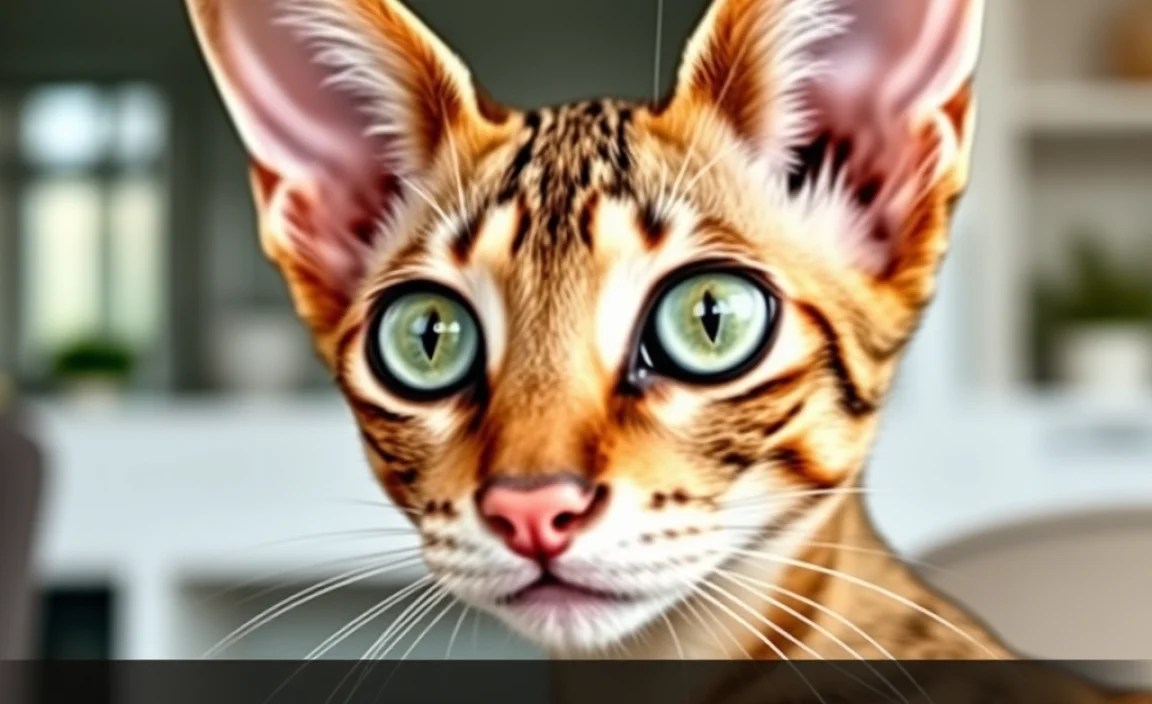
In addition to its unique coat, the Cornish Rex has several other distinctive physical characteristics. These cats are typically slender and muscular, with long legs and a deep chest. Their heads are wedge-shaped, with large, prominent ears and oval-shaped eyes. The combination of these features gives the Cornish Rex a distinctive and elegant appearance.
Temperament and Personality
The Cornish Rex is known for its playful and affectionate personality. These cats are highly intelligent and enjoy interacting with their human companions. They are often described as being “dog-like” in their behavior, as they enjoy playing fetch, learning tricks, and following their owners around the house. Cornish Rex cats are also very social and get along well with children and other pets.
Because of their active and social nature, Cornish Rex cats require plenty of attention and stimulation. They need regular playtime and opportunities to exercise their minds and bodies. Puzzle toys, scratching posts, and interactive games are all great ways to keep a Cornish Rex happy and healthy.
Genetic Considerations
As with any breed, the Cornish Rex is prone to certain genetic health issues. One of the most common concerns is hypertrophic cardiomyopathy (HCM), a type of heart disease that can affect cats. Breeders should screen their cats for HCM to reduce the risk of passing this condition on to future generations. Responsible breeders work hard to minimize the occurrence of genetic problems and ensure the overall health and well-being of their cats.
Another potential health issue in Cornish Rex cats is patellar luxation, a condition in which the kneecap can dislocate from its normal position. This can cause pain and lameness, and in severe cases, surgery may be required to correct the problem. Regular veterinary checkups and careful monitoring can help to detect and manage these types of health issues.
Grooming and Care
The Cornish Rex requires special grooming because of its unique coat. Regular bathing is necessary to remove excess oil and dirt, as the lack of guard hairs means the coat can become greasy more easily. It’s best to use a gentle cat shampoo to avoid irritating their sensitive skin. Because they don’t have a thick coat, they can get cold easily, so it’s important to keep them warm, especially in colder climates. Providing sweaters or warm bedding can help to keep them comfortable.
In addition to coat care, Cornish Rex cats also need regular nail trims and ear cleaning. Their ears can accumulate wax and debris, so it’s important to clean them regularly with a vet-approved ear cleaner. Regular dental care, including brushing their teeth, is also essential for maintaining their overall health.
Cornish Rex Today

Today, the Cornish Rex is a beloved breed around the world. Its unique appearance, playful personality, and affectionate nature make it a wonderful companion for people of all ages. Whether you’re looking for a playful kitten or a loving lap cat, the Cornish Rex is sure to bring joy to your life.
Breeders continue to refine the breed, focusing on health, temperament, and conformation. They work hard to preserve the breed’s unique characteristics while also ensuring its long-term well-being. The Cornish Rex remains a popular choice for cat lovers who are looking for something a little bit different.
Finding a Cornish Rex
If you’re interested in adding a Cornish Rex to your family, it’s important to find a reputable breeder. A good breeder will be knowledgeable about the breed, health test their cats, and be committed to producing healthy, well-socialized kittens. They should also be willing to answer your questions and provide ongoing support as you care for your new cat. You can find a list of reputable breeders through cat fancier organizations like the Cat Fanciers’ Association (CFA) and The International Cat Association (TICA).
Adopting a Cornish Rex from a rescue organization is another great option. Many rescue groups specialize in rehoming specific breeds, and you may be able to find a Cornish Rex in need of a loving home. Adoption not only gives a cat a second chance but can also be a more affordable way to add a Cornish Rex to your family.
Cornish Rex vs. Devon Rex
While both breeds have “Rex” in their name and sport curly coats, they are distinct. The Cornish Rex has a slender build and a tightly curled coat, while the Devon Rex has a broader face, larger ears, and looser curls. Genetically, they’re different, meaning you can’t breed a Cornish Rex with a Devon Rex to get a curly-coated kitten; the offspring would have straight hair. The Devon Rex originated in Devon, also in England, but is a separate mutation from the Cornish Rex.
Here’s a table summarizing the key differences:
| Feature | Cornish Rex | Devon Rex |
|---|---|---|
| Coat | Tightly curled, down hair only | Looser curls, all three hair types present but reduced |
| Body | Slender, elegant | More muscular, broader chest |
| Head | Wedge-shaped | Wider, with prominent cheekbones |
| Ears | Large, set high on the head | Very large, set low on the head |
| Origin | Cornwall, England | Devon, England |
Why the Cornish Rex Stands Out
The Cornish Rex isn’t just another pretty cat; its history and genetics contribute to its unique charm. From its unexpected discovery in a Cornish farm to its recognition as a distinct breed, the Cornish Rex has captured the hearts of cat lovers worldwide. Its playful personality, combined with its distinctive appearance, makes it a truly special feline companion. Whether you’re a seasoned cat owner or a first-time pet parent, the Cornish Rex offers a unique and rewarding experience.
Here are a few reasons why the Cornish Rex stands out:
- Unique Coat: The wavy, soft coat is unlike any other breed.
- Playful Personality: They’re known for their energetic and interactive nature.
- Hypoallergenic Qualities: Some people with allergies find them more tolerable due to their coat type.
- Intelligent: They are quick learners and enjoy puzzle toys and games.
- Affectionate: They bond closely with their owners and enjoy cuddling.
FAQ About the Historical Background of Cornish Rex
1. Where did the Cornish Rex cat breed originate?
The Cornish Rex breed originated in Cornwall, England, in 1950, with the birth of a unique, curly-coated kitten named Kallibunker.
2. What caused the Cornish Rex to have its distinctive curly coat?
The curly coat is the result of a spontaneous genetic mutation. This mutation affects the hair follicles, causing the fur to curl tightly.
3. Who is credited with starting the Cornish Rex breed?
Nina Ennismore, the owner of the farm where Kallibunker was born, is credited with recognizing the unique trait and starting the breeding program to establish the Cornish Rex breed.
4. When was the Cornish Rex officially recognized as a breed?
The Cornish Rex was officially recognized by the Governing Council of the Cat Fancy (GCCF) in the United Kingdom in 1967 and by the Cat Fanciers’ Association (CFA) in the United States in 1964.
5. What were some of the challenges faced in the early development of the Cornish Rex breed?
Early challenges included a limited gene pool, which required outcrossing to other breeds like British Shorthairs and Siamese to maintain genetic diversity and overall health.
6. How does the Cornish Rex differ genetically from the Devon Rex?
The Cornish Rex and Devon Rex have different genetic mutations that cause their curly coats. Breeding a Cornish Rex with a Devon Rex will not result in curly-coated kittens; the offspring will have straight hair.
7. What is the temperament of Cornish Rex cats?
Cornish Rex cats are known for their playful, intelligent, and affectionate personalities. They enjoy interacting with their owners, playing games, and are often described as being “dog-like” in their behavior.
Conclusion
From a chance discovery on a Cornish farm to a beloved breed worldwide, the Cornish Rex has a captivating history. Its unique curly coat and playful personality have made it a favorite among cat lovers. Understanding the breed’s origins and the efforts of early breeders helps us appreciate the Cornish Rex even more. If you’re considering adding a Cornish Rex to your family, remember that their distinctive traits require specific care and attention. But with the right love and support, these curly-coated companions will bring joy and laughter to your home for many years to come.


