
Development of Ocicat Breed: The Ultimate Guide

Quick Summary: The Ocicat breed was accidentally developed in the 1960s by Virginia Daly. She was attempting to breed Siamese-Abyssinian mix cats, but one litter produced a kitten named Tonga, who resembled a wild cat. Although initially sold, Tonga was later brought back and became the foundation of the Ocicat breed, known for its spotted coat and domestic temperament.
Have you ever been captivated by the look of a wild cat but longed for the gentle temperament of a domestic feline? The Ocicat, with its striking spotted coat, offers just that. This breed wasn’t found in the jungle; it was carefully developed by breeders who wanted a cat with an exotic appearance and a loving personality. Understanding the Ocicat’s unique origins not only enriches your appreciation for this beautiful breed but also helps you provide the best care for your spotted friend.
In this article, we’ll explore the fascinating story of how the Ocicat came to be, from a surprising twist in a breeding program to its recognition as a beloved breed. We will cover the key figures, the breeds involved, and the traits that make the Ocicat special. By the end, you’ll know all about the Ocicat’s history and why it’s such a wonderful companion.
The Accidental Beginning of the Ocicat

The story of the Ocicat begins in 1964 in Michigan, with a breeder named Virginia Daly. Daly wasn’t trying to create a new breed; she was working on breeding Siamese cats with Abyssinian traits. This is where the unexpected twist occurred that led to the Ocicat’s creation.
The First Generation: A Siamese-Abyssinian Mix
Daly’s initial goal was to produce Siamese cats with the pointed coloration and the ticked coat pattern of the Abyssinian. The first generation of kittens from this breeding were, as expected, Siamese-Abyssinian mixes. These cats carried genes from both breeds, setting the stage for what was to come.
The Unexpected Kitten: Tonga’s Unique Appearance
In a subsequent litter, something remarkable happened. One of the kittens, a male, was born with a spotted coat. Daly named him Tonga. Tonga’s appearance was striking: he looked like a wild cat, resembling a miniature leopard or ocelot. It was this unique appearance that captured Daly’s attention and set her on a new path.
From Pet to Pioneer: The Development of a Breed

Tonga’s wild appearance sparked something in Daly. Although Tonga was neutered and sold as a pet, Daly’s interest in his unique look didn’t fade. She recognized the potential to create a new breed that combined the exotic appearance of wild cats with the gentle temperament of domestic cats.
Bringing Tonga Back: A Fateful Decision
After Tonga was sold, Daly couldn’t shake the idea of developing a breed that resembled him. She contacted the owners and, fortunately, was able to buy Tonga back. This decision was crucial because Tonga became the foundation of the Ocicat breed. Without him, the Ocicat might never have existed.
Breeding for Spots: The Early Ocicat Development
With Tonga back in her care, Daly began selectively breeding cats to replicate his spotted coat. She continued to use Siamese and Abyssinian cats in her breeding program, carefully selecting cats with the desired traits. The goal was to consistently produce kittens with spots, while also maintaining a domestic temperament.
Expanding the Gene Pool: The Introduction of the American Shorthair

As the Ocicat breed developed, breeders realized the importance of genetic diversity. To avoid potential health issues and to refine the breed’s appearance, the American Shorthair was introduced into the Ocicat’s gene pool. This outcross brought several benefits to the breed.
Why the American Shorthair?
The American Shorthair was chosen for several reasons:
- Genetic Diversity: Adding new genes helped to reduce the risk of inbreeding and associated health problems.
- Bone Structure: The American Shorthair contributed to a larger, more substantial bone structure in the Ocicat.
- Silver Coloring: The American Shorthair also brought in a silver coloring gene, which added another dimension to the Ocicat’s coat colors.
The Impact of the American Shorthair
The introduction of the American Shorthair had a noticeable impact on the Ocicat breed. The cats became larger and more muscular, and the silver coloring became a recognized and desirable trait. This outcross helped to solidify the Ocicat’s unique appearance and improve its overall health.
Achieving Breed Recognition
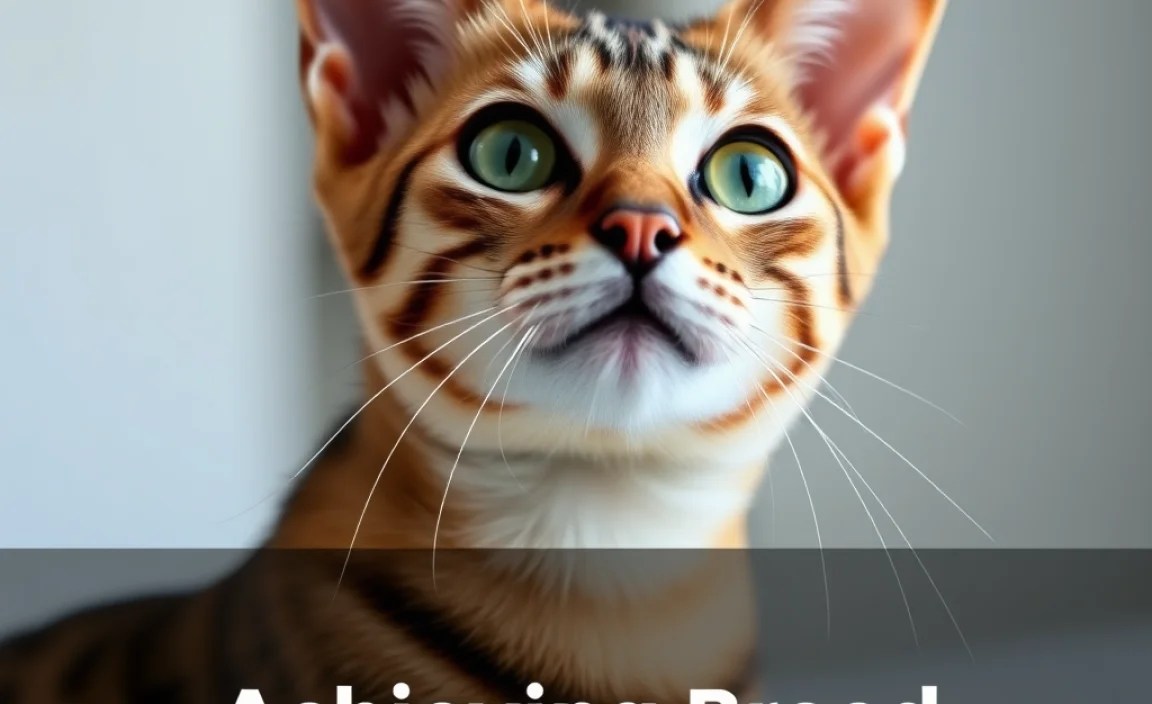
Developing a new breed is a long and challenging process. It requires dedication, careful planning, and a deep understanding of feline genetics. For the Ocicat, the journey to breed recognition involved several key steps.
Early Recognition and Registration
In the early days, the Ocicat was recognized and registered by various cat registries. This was an important step because it allowed breeders to track the lineage of their cats and to maintain the integrity of the breed. However, full recognition by major cat associations was still the ultimate goal.
The Cat Fanciers’ Association (CFA)
The Cat Fanciers’ Association (CFA) is one of the largest and most prestigious cat registries in the world. Achieving CFA recognition is a significant milestone for any breed. Ocicat breeders worked diligently to meet the CFA’s standards, which included demonstrating consistent traits and a healthy population.
The International Cat Association (TICA)
The International Cat Association (TICA) is another major cat registry that recognizes the Ocicat. TICA is known for its progressive approach to breed recognition and its emphasis on the health and welfare of cats. Gaining TICA recognition was another important step in establishing the Ocicat as a distinct and well-regarded breed.
Ocicat Breed Characteristics

The Ocicat is known for its distinctive spotted coat, which gives it the appearance of a wild cat. However, there’s much more to this breed than just its looks. Ocicats have a unique combination of physical and personality traits that make them wonderful companions.
Physical Traits
Here are some of the key physical characteristics of the Ocicat:
- Spotted Coat: The most defining feature of the Ocicat is its spotted coat, which resembles that of a wild cat. The spots are thumbprint-shaped and are scattered across the cat’s body.
- Size and Build: Ocicats are medium to large cats with a muscular and athletic build. They typically weigh between 6 and 15 pounds.
- Head and Face: Ocicats have a wedge-shaped head with large, almond-shaped eyes. Their ears are moderately large and slightly rounded at the tips.
- Coat Colors: Ocicats come in a variety of colors, including tawny, chocolate, cinnamon, blue, lavender, and fawn. There are also silver variations of these colors.
Personality and Temperament
While the Ocicat may look wild, its personality is anything but. Ocicats are known for their friendly, outgoing, and intelligent nature. They are often described as being very dog-like in their behavior.
- Friendly and Outgoing: Ocicats are very social cats who enjoy being around people. They are known for greeting their owners at the door and for following them around the house.
- Intelligent and Trainable: Ocicats are highly intelligent and can be trained to do tricks. They also enjoy playing games and solving puzzles.
- Playful and Active: Ocicats are active cats who need plenty of exercise. They enjoy playing with toys, climbing, and exploring their environment.
- Affectionate and Loyal: Ocicats are very affectionate and form strong bonds with their owners. They enjoy cuddling and being petted.
Health Considerations
Like all breeds, Ocicats are prone to certain health issues. Understanding these potential problems can help you provide the best possible care for your cat. Responsible breeders screen their cats for genetic health issues to minimize the risk of these problems.
Common Health Issues in Ocicats
Here are some of the health issues that Ocicats may be prone to:
- Hypertrophic Cardiomyopathy (HCM): HCM is a common heart condition in cats. It causes the heart muscle to thicken, which can lead to heart failure. Regular veterinary checkups and screening can help detect HCM early.
- Pyruvate Kinase Deficiency (PKD): PKD is a genetic condition that affects red blood cells. It can cause anemia and other health problems. Genetic testing can identify cats who are carriers of PKD.
- Progressive Retinal Atrophy (PRA): PRA is a degenerative eye disease that can lead to blindness. Regular eye exams can help detect PRA early.
Preventative Care
Preventative care is essential for keeping your Ocicat healthy. This includes:
- Regular Veterinary Checkups: Annual checkups can help detect health problems early.
- Vaccinations: Vaccinations protect your cat from infectious diseases.
- Parasite Control: Regular deworming and flea prevention are important for maintaining your cat’s health. The RSPCA provides detailed information on cat health and preventative care.
- Dental Care: Regular teeth cleaning can prevent dental disease.
Caring for Your Ocicat
Ocicats are relatively easy to care for, but they do have specific needs that should be met to ensure their health and happiness. Providing a stimulating environment, a healthy diet, and regular grooming are all important aspects of Ocicat care.
Grooming Requirements
Ocicats have short, smooth coats that require minimal grooming. However, regular brushing can help to remove loose hair and keep their coat looking its best.
- Brushing: Brush your Ocicat once or twice a week with a soft brush.
- Bathing: Ocicats rarely need to be bathed unless they get into something messy.
- Nail Trimming: Trim your Ocicat’s nails every few weeks to prevent them from becoming too long.
- Ear Cleaning: Check your Ocicat’s ears regularly and clean them with a cotton ball if necessary.
Nutritional Needs
A healthy diet is essential for keeping your Ocicat in top condition. Choose a high-quality cat food that is appropriate for their age and activity level. Consult with your veterinarian to determine the best diet for your cat.
- High-Quality Cat Food: Look for a cat food that is high in protein and low in carbohydrates.
- Fresh Water: Always provide your Ocicat with access to fresh, clean water.
- Treats: Give treats in moderation. The Purina website offers excellent guidelines on cat nutrition.
Environmental Enrichment
Ocicats are intelligent and active cats who need plenty of mental and physical stimulation. Providing them with a stimulating environment can help to prevent boredom and behavioral problems.
- Toys: Provide a variety of toys for your Ocicat to play with, including interactive toys, puzzle toys, and toys that mimic hunting behavior.
- Climbing Structures: Ocicats enjoy climbing, so provide them with a cat tree or other climbing structure.
- Scratching Posts: Provide scratching posts to satisfy your Ocicat’s natural scratching instinct.
- Interactive Play: Spend time playing with your Ocicat every day. This will help to strengthen your bond and provide them with exercise.
Ocicat Breed Standards
Breed standards are guidelines that describe the ideal characteristics of a breed. These standards are used by judges at cat shows to evaluate cats and to determine which cats best represent the breed. Understanding the Ocicat breed standard can give you a deeper appreciation for the breed’s unique traits.
Key Elements of the Ocicat Breed Standard
Here are some of the key elements of the Ocicat breed standard, as defined by TICA and CFA:
| Trait | Description |
|---|---|
| Head | Wedge-shaped, with a broad muzzle and a slight curve from the forehead to the nose. |
| Eyes | Large, almond-shaped, and set wide apart. Eye color should be any color except blue. |
| Ears | Moderately large, slightly rounded at the tips, and set at a slight angle. |
| Body | Medium to large, muscular, and athletic. The body should be long and well-proportioned. |
| Coat | Short, smooth, and satiny. The coat should have a distinct spotted pattern. |
| Color | Tawny, chocolate, cinnamon, blue, lavender, and fawn. Silver variations of these colors are also accepted. |
| Pattern | The spots should be thumbprint-shaped and scattered across the cat’s body. The spots should be distinct and well-defined. |
Judging Criteria
At cat shows, Ocicats are judged based on how well they conform to the breed standard. Judges evaluate the cat’s overall appearance, including its head, eyes, ears, body, coat, and pattern. Cats who closely match the breed standard are awarded points, and the cat with the most points is declared the winner. The TICA website provides detailed breed standards and judging guidelines.
Finding an Ocicat
If you’re interested in adding an Ocicat to your family, it’s important to find a reputable breeder or rescue organization. This will help to ensure that you get a healthy and well-socialized cat.
Choosing a Reputable Breeder
A reputable breeder will:
- Health Test Their Cats: They will screen their cats for genetic health issues and provide you with health records.
- Provide a Healthy Environment: They will raise their cats in a clean and stimulating environment.
- Socialize Their Kittens: They will socialize their kittens from a young age to ensure that they are well-adjusted and friendly.
- Be Knowledgeable About the Breed: They will be able to answer your questions about the breed and provide you with guidance on caring for your Ocicat.
Adopting from a Rescue Organization
Adopting a cat from a rescue organization is a wonderful way to give a deserving cat a loving home. Many rescue organizations have Ocicats or Ocicat mixes available for adoption. When you adopt from a rescue organization, you’ll typically pay a lower adoption fee than you would pay for a kitten from a breeder. Plus, you’ll be giving a cat a second chance at a happy life.
Frequently Asked Questions (FAQ)
Here are some frequently asked questions about the development and characteristics of the Ocicat breed:
- How did the Ocicat breed originate?
- The Ocicat breed originated in the 1960s from an accidental breeding between a Siamese and an Abyssinian cat. A spotted kitten named Tonga was born, and breeders then selectively bred to replicate his unique coat pattern.
- What breeds were used to develop the Ocicat?
- The Siamese and Abyssinian breeds were primarily used in the early development of the Ocicat. Later, the American Shorthair was introduced to add genetic diversity and improve bone structure.
- What is the temperament of an Ocicat?
- Ocicats are known for their friendly, outgoing, and intelligent nature. They are often described as being very dog-like in their behavior and enjoy being around people.
- What are the common health issues in Ocicats?
- Common health issues in Ocicats include Hypertrophic Cardiomyopathy (HCM), Pyruvate Kinase Deficiency (PKD), and Progressive Retinal Atrophy (PRA). Regular veterinary checkups and genetic testing can help detect these conditions early.
- How do I care for an Ocicat?
- Ocicats require regular grooming, a high-quality diet, and plenty of mental and physical stimulation. Providing them with toys, climbing structures, and interactive play can help keep them happy and healthy.
- What does the Ocicat breed standard look for?
- The Ocicat breed standard emphasizes a wedge-shaped head, large almond-shaped eyes, a muscular body, and a short, smooth coat with distinct thumbprint-shaped spots. The coat can come in various colors, including tawny, chocolate, and silver.
- How can I find a healthy Ocicat kitten?
- To find a healthy Ocicat kitten, choose a reputable breeder who health tests their cats, provides a healthy environment, and socializes their kittens. Alternatively, consider adopting from a rescue organization.
Conclusion
The Ocicat is a testament to the unexpected beauty that can arise from careful breeding and a bit of serendipity. From its accidental beginnings with Tonga to its current status as a recognized and beloved breed, the Ocicat has captured the hearts of cat lovers around the world. Its wild appearance, combined with its gentle and affectionate nature, makes it a truly unique and special companion.
Whether you’re a seasoned cat owner or a first-time pet parent, the Ocicat offers a rewarding and enriching experience. By understanding its history, health needs, and care requirements, you can provide the best possible life for your spotted friend. So, if you’re looking for a cat with the looks of a wild cat and the heart of a domestic pet, the Ocicat might just be the perfect breed for you.


