
British Shorthair Elderly Care: The Easy Guide

Taking care of an elderly British Shorthair involves providing extra comfort, adjusting their diet for senior needs, monitoring for age-related health issues like arthritis or kidney disease, and making sure they still get gentle exercise and mental stimulation. Regular vet check-ups are also essential to catch any problems early and keep your senior cat happy and healthy.
As our beloved British Shorthairs enter their golden years, their needs change. It’s a natural part of life, but it can be a little worrying for us, their devoted owners. You might notice they’re not as playful as they used to be or that they seem a bit stiff when they get up. These changes are normal, but they also mean it’s time to adjust their care to keep them comfortable and happy.
This guide will walk you through everything you need to know about caring for your elderly British Shorthair. We’ll cover diet, health, environment, and how to make sure their senior years are as comfortable and joyful as possible. Let’s get started!
Understanding the Senior British Shorthair

Knowing when your British Shorthair is considered a senior is the first step. Cats are generally considered senior at around 11 years old, and geriatric at 15 years and older. Just like people, older cats experience changes in their bodies and behaviors.
Recognizing the Signs of Aging
Keep an eye out for these common signs of aging in your British Shorthair:
- Decreased Activity: They might sleep more and play less.
- Stiffness or Limping: This could be a sign of arthritis.
- Changes in Appetite: They might eat more or less than usual.
- Weight Loss or Gain: Both can be indicators of underlying health issues.
- Grooming Changes: They might not groom themselves as thoroughly.
- Behavioral Changes: Increased vocalization, confusion, or irritability.
These changes don’t always mean something is seriously wrong, but they do signal that it’s time to pay closer attention to your cat’s health and well-being.
Common Health Issues in Senior Cats
Older British Shorthairs are more prone to certain health problems. Knowing what to look for can help you catch issues early and work with your vet to manage them.
- Arthritis: This is a common problem that causes joint pain and stiffness.
- Kidney Disease: Often seen in older cats, it can cause increased thirst and urination.
- Hyperthyroidism: An overactive thyroid can lead to weight loss and increased appetite.
- Diabetes: This can cause increased thirst, urination, and appetite changes.
- Dental Disease: Older cats are more likely to have dental problems, which can affect their eating habits.
- Cognitive Dysfunction: Sometimes called “cat dementia,” this can cause confusion and changes in behavior.
Regular check-ups with your vet are crucial for early detection and management of these conditions. The RSPCA recommends annual checkups for senior cats, or more frequently if your cat has known health issues.
Creating a Comfortable Environment
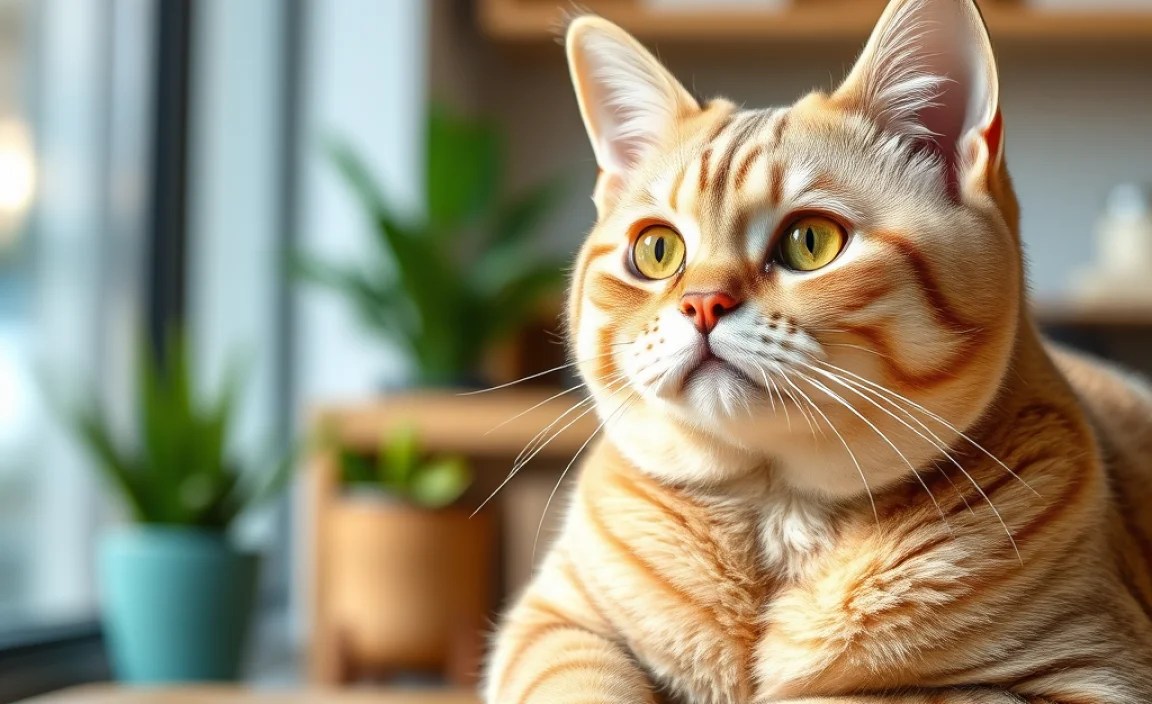
Making some simple changes to your home can make a big difference in your senior British Shorthair’s comfort and quality of life.
Comfortable Bedding
Older cats often need more rest and may appreciate softer, warmer places to sleep. Provide several comfortable beds in quiet, draft-free areas. Orthopedic beds can be especially helpful for cats with arthritis.
Easy Access to Resources
Make sure your cat can easily access their food, water, and litter box. If they have trouble jumping, consider providing ramps or steps to help them reach their favorite spots. The International Cat Care website offers excellent advice on adapting your home for older cats.
Litter Box Adjustments
Senior cats may have trouble getting in and out of a standard litter box. Choose a box with low sides or a ramp to make it easier for them to use. Keep the litter box clean to encourage regular use.
Maintaining a Safe Environment
As cats age, they may become less steady on their feet. Remove any hazards that could cause them to trip or fall. Keep stairs well-lit and consider using non-slip mats on slippery floors.
Nutrition for Senior British Shorthairs

A proper diet is essential for maintaining your senior cat’s health. Their nutritional needs change as they age, so it’s important to adjust their diet accordingly.
Choosing the Right Food
Look for a high-quality cat food specifically formulated for seniors. These foods are often lower in calories and higher in fiber to help maintain a healthy weight and aid digestion. They may also contain supplements like glucosamine and chondroitin to support joint health.
Adjusting Portion Sizes
Monitor your cat’s weight and adjust their portion sizes as needed. Older cats may be less active and require fewer calories. On the other hand, some may have trouble maintaining weight due to underlying health issues.
Hydration is Key
Make sure your cat has access to fresh, clean water at all times. Senior cats are more prone to dehydration, especially if they have kidney problems. Consider adding wet food to their diet to increase their water intake. A cat water fountain can also encourage them to drink more.
Supplements
Talk to your vet about whether your cat could benefit from supplements. Omega-3 fatty acids can help with joint pain and inflammation, while probiotics can support digestive health. Always consult with your vet before adding any supplements to your cat’s diet.
Grooming and Hygiene

Regular grooming is important for all cats, but it’s especially crucial for seniors. As they age, they may have trouble grooming themselves, which can lead to matting and skin problems.
Gentle Brushing
Brush your British Shorthair regularly to remove loose hair and prevent mats. Use a soft brush and be gentle, especially if your cat has sensitive skin or arthritis. Grooming is also a great way to bond with your cat and check for any lumps, bumps, or skin problems.
Nail Trimming
Keep your cat’s nails trimmed to prevent them from getting caught on furniture or carpets. If your cat is resistant to nail trimming, ask your vet or a professional groomer for help.
Dental Care
Dental health is often overlooked, but it’s essential for senior cats. Brush your cat’s teeth regularly with a cat-specific toothpaste. If your cat won’t tolerate brushing, talk to your vet about other options, such as dental chews or professional cleanings.
Keeping Clean
If your cat is having trouble grooming themselves, gently wipe them down with a damp cloth to keep them clean. Pay special attention to areas that are prone to matting, such as the base of the tail and behind the ears.
Exercise and Mental Stimulation

Even though senior cats may be less active, they still need exercise and mental stimulation to stay healthy and happy.
Gentle Play
Engage your cat in gentle play sessions using toys like feather wands or laser pointers. Keep the sessions short and avoid anything that could strain their joints. The Purina website offers helpful tips on playing with cats of all ages.
Puzzle Feeders
Puzzle feeders are a great way to provide mental stimulation and encourage your cat to eat more slowly. There are many different types available, so experiment to find one that your cat enjoys.
Short Walks
If your cat is comfortable wearing a harness and leash, consider taking them for short walks outdoors. This can provide them with exercise and mental stimulation, but always supervise them closely and avoid busy areas.
Comfort and Routine
Maintain a consistent daily routine to give your cat a sense of security. Feed them at the same times each day, provide regular playtime, and spend quality time cuddling and petting them. Cats thrive on routine, and it’s especially important as they get older.
Monitoring Health and Well-being
Regular vet visits are crucial for senior cats. They can help detect health problems early and ensure your cat receives the care they need.
Regular Vet Check-ups
Schedule regular check-ups with your vet, at least once a year, or more often if your cat has known health issues. Your vet can perform a thorough physical exam, run blood tests, and check for any signs of illness.
Vaccinations
Keep your cat up-to-date on their vaccinations. Senior cats are more vulnerable to infections, so it’s important to protect them with regular vaccinations.
Medication Management
If your cat is taking medication, follow your vet’s instructions carefully. Make sure you understand the dosage, timing, and potential side effects. Use a pill dispenser or other aids to help you keep track of your cat’s medication schedule.
Recognizing Pain
Cats are masters at hiding pain, so it’s important to be observant and watch for subtle signs. These can include changes in appetite, grooming habits, or behavior. If you suspect your cat is in pain, contact your vet immediately.
Dealing with End-of-Life Decisions
As our cats reach the end of their lives, we may face difficult decisions about their care. It’s important to consider their quality of life and make choices that are in their best interests.
Assessing Quality of Life
Work with your vet to assess your cat’s quality of life. Consider factors such as their ability to eat, drink, groom themselves, and interact with their environment. If your cat is suffering and their quality of life is poor, it may be time to consider euthanasia.
Euthanasia
Euthanasia is a difficult decision, but it can be a compassionate way to relieve suffering. Talk to your vet about the process and what to expect. You may also want to consider saying goodbye to your cat in the comfort of your own home.
Grief Support
Losing a beloved pet can be incredibly painful. Allow yourself time to grieve and seek support from friends, family, or a pet loss support group. Remember that it’s okay to feel sad and that your grief is valid.
British Shorthair Elderly Care: Practical Tips
Here’s a quick reference table with tips for caring for your elderly British Shorthair.
| Area of Care | Tips |
|---|---|
| Environment | Provide soft bedding, ramps, and accessible litter boxes. |
| Nutrition | Feed high-quality senior food, adjust portion sizes, and ensure fresh water is always available. |
| Grooming | Brush regularly, trim nails, and maintain dental hygiene. |
| Exercise | Engage in gentle play and provide mental stimulation. |
| Health | Schedule regular vet check-ups, monitor for health issues, and manage medications carefully. |
Frequently Asked Questions
At what age is a British Shorthair considered a senior?
A British Shorthair is generally considered a senior at around 11 years old.
What are some common health issues in senior British Shorthairs?
Common health issues include arthritis, kidney disease, hyperthyroidism, diabetes, and dental disease.
How can I make my home more comfortable for my senior cat?
Provide soft bedding, ramps or steps to reach favorite spots, and litter boxes with low sides.
What kind of food should I feed my senior British Shorthair?
Choose a high-quality cat food specifically formulated for seniors, which is often lower in calories and higher in fiber.
How often should I take my senior cat to the vet?
Schedule regular check-ups with your vet at least once a year, or more often if your cat has known health issues.
How can I tell if my cat is in pain?
Watch for subtle signs like changes in appetite, grooming habits, or behavior. If you suspect your cat is in pain, contact your vet immediately.
What should I do if my cat stops grooming themselves?
Gently wipe them down with a damp cloth to keep them clean, and consult with your vet to rule out any underlying health issues.
Conclusion
Caring for an elderly British Shorthair requires patience, understanding, and a willingness to adapt to their changing needs. By providing a comfortable environment, proper nutrition, regular grooming, and consistent veterinary care, you can help your senior cat enjoy a happy, healthy, and fulfilling life. Remember, the love and companionship you share with your British Shorthair are invaluable, especially during their golden years. Treasure every moment and cherish the bond you’ve created. They may slow down, but their capacity for love remains as strong as ever.


