
British Shorthair Cat Food for Top-Tier Cats: Ultimate Guide

Quick Summary: The best food for your British Shorthair should be high in protein (30-40%), moderate in fat (15-20%), and low in carbohydrates. Look for named meat sources like chicken or fish as the primary ingredient. Consider age, activity level, and any health conditions when choosing wet, dry, or raw food options. Always consult your vet for personalized recommendations.
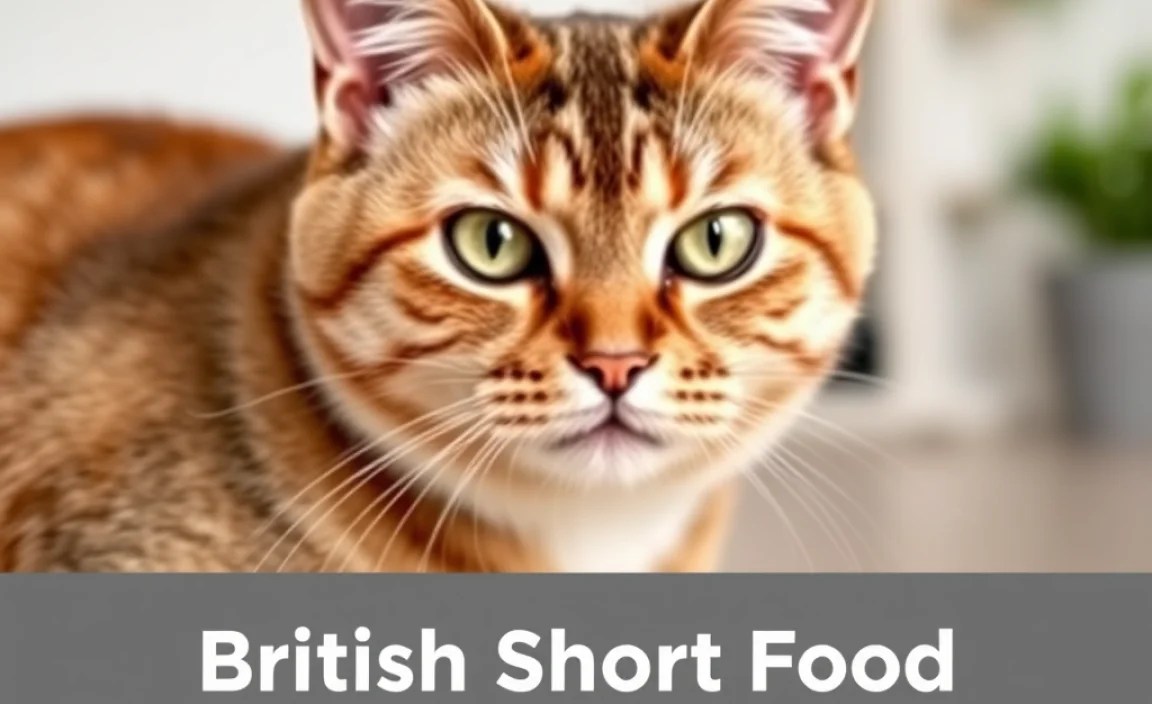
Bringing a British Shorthair into your life is like adding a fluffy, affectionate teddy bear to the family. These cats are known for their calm demeanor and striking looks, but like all breeds, they have specific dietary needs. Choosing the right food can feel overwhelming, especially with so many options available. Many owners find themselves asking: What’s the best way to keep my British Shorthair healthy and happy through their diet?
This guide will walk you through everything you need to know about British Shorthair cat food. We’ll cover essential nutrients, different food types, how to choose the best option for your cat’s unique needs, and common feeding challenges. Let’s ensure your feline friend thrives!
Understanding Your British Shorthair’s Nutritional Needs

British Shorthairs are prone to certain health issues, such as hypertrophic cardiomyopathy (HCM) and polycystic kidney disease (PKD). A proper diet plays a crucial role in preventing or managing these conditions. According to the Cornell Feline Health Center, a balanced diet is the cornerstone of feline health.
Essential Nutrients for British Shorthairs
Here’s a breakdown of the key nutrients your British Shorthair needs:
- Protein: Essential for muscle development and maintenance. Look for high-quality animal protein sources.
- Fat: Provides energy and supports healthy skin and coat.
- Carbohydrates: Should be limited. Cats are obligate carnivores and don’t require many carbs.
- Vitamins and Minerals: Crucial for overall health and immune function.
- Taurine: An essential amino acid for heart and eye health, found only in animal-based proteins.
- Water: Keeps your cat hydrated and supports kidney function.
Protein: The Building Block
Protein is paramount for British Shorthairs. It supports their muscular build and overall vitality. Aim for cat food with a protein content of 30-40%. Look for named meat sources such as chicken, turkey, or fish listed as the primary ingredient.
Fats: Energy and Vitality
Healthy fats are essential for providing energy and supporting a shiny coat. Look for foods with a fat content of 15-20%. Omega-3 and omega-6 fatty acids are particularly beneficial for skin and coat health. Fish oil is an excellent source of these essential fats.
Carbohydrates: Keep it Low
Cats have minimal need for carbohydrates. High carbohydrate content can lead to weight gain and related health issues. Opt for foods with low carbohydrate content and avoid those with excessive fillers like corn, wheat, and soy.
Choosing the Right Type of Food

There are several types of cat food available, each with its pros and cons. Let’s explore the options:
Dry Cat Food (Kibble)
Dry food is a popular choice due to its convenience and affordability. It also helps promote dental health by reducing tartar buildup. However, it’s typically lower in moisture and can be higher in carbohydrates.
Pros of Dry Cat Food:
- Convenient and easy to store
- Affordable
- Helps with dental health
Cons of Dry Cat Food:
- Lower moisture content
- Often higher in carbohydrates
- Can be less palatable for some cats
Wet Cat Food
Wet food has a high moisture content, which is beneficial for kidney health and hydration. It’s also more palatable for many cats and often contains fewer carbohydrates than dry food.
Pros of Wet Cat Food:
- High moisture content
- More palatable
- Often lower in carbohydrates
Cons of Wet Cat Food:
- More expensive than dry food
- Can be less convenient to store and serve
- May contribute to dental issues if not balanced with dry food or dental treats
Raw Cat Food
Raw food diets are based on the idea of feeding cats what they would eat in the wild. These diets typically consist of raw meat, bones, and organs. While some owners swear by the benefits, raw food diets require careful preparation and handling to avoid bacterial contamination. Always consult with a vet before switching to a raw food diet.
Pros of Raw Cat Food:
- High in protein and moisture
- Mimics a cat’s natural diet
Cons of Raw Cat Food:
- Risk of bacterial contamination
- Requires careful preparation and handling
- Can be more expensive
- Not suitable for all cats, especially those with compromised immune systems
Grain-Free Cat Food
Grain-free cat food has become increasingly popular, especially for cats with sensitivities or allergies. However, grain-free doesn’t automatically mean low-carb, as these foods often replace grains with other carbohydrates like potatoes or peas. Always check the ingredient list and nutritional information.
Pros of Grain-Free Cat Food:
- Suitable for cats with grain sensitivities
Cons of Grain-Free Cat Food:
- May not be lower in carbohydrates than grain-inclusive options
- Can be more expensive
Decoding Cat Food Labels
Understanding cat food labels is crucial for making informed decisions. Here’s what to look for:
- Ingredient List: Ingredients are listed in descending order by weight. The first few ingredients are the most significant.
- Guaranteed Analysis: Provides information on the minimum percentage of crude protein and fat, and the maximum percentage of crude fiber and moisture.
- AAFCO Statement: Indicates whether the food meets the nutritional standards established by the Association of American Feed Control Officials (AAFCO) for a specific life stage (e.g., growth, maintenance, all life stages).
Understanding the Guaranteed Analysis
The guaranteed analysis on a cat food label tells you the minimum or maximum levels of certain nutrients. Here’s a quick guide:
- Crude Protein (Min): The minimum percentage of protein in the food.
- Crude Fat (Min): The minimum percentage of fat in the food.
- Crude Fiber (Max): The maximum percentage of fiber in the food.
- Moisture (Max): The maximum percentage of moisture in the food.
- Ash (Max): The maximum percentage of ash (mineral content) in the food.
- Taurine (Min): The minimum percentage of taurine in the food (essential for cats).
However, the guaranteed analysis doesn’t tell the whole story. It’s also important to consider the ingredient list and the quality of the ingredients.
Top Ingredients to Look For

Prioritize foods with these ingredients to support your British Shorthair’s health:
- Named Meat Sources: Chicken, turkey, salmon, or other named meat sources should be the first ingredient.
- Omega-3 and Omega-6 Fatty Acids: These support healthy skin and coat. Fish oil and flaxseed are good sources.
- Taurine: Essential for heart and eye health.
- Probiotics: Support digestive health.
Ingredients to Avoid

Steer clear of foods containing these ingredients:
- Excessive Fillers: Corn, wheat, and soy are often used as fillers and offer little nutritional value.
- Artificial Colors, Flavors, and Preservatives: These can cause sensitivities or allergies in some cats.
- Meat By-Products: While not always harmful, named meat sources are preferable.
- Excessive Salt: Can lead to dehydration and other health issues.
Feeding Your British Shorthair: A Step-by-Step Guide
Here’s a step-by-step guide to feeding your British Shorthair:
- Choose High-Quality Food: Select a food that meets your cat’s nutritional needs based on age, activity level, and health conditions.
- Determine Portion Sizes: Follow the feeding guidelines on the food label, but adjust as needed based on your cat’s weight and body condition.
- Establish a Feeding Schedule: Feed your cat at the same times each day to regulate their appetite and digestion.
- Provide Fresh Water: Always have fresh, clean water available.
- Monitor Your Cat’s Weight and Body Condition: Adjust the amount of food as needed to maintain a healthy weight.
Feeding Based on Life Stage
A British Shorthair’s dietary needs change as they progress through different life stages. Here’s how to adjust their diet accordingly:
Kitten (Up to 1 Year)
Kittens require a diet rich in protein and calories to support their rapid growth. Choose a kitten-specific formula and feed them multiple small meals throughout the day. Ensure the food is labeled as “complete and balanced” for kittens according to AAFCO standards.
Adult (1-7 Years)
Adult cats need a balanced diet to maintain their weight and energy levels. Feed them twice a day and adjust the portion size as needed to prevent weight gain. Monitor their body condition regularly.
Senior (7+ Years)
Senior cats may have decreased appetites and dental issues. Choose a senior-specific formula that is easy to digest and contains added nutrients to support joint health. Wet food can be a good option for senior cats with dental problems.
Addressing Common Feeding Challenges
Here are some common feeding challenges and how to address them:
- Picky Eating: Try different flavors and textures to find something your cat enjoys. Warm the food slightly to enhance its aroma.
- Overeating: Use a food puzzle or slow feeder to help your cat eat more slowly and feel fuller.
- Weight Gain: Reduce portion sizes and increase activity levels. Choose a food with lower calorie content.
- Food Sensitivities: If your cat has digestive issues or skin problems, try a limited-ingredient diet to identify potential allergens.
Transitioning to a New Food
Switching cat foods should be done gradually to avoid digestive upset. Here’s a recommended transition schedule:
| Days | Percentage of Old Food | Percentage of New Food |
|---|---|---|
| 1-2 | 75% | 25% |
| 3-4 | 50% | 50% |
| 5-6 | 25% | 75% |
| 7 | 0% | 100% |
Monitor your cat’s stool and appetite during the transition. If they experience diarrhea or vomiting, slow down the transition or consult your vet.
The Role of Treats
Treats can be a fun way to bond with your British Shorthair, but they should only make up a small portion of their daily calorie intake (no more than 10%). Choose healthy treats that are low in calories and free of artificial additives. Avoid giving your cat table scraps, as they can be high in fat and salt.
Hydration: Keeping Your Cat Hydrated
Proper hydration is crucial for your British Shorthair’s health. Cats are notorious for not drinking enough water, so it’s important to encourage them to stay hydrated. Here are some tips:
- Provide Fresh Water: Always have fresh, clean water available.
- Use Multiple Water Bowls: Place water bowls in different locations around the house.
- Try a Water Fountain: Some cats prefer drinking from a water fountain.
- Feed Wet Food: Wet food has a high moisture content and can help increase your cat’s water intake.
Supplements: Are They Necessary?
In most cases, a high-quality cat food will provide all the nutrients your British Shorthair needs. However, some cats may benefit from certain supplements, such as:
- Omega-3 Fatty Acids: For skin and coat health.
- Probiotics: For digestive health.
- Glucosamine and Chondroitin: For joint health, especially in senior cats.
Always consult with your vet before giving your cat any supplements.
British Shorthair Feeding Schedule Example
This is an example feeding schedule for an adult British Shorthair. Always adjust to your cat’s specific needs and consult with your vet.
| Time | Activity | Food | Amount |
|---|---|---|---|
| 7:00 AM | Breakfast | High-quality wet or dry cat food | 1/4 cup dry or 3 oz wet |
| 12:00 PM | Playtime | Optional: Small healthy treat | 1-2 small treats |
| 5:00 PM | Dinner | High-quality wet or dry cat food | 1/4 cup dry or 3 oz wet |
| Throughout the day | Fresh water | As needed |
Consulting with Your Veterinarian
Your veterinarian is the best resource for personalized dietary advice. They can assess your cat’s individual needs and recommend the best food and feeding plan. Regular check-ups are essential for monitoring your cat’s health and addressing any potential issues early on. The RSPCA emphasizes regular vet visits for your pet’s wellbeing.
FAQ About British Shorthair Cat Food
What is the best food for a British Shorthair kitten?
Kittens need food specifically formulated for growth, high in protein and calories. Look for labels that say “complete and balanced for kittens” and feed them small meals frequently.
How much should I feed my British Shorthair?
Follow the guidelines on the food label, but adjust based on your cat’s weight, age, and activity level. If you’re unsure, ask your vet for advice.
Is grain-free food better for British Shorthairs?
Not necessarily. Grain-free can be good for cats with sensitivities, but make sure it’s still low in carbohydrates and high in quality protein.
Can British Shorthairs eat raw food?
Raw food diets can be beneficial, but they also carry risks of bacterial contamination. Consult with your vet before switching to a raw food diet.
What are the signs of a food allergy in cats?
Common signs include itching, skin problems, vomiting, and diarrhea. If you suspect a food allergy, talk to your vet about an elimination diet.
How can I help my British Shorthair lose weight?
Reduce portion sizes, increase playtime, and choose a food with lower calorie content. Avoid giving your cat too many treats.
Why is my British Shorthair a picky eater?
Picky eating can be due to various factors, including taste preferences, texture, or underlying health issues. Try different foods and consult with your vet if the problem persists.
Conclusion
Choosing the right food for your British Shorthair is an investment in their long-term health and happiness. By understanding their nutritional needs, decoding food labels, and addressing common feeding challenges, you can ensure your feline friend thrives. Remember to consult with your veterinarian for personalized advice and regular check-ups. With the right diet and care, your British Shorthair will be a cherished member of your family for many years to come.


