
British Shorthair Cat Food for High-End Cats: Ultimate Guide

Choosing the best cat food for your British Shorthair involves looking for high-quality protein sources, moderate fat levels, and limited carbohydrates. Opt for brands that specify real meat, such as chicken, turkey, or fish, as the main ingredient. Consider age-specific formulas, and always check for essential nutrients like taurine and omega fatty acids to support your cat’s overall health and well-being.
Finding the right food for your British Shorthair can feel overwhelming. You want to ensure they’re getting the best nutrition for their health and happiness. It’s not just about filling their bowl; it’s about fueling their well-being from the inside out. Many owners find themselves confused by the endless choices and conflicting advice.
But don’t worry! This guide will walk you through everything you need to know to choose the perfect food for your British Shorthair. We’ll cover essential nutrients, age-specific needs, and how to spot high-quality ingredients. By the end, you’ll feel confident in making the best choice for your beloved feline friend. Let’s get started!
Understanding the Nutritional Needs of British Shorthairs

British Shorthairs are known for their sturdy build and laid-back personalities. To maintain their health, it’s crucial to understand their specific nutritional requirements. A balanced diet is essential for their overall well-being.
Protein: The Building Block
Protein is vital for muscle development and maintenance. Look for cat foods with a high percentage of animal-based protein. According to the RSPCA, cats are obligate carnivores, meaning they require nutrients found only in animal sources.
- Why it’s important: Supports muscle mass and overall body function.
- Ideal sources: Chicken, turkey, fish, and beef.
- Minimum requirement: Aim for at least 30% protein in their diet.
Fats: Energy and Vitality
Fats provide energy and support healthy skin and coat. Essential fatty acids like omega-3 and omega-6 are particularly beneficial. These help keep their coat shiny and reduce inflammation.
- Why it’s important: Provides energy, supports skin and coat health.
- Ideal sources: Fish oil, flaxseed oil, and animal fats.
- Recommended amount: Around 15-20% fat in their diet is generally suitable.
Carbohydrates: Less is More
Cats don’t require a high amount of carbohydrates. In fact, too many carbs can lead to weight gain and other health issues. Choose foods with limited carbohydrate content.
- Why it’s important: Provides some energy, but not essential in large amounts.
- Ideal sources: Small amounts of easily digestible carbs like rice or sweet potato.
- Limit: Keep carbohydrate content below 10% if possible.
Essential Vitamins and Minerals
Vitamins and minerals are crucial for various bodily functions, including immune support and bone health. Ensure the cat food is fortified with essential nutrients.
- Why it’s important: Supports overall health and well-being.
- Key nutrients: Taurine (essential for heart health), vitamin A, vitamin D, and vitamin E.
- How to ensure: Choose reputable brands that meet AAFCO (Association of American Feed Control Officials) standards.
Choosing the Right Type of Food

There are several types of cat food available, each with its own pros and cons. Understanding the differences can help you make the best choice for your British Shorthair.
Dry Food (Kibble)
Dry food is convenient and affordable. It can also help promote dental health by reducing tartar buildup.
- Pros:
- Convenient and easy to store.
- Helps with dental health.
- Cost-effective.
- Cons:
- May be lower in moisture.
- Can be higher in carbohydrates.
Wet Food (Canned)
Wet food has a higher moisture content, which is beneficial for hydration. It’s also often more palatable for picky eaters.
- Pros:
- High moisture content, good for hydration.
- Often more palatable.
- Can be higher in protein and lower in carbohydrates.
- Cons:
- More expensive than dry food.
- Can spoil quickly once opened.
Raw Food
Raw food diets are based on the idea of feeding cats what they would eat in the wild. These diets typically consist of raw meat, bones, and organs.
- Pros:
- High in protein and natural nutrients.
- Can improve digestion and coat health.
- Cons:
- Requires careful preparation to avoid bacterial contamination.
- May not be nutritionally balanced if not properly formulated.
- Can be expensive.
Grain-Free vs. Grain-Inclusive
Grain-free diets have become popular, but they’re not necessarily better for all cats. Some cats may benefit from grain-free options if they have allergies or sensitivities, but others may do just fine with grain-inclusive foods.
- Grain-Free:
- Pros: May be beneficial for cats with grain allergies.
- Cons: Not always necessary; can be higher in other carbohydrates like potatoes.
- Grain-Inclusive:
- Pros: Can provide essential nutrients and fiber.
- Cons: May not be suitable for cats with grain sensitivities.
Age-Specific Nutritional Needs
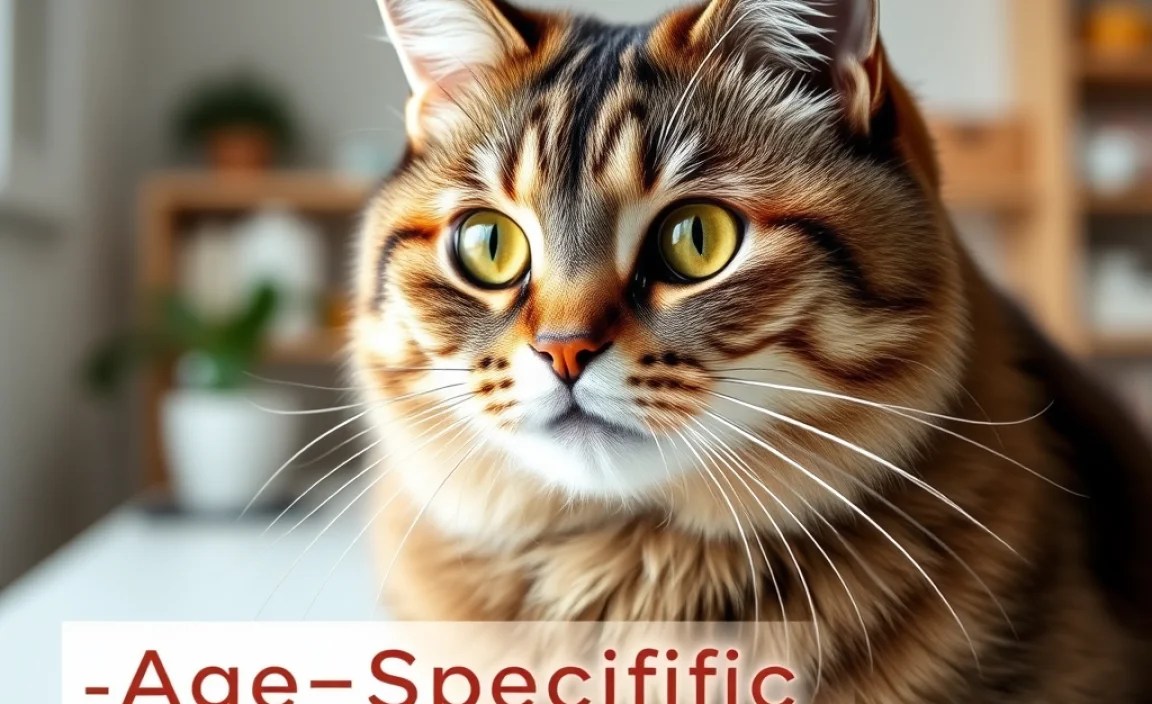
A British Shorthair’s nutritional needs change as they age. Kittens, adults, and seniors require different balances of nutrients to support their health.
Kittens (Up to 1 Year)
Kittens need a diet rich in protein and calories to support their rapid growth. Look for kitten-specific formulas that are easily digestible.
- Key nutrients: Higher protein, fat, and calcium levels.
- Feeding frequency: Feed kittens multiple small meals throughout the day.
- Considerations: Ensure the food is easily chewable and digestible.
Adults (1-7 Years)
Adult cats need a balanced diet to maintain their weight and energy levels. Monitor their food intake to prevent obesity, which is common in British Shorthairs.
- Key nutrients: Balanced protein, fat, and carbohydrate levels.
- Feeding frequency: Feed adults twice a day.
- Considerations: Monitor weight and adjust food intake as needed.
Seniors (7+ Years)
Senior cats may need a diet that’s lower in calories and higher in fiber to support their digestive health. Some senior formulas also include joint supplements.
- Key nutrients: Lower calories, higher fiber, and added joint support (glucosamine and chondroitin).
- Feeding frequency: Feed seniors twice a day.
- Considerations: Ensure the food is easily digestible and palatable, as older cats may have dental issues or decreased appetite.
Top Ingredients to Look For and Avoid

Knowing which ingredients are beneficial and which to avoid can help you choose the best food for your British Shorthair.
Ingredients to Look For
- Real Meat: Chicken, turkey, fish, or beef listed as the first ingredient.
- Taurine: An essential amino acid for heart and eye health.
- Omega Fatty Acids: For healthy skin and coat.
- Probiotics: To support digestive health.
- Antioxidants: To boost the immune system.
Ingredients to Avoid
- Artificial Colors, Flavors, and Preservatives: These can cause allergies or sensitivities.
- Corn, Wheat, and Soy: Common allergens and fillers.
- Meat By-Products: Unless specifically named (e.g., chicken liver), these can be of low quality.
- Excessive Fillers: Ingredients like cellulose or beet pulp in large quantities.
Specific Food Recommendations for British Shorthairs

While every cat is different, here are some highly-regarded cat food brands and formulas that are generally well-suited for British Shorthairs:
| Food Brand | Formula | Key Benefits |
|---|---|---|
| Royal Canin | British Shorthair Adult | Specifically formulated for British Shorthairs, supports heart health and muscle tone. |
| Hill’s Science Diet | Adult Sensitive Stomach & Skin | Good for cats with sensitive digestion or skin issues. |
| Purina Pro Plan | Focus Adult Sensitive Skin & Stomach | Contains salmon, which is rich in omega fatty acids for a healthy coat. |
| Blue Buffalo | Wilderness High Protein Grain Free | High in protein and grain-free, suitable for active cats. |
| Orijen | Cat & Kitten | Biologically appropriate and packed with high-quality animal ingredients. |
Transitioning to a New Food
When switching your British Shorthair to a new food, it’s important to do it gradually to avoid digestive upset. A slow transition allows their digestive system to adjust to the new ingredients.
Step-by-Step Guide
- Day 1-2: Mix 25% of the new food with 75% of the old food.
- Day 3-4: Mix 50% of the new food with 50% of the old food.
- Day 5-6: Mix 75% of the new food with 25% of the old food.
- Day 7: Feed 100% of the new food.
Tips for a Smooth Transition
- Monitor Your Cat’s Stool: Look for any signs of diarrhea or constipation.
- Feed Small, Frequent Meals: This can help with digestion.
- Be Patient: Some cats may take longer to adjust to a new food.
- Consult Your Vet: If you notice any significant changes in your cat’s health, consult your veterinarian.
Addressing Common Feeding Problems
Even with the best food, some cats may experience feeding problems. Here are some common issues and how to address them.
Picky Eaters
Some British Shorthairs can be picky eaters. Try different flavors and textures to find something they enjoy. Warming the food slightly can also enhance its aroma and make it more appealing.
Overeating
British Shorthairs are prone to weight gain. Measure their food carefully and avoid free-feeding. Consider using a food puzzle to slow down their eating and provide mental stimulation.
Food Allergies
If your cat is showing signs of food allergies (e.g., itching, skin problems, digestive upset), consult your veterinarian. They may recommend an elimination diet to identify the allergen.
Supplements for British Shorthairs
While a balanced diet should provide most of the nutrients your British Shorthair needs, some supplements can be beneficial.
Omega-3 Fatty Acids
Omega-3 supplements can help improve skin and coat health, reduce inflammation, and support joint health. Fish oil is a good source of omega-3 fatty acids.
Probiotics
Probiotics can help support digestive health by promoting a healthy balance of gut bacteria. They can be particularly beneficial for cats with sensitive stomachs or those who have recently taken antibiotics.
Joint Supplements
As British Shorthairs age, they may benefit from joint supplements like glucosamine and chondroitin. These can help support cartilage health and reduce joint pain.
Consulting with Your Veterinarian
It’s always a good idea to consult with your veterinarian before making significant changes to your cat’s diet or adding supplements. They can provide personalized recommendations based on your cat’s individual needs and health status. Regular check-ups are essential for monitoring your cat’s overall health and well-being.
Frequently Asked Questions (FAQ)
What is the best type of food for a British Shorthair?
The best food for a British Shorthair is high-quality, protein-rich food with moderate fat and limited carbohydrates. Look for brands that list real meat as the primary ingredient and avoid artificial additives.
How much should I feed my British Shorthair?
The amount you should feed your British Shorthair depends on their age, weight, and activity level. Follow the feeding guidelines on the food packaging and adjust as needed to maintain a healthy weight. Consult your vet for personalized recommendations.
Is grain-free food better for British Shorthairs?
Grain-free food isn’t necessarily better for all British Shorthairs. Some cats may benefit from grain-free diets if they have allergies or sensitivities, but others may do just fine with grain-inclusive foods. It’s essential to consider your cat’s individual needs.
What are some common food allergies in cats?
Common food allergens in cats include beef, fish, chicken, and dairy products. Some cats may also be sensitive to grains like corn, wheat, and soy. If you suspect your cat has a food allergy, consult your veterinarian.
How often should I feed my British Shorthair?
Adult British Shorthairs should typically be fed twice a day. Kittens need more frequent meals, usually three to four times a day. Senior cats may also benefit from smaller, more frequent meals.
Can I feed my British Shorthair a raw food diet?
Raw food diets can be a healthy option for British Shorthairs, but they require careful preparation to avoid bacterial contamination. Ensure the diet is nutritionally balanced and consult with a veterinarian or veterinary nutritionist before switching to a raw food diet.
What should I do if my cat is a picky eater?
If your British Shorthair is a picky eater, try offering different flavors and textures of food. Warming the food slightly can also enhance its aroma and make it more appealing. You might also try different feeding bowls or locations to see if that helps.
Conclusion
Choosing the right food for your British Shorthair is a crucial part of keeping them healthy and happy. By understanding their nutritional needs, selecting high-quality ingredients, and monitoring their eating habits, you can ensure they get the best possible nutrition.
Remember to transition to new foods gradually, address any feeding problems promptly, and consult with your veterinarian for personalized recommendations. With the right diet, your British Shorthair will thrive and enjoy a long, healthy life by your side. Happy feeding!


