
How to Prepare Your Cat for Vaccines: Easy Guide

Have you ever seen a cat get scared at the vet? It can be a little scary for them. Getting vaccines is important for cats. It helps them stay healthy and strong. But how do you make it easier? Let’s learn how to prepare your cat for vaccines.
It’s not as hard as you might think! With a few simple steps, you can make the whole process smoother. Your cat will thank you for it. And you’ll feel good knowing you helped. Are you ready to learn more about preparing your cat for vaccines?
Key Takeaways
- Make sure your cat’s carrier is comfy and familiar before vet visits.
- Stay calm and speak softly to reassure your cat during the process.
- Talk to your vet about any concerns you have about vaccines.
- Bring your cat’s favorite treats or toys to distract them at the vet.
- Knowing how to prepare your cat for vaccines reduces their stress.
How to Prepare Your Cat for Vaccines: The Basics

Taking your cat to the vet can be stressful. Cats often don’t like new places. They also don’t like being handled by strangers. Preparing your cat for vaccines starts at home. Make the carrier a safe space. Put your cat’s favorite blanket inside. You can also add some toys. Leave the carrier out all the time. This lets your cat explore it freely. Don’t just bring it out for vet visits! Feed your cat treats inside the carrier. This helps them associate it with good things. When it’s time for the vet, stay calm. Cats can sense your stress. Speak softly and reassure them. This will make the experience better for both of you. Remember, a calm cat is easier to vaccinate.
- Make the carrier a comfy and safe space for your cat.
- Use treats to create positive associations with the carrier.
- Practice short trips in the carrier to get your cat used to it.
- Stay calm and speak softly to reassure your cat.
- Bring a favorite toy or blanket for comfort.
Remember, preparing your cat for vaccines involves more than just the day of the appointment. It’s about building trust and comfort. Start early and be patient. If your cat is very anxious, talk to your vet. They may suggest calming aids. These could be pheromone sprays or even medication. The goal is to make the experience as stress-free as possible. A relaxed cat will have a better experience. You will, too! Taking these steps helps ensure your cat stays healthy and happy. Plus, regular vaccines are a key part of their overall well-being.
Fun Fact or Stat: Did you know that cats who are used to their carriers are 80% less stressed at the vet?
Why Are Cat Vaccines Important?
Have you ever wondered why cats need vaccines? Imagine your cat is a superhero. Vaccines are like their superpower boosters. They help protect your cat from dangerous diseases. These diseases can make your cat very sick. Some can even be deadly. Vaccines work by training your cat’s body. They learn to fight off these diseases before they cause harm. It’s like showing your body a picture of the bad guy. Then, it knows how to defeat them if they ever show up. Without vaccines, your cat is more at risk. They could catch these diseases from other animals. Or even from things in the environment. Keeping your cat up-to-date on their vaccines is a simple way to protect their health.
What Vaccines Does My Cat Need?
Do you know which vaccines your cat needs? It can depend on a few things. Where do you live? Does your cat go outside? Indoor cats and outdoor cats have different risks. Your vet will help you figure out the best plan. Core vaccines are recommended for all cats. These include rabies, feline distemper, and feline herpesvirus. There are also non-core vaccines. These are given based on your cat’s lifestyle. For example, a cat that goes outside might need the feline leukemia vaccine. Talk to your vet about what’s right for your cat. They can help you create a schedule. This will ensure your cat is protected from the most common diseases. Remember, every cat is different. Their vaccine needs will be, too.
How Often Does My Cat Need Vaccines?
How often should your cat get vaccines? It’s not a one-size-fits-all answer. Kittens need a series of vaccines. This helps build their immunity when they are young. Adult cats need booster shots. These help maintain their protection over time. Some vaccines are given every year. Others are given every three years. Your vet will create a schedule based on your cat’s needs. They will also consider the specific vaccines they receive. It’s important to follow this schedule. This ensures your cat stays protected. Don’t skip or delay vaccine appointments. If you’re not sure when your cat is due for their next shot, ask your vet. They can help you keep track. Staying on schedule is a key part of keeping your cat healthy.
Fun Fact or Stat: Rabies vaccines are required by law in many places to protect both pets and people!
Create a Cat-Friendly Carrier Environment
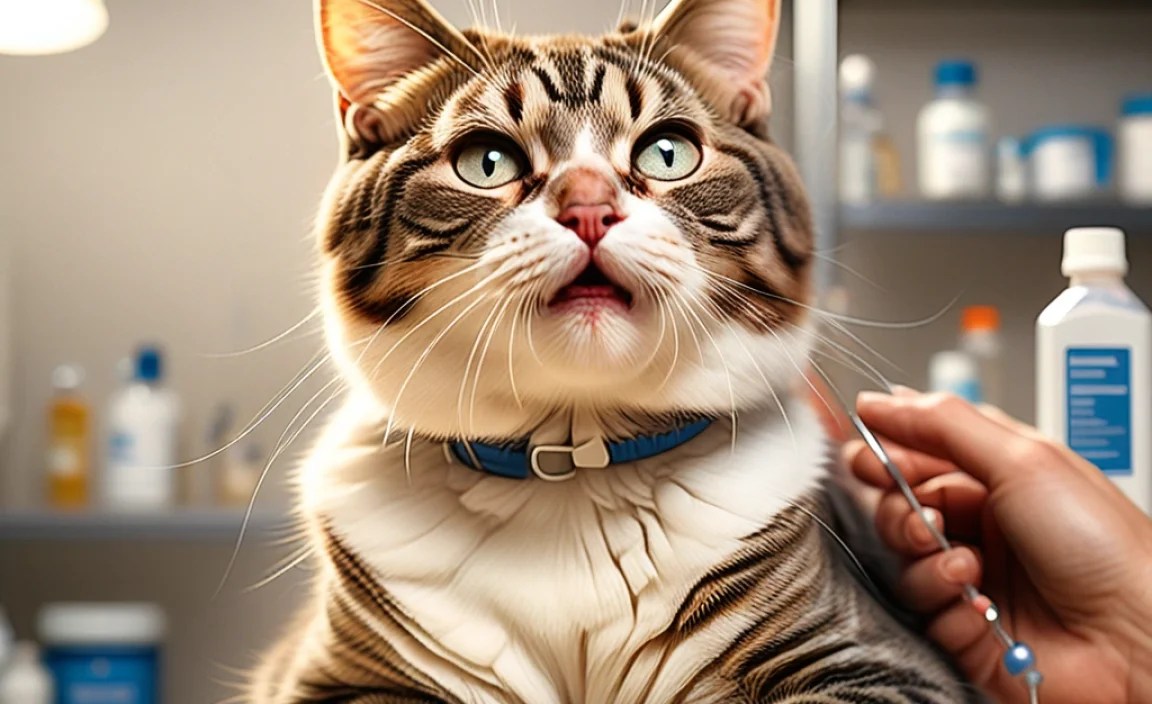
Imagine having to go to a new place. It’s dark, small, and smells weird. That’s what a carrier can feel like to your cat. But it doesn’t have to be that way. How to prepare your cat for vaccines includes making the carrier a safe space. Start by choosing the right carrier. Hard-sided carriers are sturdy. Soft-sided carriers can be more comfortable. Place a soft blanket or towel inside. Use one that smells like home. This will make your cat feel more secure. You can also add a favorite toy. Leave the carrier out in a common area. Let your cat explore it on their own. Never force your cat inside. Instead, use treats and praise to encourage them. Make the carrier a positive place. This will reduce stress when it’s time for a vet visit.
- Choose a carrier that is the right size and comfortable for your cat.
- Line the carrier with a soft blanket or towel that smells like home.
- Leave the carrier out in a common area for your cat to explore.
- Use treats and praise to encourage your cat to enter the carrier.
- Never force your cat into the carrier, as this can create negative associations.
- Consider using a pheromone spray to help calm your cat.
Once your cat is comfortable with the carrier, practice short trips. Take them for a drive around the block. Or simply move the carrier to different rooms. This helps them get used to the motion. It also helps them associate the carrier with something other than the vet. When you get back home, give them a treat. This reinforces the positive experience. Remember, patience is key. It may take time for your cat to feel completely comfortable. But with persistence, you can make the carrier a safe and familiar place. This is a crucial step in preparing your cat for vaccines. A comfortable cat is a happier cat.
Fun Fact or Stat: Cats are more likely to enter a carrier if it’s placed on the floor rather than elevated!
Carrier Size Matters
Have you ever tried to fit into clothes that are too small? It’s not very comfortable! The same goes for your cat’s carrier. A carrier that’s too small can make your cat feel cramped and stressed. They should be able to stand up, turn around, and lie down comfortably. If you have a kitten, remember they will grow. Choose a carrier that will still fit them when they are an adult. If you have multiple cats, consider getting separate carriers. This prevents them from feeling crowded or competing for space. A properly sized carrier makes a big difference. It helps your cat feel more secure. This is a simple but important part of preparing your cat for vaccines.
Make It Smell Like Home
Imagine walking into a room that smells like your favorite cookies. It makes you feel happy and relaxed, right? Smells can have a big impact on how we feel. The same is true for cats. Using familiar scents can help calm them down. Place a blanket or towel in the carrier that smells like home. This could be something from their bed. Or a towel you’ve used to pet them. Avoid using strong perfumes or cleaning products. These can be overwhelming and stressful for cats. You can also use a pheromone spray. These sprays mimic the natural scents that cats use to mark their territory. They can help create a sense of security. A familiar-smelling carrier can make a big difference. It helps reduce anxiety when it’s time for vaccines.
Carrier Training: Step-by-Step
Want to know a secret to easier vet visits? It’s called carrier training! This means teaching your cat to love their carrier. Start by leaving the carrier out with the door open. Toss treats inside to encourage them to explore. Once they go inside on their own, start feeding them meals in the carrier. Gradually close the door for short periods. Then, let them out. Slowly increase the time they spend inside. Next, pick up the carrier and walk around the house. Put it down and give them a treat. Finally, take them for short car rides. Reward them with treats and praise when you get back. This step-by-step approach helps your cat build positive associations. They learn that the carrier is a safe and happy place. This makes preparing your cat for vaccines much easier.
Fun Fact or Stat: Cats have a much stronger sense of smell than humans, so scents are very important to them!
Calming Techniques Before the Vet Visit

Does your cat get nervous before vet visits? Many cats do! But there are things you can do. You can learn how to prepare your cat for vaccines by using calming techniques. Start by staying calm yourself. Cats can sense your stress. If you’re anxious, they will be too. Speak softly and gently to your cat. Avoid loud noises or sudden movements. Pheromone sprays can also help. Spray them in the carrier and car. These sprays mimic natural cat scents. They can help reduce anxiety. You can also try using a calming treat. These treats contain ingredients that help cats relax. Give it to your cat about an hour before the vet visit. With a little preparation, you can help your cat stay calm. This will make the whole experience smoother for everyone.
- Stay calm and speak softly to your cat.
- Use pheromone sprays in the carrier and car.
- Try calming treats or supplements.
- Play relaxing music during the car ride.
- Bring a familiar toy or blanket for comfort.
- Avoid rushing or stressing your cat before leaving.
Remember, every cat is different. What works for one cat may not work for another. Experiment with different techniques to find what works best. If your cat is extremely anxious, talk to your vet. They may recommend medication. This can help calm your cat before the visit. The goal is to make the experience as stress-free as possible. A calm cat is easier to handle. They are also less likely to get injured. Taking the time to use calming techniques is worth it. It shows your cat you care. It also helps ensure they get the vaccines they need to stay healthy. This is a key part of being a responsible pet owner.
Fun Fact or Stat: Studies show that petting a cat can lower your blood pressure and reduce stress!
The Power of Pheromones
Have you ever heard of pheromones? They are like secret messages that animals use to communicate. Cats release pheromones from their faces. These scents can make them feel safe and secure. Pheromone sprays mimic these natural scents. They can help reduce anxiety in stressful situations. Spray the pheromone spray in your cat’s carrier. Do this about 30 minutes before the vet visit. You can also spray it in the car. Avoid spraying it directly on your cat. The spray can help create a calming environment. This can make a big difference in how your cat feels. Using pheromones is a simple and effective way of preparing your cat for vaccines.
Distraction Techniques That Work
Do you ever get distracted when you’re bored? Cats do, too! Distraction can be a great way to keep your cat calm during a vet visit. Bring their favorite toy with you. A feather wand or a small stuffed animal can work well. Offer them the toy to play with in the carrier. You can also try using treats. High-value treats are especially effective. These are treats that your cat loves but doesn’t get often. Offer them a small piece of treat while they are waiting for their vaccine. The distraction can help take their mind off the situation. It can also create a positive association with the vet. This makes future visits easier. Remember, the goal is to keep them focused on something else.
Create a Calm Environment at Home
Imagine trying to relax in a noisy, chaotic room. It’s not easy, is it? The same goes for your cat. Creating a calm environment at home can help reduce their overall stress levels. This makes it easier to prepare your cat for vaccines. Keep the noise level down. Avoid loud music or TV. Provide them with a quiet, comfortable space where they can retreat. This could be a cozy bed or a secluded corner. Make sure they have access to fresh water and food. A calm environment helps them feel safe and secure. This reduces their anxiety and makes vet visits less stressful.
Fun Fact or Stat: Playing soft music can help calm cats. Classical music is often a good choice!
During the Car Ride: Keeping Calm

The car ride to the vet can be stressful. It’s a new environment. There are unfamiliar sounds and smells. But you can learn how to prepare your cat for vaccines by making it better. Secure the carrier in the car. This prevents it from sliding around. A seatbelt can help. Cover the carrier with a blanket. This reduces visual stimulation. It can also make your cat feel more secure. Play calming music. Classical music is a good choice. Speak softly to your cat. Reassure them that everything is okay. Avoid sudden stops or starts. Drive smoothly and carefully. If your cat gets very anxious, consider taking shorter trips. This helps them get used to the car. With a little planning, you can make the car ride more comfortable. This reduces stress and makes the vet visit easier.
- Secure the carrier in the car with a seatbelt.
- Cover the carrier with a blanket to reduce visual stimulation.
- Play calming music during the car ride.
- Speak softly and reassuringly to your cat.
- Avoid sudden stops or starts.
- Consider using a pheromone diffuser in the car.
Remember, the goal is to create a peaceful environment. A comfortable cat is less likely to get anxious. This makes the vet visit smoother. If your cat is panting or vocalizing excessively, pull over. Check to make sure they are okay. Offer them water if they are thirsty. Once they have calmed down, continue the trip. If car rides are always stressful, talk to your vet. They may recommend medication. This can help reduce anxiety. The key is to be prepared. A little planning can make a big difference. Your cat will thank you for it! This shows you care about their well-being. It also helps ensure they get the vaccines they need.
Fun Fact or Stat: Some cats get motion sickness during car rides. Ask your vet about remedies if this is a problem!
Safe Carrier Placement
Have you ever been on a bumpy car ride? It’s not very fun! The same goes for your cat in their carrier. Proper carrier placement is important for their safety and comfort. Place the carrier on the floor behind the front seat. This is usually the most stable spot. If you have to put it on the seat, secure it with a seatbelt. Make sure the carrier is facing forward. This reduces motion sickness. Avoid placing the carrier in direct sunlight. This can make it too hot. A secure and comfortable carrier placement can make a big difference. It helps your cat feel safe and secure during the car ride. This is an important part of preparing your cat for vaccines.
The Soothing Sound of Music
Did you know that music can affect your mood? It can also affect your cat’s mood! Playing calming music during the car ride can help reduce their anxiety. Classical music is often a good choice. It has a soothing and relaxing effect. You can also try playing music specifically designed for cats. There are many playlists available online. Avoid playing loud or upbeat music. This can be stimulating and overwhelming. The goal is to create a peaceful environment. A calming soundtrack can help your cat relax. This makes the car ride less stressful. It also helps them feel more comfortable at the vet. This is a simple but effective way to prepare your cat for vaccines.
Talk to Your Cat
Have you ever felt better after talking to a friend? Sometimes, just hearing a friendly voice can help. The same is true for your cat. Talking to them during the car ride can help reassure them. Use a soft and gentle tone. Tell them everything is okay. Let them know you are there for them. Avoid using a loud or anxious voice. This can make them feel more stressed. You can also sing to them. Choose a familiar song that they enjoy. The sound of your voice can be very comforting. It can help them feel safe and secure. This is a simple but powerful way to prepare your cat for vaccines. It shows them you care and helps reduce their anxiety.
Fun Fact or Stat: Some studies suggest that cats recognize their owner’s voice and find it comforting!
At the Vet: Remaining Calm and Supportive

Arriving at the vet can be the most stressful part. But you can learn how to prepare your cat for vaccines at the office. Keep the carrier covered. This reduces visual stimulation. It also helps your cat feel more secure. Speak softly and reassuringly to your cat. Avoid sudden movements or loud noises. If possible, ask the vet to examine your cat in the carrier. This can help them feel safer. Offer treats to distract them. Praise them for being brave. Stay calm yourself. Your cat will sense your anxiety. After the vaccine, give them extra attention. Cuddle them and play with them. This helps them associate the vet with positive experiences. With a little patience and understanding, you can make vet visits less stressful. This helps ensure your cat gets the care they need.
- Keep the carrier covered to reduce visual stimulation.
- Speak softly and reassuringly to your cat.
- Ask the vet to examine your cat in the carrier if possible.
- Offer treats to distract your cat during the examination.
- Praise your cat for being brave.
- Stay calm and avoid showing anxiety.
Remember, the vet’s office can be overwhelming. There are new smells, sounds, and people. Your cat needs your support. Be patient and understanding. If your cat is very scared, ask the vet to slow down. They may be able to give the vaccine later. Or they may suggest a sedative for future visits. The goal is to make the experience as positive as possible. A comfortable cat is more likely to cooperate. They are also less likely to get injured. Taking the time to remain calm and supportive is worth it. It shows your cat you care. It also helps ensure they get the vaccines they need to stay healthy. This is a key part of being a responsible pet owner.
Fun Fact or Stat: Some vets offer “fear-free” appointments designed to minimize stress for pets!
Communicate with the Vet
Have you ever felt unsure about something at the doctor’s office? It’s important to ask questions! The same goes for your cat’s vet visit. Don’t be afraid to communicate with the vet. Let them know if your cat is anxious. Tell them about any concerns you have. Ask questions about the vaccines. Understand why they are important. Know about any potential side effects. The more information you have, the better. A good vet will be happy to answer your questions. They want to help you make informed decisions. Open communication can help reduce your stress. It can also help ensure your cat gets the best possible care. This is an important part of preparing your cat for vaccines.
Body Language Awareness
Did you know that cats use body language to communicate? Learning to read your cat’s body language can help you understand how they are feeling. This is especially important at the vet. Look for signs of stress. These include flattened ears, a tucked tail, and dilated pupils. If your cat is showing these signs, let the vet know. They may need to adjust their approach. Or they may need to give your cat a break. Understanding your cat’s body language can help you advocate for them. It also helps you create a more positive experience. This is a key part of preparing your cat for vaccines. It shows you are paying attention to their needs.
Post-Vaccine Comfort
Imagine getting a shot and then being left alone. It wouldn’t feel very good, would it? Your cat needs extra comfort after their vaccine. When you get home, let them relax. Provide them with a quiet, comfortable space. Offer them their favorite food and water. Give them lots of cuddles and attention. Monitor them for any signs of a reaction. These could include swelling, redness, or lethargy. If you notice anything unusual, call your vet. Most cats will be back to normal within a day or two. Post-vaccine comfort is important. It helps them feel safe and secure. It also reinforces the bond between you and your cat. This is a simple but loving way to show you care.
Fun Fact or Stat: Some cats may sleep more than usual after getting vaccines. This is normal and usually resolves within 24 hours!
Aftercare and Monitoring Post-Vaccination
After your cat gets their vaccines, aftercare is very important. You need to know how to prepare your cat for vaccines even after the visit. Watch your cat for any reactions. Most cats have no problems. But some might feel a little tired. They might also have a slight fever. This is normal and should go away in a day or two. Look for signs of a more serious reaction. These include difficulty breathing, swelling, or vomiting. If you see any of these signs, call your vet right away. Keep the injection site clean and dry. Don’t let your cat lick or scratch it. Give your cat lots of love and attention. This will help them feel better. It will also reinforce the bond between you. Remember, aftercare is a key part of keeping your cat healthy.
- Monitor your cat for any signs of a reaction.
- Keep the injection site clean and dry.
- Provide your cat with a quiet and comfortable space to rest.
- Offer your cat their favorite food and water.
- Give your cat lots of love and attention.
- Contact your vet if you have any concerns.
Remember, vaccines are important for your cat’s health. They protect them from serious diseases. But it’s also important to be aware of potential risks. Most reactions are mild and temporary. But serious reactions can happen. Being prepared can help you respond quickly. This can make a big difference in your cat’s outcome. Follow your vet’s instructions carefully. And don’t hesitate to call if you have any questions. Your cat’s health is worth it. Taking the time to monitor them after vaccinations shows you care. It also helps ensure they stay happy and healthy for years to come.
Fun Fact or Stat: Severe reactions to vaccines are rare, occurring in less than 1% of vaccinated animals!
What is a Normal Reaction?
Have you ever felt a little sore after getting a shot? It’s normal to have some mild side effects. The same is true for your cat after vaccines. They might be a little tired or sleepy. They might also have a slight fever. The injection site might be a little tender. These are all normal reactions. They usually go away within a day or two. There’s no need to worry if your cat is just a little under the weather. Just give them some extra love and attention. Monitor them closely. And if you have any concerns, call your vet.
When to Call the Vet
Sometimes, reactions to vaccines can be more serious. It’s important to know when to call the vet. If your cat has difficulty breathing, call right away. If they have swelling around their face or neck, call right away. If they are vomiting or having diarrhea, call right away. If they are acting very lethargic or weak, call right away. These are all signs of a potential allergic reaction. The sooner you get help, the better. Don’t hesitate to call your vet if you are concerned. It’s always better to be safe than sorry.
Long-Term Health Benefits
Vaccines are not just about preventing diseases in the short term. They also have long-term health benefits. They help your cat build a strong immune system. This protects them from illness throughout their life. Vaccinated cats are less likely to get sick. They are also less likely to spread diseases to other animals. Keeping your cat up-to-date on their vaccines is an investment in their future health. It helps them live a longer, healthier life. This is a gift you can give them. It shows you care about their well-being and want them to be happy.
Fun Fact or Stat: Vaccines have helped eradicate or significantly reduce the incidence of many deadly diseases in cats!
Vaccination Schedule for Cats
Keeping track of your cat’s vaccination schedule is important. It ensures they get the protection they need. But what does a typical schedule look like? It starts when they are kittens. They get a series of vaccines every few weeks. This helps build their immunity. As adults, they need booster shots. These maintain their protection. Core vaccines are given to all cats. These include rabies, feline distemper, and feline herpesvirus. Non-core vaccines are given based on lifestyle. These include feline leukemia and feline immunodeficiency virus. The table below shows a sample vaccination schedule.
| Vaccine | Kitten Schedule | Adult Booster | Frequency |
|---|---|---|---|
| Rabies | 1 dose at 12-16 weeks | 1 year after initial dose | Every 1-3 years |
| Feline Distemper (FVRCP) | Series of 3 doses at 6-8, 10-12, and 14-16 weeks | 1 year after initial series | Every 1-3 years |
| Feline Leukemia (FeLV) | Series of 2 doses at 8-12 and 12-16 weeks (if at risk) | 1 year after initial series (if at risk) | Annually (if at risk) |
| Feline Herpesvirus | Part of FVRCP vaccine, given in the same series | Part of FVRCP vaccine, given as a booster | Every 1-3 years |
Talk to your vet about the best schedule for your cat. They will consider their age, lifestyle, and health. They will also help you keep track of when they are due for their next shot. Staying on schedule is a key part of keeping your cat healthy. This is a loving way to protect them from disease. Also, this helps to learn how to prepare your cat for vaccines in the future.
Fun Fact or Stat: Keeping a written record of your cat’s vaccinations can be helpful in case of emergencies or travel!
Summary
How to prepare your cat for vaccines involves several steps. Start by making the carrier a safe space. Use familiar scents and treats. Practice short trips in the carrier. This helps your cat get used to it. Stay calm during the car ride. Play soothing music. Speak softly to your cat. At the vet, keep the carrier covered. Ask the vet to examine your cat in the carrier if possible. Offer treats and praise. Monitor your cat for any reactions after the vaccine. Give them lots of love and attention. Remember, every cat is different. What works for one cat may not work for another. Be patient and understanding. With a little preparation, you can make vet visits less stressful. This helps ensure your cat gets the vaccines they need to stay healthy.
Conclusion
Vaccines are a vital part of keeping your cat healthy and happy. They protect them from dangerous diseases. Preparing your cat for vaccines doesn’t have to be stressful. By following these simple tips, you can make the experience easier for both of you. Remember to stay calm, be patient, and show your cat lots of love. A little preparation can go a long way. It helps ensure your cat gets the care they need to live a long and healthy life. This is a loving way to show you care.
Frequently Asked Questions
Question No 1: How can I get my cat used to the carrier?
Answer: Start by leaving the carrier out in a familiar room. Make it inviting with soft bedding and treats. Encourage your cat to explore it on their own. Feed them meals inside the carrier. Gradually close the door for short periods. This will help them associate the carrier with positive experiences. Don’t force your cat into the carrier. This can create negative associations. Be patient and consistent. With time, your cat will learn to love their carrier. This is an important step in how to prepare your cat for vaccines.
Question No 2: What if my cat gets car sick?
Answer: Car sickness can be a problem for some cats. If your cat gets car sick, there are things you can do. Avoid feeding them for a few hours before the trip. Make sure the carrier is well-ventilated. Place it in a spot where they can see out the window. Drive smoothly and avoid sudden stops. You can also talk to your vet about medication. Some medications can help prevent car sickness. With a little planning, you can make car rides more comfortable for your cat.
Question No 3: How can I calm my cat at the vet?
Answer: Staying calm yourself is key. Cats can sense your stress. Speak softly and reassuringly. Bring a favorite toy or blanket. This can help them feel more secure. Ask the vet to examine your cat in the carrier if possible. Offer treats to distract them. If your cat is very anxious, talk to your vet. They may suggest a sedative for future visits. Remember, patience is important. With a little understanding, you can help your cat stay calm at the vet. Knowing how to prepare your cat for vaccines makes it easier.
Question No 4: Are there any side effects to cat vaccines?
Answer: Most cats have no side effects from vaccines. But some may experience mild reactions. These can include tiredness, fever, or tenderness at the injection site. These side effects usually go away within a day or two. Serious reactions are rare. But they can happen. Signs of a serious reaction include difficulty breathing, swelling, or vomiting. If you notice any of these signs, call your vet right away. Vaccines are generally safe. The benefits of protection outweigh the risks.
Question No 5: How often does my cat need vaccines?
Answer: The vaccination schedule depends on several factors. These include your cat’s age, lifestyle, and health. Kittens need a series of vaccines. Adults need booster shots. Some vaccines are given annually. Others are given every few years. Talk to your vet about the best schedule for your cat. They can help you keep track of when they are due for their next shot. Staying on schedule is a key part of keeping your cat healthy. This is an important aspect of learning how to prepare your cat for vaccines.
Question No 6: What if my cat is an indoor cat? Do they still need vaccines?
Answer: Yes, even indoor cats need vaccines. Some diseases can be transmitted indoors. For example, rabies can be transmitted by bats. Feline distemper can be carried on your clothing. Core vaccines are recommended for all cats. Talk to your vet about the best vaccination plan for your indoor cat. They can help you make informed decisions. Even if your cat stays inside, vaccines are still important for their health. Knowing how to prepare your cat for vaccines is crucial, regardless of their lifestyle.


