
British Shorthair Training for Executives: Easy Wins!

Have you ever seen a cat do tricks? Some cats can even learn to sit! They can also learn to give you a high five. It might seem odd. But some people want British Shorthair training for executives. Yes, even busy bosses can train their cats!
Why would a boss train a cat? Maybe they want a fun hobby. Or they want to learn about patience. Training a cat can teach you a lot! It can be a great way to relax after a long day.
Cats are smart. They can learn many things. With patience, anyone can train their cat. Even busy executives can find time. Let’s learn how!
Key Takeaways
- British Shorthair training for executives can enhance patience and reduce stress.
- Positive reinforcement is key to successful cat training; use treats and praise.
- Start with basic commands like “sit” and “stay” for easier training.
- Keep training sessions short and fun to hold your cat’s attention.
- Consistency and a calm environment are vital for effective learning.
Why British Shorthairs for Executives?

British Shorthairs are great cats. They are calm and friendly. They also don’t need too much attention. This makes them good for busy people. Many executives like these cats. They are easy to care for. But can you train them? Yes! British Shorthair training for executives is possible. It takes time and patience. But the rewards are worth it. You can bond with your cat. You can also learn new skills. Training can be a fun break from work. It can also help you relax. A well-trained cat is a happy cat. And a happy cat can make you happy too.
- British Shorthairs are known for their calm nature.
- They adapt well to indoor living.
- These cats are affectionate but not overly demanding.
- They are relatively easy to groom.
- British Shorthairs are generally healthy cats.
- They are quiet and don’t meow too much.
Training a British Shorthair is like any other training. You need to be patient. You also need to be consistent. Use positive reinforcement. This means rewarding good behavior. Give your cat treats and praise. Don’t punish bad behavior. This can scare your cat. Start with simple commands. Teach your cat to sit or stay. Keep training sessions short. Cats have short attention spans. End on a positive note. This will make training more fun for both of you. British Shorthair training for executives can be a great experience.
Are British Shorthairs Trainable?
Many people think cats can’t be trained. That is not true! Cats are smart. They can learn many things. You need to understand how cats learn. They learn best with rewards. Use treats and praise. Be patient. Don’t get angry. Keep training sessions short. A few minutes each day is enough. Focus on one command at a time. Once your cat learns it, move on. Some cats learn faster than others. Don’t compare your cat to others. Just enjoy the process. Training can be fun. It can also strengthen your bond with your cat. British Shorthair training for executives is possible. You just need the right approach.
The Temperament of a British Shorthair
British Shorthairs have unique traits. They are known for being calm. They are also independent. This can make training different. You need to be patient. You also need to understand your cat. Some cats are more motivated by food. Others like attention. Find out what motivates your cat. Use it to your advantage. Training should be fun. Don’t force your cat to do anything. If they don’t want to, stop. Try again later. The key is to be patient and understanding. British Shorthair training for executives requires understanding. Know your cat’s personality.
What Motivates British Shorthairs?
Finding the right motivation is key. What does your cat love? Is it treats? Is it toys? Maybe it’s just attention. Use this to your advantage. When your cat does something right, reward them. Give them a treat or a toy. Praise them with your voice. Make sure they know they did well. This will encourage them to do it again. Some cats are more motivated by food than others. Experiment to see what works best for your cat. Remember to keep training sessions short and fun. This will help keep your cat engaged. British Shorthair training for executives is easier with motivation.
Fun Fact or Stat: British Shorthairs were originally bred to be working cats, catching mice and rats in barns and homes!
Basic Commands for British Shorthairs

Start with easy commands. “Sit” is a good one. “Stay” is another. Use treats. Hold a treat above your cat’s head. Slowly move it back. Your cat will likely sit. When they do, say “Sit!” Give them the treat. Repeat this many times. Do it every day. Soon, your cat will sit when you say “Sit.” For “Stay,” have your cat sit. Hold your hand up. Say “Stay.” If they stay for a second, give them a treat. Slowly increase the time. British Shorthair training for executives starts with basics.
- Teach “sit” by luring with a treat.
- Use a clear and consistent verbal cue.
- Reward immediately when the cat performs the action.
- Practice in a quiet, distraction-free area.
- Keep sessions short, no more than 5-10 minutes.
- Gradually increase the duration of “stay.”
Consistency is important. Use the same commands every time. Be clear and concise. Don’t confuse your cat. Keep training sessions short. Cats have short attention spans. End each session on a positive note. This will make your cat want to train again. Be patient. It takes time for cats to learn. Don’t get discouraged if your cat doesn’t learn right away. Just keep practicing. With patience and consistency, you can train your British Shorthair. British Shorthair training for executives requires patience.
Teaching “Sit”
Teaching “Sit” is easy. Hold a treat. Move it over your cat’s head. This makes them sit. Say “Sit” when they do. Give them the treat. Do this many times. They will learn what “Sit” means. Keep it fun. Don’t make it boring. Use a happy voice. Cats respond to tone. If they don’t sit, try again. Be patient. They will get it eventually. Some cats learn faster than others. Don’t compare your cat. Just enjoy the process. British Shorthair training for executives can be fun.
Mastering “Stay”
“Stay” is harder than “Sit.” Have your cat sit first. Then say “Stay.” Hold your hand up. This is the signal. If they stay, give them a treat. Start with short times. Just a few seconds. Then make it longer. If they move, start over. Don’t get mad. Just be patient. It takes time. Some cats don’t like to stay. That’s okay. Try again later. Make sure they are comfortable. Don’t force them. British Shorthair training for executives needs patience. “Stay” is hard for cats.
Why Are Short Training Sessions Important?
Cats have short attention spans. They get bored easily. That’s why short sessions are best. Five to ten minutes is enough. More than that, they lose focus. Keep it fun and engaging. Use treats and praise. End on a good note. This makes them want to train again. If they get bored, stop. Try again later. Don’t force them to train. This will make them dislike it. Short sessions are more effective. They keep your cat’s attention. British Shorthair training for executives needs short sessions.
Fun Fact or Stat: British Shorthairs are one of the oldest recognized cat breeds, with origins dating back to the first century AD!
Advanced Tricks for British Shorthairs

Once your cat knows basic commands, try advanced tricks. Teach them to “shake.” Hold out your hand. Say “Shake.” If they lift their paw, give them a treat. Teach them to “come.” Say “Come.” When they come to you, give them a treat. You can also teach them to jump through a hoop. Hold a hoop up. Encourage them to jump through it. Reward them when they do. British Shorthair training for executives can include fun tricks.
- Teach “shake” by gently lifting the cat’s paw.
- Use a clicker to mark the desired behavior.
- Train “come” by using a favorite toy or treat.
- Introduce a hoop for jumping, starting low to the ground.
- Shape complex behaviors into smaller, manageable steps.
- Always end the training session with a success.
Remember to be patient. Advanced tricks take time. Don’t get discouraged if your cat doesn’t learn right away. Just keep practicing. Use positive reinforcement. Reward good behavior. Don’t punish bad behavior. Keep training sessions short and fun. This will make your cat more likely to learn. With patience and persistence, you can teach your British Shorthair many impressive tricks. British Shorthair training for executives can be rewarding.
Teaching Your Cat to “Shake”
Teaching “Shake” is a cute trick. Hold out your hand. Say “Shake.” Gently lift their paw. Give them a treat. Do this many times. They will learn to lift their paw. Some cats don’t like their paws touched. Be gentle. Don’t force them. If they don’t like it, stop. Try again later. Make sure they are comfortable. This trick takes time. Be patient. British Shorthair training for executives includes fun tricks.
Training “Come” On Command
Training “Come” is very useful. Use a treat or toy. Show it to your cat. Then move away. Say “Come.” If they come, give them the treat. Do this many times. They will learn to come when called. Start in a small room. Then try a bigger room. Practice outside too. This can help keep them safe. British Shorthair training for executives is useful for safety.
Introducing Agility Training
Agility training is fun and challenging. Set up a course. Use tunnels and jumps. Guide your cat through it. Use treats and toys. Reward them when they do well. Start with easy obstacles. Then make them harder. This keeps them interested. Don’t force them to do anything. Make it fun. Agility training is good exercise. It also strengthens your bond. British Shorthair training for executives can include agility.
Fun Fact or Stat: The British Shorthair’s dense coat helped them survive the harsh British climate!
Troubleshooting Common Training Issues
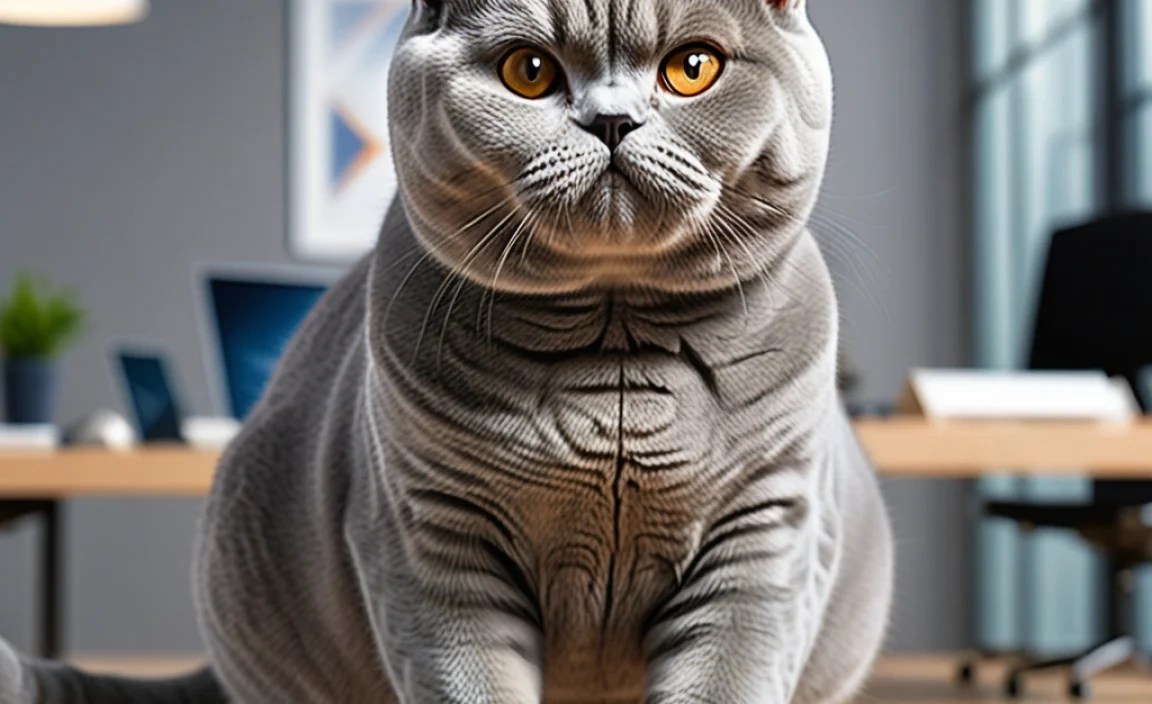
Sometimes training is hard. Your cat might not listen. They might get distracted. Don’t give up. Try to find out why. Are they bored? Are they scared? Maybe they don’t understand. Try different methods. Use different treats. Change the location. Be patient. Don’t get angry. If you are frustrated, take a break. Try again later. British Shorthair training for executives can be challenging.
- Address biting by redirecting with a toy.
- Manage scratching by providing appropriate scratching posts.
- Reduce fear by creating a safe and calm environment.
- Prevent litter box issues by ensuring cleanliness and accessibility.
- Stop meowing by ignoring attention-seeking behavior.
- Handle aggression by identifying triggers and seeking professional help.
If your cat is biting, stop training. Find out why they are biting. Maybe they are scared. Maybe they are in pain. Take them to the vet if needed. If your cat is scratching furniture, provide scratching posts. Encourage them to use the posts. If your cat is not using the litter box, clean it more often. Make sure it is in a safe place. British Shorthair training for executives sometimes needs problem-solving.
What If My Cat Bites During Training?
Biting is a problem. It can be scary. Find out why they are biting. Are they scared? Are they in pain? Don’t punish them. This will make it worse. Try to redirect their attention. Use a toy. If they keep biting, stop training. Talk to a vet. They can help you find the cause. Biting is often a sign of fear or pain. British Shorthair training for executives should never hurt.
Dealing with Scratching Problems
Scratching is normal. Cats need to scratch. But they should not scratch furniture. Provide scratching posts. Put them near the furniture. Encourage them to use the posts. Use catnip. Make the posts attractive. If they scratch furniture, say “No.” Then move them to the post. Reward them when they use it. British Shorthair training for executives includes managing scratching.
When to Seek Professional Help
Sometimes you need help. If you are struggling, ask a trainer. They can give you advice. They can also help you find problems. If your cat has behavior issues, see a vet. They can check for medical problems. Don’t be afraid to ask for help. Training can be hard. A professional can make it easier. British Shorthair training for executives sometimes needs experts.
| Issue | Possible Cause | Solution |
|---|---|---|
| Biting | Fear, pain, overstimulation | Stop training, check for pain, redirect with toy |
| Scratching furniture | Natural instinct, lack of scratching post | Provide scratching post, use catnip, redirect |
| Not using litter box | Dirty box, stress, medical issue | Clean box, reduce stress, see vet |
| Ignoring commands | Lack of motivation, confusion, distraction | Use better treats, simplify commands, remove distractions |
Fun Fact or Stat: British Shorthairs are known for their “Cheshire cat smile,” thanks to their round faces and gentle expressions!
Maintaining Training Progress
Training is not a one-time thing. You need to keep practicing. Review the commands. Use them every day. This will help your cat remember. Keep training sessions short and fun. This will keep your cat engaged. Use positive reinforcement. Reward good behavior. Don’t punish bad behavior. Be patient and consistent. British Shorthair training for executives is ongoing.
- Continue practicing commands regularly.
- Vary the training environment to generalize learning.
- Introduce new challenges to keep the cat engaged.
- Use puzzle toys to provide mental stimulation.
- Maintain a consistent routine for feeding and playtime.
- Monitor for signs of stress or boredom.
If you stop training, your cat might forget. They might start to misbehave. Keep training fun and engaging. This will make your cat want to keep learning. Use treats and praise. Make it a positive experience. Training is a great way to bond with your cat. It can also help you relax and de-stress. British Shorthair training for executives helps bonding.
How Often Should I Train My Cat?
Train your cat every day. Short sessions are best. Five to ten minutes is enough. Do it at the same time each day. This will help your cat get into a routine. Don’t train when you are busy. Don’t train when you are stressed. Your cat will sense it. They won’t learn as well. Choose a time when you are relaxed. This will make training more effective. British Shorthair training for executives is daily.
Varying the Training Environment
Train in different places. Start in a quiet room. Then try a busier room. Practice outside too. This helps your cat learn to focus. They will learn to obey commands anywhere. If you only train in one place, they might not listen elsewhere. Varying the environment makes training harder. But it also makes it more effective. British Shorthair training for executives includes different places.
Using Puzzle Toys for Mental Stimulation
Puzzle toys are great for cats. They challenge their minds. They also keep them busy. There are many types of puzzle toys. Some have treats inside. Your cat has to figure out how to get them out. This keeps them entertained. It also prevents boredom. Bored cats can get into trouble. Puzzle toys are a good way to prevent this. British Shorthair training for executives can use puzzle toys.
Fun Fact or Stat: The British Shorthair’s plush coat comes in many colors, but the most famous is the blue-grey!
The Benefits of Training for Executives
Training your cat can benefit you. It can teach you patience. It can also help you relax. Training requires focus. This can help you forget about work. It can be a fun break from your busy day. A well-trained cat is also a joy to have. They are easier to manage. They are also more fun to play with. British Shorthair training for executives reduces stress.
- Enhances patience and consistency in leadership.
- Provides a relaxing and enjoyable hobby.
- Strengthens the bond between owner and pet.
- Improves communication skills through non-verbal cues.
- Offers a unique way to de-stress after a long day.
- Teaches valuable lessons about animal behavior.
Training can also teach you about animal behavior. You will learn how cats think. You will also learn how they learn. This can help you understand your cat better. It can also help you be a better pet owner. Training is a rewarding experience. It can improve your life. It can also improve your cat’s life. British Shorthair training for executives is beneficial.
Stress Reduction Through Cat Training
Training can reduce stress. It requires focus and patience. This can help you forget about your worries. It can also be a calming activity. Spending time with your cat is relaxing. It can lower your blood pressure. It can also improve your mood. Training is a great way to de-stress. It can help you feel better. British Shorthair training for executives helps reduce stress.
Improving Patience and Consistency
Training requires patience. Cats don’t learn overnight. It takes time and effort. You need to be consistent. Use the same commands every time. Be clear and concise. Don’t get frustrated. If you are patient, your cat will learn. This can also improve your patience in other areas. It can help you be a better leader. British Shorthair training for executives improves patience.
Strengthening the Bond with Your Cat
Training strengthens your bond. You spend time together. You learn to communicate. Your cat learns to trust you. This creates a strong connection. A strong bond makes your cat happier. It also makes you happier. Training is a great way to build a strong relationship. British Shorthair training for executives strengthens bonds.
Fun Fact or Stat: British Shorthairs are known for their copper eyes, which become more vibrant as they mature!
Summary
British Shorthair training for executives is possible. It requires patience and consistency. Start with basic commands. Use positive reinforcement. Keep training sessions short and fun. Address any problems that arise. Maintain training progress with regular practice. Training can benefit both you and your cat. It can reduce stress. It can also improve patience. Training strengthens your bond with your cat. It’s a rewarding experience.
Conclusion
Training your British Shorthair is a great idea. It can be fun and rewarding. You can teach them many things. Start with basic commands. Be patient and consistent. Use positive reinforcement. Training can strengthen your bond. It can also reduce stress. British Shorthair training for executives is beneficial for everyone.
Frequently Asked Questions
Question No 1: How long should training sessions be?
Answer: Training sessions should be short. Cats have short attention spans. Aim for five to ten minutes. Do it once or twice a day. This will keep your cat engaged. It will also prevent boredom. End each session on a positive note. This will make your cat want to train again. British Shorthair training for executives needs short sessions for best results.
Question No 2: What treats are best for training?
Answer: Use small, tasty treats. Find out what your cat likes. Some cats like meat. Others like fish. Some like crunchy treats. Others like soft treats. Experiment to see what works best. Use the treats only for training. This will make them more special. Don’t give them too many treats. This can make them fat. British Shorthair training for executives uses treats as rewards.
Question No 3: How do I stop my cat from biting during training?
Answer: Stop the training session. Find out why they are biting. Are they scared? Are they in pain? Don’t punish them. This will make it worse. Try to redirect their attention. Use a toy. If they keep biting, talk to a vet. They can help you find the cause. Biting is often a sign of fear or pain. British Shorthair training for executives should never involve biting.
Question No 4: What if my cat doesn’t seem interested in training?
Answer: Try different methods. Use different treats. Change the location. Make it more fun. If they still aren’t interested, don’t force it. Some cats don’t like training. That’s okay. Just enjoy spending time with them. You can still bond without training. British Shorthair training for executives isn’t for every cat. Respect their preferences.
Question No 5: Can I use clicker training with my British Shorthair?
Answer: Yes, clicker training can work well. A clicker makes a distinct sound. You pair the sound with a reward. Click when your cat does something right. Then give them a treat. They will learn to associate the click with a reward. This can make training more effective. British Shorthair training for executives can use clicker training.
Question No 6: How do I train my cat to use a scratching post?
Answer: Provide scratching posts. Put them near furniture. Encourage them to use the posts. Use catnip. Make the posts attractive. If they scratch furniture, say “No.” Then move them to the post. Reward them when they use it. Consistency is important. This will help them learn. British Shorthair training for executives includes managing scratching behaviors.


