
British Shorthair Training for Children: Easy Guide

Do you love cats? Have you ever seen a fluffy, round British Shorthair? These cats are super cute! But can kids train them? Yes, British Shorthair training for children is possible. It’s all about being patient and using fun tricks. Training can be a great way for kids to bond with their pets.
British Shorthairs are known for being calm. But they still need training. Kids can learn a lot by training their cat. It teaches them responsibility and kindness. Plus, it’s fun to see your cat learn new things!
Key Takeaways
- British Shorthair training for children is a great way to bond with your cat through positive methods.
- Use treats and praise to reward your cat for good behavior during training sessions.
- Keep training sessions short and fun to hold your British Shorthair’s attention.
- Be patient and consistent when teaching your cat new tricks or commands.
- Start with basic commands like “sit” and “stay” for easier training.
Understanding British Shorthair Training for Children

Training a British Shorthair can be fun for kids. But it’s important to know the breed. British Shorthairs are not as active as some cats. They are smart, but they can also be stubborn. So, patience is very important. Kids need to learn how to be gentle and encouraging. Positive reinforcement works best. This means rewarding good behavior with treats or praise. Shouting or punishment will not work. It will only scare the cat. Training should be a fun experience for both the child and the cat. Short training sessions are best. Cats have short attention spans. A few minutes each day is better than one long session. With patience and the right approach, kids can successfully train their British Shorthairs.
- Be patient with your cat.
- Use positive reinforcement.
- Keep training sessions short.
- Make training fun for both of you.
- Start with simple commands.
Before starting any training, make sure your child understands the basics of cat care. They should know how to feed, groom, and play with the cat. This will help build a strong bond between them. A well-cared-for cat is more likely to be receptive to training. Also, make sure the cat is healthy. A sick or uncomfortable cat will not be able to focus on training. If you have any concerns about your cat’s health, talk to a vet. Training should always be a positive experience. Never force your cat to do anything it doesn’t want to do. With a little patience and understanding, British Shorthair training for children can be a rewarding experience for everyone involved.
Why Is Patience Important?
Have you ever tried to teach someone something new? It can be hard! Now, imagine trying to teach a cat. Cats don’t always understand what we want them to do. This is why patience is so important. British Shorthairs are smart, but they learn at their own pace. If you get frustrated, your cat will sense it. This can make them scared or unwilling to learn. Take deep breaths and stay calm. Celebrate small victories. Even if your cat only takes one step towards you when called, that’s progress! Remember, training is a journey, not a race. Enjoy the process of learning together. Your patience will pay off in the end with a well-trained and happy cat.
What Is Positive Reinforcement?
Imagine you are learning to ride a bike. Someone is shouting at you and telling you everything you’re doing wrong. Would you want to keep trying? Probably not! Positive reinforcement is the opposite of that. It’s about rewarding good behavior. When your cat does something you want them to do, give them a treat or praise. This tells them that they did something right. They will be more likely to repeat that behavior in the future. Treats can be small pieces of their favorite food. Praise can be a simple “Good job!” or a gentle scratch behind the ears. Find what motivates your cat and use it to your advantage. Positive reinforcement makes training fun and effective.
How Can Kids Stay Calm?
Training a cat can be challenging. It’s normal to feel frustrated sometimes. But it’s important for kids to stay calm. When you feel frustrated, take a break. Walk away and do something else for a few minutes. This will help you clear your head. Remind yourself that training takes time. Don’t expect your cat to learn everything overnight. Focus on the progress you have made. Celebrate small victories. Remember why you wanted to train your cat in the first place. Was it to teach them tricks? Or to build a stronger bond? Keeping your goals in mind can help you stay motivated and calm. And remember, it’s okay to ask for help from a parent or another adult.
Fun Fact or Stat: British Shorthairs can live for 12-17 years, meaning lots of time for training and bonding!
Creating a Safe Training Environment
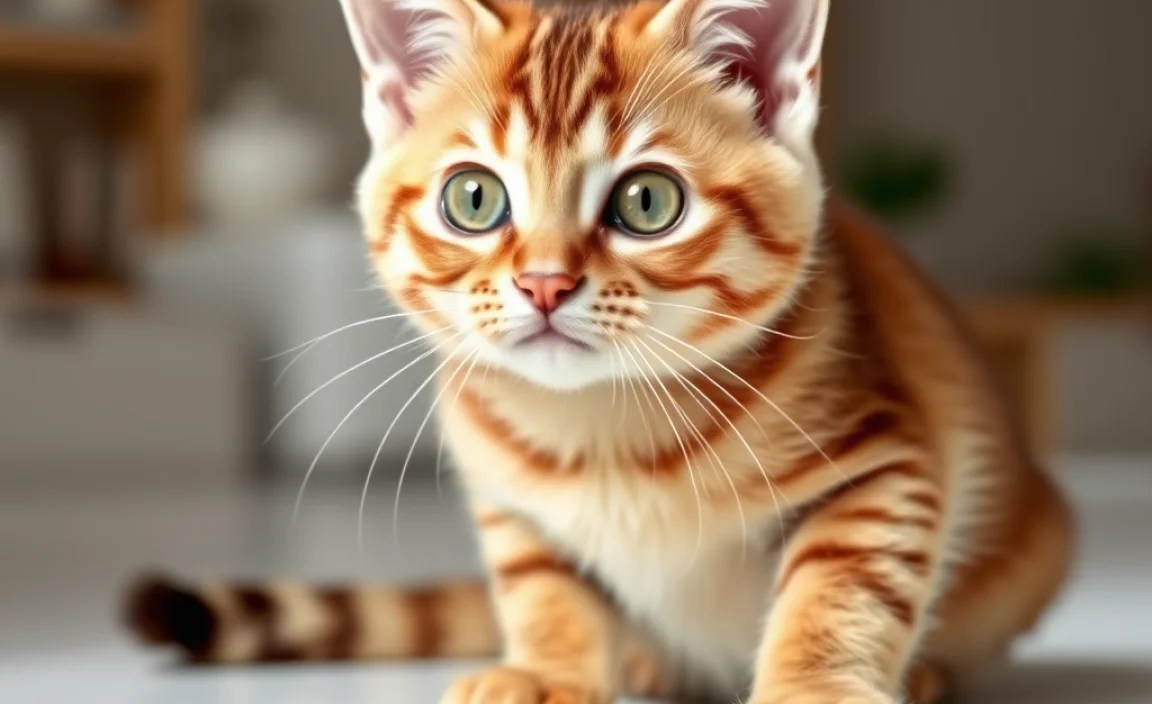
A safe environment is key for successful British Shorthair training for children. Find a quiet place where your cat feels comfortable. This could be a room in your house or a corner of the garden. Make sure there are no distractions. Turn off the TV and put away toys. This will help your cat focus on the training. Remove anything that could be dangerous. This includes things like electrical cords or small objects that the cat could swallow. The training area should be clean and free of clutter. A comfortable cat is more likely to be receptive to training. If your cat seems scared or anxious, try moving to a different location. You can also try playing with your cat for a few minutes before starting training. This will help them relax and feel more comfortable.
- Choose a quiet location.
- Remove distractions.
- Eliminate potential hazards.
- Keep the area clean.
- Make sure your cat is comfortable.
Consider using a crate or carrier as a safe space. Cats often feel secure in small, enclosed areas. You can introduce the crate by placing treats or toys inside. Encourage your cat to go inside on their own. Never force them. Once your cat is comfortable in the crate, you can use it during training. This can help them feel more secure and focused. However, never use the crate as punishment. This will make your cat associate it with negative experiences. The crate should always be a safe and positive place. With a little preparation, you can create a training environment where your cat feels comfortable and secure. This will make training more effective and enjoyable for both of you.
How to Choose the Right Space?
Imagine you are trying to read a book at a loud party. It would be very difficult to focus, right? The same is true for cats. They need a quiet space to focus on training. Look for a room in your house that is not used very often. A spare bedroom or a quiet corner of the living room would work well. Avoid areas with a lot of foot traffic. This will minimize distractions. Make sure the space is large enough for your cat to move around comfortably. They should be able to sit, stand, and turn around without feeling cramped. The space should also be well-ventilated. Cats need fresh air to stay comfortable. Choose a space that meets all of these criteria for the best training experience.
What Makes a Cat Feel Safe?
Have you ever felt scared in a new place? Cats can feel the same way. They need to feel safe and secure in their environment. One way to make a cat feel safe is to provide them with hiding places. This could be a cardboard box, a cat tree, or even just a blanket draped over a chair. Cats like to have places where they can retreat to when they feel overwhelmed. Another way to make a cat feel safe is to avoid sudden movements or loud noises. These can startle them and make them feel anxious. Speak to your cat in a calm, soothing voice. This will help them relax. With a little understanding, you can create a safe and comfortable environment for your cat.
Why Are Distractions Bad?
Think about trying to do your homework while watching TV. It’s hard to focus on both things at once! Distractions can make it difficult for cats to learn. They need to be able to focus their attention on the training. This means eliminating any potential distractions. Turn off the TV and radio. Put away toys and other objects that might be tempting. Ask other family members to be quiet during training sessions. If your cat is easily distracted by outside noises, try closing the windows. The fewer distractions there are, the more likely your cat is to succeed in training. A focused cat is a learning cat!
Fun Fact or Stat: Cats can hear sounds up to 64 kHz, which is much higher than humans (20 kHz)! That’s why a quiet space is important.
Basic Commands for British Shorthair Training for Children

Teaching basic commands is important in British Shorthair training for children. Start with simple commands like “sit,” “stay,” and “come.” These commands are easy to teach and can be very useful. Use positive reinforcement to reward your cat for good behavior. When your cat sits, say “sit” and give them a treat. Repeat this process several times. Eventually, your cat will learn to associate the word “sit” with the action of sitting. The same principle applies to other commands. Keep training sessions short and fun. A few minutes each day is better than one long session. Be patient and consistent. It may take some time for your cat to learn the commands. But with persistence, you will see results. Once your cat has mastered the basic commands, you can move on to more advanced tricks.
- Start with “sit”, “stay”, and “come”.
- Use treats as rewards.
- Repeat commands often.
- Be patient with your cat.
- Keep sessions short and fun.
Consistency is key when teaching commands. Use the same words and hand signals every time. This will help your cat understand what you want them to do. If you use different words or signals, it will only confuse them. Also, make sure everyone in the family is using the same commands. This will prevent confusion and ensure that your cat learns the commands correctly. Celebrate your cat’s successes. When they perform a command correctly, give them lots of praise and affection. This will reinforce the behavior and make them more likely to repeat it in the future. Remember, training should be a positive experience for both you and your cat. With patience and consistency, you can successfully teach your British Shorthair basic commands.
How to Teach “Sit”?
Imagine you have a delicious treat in your hand. Hold it just above your cat’s head. Slowly move the treat back towards their tail. As your cat follows the treat with their eyes, they will naturally lower their rear end. As soon as their bottom touches the ground, say “sit” and give them the treat. Repeat this process several times. Eventually, your cat will learn to sit on command. You can also use a hand signal along with the verbal command. For example, you could raise your index finger in the air. This will give your cat another cue to associate with the action of sitting. Be patient and consistent. It may take some time for your cat to learn the command. But with persistence, you will see results.
What Does “Stay” Mean?
Have you ever told someone to “stay” in place? It means you want them to remain where they are. The same is true for cats. The “stay” command tells your cat to remain in their current position. To teach this command, start by having your cat sit. Then, say “stay” in a firm but gentle voice. Hold your hand up in front of you, palm facing your cat. This is a visual cue that tells them to stay. Initially, only ask your cat to stay for a few seconds. Gradually increase the amount of time as they become more comfortable. If your cat moves, gently guide them back to the starting position and repeat the command. Reward them with a treat and praise when they stay in place for the desired amount of time.
Why Is “Come” Important?
Imagine your cat is lost in the neighborhood. Wouldn’t it be great if you could call them back to you? The “come” command can be a lifesaver in situations like this. To teach this command, start by calling your cat’s name in a happy, encouraging voice. When they look at you, say “come” and hold out a treat. As they approach you, continue to praise them. When they reach you, give them the treat and lots of affection. Repeat this process several times. Eventually, your cat will learn to associate the word “come” with returning to you. You can also use a clicker along with the verbal command. This can help to create a stronger association between the command and the reward.
Fun Fact or Stat: Cats can learn many tricks, just like dogs! Some cats can even learn to fetch and play dead.
Using Treats and Rewards Effectively

Treats and rewards are vital in British Shorthair training for children. They help motivate your cat and reinforce good behavior. Choose treats that your cat loves. Small, soft treats work best. You don’t want to give your cat too much food. Use treats sparingly. Only give them when your cat performs a desired behavior. Pair treats with verbal praise. Say “Good job!” or “Yes!” when your cat does something right. This will help them associate the treat with the praise. Vary the rewards. Sometimes give a treat, sometimes give praise, and sometimes give a gentle scratch behind the ears. This will keep your cat interested and motivated. Avoid using punishment. Punishment can scare your cat and make them less likely to cooperate. Focus on rewarding good behavior instead.
| Reward Type | Description | When to Use | Example |
|---|---|---|---|
| Treats | Small, tasty food items. | For initial learning and difficult tasks. | Give a small cat treat when the cat sits on command. |
| Verbal Praise | Positive words and tone of voice. | For reinforcing known behaviors. | Say “Good job!” when the cat comes when called. |
| Physical Affection | Gentle petting or scratching. | For maintaining a positive relationship. | Scratch the cat behind the ears after a successful training session. |
| Toys | Favorite toys to encourage active participation. | When the cat is playing or doing tricks. | Play with a feather toy after the cat performs a trick. |
Timing is crucial when using treats and rewards. Give the treat or praise immediately after your cat performs the desired behavior. This will help them make the connection between the action and the reward. If you wait too long, they may not understand what they are being rewarded for. Be consistent with your rewards. If you reward a behavior one time but not another, it will confuse your cat. Always reward the desired behavior, even if it’s not perfect. As your cat becomes more proficient, you can gradually reduce the frequency of the rewards. Eventually, you may be able to phase out treats altogether and rely solely on verbal praise and affection. However, it’s always a good idea to have treats on hand for occasional reinforcement.
What Are Good Treat Options?
Imagine you are choosing a snack for yourself. You want something that is tasty but also healthy, right? The same is true for cat treats. You want to choose treats that your cat enjoys but that are also good for them. Look for treats that are low in calories and made with natural ingredients. Avoid treats that contain artificial colors, flavors, or preservatives. There are many commercially available cat treats to choose from. Read the labels carefully to make sure you are selecting a healthy option. You can also make your own cat treats at home. There are many recipes available online. Homemade treats allow you to control the ingredients and ensure that your cat is getting a healthy snack.
How Much Is Too Much?
Have you ever eaten too much candy and felt sick? The same can happen to cats if they eat too many treats. Treats should only make up a small portion of your cat’s diet. The majority of their calories should come from their regular cat food. As a general rule, treats should not exceed 10% of your cat’s daily caloric intake. This means that you should only give your cat a few treats each day. If you are using treats frequently during training sessions, be sure to reduce the amount of food you give them at mealtime. This will help prevent them from becoming overweight. Always consult with your veterinarian if you have any concerns about your cat’s diet.
Can Praise Be Enough?
Imagine you are working hard on a project and your boss tells you, “Great job!” That praise can make you feel good, even without a bonus. Praise can be a powerful motivator for cats, too. Many cats respond well to verbal praise and affection. When your cat does something right, tell them “Good job!” in a happy, encouraging voice. Give them a gentle scratch behind the ears or a cuddle. These forms of praise can be just as rewarding as treats for some cats. Experiment to see what motivates your cat the most. You may find that a combination of treats and praise works best. As your cat becomes more proficient, you can gradually reduce the frequency of the treats and rely more on praise.
Fun Fact or Stat: Cats have about 470 taste buds, while humans have about 9,000. This means they don’t taste sweetness like we do!
Addressing Common Training Challenges

British Shorthair training for children can have its challenges. One common challenge is a lack of focus. Cats have short attention spans. They may get bored or distracted easily. To address this, keep training sessions short. A few minutes each day is better than one long session. Another challenge is stubbornness. British Shorthairs can be independent and may not always want to cooperate. Be patient and persistent. Don’t get discouraged if your cat doesn’t learn a command right away. Keep practicing and eventually they will get it. Some cats may be fearful or anxious. This can make training difficult. Create a safe and comfortable environment for your cat. Avoid using punishment. This will only make them more fearful. With patience and understanding, you can overcome these challenges and successfully train your British Shorthair.
- Short attention spans are common.
- Stubbornness can be frustrating.
- Fear and anxiety can hinder progress.
- Inconsistency can confuse your cat.
- Lack of motivation can stall training.
It’s important to recognize and address these challenges early on. If you are struggling to train your cat, don’t be afraid to seek help from a professional. A certified cat trainer can provide valuable guidance and support. They can help you identify the root cause of the problem and develop a training plan that is tailored to your cat’s individual needs. Remember, every cat is different. What works for one cat may not work for another. Be flexible and willing to adjust your training methods as needed. With the right approach, you can overcome any training challenge and build a strong bond with your British Shorthair.
What to Do About Biting and Scratching?
Imagine you are playing with a friend and they accidentally hurt you. You would probably tell them to be more careful, right? The same is true for cats. Biting and scratching are natural behaviors for cats. But they can be painful and dangerous. If your cat bites or scratches you during training, it’s important to address the behavior. First, try to identify the cause. Is your cat feeling scared, threatened, or overstimulated? Once you know the cause, you can take steps to prevent it from happening again. Avoid situations that trigger the behavior. If your cat bites or scratches you, say “Ouch!” in a firm voice and stop the training session. This will teach them that biting and scratching will result in the end of playtime. Never hit or yell at your cat. This will only make them more fearful and likely to bite or scratch.
How to Handle a Cat That Won’t Focus?
Have you ever tried to concentrate on something when you were really tired? It’s hard to do! Cats can also have trouble focusing when they are tired, hungry, or bored. If your cat is not focusing during training sessions, try to identify the cause. Are they tired? If so, try training them at a different time of day. Are they hungry? If so, give them a small snack before the training session. Are they bored? If so, try making the training sessions more interesting. Use different toys and treats. Keep the sessions short and fun. If your cat still won’t focus, it may be time to take a break. Try again later when they are more receptive.
What If My Cat Is Scared?
Imagine you are in a dark room and you hear a strange noise. You would probably feel scared, right? Cats can also feel scared in unfamiliar situations. If your cat is scared during training sessions, it’s important to create a safe and comfortable environment for them. Choose a quiet location. Remove any potential hazards. Speak to your cat in a calm, soothing voice. Avoid making sudden movements or loud noises. If your cat is still scared, try starting with very short training sessions. Gradually increase the length of the sessions as they become more comfortable. Never force your cat to do anything they don’t want to do. This will only make them more fearful. With patience and understanding, you can help your cat overcome their fears and enjoy the training process.
Fun Fact or Stat: A cat’s whiskers are about as wide as their body, helping them determine if they can fit through a space!
Advanced Training and Fun Tricks
Once your British Shorthair has mastered the basic commands, you can move on to advanced training and fun tricks. British Shorthair training for children can include teaching your cat to fetch, roll over, or even jump through a hoop. These tricks can be a lot of fun for both you and your cat. Use positive reinforcement to reward your cat for their efforts. Break down the tricks into small, manageable steps. This will make it easier for your cat to learn. Be patient and persistent. It may take some time for your cat to learn the tricks. But with practice, they will eventually get it. Remember to keep training sessions short and fun. A few minutes each day is better than one long session. With creativity and patience, you can teach your British Shorthair a variety of impressive tricks.
- Teach your cat to fetch.
- Try teaching them to roll over.
- Teach them to jump through a hoop.
- Use a clicker for precise training.
- Keep sessions positive and fun.
Consider using a clicker to help with advanced training. A clicker is a small device that makes a distinct clicking sound. You can use the clicker to mark the exact moment that your cat performs the desired behavior. This helps them understand what they are being rewarded for. To use a clicker, first associate the clicking sound with a reward. Click the clicker and then immediately give your cat a treat. Repeat this process several times. Eventually, your cat will learn to associate the clicking sound with positive reinforcement. Then, you can use the clicker to mark the desired behavior during training sessions. Click the clicker as soon as your cat performs the behavior and then give them a treat. This will help them learn the trick more quickly and easily. Remember to always use positive reinforcement and keep the training sessions fun and engaging.
How to Teach Fetch?
Imagine playing fetch with a dog. Now, imagine doing it with a cat! It’s possible! To teach your cat to fetch, start by choosing a small, lightweight toy that they enjoy. Toss the toy a short distance and encourage your cat to go after it. When they pick up the toy, praise them and call them back to you. When they bring the toy back to you, give them a treat and lots of affection. Repeat this process several times. Eventually, your cat will learn to associate the act of bringing the toy back to you with positive reinforcement. You can also use a clicker to mark the exact moment that they pick up the toy. This will help them understand what you want them to do. Be patient and persistent. It may take some time for your cat to learn to fetch. But with practice, they will eventually get it.
What Is a Clicker and How to Use It?
Have you ever seen a dog trainer use a clicker? It’s a small tool that makes a clicking sound. This sound tells the animal they did something right. It’s like a signal that says, “Yes, that’s what I wanted!” To use a clicker with your cat, you need to teach them what the click means. First, click the clicker and then give your cat a treat. Do this several times. Your cat will start to connect the click with the treat. Then, when you’re teaching a trick, click the clicker at the exact moment your cat does what you want. Then, give them a treat. The clicker helps your cat understand exactly what they did to earn the reward.
How to Teach a Cat to Roll Over?
Imagine teaching your cat to do a somersault! It sounds hard, but it’s possible. Start by having your cat lie down. Hold a treat near their nose and slowly move it towards their shoulder. As your cat follows the treat, they will naturally start to roll over onto their side. As soon as they start to roll, say “roll over” and give them the treat. Repeat this process several times. Eventually, your cat will learn to associate the verbal command with the action of rolling over. You can also use a clicker to mark the exact moment that they start to roll. This will help them understand what you want them to do. Be patient and persistent. It may take some time for your cat to learn to roll over. But with practice, they will eventually get it.
Fun Fact or Stat: The world record for the longest jump by a cat is 12 feet!
Summary
British Shorthair training for children is a rewarding experience. It teaches kids responsibility and kindness. It also strengthens the bond between the child and the cat. Remember to be patient and use positive reinforcement. Start with basic commands and gradually move on to more advanced tricks. A safe and comfortable training environment is essential. Treats and praise are powerful motivators. Addressing common training challenges requires patience and understanding. With consistency and dedication, kids can successfully train their British Shorthairs and enjoy a lifetime of companionship.
Conclusion
Training a British Shorthair can be a fun and rewarding experience for kids. Remember to be patient, positive, and consistent. Start with basic commands and gradually move on to more advanced tricks. Use treats and praise to motivate your cat. A safe and comfortable training environment is essential. With dedication and perseverance, British Shorthair training for children can strengthen the bond between the child and the cat and create a well-behaved and happy pet.
Frequently Asked Questions
Question No 1: At what age should I start training my British Shorthair kitten?
Answer: It’s best to start training your British Shorthair kitten as early as possible, ideally around 8 to 12 weeks old. Kittens at this age are more receptive to learning and adapting to new experiences. Start with simple commands and focus on socialization. Early training helps establish good habits and strengthens the bond between you and your kitten. British Shorthair training for children works best with a young animal that bonds with the child early on. Make sure the training sessions are short, positive, and fun to keep your kitten engaged and motivated.
Question No 2: How long should training sessions be for a British Shorthair?
Answer: Training sessions for a British Shorthair should be short and sweet to keep their attention. Aim for sessions that last no more than 5 to 10 minutes. British Shorthairs have a relatively short attention span, so it’s better to have multiple short sessions throughout the day rather than one long session. This approach helps prevent boredom and keeps your cat engaged. End each session on a positive note, rewarding your cat for their efforts. Short, frequent sessions are more effective for British Shorthair training for children.
Question No 3: What are the best treats to use for training a British Shorthair?
Answer: The best treats for training a British Shorthair are small, soft, and highly palatable. Look for treats that are specifically designed for cats and made with high-quality ingredients. Soft treats are easier for your cat to chew and digest, and small treats prevent overfeeding. Experiment with different flavors to find what your cat loves the most. Keep treats reserved specifically for training purposes to make them more special and motivating. Using high-value treats can significantly improve the effectiveness of British Shorthair training for children.
Question No 4: How do I stop my British Shorthair from scratching furniture?
Answer: To stop your British Shorthair from scratching furniture, provide them with alternative scratching options such as scratching posts or pads. Place these scratching posts in areas where your cat likes to scratch. Make the scratching posts more appealing by rubbing catnip on them. Use positive reinforcement to reward your cat when they use the scratching post. You can also use deterrents on your furniture, such as double-sided tape or citrus-scented sprays. Consistency is key in redirecting your cat’s scratching behavior. This is a great task for kids involved in British Shorthair training for children, and helps them learn about cat behavior.
Question No 5: Is clicker training effective for British Shorthairs?
Answer: Yes, clicker training can be very effective for British Shorthairs. Clicker training uses a distinct clicking sound to mark the exact moment your cat performs the desired behavior. This helps them understand what they are being rewarded for. Pair the click with a treat to create a positive association. Clicker training is a great way to teach your British Shorthair new tricks and commands. It requires patience and consistency, but it can be a fun and rewarding experience for both you and your cat. Clicker training is a good approach for British Shorthair training for children because it is fun, simple, and effective.
Question No 6: How can children safely participate in training a British Shorthair?
Answer: Children can safely participate in training a British Shorthair by following a few simple guidelines. First, always supervise children when they are interacting with the cat. Teach children how to handle the cat gently and respectfully. Make sure they understand not to pull the cat’s tail or ears. Keep training sessions short and fun, and focus on positive reinforcement. Encourage children to use a calm and soothing voice when giving commands. Ensure that the child is patient and understands that training takes time. British Shorthair training for children is a great way for kids to learn about responsibility and develop a bond with their pet.


