
British Shorthair Kitten Weaning Diet: The Ultimate Guide

Quick Summary: Weaning your British Shorthair kitten involves gradually introducing solid food, typically starting around 3-4 weeks of age. Begin with a slurry of kitten-specific wet food mixed with kitten formula. Over the next few weeks, slowly reduce the amount of formula, increasing the consistency and quantity of solid food. By 8 weeks, your kitten should be eating solid kitten food independently, supporting healthy growth and development.
Bringing a fluffy British Shorthair kitten into your home is such an exciting time! One of the most important transitions in your kitten’s early life is weaning—moving from their mother’s milk to solid food. It can feel a bit daunting, but don’t worry! This is a natural process, and with a little patience and the right approach, you can ensure your little one grows into a healthy and happy cat.
We’ll walk you through each step of the weaning process, from recognizing the right time to start to choosing the best foods and creating a comfortable feeding routine. Get ready to learn how to make weaning a smooth and positive experience for both you and your adorable British Shorthair kitten.
When to Start Weaning Your British Shorthair Kitten

Knowing when to begin the weaning process is key. Here’s what to watch for:
- Age: Weaning usually begins around 3-4 weeks of age.
- Interest in Mother’s Food: Kittens may start showing curiosity in their mother’s food.
- Teeth Development: The emergence of their first teeth indicates readiness for solid food.
Remember, every kitten is different, so observe your kitten’s behavior and consult with your veterinarian for personalized advice.
Step-by-Step Guide to Weaning
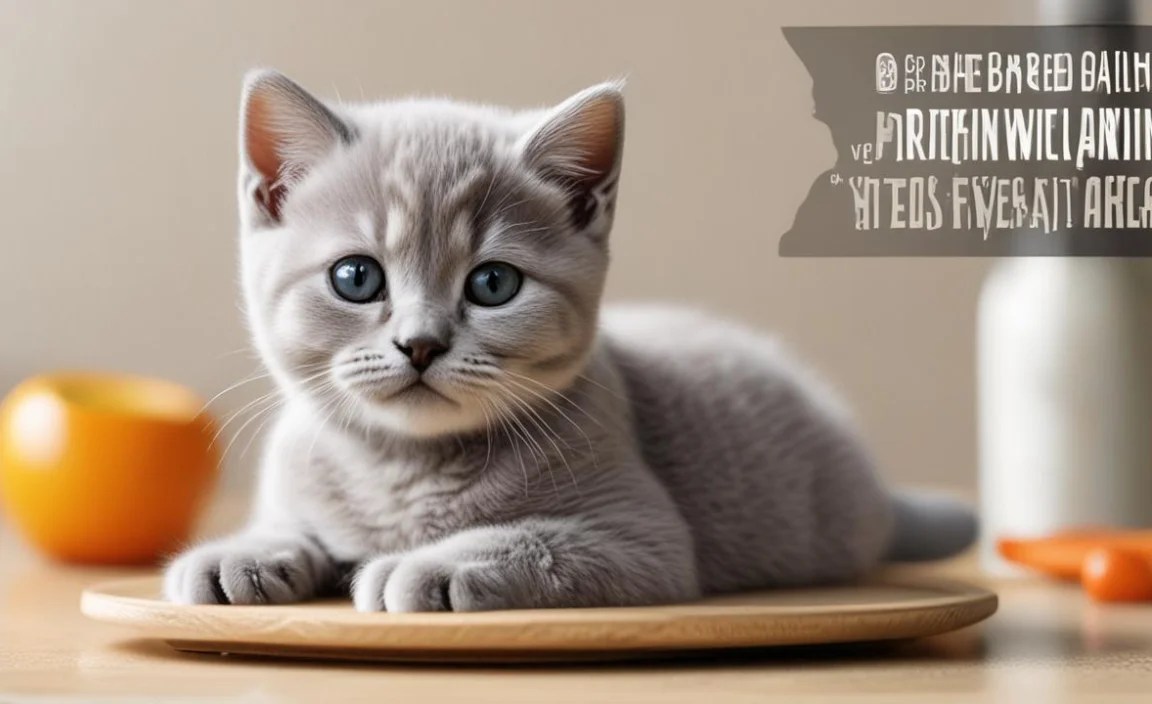
Here’s a detailed guide to help you through the weaning process:
Week 1: Introduction to Solid Food (3-4 Weeks Old)
At this stage, the goal is to introduce your kitten to the taste and texture of solid food. Think of it as a gentle introduction, not a full meal replacement.
- Prepare the Food: Mix high-quality kitten wet food with kitten milk replacer (formula) to create a soupy consistency. The formula should be specifically designed for kittens, providing the necessary nutrients found in their mother’s milk.
- Offer the Mixture: Offer the mixture on a shallow dish or a clean, flat surface. You can also use your finger to encourage the kitten to taste it.
- Be Patient: It might take a few tries for the kitten to show interest. Don’t force it. Let them explore at their own pace.
- Frequency: Offer the mixture 3-4 times a day.
Week 2: Adjusting the Consistency (4-5 Weeks Old)
As your kitten gets more accustomed to the new food, gradually thicken the consistency.
- Reduce Formula: Slowly decrease the amount of kitten formula and increase the amount of wet food.
- Thicker Texture: Aim for a porridge-like consistency. The food should be soft but not runny.
- Observe Eating Habits: Watch how your kitten responds. If they seem to enjoy the thicker texture, you’re on the right track.
- Increase Portion Size: Gradually increase the portion size as your kitten eats more solid food.
Week 3: Introducing More Solid Food (5-6 Weeks Old)
Now, you can start introducing more solid forms of kitten food.
- Add Softened Dry Food: Mix a small amount of softened dry kitten food with the wet food. You can soften the dry food by soaking it in warm water or kitten formula.
- Monitor Digestion: Keep an eye on your kitten’s digestion. Make sure they are not experiencing any diarrhea or constipation.
- Variety: You can also introduce different flavors of wet food to see what your kitten prefers.
- Fresh Water: Always provide fresh, clean water.
Week 4: Transition to Solid Food (6-8 Weeks Old)
By this stage, your kitten should be eating mostly solid food.
- Reduce Wet Food: Gradually reduce the amount of wet food and increase the amount of softened dry food.
- Dry Food Only: Eventually, transition to feeding your kitten dry kitten food only. Make sure the kibble size is appropriate for kittens.
- Multiple Small Meals: Feed your kitten several small meals throughout the day.
- Monitor Weight: Ensure your kitten is gaining weight steadily. Consult your vet if you have any concerns.
Choosing the Right Food

Selecting the right food is crucial for your British Shorthair kitten’s health and development. Look for:
- Kitten-Specific Formula: Choose foods specifically formulated for kittens. These formulas are higher in protein and calories to support growth.
- High-Quality Ingredients: Opt for foods with real meat as the primary ingredient. Avoid foods with excessive fillers or artificial additives.
- Trusted Brands: Research and choose reputable brands known for their quality and nutritional value. Brands like Royal Canin, Purina Pro Plan, and Hill’s Science Diet are often recommended by veterinarians.
Here’s a quick comparison of popular kitten food brands:
| Brand | Key Ingredients | Benefits |
|---|---|---|
| Royal Canin Kitten | Chicken, rice, and vegetable fibers | Supports digestive health and immune system |
| Purina Pro Plan Kitten | Chicken, fish oil, and antioxidants | Promotes brain and vision development |
| Hill’s Science Diet Kitten | Chicken, whole grains, and vitamins | Balanced nutrition for overall health |
Creating a Feeding Schedule
Consistency is key when it comes to feeding your kitten. Here’s how to establish a feeding schedule:
- Regular Mealtimes: Feed your kitten at the same times each day. This helps regulate their digestive system.
- Portion Control: Follow the feeding guidelines on the food packaging. Avoid overfeeding, which can lead to obesity.
- Quiet Environment: Choose a quiet, comfortable place for your kitten to eat.
- Fresh Water: Always have fresh water available.
A sample feeding schedule might look like this:
| Time | Meal | Amount |
|---|---|---|
| 7:00 AM | Kitten Dry Food | 1/4 cup |
| 12:00 PM | Kitten Wet Food | 1/4 can |
| 5:00 PM | Kitten Dry Food | 1/4 cup |
| 10:00 PM | Kitten Wet Food | 1/4 can |
Adjust the amounts based on your kitten’s age, weight, and activity level.
Addressing Common Weaning Challenges
Weaning can sometimes come with challenges. Here’s how to handle them:
- Picky Eaters: If your kitten is a picky eater, try different flavors and textures of food. Warm the food slightly to enhance the aroma.
- Digestive Issues: If your kitten experiences diarrhea or constipation, consult your veterinarian. They may recommend a different type of food or probiotics.
- Rejection of Solid Food: If your kitten refuses to eat solid food, go back a step and offer a more liquid consistency. Be patient and persistent.
Monitoring Your Kitten’s Health
Regularly monitoring your kitten’s health is essential during and after weaning.
- Weight Checks: Weigh your kitten regularly to ensure they are gaining weight appropriately.
- Stool Consistency: Monitor their stool for any signs of diarrhea or constipation.
- Energy Levels: Observe their energy levels and behavior. A healthy kitten should be active and playful.
- Vet Visits: Schedule regular check-ups with your veterinarian to ensure your kitten is developing properly and to address any health concerns. The RSPCA recommends regular vet checks to ensure optimal health.
Additional Tips for Successful Weaning
Here are some extra tips to make weaning a success:
- Keep it Clean: Always use clean dishes and utensils to prevent bacterial contamination.
- Warm the Food: Warming the food slightly can make it more appealing to your kitten.
- Avoid Cow’s Milk: Never give your kitten cow’s milk, as it can cause digestive upset.
- Positive Reinforcement: Praise and encourage your kitten when they eat solid food.
The Importance of Socialization During Weaning
Weaning isn’t just about food; it’s also a critical time for socialization. According to The International Cat Association (TICA), proper socialization during this period helps kittens develop into well-adjusted adults.
- Handling: Gently handle your kitten to get them used to human touch.
- Interaction: Encourage interaction with other kittens and friendly adult cats.
- Playtime: Provide plenty of toys and playtime to stimulate their mind and body.
Common Mistakes to Avoid
To ensure a smooth weaning process, avoid these common mistakes:
- Rushing the Process: Weaning should be gradual. Rushing can cause stress and digestive issues.
- Forcing Food: Never force your kitten to eat. This can create a negative association with food.
- Ignoring Health Issues: Don’t ignore any signs of illness. Consult your veterinarian promptly.
- Using Adult Food: Always use kitten-specific food to meet their unique nutritional needs.
Nutritional Needs of British Shorthair Kittens
British Shorthair kittens have specific nutritional needs to support their growth and development. According to the Cornell Feline Health Center, kittens require a diet rich in protein, fats, and essential nutrients.
- Protein: Essential for muscle development.
- Fats: Provide energy and support brain development.
- Calcium and Phosphorus: Crucial for bone growth.
- Taurine: An essential amino acid for heart and eye health.
Long-Term Benefits of Proper Weaning
Proper weaning sets the foundation for a lifetime of good health. Here are some long-term benefits:
- Healthy Growth: Ensures your kitten grows into a strong and healthy adult cat.
- Strong Immune System: Supports the development of a robust immune system.
- Good Digestion: Establishes healthy digestive habits.
- Positive Relationship with Food: Creates a positive association with food, reducing the risk of picky eating later in life.
FAQ About British Shorthair Kitten Weaning
Here are some frequently asked questions to help you navigate the weaning process:
- Q: When should I start weaning my British Shorthair kitten?
- A: You should typically start weaning your British Shorthair kitten around 3-4 weeks of age, when they start showing interest in their mother’s food.
- Q: What kind of food should I use for weaning?
- A: Start with a mixture of high-quality kitten wet food and kitten milk replacer to create a soupy consistency, gradually transitioning to softened dry kitten food.
- Q: How often should I feed my kitten during weaning?
- A: Offer the food mixture 3-4 times a day in the first week, adjusting the frequency as your kitten starts eating more solid food.
- Q: What if my kitten refuses to eat solid food?
- A: Be patient and persistent. Try going back a step and offering a more liquid consistency. You can also try warming the food slightly to enhance the aroma.
- Q: Can I give my kitten cow’s milk?
- A: No, never give your kitten cow’s milk, as it can cause digestive upset. Always use kitten milk replacer if needed.
- Q: How do I know if my kitten is getting enough food?
- A: Monitor your kitten’s weight and stool consistency. A healthy kitten should be gaining weight steadily and have normal bowel movements. Consult your vet if you have concerns.
- Q: When will my kitten be fully weaned?
- A: By 6-8 weeks of age, your kitten should be eating solid kitten food independently. Continue to monitor their health and adjust their diet as needed.
Conclusion
Weaning your British Shorthair kitten is a significant step in their early development. By following this comprehensive guide, you can ensure a smooth and successful transition to solid food. Remember to be patient, observant, and consistent. Choose high-quality kitten food, establish a regular feeding schedule, and monitor your kitten’s health closely. With your care and attention, your British Shorthair kitten will grow into a healthy, happy, and well-adjusted companion. Enjoy this special time with your new furry friend!


