
British Shorthair Cat Diet Mistakes: Ultimate Guide

Quick Summary: Feeding your British Shorthair cat the wrong diet can lead to health problems like obesity, digestive issues, and even a dull coat. Avoid these common mistakes: overfeeding, offering low-quality food with fillers, providing only dry food, and neglecting fresh water. A balanced diet with high-quality protein and controlled portions is key for a happy, healthy British Shorthair.
Bringing a British Shorthair into your home is such a joy! Their round faces and cuddly personalities make them wonderful companions. But like any cat, they have specific dietary needs. It’s easy to make unintentional mistakes when it comes to their food, which can affect their health and happiness. Are you worried you might be making some of these common errors? Don’t worry, you’re not alone!
This guide will walk you through the most frequent British Shorthair cat diet mistakes and how to avoid them. We’ll cover everything from portion control to choosing the right ingredients, ensuring your feline friend stays healthy and vibrant for years to come. Let’s dive in and learn how to give your British Shorthair the best possible start!
Common British Shorthair Cat Diet Mistakes

British Shorthairs are prone to certain health issues that can be worsened by poor diet. Avoiding these common mistakes will help ensure a long, healthy life for your furry friend.
1. Overfeeding and Portion Control Issues
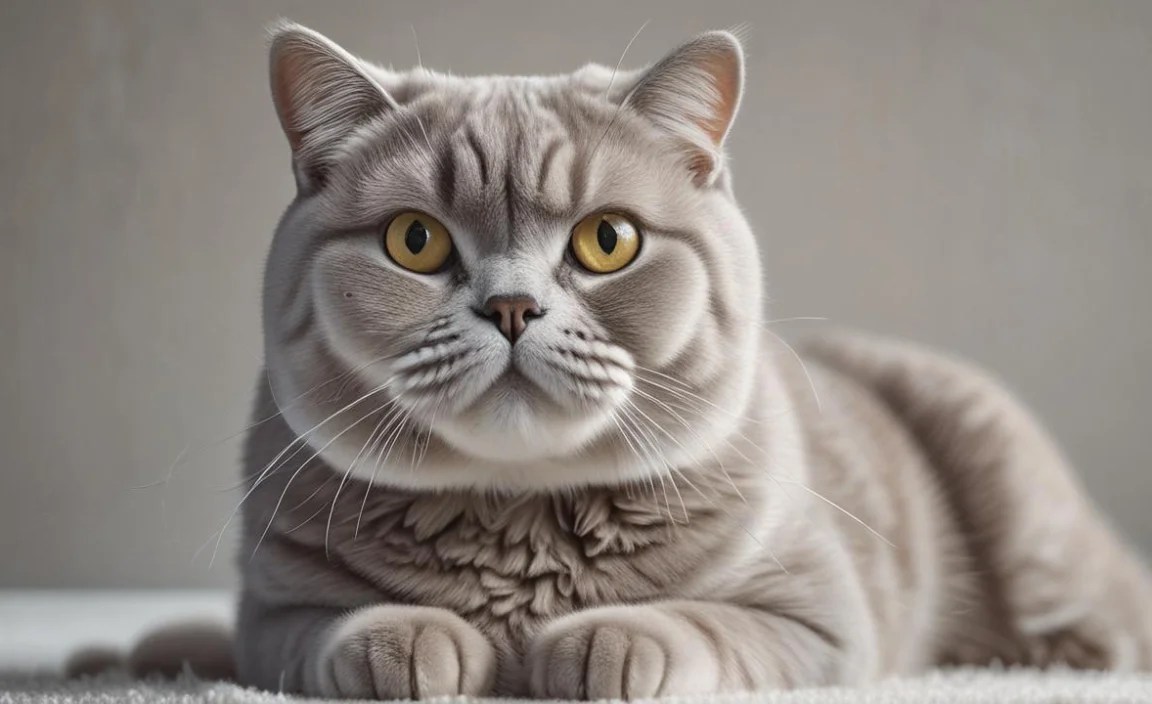
One of the most common mistakes is simply giving your British Shorthair too much food. This breed is known for its relaxed nature, and they can easily become overweight if their diet isn’t carefully managed. Overfeeding leads to obesity, which in turn can cause a host of health problems.
Why It’s a Problem
- Obesity: British Shorthairs are prone to weight gain, which puts extra stress on their joints and organs.
- Diabetes: Overweight cats are at a higher risk of developing diabetes.
- Heart Problems: Excess weight can lead to heart disease.
- Arthritis: Extra weight puts strain on joints, accelerating arthritis development.
How to Fix It
- Measure Food Portions: Use a measuring cup to ensure you’re giving the correct amount of food.
- Follow Guidelines: Check the food packaging for recommended serving sizes based on your cat’s weight and age.
- Scheduled Feeding Times: Instead of free-feeding, offer food at specific times of the day.
- Regular Weigh-Ins: Monitor your cat’s weight regularly and adjust food portions as needed.
2. Feeding Low-Quality Cat Food

Not all cat foods are created equal. Many commercial cat foods contain fillers, artificial additives, and low-quality protein sources that don’t provide the necessary nutrients for your British Shorthair.
Why It’s a Problem
- Poor Digestion: Fillers like corn and wheat are difficult for cats to digest.
- Nutrient Deficiencies: Low-quality foods may lack essential vitamins and minerals.
- Allergies: Artificial additives and low-quality ingredients can trigger allergies.
- Dull Coat: Poor nutrition can lead to a dry, lackluster coat.
How to Fix It
- Read Labels Carefully: Look for cat foods with high-quality protein sources listed as the first ingredients (e.g., chicken, fish, or turkey).
- Avoid Fillers: Choose foods that are free from corn, wheat, and soy.
- Check for AAFCO Statement: Ensure the food meets the nutritional standards established by the Association of American Feed Control Officials (AAFCO).
- Consider Grain-Free Options: While not always necessary, grain-free foods can be beneficial for cats with sensitivities.
Here’s a quick guide on what to look for on the label:
| Nutrient | Importance | Good Sources |
|---|---|---|
| Protein | Essential for muscle development and overall health. | Chicken, turkey, fish, lamb. |
| Fats | Provide energy and support skin and coat health. | Fish oil, chicken fat. |
| Taurine | Crucial for heart and eye health. Cats cannot produce it themselves. | Meat, poultry, fish. Added to most commercial cat foods. |
| Vitamins and Minerals | Support various bodily functions and overall well-being. | Added to balanced cat food formulas. |
3. Exclusive Dry Food Diet

While dry food is convenient, feeding your British Shorthair an exclusively dry food diet can lead to dehydration and other health issues. Cats naturally have a low thirst drive, and dry food doesn’t provide enough moisture.
Why It’s a Problem
- Dehydration: Can lead to kidney problems and urinary tract issues.
- Constipation: Lack of moisture can cause digestive problems.
- Urinary Issues: Increased risk of urinary crystals and blockages.
- Less Palatable: Some cats find dry food less appealing than wet food.
How to Fix It
- Incorporate Wet Food: Add wet food to your cat’s diet to increase moisture intake.
- Water Availability: Ensure fresh, clean water is always available.
- Water Fountains: Consider using a cat water fountain to encourage drinking.
- Soak Dry Food: If your cat only eats dry food, try adding a little water to it.
4. Not Providing Enough Fresh Water

As mentioned, cats don’t always drink enough water on their own. Dehydration can lead to serious health problems, so it’s crucial to encourage your British Shorthair to stay hydrated.
Why It’s a Problem
- Kidney Issues: Chronic dehydration can damage the kidneys.
- Urinary Tract Problems: Increased risk of urinary infections and blockages.
- Constipation: Lack of water can lead to digestive issues.
- Overall Health: Dehydration affects all bodily functions.
How to Fix It
- Multiple Water Sources: Place water bowls in various locations around your home.
- Clean Water Daily: Change the water at least once a day to keep it fresh.
- Try Different Bowls: Some cats prefer ceramic or glass bowls over plastic.
- Flavor the Water: Add a splash of tuna juice or low-sodium chicken broth to entice your cat to drink.
5. Giving Too Many Treats

Treats are a great way to bond with your British Shorthair, but giving too many can lead to weight gain and nutritional imbalances. Remember, treats should only make up a small percentage of your cat’s daily calorie intake.
Why It’s a Problem
- Weight Gain: Treats are often high in calories and can contribute to obesity.
- Nutritional Imbalance: Treats may not provide the necessary nutrients.
- Picky Eating: Overfeeding treats can make your cat less interested in their regular food.
- Dental Issues: Some treats can contribute to dental problems.
How to Fix It
- Limit Treats: Follow the recommended serving sizes on the treat packaging.
- Healthy Treats: Choose treats that are low in calories and made with quality ingredients.
- Use Treats Sparingly: Reserve treats for training or special occasions.
- Consider Alternatives: Instead of treats, try playing with your cat or offering verbal praise.
6. Ignoring Age-Related Dietary Needs
A British Shorthair’s dietary needs change as they age. Kittens, adults, and seniors all require different balances of nutrients to stay healthy.
Why It’s a Problem
- Kittens: Need more protein and calories for growth and development.
- Adults: Require a balanced diet to maintain their weight and energy levels.
- Seniors: May need fewer calories and more easily digestible foods.
- Health Issues: Age-related health problems may require special diets.
How to Fix It
- Kitten Food: Feed kittens a diet specifically formulated for their needs until they reach adulthood (around 12 months).
- Adult Food: Switch to an adult cat food that provides a balanced diet.
- Senior Food: As your cat ages (typically around 7 years), consider switching to a senior formula that is lower in calories and easier to digest.
- Consult Your Vet: Talk to your veterinarian about any specific dietary needs based on your cat’s age and health condition.
Here’s a general guide on what to feed your British Shorthair at different life stages:
| Life Stage | Nutrient Focus | Feeding Frequency | Considerations |
|---|---|---|---|
| Kitten (0-12 months) | High protein, high fat, balanced calcium and phosphorus | 3-4 meals per day | Specially formulated kitten food; monitor weight and growth |
| Adult (1-7 years) | Balanced protein, fat, and carbohydrates | 2 meals per day | High-quality adult cat food; portion control to prevent weight gain |
| Senior (7+ years) | Lower calories, easily digestible protein, added fiber | 2 meals per day | Senior-specific cat food; consider joint supplements and monitor for dental issues |
7. Neglecting Dental Health Through Diet
Diet plays a significant role in your British Shorthair’s dental health. Certain foods can contribute to plaque and tartar buildup, leading to dental disease.
Why It’s a Problem
- Plaque and Tartar: Soft, wet food can contribute to plaque buildup.
- Dental Disease: Can lead to pain, tooth loss, and systemic health problems.
- Bad Breath: A common sign of dental issues.
- Expensive Vet Bills: Dental cleanings can be costly.
How to Fix It
- Dental Dry Food: Choose dry food formulated to help clean teeth as your cat chews.
- Dental Treats: Offer dental treats designed to reduce plaque and tartar.
- Regular Brushing: Brush your cat’s teeth regularly with a cat-specific toothbrush and toothpaste (never use human toothpaste).
- Professional Cleanings: Schedule regular dental checkups and cleanings with your veterinarian.
8. Introducing New Foods Too Quickly
Cats have sensitive digestive systems, and suddenly changing their diet can lead to upset stomachs and other digestive issues.
Why It’s a Problem
- Digestive Upset: Sudden changes can cause vomiting, diarrhea, and loss of appetite.
- Stress: Cats don’t like change, and a new food can be stressful.
- Picky Eating: A bad experience with a new food can make your cat resistant to trying new things.
- Nutrient Absorption: The digestive system needs time to adjust to new nutrients.
How to Fix It
- Gradual Transition: Introduce new foods slowly over a period of 7-10 days.
- Mix Old and New: Start by mixing a small amount of the new food with the old food, gradually increasing the proportion of new food over time.
- Monitor Your Cat: Watch for any signs of digestive upset and adjust the transition as needed.
- Patience: Be patient and don’t rush the process.
Expert Tips for a Healthy British Shorthair Diet

Beyond avoiding common mistakes, here are some expert tips to ensure your British Shorthair thrives on their diet:
- Consult Your Veterinarian: Work with your vet to develop a customized feeding plan based on your cat’s individual needs.
- Monitor Body Condition: Regularly assess your cat’s body condition to ensure they are at a healthy weight. You should be able to feel their ribs without excessive fat covering them.
- Provide Enrichment: Use food puzzles and interactive feeders to make mealtime more engaging and prevent boredom.
- Avoid Toxic Foods: Never feed your cat foods that are toxic to them, such as chocolate, onions, garlic, grapes, and raisins. The ASPCA has a comprehensive list of foods to avoid.
- Be Consistent: Stick to a regular feeding schedule and avoid frequent changes to your cat’s diet.
FAQ: British Shorthair Cat Diet
What is the best food for a British Shorthair cat?
The best food for a British Shorthair cat is a high-quality commercial cat food that is rich in protein and low in fillers. Look for options that list meat, fish, or poultry as the primary ingredients. Ensure the food is appropriate for your cat’s age (kitten, adult, or senior) and any specific health conditions.
How much should I feed my British Shorthair cat?
The amount you should feed your British Shorthair cat depends on their age, weight, activity level, and the specific food you are using. Always follow the feeding guidelines on the food packaging as a starting point, but adjust as needed to maintain a healthy weight. Consult your veterinarian for personalized recommendations.
Should I feed my British Shorthair wet or dry food?
A combination of both wet and dry food is often ideal. Wet food helps keep your cat hydrated, while dry food can help promote dental health. If you choose to feed only dry food, make sure your cat has access to plenty of fresh water. If you feed only wet food, consider offering dental treats.
Are British Shorthairs prone to food allergies?
While not necessarily more prone than other breeds, British Shorthairs can develop food allergies. Common allergens include beef, dairy, and grains like corn and wheat. If you suspect your cat has a food allergy, talk to your veterinarian about an elimination diet to identify the culprit.
What are some signs of a food allergy in cats?
Signs of a food allergy in cats can include skin problems (itching, redness, hair loss), digestive issues (vomiting, diarrhea), and respiratory symptoms (coughing, sneezing). If you notice any of these signs, consult your veterinarian.
How can I help my British Shorthair lose weight?
To help your British Shorthair lose weight, start by measuring their food portions and reducing their daily calorie intake. Switch to a weight-management cat food, increase their activity level with play sessions, and avoid giving too many treats. Consult your veterinarian for guidance on a safe and effective weight loss plan.
What human foods are safe for British Shorthair cats?
While cats should primarily eat cat food, some human foods are safe in small amounts. These include cooked plain chicken, turkey, fish (boneless), and small amounts of certain cooked vegetables like broccoli or green beans. Always avoid foods that are toxic to cats, such as chocolate, onions, garlic, grapes, and raisins.
Conclusion
By avoiding these common diet mistakes, you can ensure your British Shorthair cat lives a long, healthy, and happy life. Remember, a balanced diet, proper portion control, and plenty of fresh water are key to their overall well-being. Pay attention to your cat’s individual needs and adjust their diet as necessary, and always consult with your veterinarian for personalized advice. With a little care and attention, you can help your British Shorthair thrive for many years to come. Enjoy your cuddly companion!


