
Ultimate Brushing Frequency for British Shorthairs

The ideal brushing frequency for British Shorthairs is 2-3 times a week to manage shedding and prevent mats. During shedding season (spring and fall), increase brushing to daily. Regular brushing removes loose fur, distributes skin oils, and helps avoid hairballs. A stainless steel comb and soft slicker brush are the best tools.
Is your gorgeous British Shorthair leaving a trail of fur all over your house? Don’t worry, you’re not alone! This breed is known for its plush coat, but that also means they need regular grooming. It can be tricky to know exactly how often to brush them. Brush too little, and you’ll have mats and hairballs. Brush too much, and you might irritate their skin.
In this guide, I’ll walk you through a simple brushing schedule that works for most British Shorthairs. We’ll cover the best tools, techniques, and how to make brushing a positive experience for both of you. Let’s keep your kitty comfy and your home fur-free!
Understanding the British Shorthair Coat

Before we dive into brushing schedules, let’s understand what makes the British Shorthair’s coat unique. This will help you tailor your grooming routine to their specific needs.
The Double Coat
British Shorthairs have a dense, double-layered coat. The undercoat is soft and fluffy, providing insulation, while the outer coat is thicker and acts as a protective layer. This double coat is what gives them their distinctive plush appearance, but it also means they are prone to shedding. According to the RSPCA, double-coated breeds require regular grooming to prevent matting and skin problems.
Seasonal Shedding
Like many double-coated breeds, British Shorthairs experience seasonal shedding. They typically shed more in the spring and fall as they adjust to temperature changes. During these periods, you’ll notice more loose fur around your home, and your cat may groom themselves more frequently.
Coat Texture
A healthy British Shorthair coat should feel dense but not coarse. Regular brushing helps maintain this texture by removing dead hair and distributing natural oils. If the coat feels greasy or matted, it could be a sign of underlying health issues or inadequate grooming. Always consult with your vet if you notice changes in your cat’s coat texture or condition.
Why Regular Brushing Matters
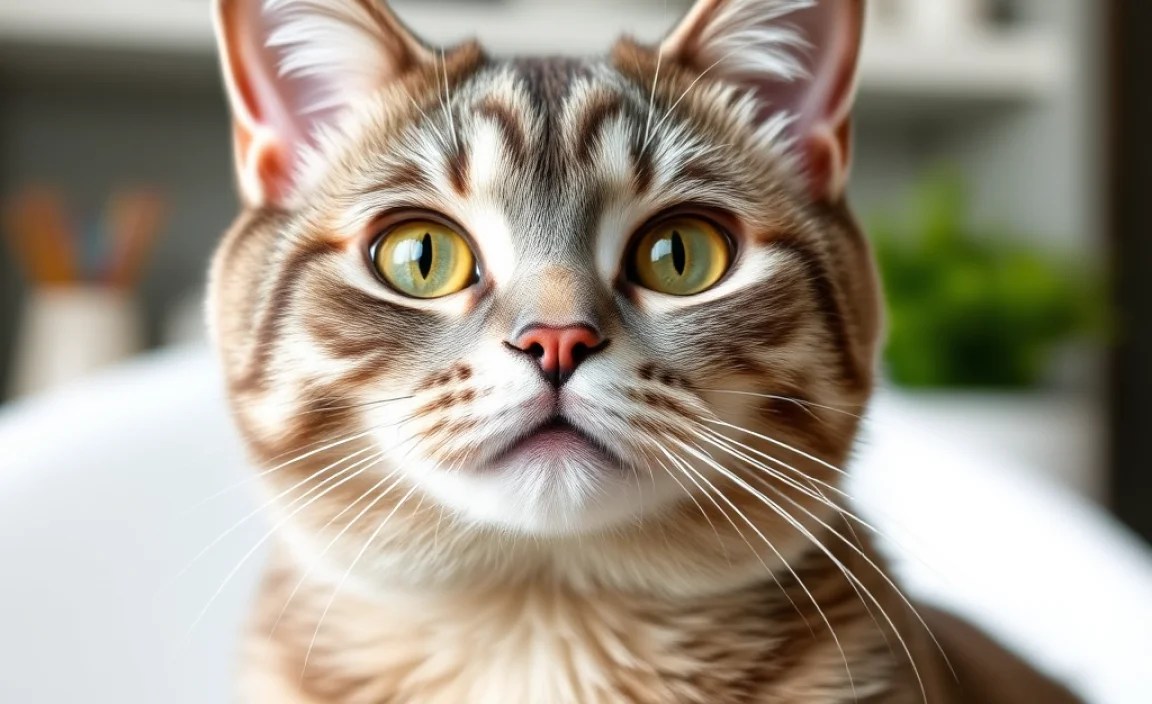
Brushing your British Shorthair isn’t just about keeping your furniture clean. It offers several benefits for your cat’s health and well-being.
- Reduces Shedding: Regular brushing removes loose fur before it ends up on your furniture, clothes, and carpets.
- Prevents Mats and Tangles: The dense coat of British Shorthairs is prone to matting, especially in areas like behind the ears and under the legs. Brushing helps prevent these painful mats from forming.
- Minimizes Hairballs: When cats groom themselves, they ingest loose fur. Brushing reduces the amount of fur they swallow, which minimizes the risk of hairballs.
- Stimulates Circulation: Brushing massages the skin, promoting healthy circulation and distributing natural oils throughout the coat.
- Early Detection of Skin Problems: While brushing, you can check for any lumps, bumps, or skin irritations that may require veterinary attention.
- Strengthens the Bond: Many cats enjoy being brushed, and it can be a relaxing and bonding experience for both of you.
Establishing a Brushing Schedule

Now that we know why brushing is important, let’s create a simple schedule that works for your British Shorthair.
The Standard Schedule: 2-3 Times a Week
For most of the year, brushing your British Shorthair 2-3 times a week is sufficient. This frequency helps manage shedding and prevent mats from forming. Each session should last around 5-10 minutes, depending on your cat’s tolerance.
During Shedding Season: Daily Brushing
During the spring and fall shedding seasons, increase brushing to once a day. This will help remove the extra loose fur and prevent it from becoming a problem. You may need to brush for a longer duration, perhaps 10-15 minutes, to keep up with the shedding.
Adjusting for Individual Needs
Every cat is different, so adjust the brushing schedule based on your cat’s individual needs. If your cat has a particularly thick coat or is prone to matting, you may need to brush more frequently. Senior cats or those with limited mobility may also benefit from more frequent brushing to help them stay clean and comfortable.
Here’s a simple table to summarize the brushing frequency:
| Season | Brushing Frequency | Duration |
|---|---|---|
| Regular (Summer/Winter) | 2-3 times a week | 5-10 minutes |
| Shedding (Spring/Fall) | Daily | 10-15 minutes |
Choosing the Right Brushing Tools

Using the right tools makes brushing easier and more effective. Here are some essential grooming tools for British Shorthairs.
- Stainless Steel Comb: A wide-toothed stainless steel comb is essential for removing tangles and mats. Look for one with rounded tips to avoid scratching your cat’s skin.
- Slicker Brush: A soft slicker brush is great for removing loose fur and smoothing the coat. Choose one with fine, angled bristles that are gentle on the skin.
- Grooming Glove: A grooming glove with rubber tips can be used for daily petting and light grooming. It’s a good option for cats who are sensitive to brushes.
- De-shedding Tool: A de-shedding tool can be helpful during shedding season to remove large amounts of loose fur. Use it sparingly to avoid irritating the skin.
Step-by-Step Brushing Guide
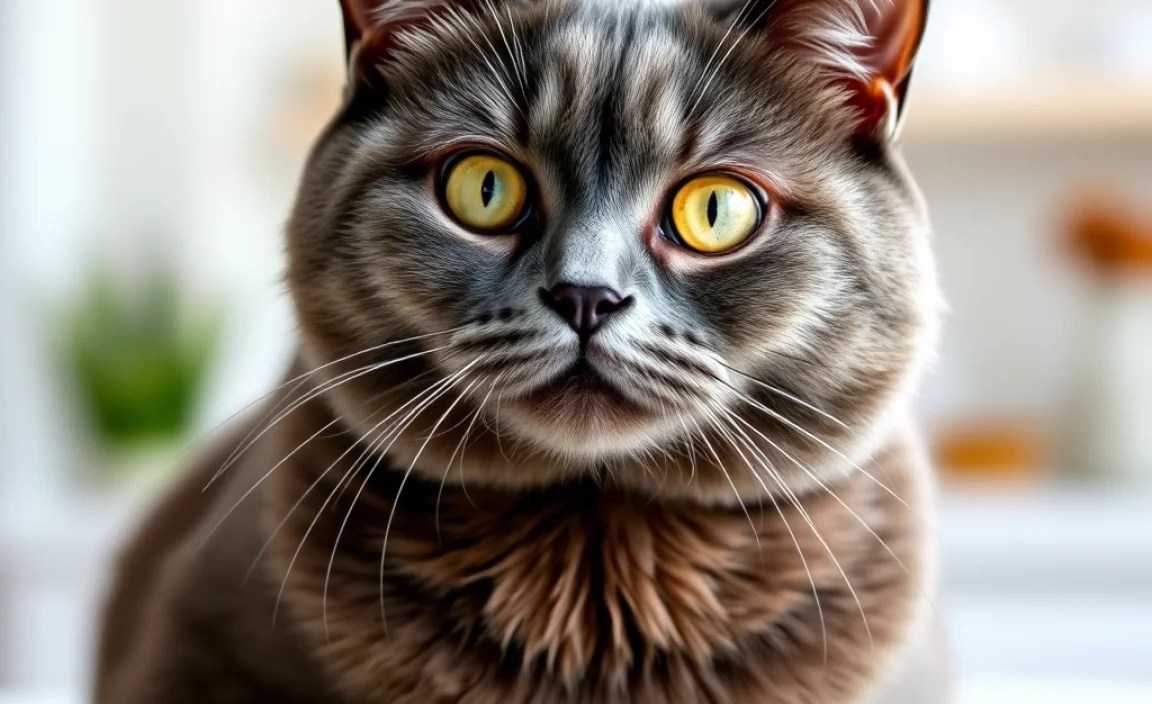
Follow these steps to make brushing a positive experience for your British Shorthair.
- Choose a Calm Time: Select a time when your cat is relaxed and receptive to being handled. Avoid brushing when they are hungry, playful, or stressed.
- Gather Your Supplies: Have your brush, comb, and treats ready before you start.
- Start Slowly: Begin by gently petting your cat to help them relax. Then, introduce the brush slowly, allowing them to sniff and investigate it.
- Brush in the Direction of Hair Growth: Use the slicker brush to gently brush your cat’s fur in the direction of hair growth. Start with the head and neck, then move to the back, sides, and tail.
- Comb Through Tangles: Use the stainless steel comb to gently work through any tangles or mats. Hold the base of the fur to avoid pulling on the skin.
- Pay Attention to Sensitive Areas: Be extra gentle when brushing sensitive areas like behind the ears, under the legs, and around the belly.
- Reward Your Cat: Offer treats and praise throughout the brushing session to reinforce positive behavior.
- Keep Sessions Short: If your cat is not used to being brushed, start with short sessions and gradually increase the duration as they become more comfortable.
Dealing with Mats and Tangles
Despite your best efforts, mats and tangles can still form in your British Shorthair’s coat. Here’s how to deal with them safely.
Preventing Mats
The best way to deal with mats is to prevent them from forming in the first place. Regular brushing, especially during shedding season, is key. Pay close attention to areas that are prone to matting, such as behind the ears, under the legs, and around the tail. You can also use a detangling spray to help loosen tangles and make brushing easier.
Removing Small Tangles
Small tangles can often be removed with a comb and a little patience. Gently work the comb through the tangle, starting at the ends and gradually working your way up to the base. Use your fingers to help separate the fur and avoid pulling on the skin. If the tangle is stubborn, try using a detangling spray or a small amount of cornstarch to help loosen it.
Removing Large Mats
Large, tight mats can be painful and difficult to remove. If you can’t remove the mat with a comb, it’s best to use a mat splitter or blunt-nosed scissors. Carefully slide the tool under the mat and gently cut it into smaller pieces. Be extremely careful not to cut your cat’s skin. If the mat is very close to the skin or you’re not comfortable removing it yourself, consult a professional groomer or veterinarian. The Cornell Feline Health Center recommends seeking professional help for severe matting to avoid injury to your cat.
When to Seek Professional Help
If your cat has extensive matting, skin irritation, or seems to be in pain, it’s best to seek professional help. A groomer or veterinarian can safely remove the mats and address any underlying skin issues. They can also provide advice on how to prevent matting in the future.
Making Brushing a Positive Experience
Some cats love being brushed, while others tolerate it at best. Here are some tips to make brushing a more enjoyable experience for your British Shorthair.
- Start Early: Introduce brushing to your cat as a kitten to get them used to the sensation.
- Create a Routine: Brush your cat at the same time each day to create a predictable routine.
- Use Positive Reinforcement: Reward your cat with treats, praise, and affection during and after brushing.
- Be Gentle: Use gentle strokes and avoid pulling on the fur.
- Watch for Signs of Discomfort: Pay attention to your cat’s body language and stop if they seem uncomfortable or stressed.
- Make it Fun: Turn brushing into a game by using a teaser toy or playing soft music.
Diet and Coat Health
A healthy diet plays a crucial role in maintaining your British Shorthair’s coat health. Here are some key nutrients to look for in their food.
- Protein: Protein is essential for healthy hair growth. Look for a cat food that contains a high-quality protein source, such as chicken, fish, or lamb.
- Omega-3 and Omega-6 Fatty Acids: These fatty acids help keep the skin and coat healthy and shiny. They can be found in fish oil, flaxseed oil, and sunflower oil.
- Vitamins and Minerals: Vitamins A, E, and B vitamins, as well as minerals like zinc and copper, are important for overall coat health.
Purina offers a range of cat foods formulated to support coat health. Consult with your veterinarian to choose the best diet for your British Shorthair.
Other Grooming Tips
In addition to brushing, here are some other grooming tips to keep your British Shorthair looking their best.
- Nail Trimming: Trim your cat’s nails every 2-3 weeks to prevent them from becoming overgrown and causing discomfort.
- Ear Cleaning: Check your cat’s ears regularly for dirt and wax buildup. Clean them with a gentle ear cleaning solution if needed.
- Dental Care: Brush your cat’s teeth regularly to prevent dental disease. You can also provide dental treats or toys to help keep their teeth clean.
- Bathing: British Shorthairs typically don’t need frequent baths. Bathe them only when they are visibly dirty or have a strong odor.
Common Coat Problems and Solutions
Here are some common coat problems that British Shorthairs may experience and how to address them.
| Problem | Possible Cause | Solution |
|---|---|---|
| Dull Coat | Poor diet, dehydration, underlying health issues | Improve diet, ensure adequate hydration, consult with vet |
| Excessive Shedding | Seasonal shedding, stress, allergies | Increase brushing frequency, reduce stress, identify and eliminate allergens |
| Greasy Coat | Overactive sebaceous glands, poor grooming | Bathe with degreasing shampoo, improve grooming routine |
| Hair Loss | Fleas, allergies, fungal infections | Treat fleas, identify and eliminate allergens, consult with vet |
FAQ About Brushing British Shorthairs
Here are some frequently asked questions about brushing British Shorthairs.
How often should I brush my British Shorthair kitten?
Start brushing your British Shorthair kitten as early as possible, even if they don’t need it much at first. Aim for 2-3 times a week to get them used to the sensation. Use a soft brush and keep the sessions short and positive with treats and praise.
What if my British Shorthair hates being brushed?
If your cat resists brushing, start slowly. Begin by petting them with the brush in your hand, then gradually introduce brushing for a few seconds at a time. Use treats and praise to create a positive association. If they continue to resist, try a grooming glove or a different type of brush.
Can I use human shampoo on my British Shorthair?
No, human shampoo is not suitable for cats. It can strip their skin of natural oils and cause irritation. Use a shampoo specifically formulated for cats, and only bathe them when necessary.
How do I know if my British Shorthair has a skin problem?
Signs of skin problems include excessive scratching, licking, or biting, as well as redness, inflammation, hair loss, or scaly skin. If you notice any of these signs, consult with your veterinarian.
What is the best way to prevent hairballs in British Shorthairs?
Regular brushing is the most effective way to prevent hairballs. By removing loose fur, you reduce the amount of hair your cat swallows during grooming. You can also feed them a hairball control diet or give them a hairball remedy.
Are there any health conditions that affect a British Shorthair’s coat?
Yes, certain health conditions, such as hyperthyroidism, allergies, and skin infections, can affect a British Shorthair’s coat. If you notice any changes in your cat’s coat, consult with your veterinarian to rule out any underlying health issues.
Can I shave my British Shorthair to reduce shedding?
Shaving your British Shorthair is generally not recommended. Their double coat provides insulation and protection from the sun. Shaving can disrupt their natural temperature regulation and make them more susceptible to sunburn and skin irritation. If you’re concerned about shedding, focus on regular brushing and a healthy diet.
Conclusion
Brushing your British Shorthair regularly is essential for their health and well-being. By following a simple brushing schedule, using the right tools, and making it a positive experience, you can keep their coat looking beautiful and prevent common problems like mats and hairballs. Remember to adjust the frequency based on your cat’s individual needs and consult with your veterinarian or a professional groomer if you have any concerns. With a little patience and consistency, brushing can become a bonding experience that both you and your furry friend enjoy. Happy grooming!


