
History of the Belgian Laekenois: Powerful Facts

Quick Summary: The Belgian Laekenois is a rare breed of herding dog originating from Belgium. Known for their intelligence and protective nature, they were initially used to guard livestock and farms. The breed nearly disappeared in the early 20th century but was revived through dedicated breeding programs. Today, they remain a loyal and active companion, requiring experienced handling and plenty of exercise.
Have you ever wondered about the origins of those strikingly intelligent and somewhat scruffy-looking Belgian Laekenois dogs? These dogs have a fascinating history, deeply intertwined with the agricultural landscapes of Belgium. Understanding their past can help you appreciate their unique traits and needs, especially if you’re considering welcoming one into your family. It’s a story of resilience, dedication, and a breed that almost vanished. Let’s delve into the captivating journey of the Belgian Laekenois, exploring their role as herders, their near-extinction, and their revival.
The Origins of the Belgian Laekenois

The Belgian Laekenois is one of the four Belgian Shepherd breeds, all developed in Belgium during the late 19th century. The other three are the Groenendael, Tervuren, and Malinois. These breeds were distinguished primarily by their coat types and colors, as their working abilities were quite similar.
Early Development
The Belgian Laekenois originated in the Laeken area of Belgium, hence its name. In the late 1800s, these dogs were primarily used as herding dogs and guardians of livestock and property. They were particularly valued for their ability to withstand harsh weather conditions and their keen intelligence.
- Herding and Guarding: The Laekenois excelled at herding sheep and cattle.
- Property Protection: They were also reliable watchdogs, alerting their owners to any potential threats.
- Adaptability: Their hardy nature allowed them to thrive in the varied Belgian climate.
The Work of Professor Reul
A pivotal figure in the development of the Belgian Shepherd breeds was Professor Adolphe Reul, a professor at the Belgian School of Veterinary Medicine. In 1891, he began the task of standardizing the various types of shepherd dogs found in Belgium. Reul’s work led to the recognition of the four distinct varieties, including the Laekenois.
Professor Reul established the first breed standard for the Belgian Shepherd, emphasizing their working ability and temperament. He recognized that despite differences in coat, the dogs shared a common foundation of intelligence, loyalty, and herding instincts.
Standardization and Recognition
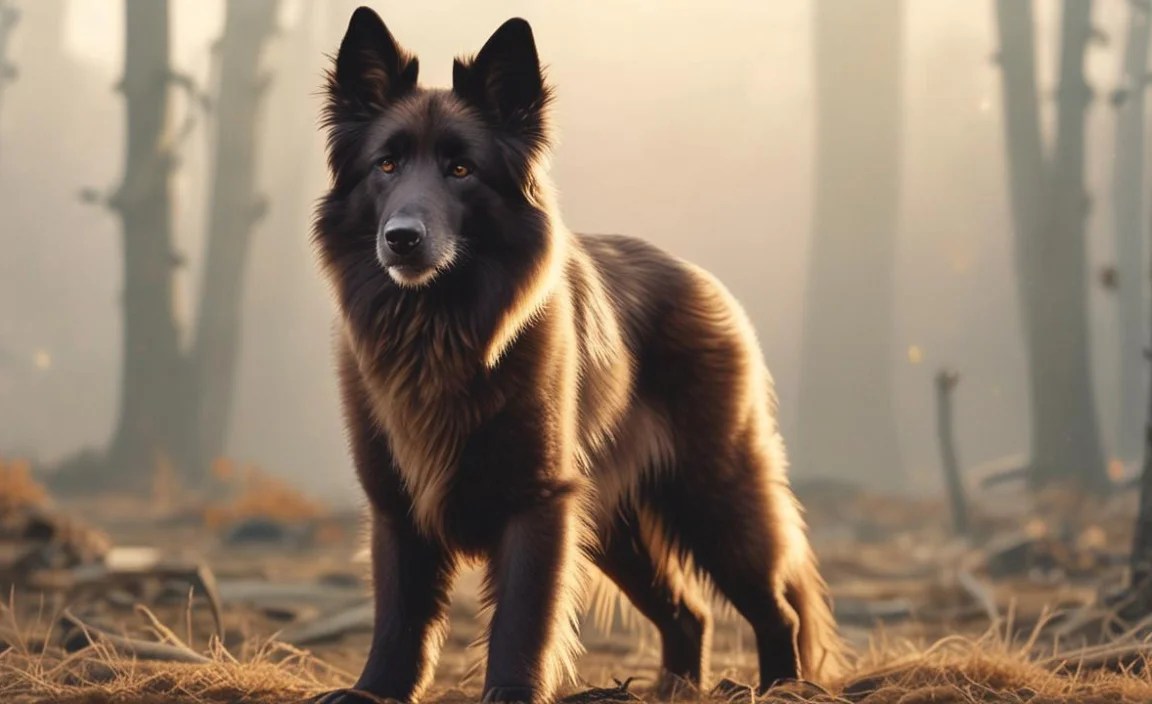
The late 19th and early 20th centuries were crucial for the standardization and recognition of the Belgian Laekenois as a distinct breed. Despite facing challenges, dedicated breeders worked to preserve and promote the unique characteristics of this rough-coated shepherd.
The Belgian Shepherd Club
The Club du Chien de Berger Belge (Belgian Shepherd Dog Club) was founded in 1891. This club played a crucial role in defining and promoting the four Belgian Shepherd varieties. Early members of the club worked to establish breed standards and organize dog shows to showcase the different types.
The club’s efforts helped to differentiate the Laekenois from the other Belgian Shepherds, emphasizing its unique coat and working abilities. This recognition was essential for the breed’s survival and development.
Early Breed Standards
The early breed standards for the Laekenois focused on its rough, tousled coat, its robust build, and its temperament. The coat was described as harsh and dry, providing protection against the elements. The dogs were expected to be intelligent, alert, and courageous—qualities essential for their roles as herders and guardians.
These standards helped breeders to maintain the breed’s distinctive characteristics and ensure its continued functionality. The emphasis on working ability meant that Laekenois dogs were always evaluated for their herding and guarding skills.
Near Extinction and Revival

The Belgian Laekenois faced significant challenges during the 20th century, particularly during the two World Wars. The breed’s population dwindled, and it came close to extinction. However, dedicated enthusiasts worked tirelessly to revive the breed.
Impact of World War I and II
Both World War I and World War II had devastating effects on dog breeds in Europe, and the Belgian Laekenois was no exception. The wars disrupted breeding programs, and many dogs were lost due to the conflict and its aftermath.
- Food Shortages: During wartime, food was scarce, making it difficult to feed and care for dogs.
- Disrupted Breeding: Breeding programs were interrupted, leading to a decline in the number of Laekenois.
- Military Use: Some Laekenois were used for military purposes, and many did not survive.
Dedicated Breeders
Despite the challenges, a few dedicated breeders recognized the importance of preserving the Laekenois. They worked to locate surviving dogs and rebuild the breed’s population. These breeders often faced immense difficulties but remained committed to their cause.
Their efforts involved:
- Locating Surviving Dogs: Searching for Laekenois dogs in rural areas and farms.
- Careful Breeding: Meticulously planning breeding programs to maintain genetic diversity and breed characteristics.
- Promoting the Breed: Raising awareness about the Laekenois and its unique qualities.
Post-War Recovery
After the wars, the recovery of the Laekenois was slow but steady. Breeders focused on maintaining the breed’s health, temperament, and working ability. They also worked to promote the Laekenois to a wider audience, highlighting its versatility and loyalty.
The breed’s recovery was a testament to the dedication and perseverance of these breeders. Their efforts ensured that the Belgian Laekenois would continue to exist as a distinct and valuable breed.
Modern Belgian Laekenois

Today, the Belgian Laekenois is still a relatively rare breed, but it has a dedicated following around the world. They are known for their intelligence, loyalty, and versatility, making them excellent companions for active families.
Breed Characteristics
The modern Laekenois retains many of the characteristics that made it valuable in the past. They are intelligent, alert, and eager to please, making them highly trainable. Their rough coat provides excellent protection against the elements, and they have a robust build that allows them to excel in various activities.
| Characteristic | Description |
|---|---|
| Coat | Rough, dry, and tousled |
| Temperament | Intelligent, loyal, and protective |
| Size | Medium to large |
| Activity Level | High |
Working Roles and Activities
While the Laekenois is still used as a herding dog in some parts of the world, they are also popular in other working roles and activities. Their intelligence and trainability make them well-suited for tasks such as:
- Search and Rescue: Their keen sense of smell and determination make them excellent search and rescue dogs.
- Agility: They excel in agility competitions, showcasing their athleticism and trainability.
- Obedience: Laekenois are highly trainable and can perform well in obedience trials.
- Protection Work: Their protective instincts make them reliable protection dogs.
The Laekenois as a Companion
In addition to their working abilities, the Belgian Laekenois also makes a wonderful companion for the right family. They are loyal and affectionate, forming strong bonds with their owners. However, they require experienced handling and plenty of exercise to thrive.
Potential owners should be aware that the Laekenois is not a breed for everyone. They need:
- Experienced Handlers: Laekenois require consistent training and clear leadership.
- Plenty of Exercise: They need a significant amount of physical activity to stay happy and healthy.
- Mental Stimulation: Laekenois are intelligent and need mental challenges to prevent boredom.
Caring for a Belgian Laekenois

Proper care is essential for ensuring the health and well-being of a Belgian Laekenois. This includes attention to their grooming needs, exercise requirements, and potential health issues.
Grooming Needs
The Laekenois has a unique rough coat that requires regular grooming to prevent matting and tangles. While they don’t shed excessively, regular brushing is necessary to keep their coat in good condition.
- Brushing: Brush the coat several times a week to remove loose hair and prevent mats.
- Bathing: Bathe only when necessary, as frequent bathing can strip the coat of its natural oils.
- Trimming: Trim the hair around the paws and ears to keep them clean and prevent infections.
Exercise Requirements
Belgian Laekenois are high-energy dogs that require a significant amount of exercise to stay happy and healthy. They need daily walks, runs, and opportunities to engage in activities that challenge them both physically and mentally.
Examples of suitable exercise include:
- Daily Walks or Runs: At least one to two hours of exercise per day.
- Agility Training: A great way to provide both physical and mental stimulation.
- Herding Activities: If possible, engage in herding activities to tap into their natural instincts.
- Interactive Games: Play fetch, Frisbee, or other games that involve running and retrieving.
Potential Health Issues
Like all breeds, the Belgian Laekenois is prone to certain health issues. Responsible breeders screen their dogs for these conditions to minimize the risk of passing them on to future generations. According to the Orthopedic Foundation for Animals, common health concerns include:
- Hip and Elbow Dysplasia: These are common orthopedic conditions that can cause pain and lameness.
- Eye Disorders: Progressive retinal atrophy (PRA) and cataracts can affect vision.
- Thyroid Issues: Hypothyroidism can lead to various health problems if left untreated.
Regular veterinary check-ups and a healthy diet are essential for maintaining the health of a Laekenois. Owners should also be aware of the signs of these potential health issues and seek veterinary care if they notice any problems.
Training and Socialization
Training and socialization are crucial for the development of a well-behaved and well-adjusted Belgian Laekenois. Early socialization helps them become comfortable around new people, animals, and environments, while consistent training provides them with the structure and guidance they need.
Early Socialization
Expose your Laekenois puppy to a wide variety of experiences during their critical socialization period (up to 16 weeks of age). This includes introducing them to different sights, sounds, people, and animals.
Tips for early socialization:
- Puppy Classes: Enroll in puppy classes to provide socialization opportunities and basic training.
- Exposure to Different Environments: Take your puppy to parks, stores, and other public places.
- Interaction with Other Animals: Supervise interactions with other dogs and cats to ensure positive experiences.
- Positive Reinforcement: Use treats and praise to reward good behavior during socialization.
Basic Obedience Training
Start basic obedience training as soon as you bring your Laekenois puppy home. Consistent training will help them learn important commands and establish a strong bond with you.
Key commands to teach:
- Sit: Teach your puppy to sit on command.
- Stay: Train your puppy to stay in a specific position.
- Come: Teach your puppy to come when called.
- Down: Train your puppy to lie down on command.
- Leave It: Teach your puppy to leave objects alone when asked.
Advanced Training
Once your Laekenois has mastered basic obedience, consider pursuing advanced training in areas such as agility, herding, or protection work. These activities can provide mental and physical stimulation and strengthen your bond with your dog.
Options for advanced training:
- Agility Training: Enroll in agility classes to teach your dog to navigate obstacles.
- Herding Training: Participate in herding activities to tap into their natural instincts.
- Protection Work: Train your dog in protection work under the guidance of a qualified instructor.
The Belgian Laekenois Today
Today, the Belgian Laekenois remains a rare but cherished breed. Its unique history and characteristics continue to captivate dog enthusiasts around the world. While not as well-known as some other breeds, the Laekenois has a dedicated following of owners who appreciate its intelligence, loyalty, and versatility.
Breed Clubs and Organizations
Several breed clubs and organizations are dedicated to promoting and preserving the Belgian Laekenois. These groups provide resources for owners, breeders, and enthusiasts, and they work to ensure the breed’s continued health and well-being.
Examples of breed clubs and organizations:
- American Belgian Laekenois Association (ABLA): The ABLA is the official breed club for the Laekenois in the United States.
- Belgian Shepherd Dog Club of America (BSDCA): The BSDCA includes all four Belgian Shepherd varieties.
- Fédération Cynologique Internationale (FCI): The FCI recognizes the Belgian Laekenois as a distinct breed.
Finding a Reputable Breeder
If you are interested in acquiring a Belgian Laekenois, it is essential to find a reputable breeder who prioritizes the health and temperament of their dogs. Responsible breeders will screen their dogs for genetic health issues and provide proper care and socialization for their puppies.
Tips for finding a reputable breeder:
- Ask for Health Clearances: Ensure that the breeder provides health clearances for the parents of the puppies.
- Visit the Breeder’s Facility: Inspect the breeder’s facility to ensure that it is clean and well-maintained.
- Meet the Parents: Meet the parents of the puppies to assess their temperament and health.
- Ask Questions: Ask the breeder questions about their breeding practices and the breed’s history.
The Future of the Breed
The future of the Belgian Laekenois depends on the continued efforts of dedicated breeders and enthusiasts who are committed to preserving its unique qualities. By promoting responsible breeding practices, providing proper care and training, and raising awareness about the breed, we can ensure that the Laekenois continues to thrive for generations to come.
FAQ About the History of the Belgian Laekenois
Here are some frequently asked questions about the history of the Belgian Laekenois:
What is a Belgian Laekenois?
The Belgian Laekenois is a herding dog breed from Belgium, known for its rough coat and intelligence. They were originally used to guard livestock and farms.
Where did the Belgian Laekenois originate?
The breed originated in the Laeken area of Belgium, hence its name. They are one of the four Belgian Shepherd varieties.
What were Belgian Laekenois dogs originally bred for?
They were bred primarily for herding sheep and cattle, as well as guarding property. Their hardy nature made them excellent farm dogs.
How did Professor Reul contribute to the breed?
Professor Adolphe Reul standardized the Belgian Shepherd breeds, including the Laekenois, by establishing breed standards and promoting their unique characteristics.
Did the Belgian Laekenois face extinction?
Yes, the breed almost disappeared due to the World Wars. Dedicated breeders worked to revive the breed by locating surviving dogs and carefully rebuilding their population.
What are some characteristics of the modern Belgian Laekenois?
Modern Laekenois dogs are intelligent, loyal, and versatile. They excel in various working roles such as search and rescue, agility, and obedience. They also make excellent companions for active families.
What kind of care does a Belgian Laekenois need?
They require regular grooming, plenty of exercise, and consistent training. Early socialization and mental stimulation are also important for their well-being.
The history of the Belgian Laekenois is a testament to the resilience of a breed and the dedication of those who worked to preserve it. From their origins as herding dogs in the Belgian countryside to their near-extinction and subsequent revival, the Laekenois has proven its adaptability and value. Today, these intelligent and loyal dogs continue to thrive as working animals and beloved companions, carrying with them a rich history and a promising future.


