
Early Disease Detection Tips for British Shorthairs: Smart Guide

**Quick Summary:** Regular observation is key to early disease detection in British Shorthairs. Watch for changes in appetite, weight, litter box habits, energy levels, and grooming habits. Check their eyes, ears, and mouth regularly for any abnormalities. Schedule annual vet visits for thorough check-ups and discuss any concerns promptly. Early detection leads to quicker treatment and a better quality of life for your beloved British Shorthair.
Is your British Shorthair acting a little… off? As a devoted owner, you’re probably the first to notice subtle changes in your cat’s behavior or appearance. Spotting health issues early can make a huge difference in their treatment and recovery. But how do you know what to look for? It can be worrying when you think something might be wrong. The good news is that with a little knowledge and careful observation, you can become your British Shorthair’s best health advocate.
This guide will walk you through the key signs of potential health problems in British Shorthairs, offering practical tips for early detection. I’ll show you how to monitor your cat’s vital signs, recognize subtle changes in their behavior, and work closely with your vet to ensure they live a long, happy, and healthy life. Let’s get started!
Why Early Disease Detection Matters for British Shorthairs

British Shorthairs are generally a healthy breed, but like all cats, they can be prone to certain health issues. Early detection is crucial for effective treatment and management. Here’s why:
- Improved Treatment Outcomes: Many diseases are easier to treat in their early stages. Early intervention can slow progression and improve your cat’s quality of life.
- Reduced Veterinary Costs: Addressing health issues early can often prevent them from becoming more severe and requiring expensive treatments.
- Enhanced Quality of Life: Early detection and treatment can minimize discomfort and pain, allowing your British Shorthair to live a happier, more comfortable life.
- Increased Lifespan: By catching and managing diseases early, you can potentially extend your cat’s lifespan.
Key Areas to Monitor for Early Disease Detection

Regularly monitoring your British Shorthair’s overall health is essential for early disease detection. Pay close attention to these key areas:
1. Appetite and Weight Changes
Significant changes in appetite or weight can be early indicators of underlying health issues. Keep a close eye on your cat’s eating habits and body condition.
- Loss of Appetite: If your cat suddenly loses interest in food, it could be a sign of dental problems, digestive issues, or other illnesses. A cat not eating for 24 hours warrants a vet visit (Cornell Feline Health Center).
- Increased Appetite: An unexplained increase in appetite, especially if accompanied by weight loss, can be a sign of diabetes or hyperthyroidism.
- Weight Loss: Unintentional weight loss is always a cause for concern and can indicate various health problems, including kidney disease, cancer, or parasites.
- Weight Gain: While British Shorthairs are naturally stocky, excessive weight gain can lead to obesity and related health issues like diabetes and arthritis.
How to Monitor:
- Weigh your cat regularly (once a month) and record the weight.
- Monitor their food intake and note any changes in appetite.
- Feel their ribs – you should be able to feel them easily without pressing hard. If you can’t feel them, your cat may be overweight.
2. Litter Box Habits
Changes in litter box habits can indicate urinary tract infections, kidney problems, or other health issues. Pay attention to the frequency, consistency, and ease of urination and defecation.
- Increased Urination (Polyuria): Could indicate kidney disease, diabetes, or hyperthyroidism.
- Decreased Urination (Oliguria) or Straining: May signal a urinary tract infection, bladder stones, or a blockage. This is an emergency, especially in male cats!
- Blood in Urine (Hematuria): Can be a sign of a urinary tract infection, bladder stones, or other urinary tract problems.
- Diarrhea: May be caused by dietary changes, infections, parasites, or inflammatory bowel disease.
- Constipation: Can be a sign of dehydration, lack of fiber, or underlying health issues.
- Changes in Stool Consistency or Color: Note any unusual changes in your cat’s stool, such as black, tarry stools (melena), which can indicate digested blood.
How to Monitor:
- Clean the litter box daily to monitor urine and stool output.
- Note any changes in the frequency, amount, or consistency of urine and stool.
- Observe your cat’s behavior while using the litter box – straining, vocalizing, or spending excessive time in the box can indicate a problem.
3. Energy Levels and Behavior
Changes in your cat’s energy levels and behavior can be subtle but important indicators of their overall health. Note any deviations from their normal routine.
- Lethargy: A decrease in energy levels or a reluctance to play can be a sign of illness, pain, or depression.
- Hiding: Cats often hide when they are not feeling well. If your cat suddenly starts hiding more than usual, it could be a sign of a health problem.
- Increased Vocalization: Excessive meowing, especially at night, can indicate pain, anxiety, or cognitive dysfunction (dementia) in older cats.
- Aggression: Sudden aggression can be a sign of pain or illness.
- Changes in Sleep Patterns: Sleeping more or less than usual can be a sign of a health issue.
How to Monitor:
- Observe your cat’s daily routine and note any changes in their activity levels.
- Pay attention to their interactions with you and other pets in the household.
- Note any changes in their vocalizations or behavior.
4. Grooming Habits
British Shorthairs are typically meticulous groomers. Changes in their grooming habits can indicate health problems.
- Decreased Grooming: A lack of grooming can be a sign of illness, pain, or depression. Matted fur, especially along the back or hindquarters, is a common sign.
- Excessive Grooming: Overgrooming can be a sign of allergies, skin irritation, or anxiety. It can lead to hair loss and skin lesions.
How to Monitor:
- Check your cat’s coat regularly for mats, bald spots, or skin lesions.
- Observe their grooming habits and note any changes in frequency or intensity.
- Help your cat with grooming, especially if they are older or have difficulty reaching certain areas.
5. Physical Examination: Eyes, Ears, and Mouth
Regularly examine your British Shorthair’s eyes, ears, and mouth for any signs of abnormalities. These areas can provide valuable clues about their overall health.
Eyes:
- Discharge: Excessive tearing or discharge can indicate an eye infection, allergy, or other eye problem.
- Redness: Redness of the eyes can be a sign of inflammation or infection.
- Cloudiness: Cloudiness of the lens can indicate cataracts, especially in older cats.
- Pupil Size: Unequal pupil sizes (anisocoria) can be a sign of neurological problems or eye disease.
- Third Eyelid Protrusion: A visible third eyelid can indicate illness, dehydration, or Horner’s syndrome.
Ears:
- Discharge: Ear discharge can be a sign of an ear infection or ear mites.
- Redness or Swelling: Redness or swelling of the ear canal can indicate inflammation or infection.
- Head Shaking or Scratching: Excessive head shaking or scratching at the ears can be a sign of ear mites or an ear infection.
- Odor: A foul odor from the ears can indicate an infection.
Mouth:
- Bad Breath (Halitosis): Can be a sign of dental disease, kidney disease, or diabetes.
- Red or Swollen Gums (Gingivitis): Indicates inflammation of the gums, often due to dental disease.
- Tartar Buildup: Yellow or brown buildup on the teeth is a sign of tartar, which can lead to dental disease.
- Difficulty Eating: Difficulty chewing or swallowing can be a sign of dental problems, oral tumors, or other oral health issues.
- Drooling: Excessive drooling can be a sign of dental disease, nausea, or exposure to toxins.
How to Monitor:
- Examine your cat’s eyes, ears, and mouth at least once a week.
- Use a clean, damp cloth to gently wipe away any discharge from the eyes or ears.
- Brush your cat’s teeth regularly to prevent dental disease.
- Provide dental chews or toys to help keep their teeth clean.
6. Breathing and Coughing
Changes in breathing patterns or the presence of a cough can indicate respiratory problems or heart disease.
- Increased Respiratory Rate: A rapid breathing rate can be a sign of heart failure, lung disease, or other respiratory problems.
- Difficulty Breathing (Dyspnea): Labored breathing, wheezing, or open-mouth breathing are signs of respiratory distress and require immediate veterinary attention.
- Coughing: Coughing can be a sign of asthma, bronchitis, heartworm disease, or other respiratory problems.
- Sneezing: Occasional sneezing is normal, but frequent sneezing can be a sign of an upper respiratory infection.
How to Monitor:
- Observe your cat’s breathing patterns at rest and during activity.
- Count their respiratory rate (breaths per minute) while they are resting. Normal resting respiratory rate for a cat is 16-40 breaths per minute.
- Note any coughing, sneezing, or other respiratory symptoms.
7. Skin and Coat Changes
Changes in your cat’s skin and coat can indicate allergies, infections, or other skin problems.
- Hair Loss (Alopecia): Can be caused by allergies, fleas, ringworm, stress, or overgrooming.
- Skin Lesions: Redness, bumps, scabs, or ulcers on the skin can be a sign of allergies, infections, or skin cancer.
- Itching: Excessive scratching, licking, or biting can be a sign of allergies, fleas, or other skin irritations.
- Dandruff: Excessive dandruff can be a sign of dry skin, allergies, or seborrhea.
- Changes in Coat Texture: A dry, brittle coat can be a sign of dehydration, malnutrition, or underlying health issues.
How to Monitor:
- Examine your cat’s skin and coat regularly for any abnormalities.
- Brush your cat regularly to help remove loose hair and prevent matting.
- Use a flea comb to check for fleas and flea dirt.
Common Health Issues in British Shorthairs

While British Shorthairs are generally healthy, they are prone to certain health conditions. Being aware of these potential issues can help you detect them early.
| Condition | Description | Early Detection Tips |
|---|---|---|
| Hypertrophic Cardiomyopathy (HCM) | A common heart condition that causes thickening of the heart muscle. | Annual vet check-ups, listen for heart murmurs, watch for breathing difficulties or lethargy. |
| Polycystic Kidney Disease (PKD) | A genetic disease that causes cysts to form on the kidneys, leading to kidney failure. | Genetic testing, ultrasound screening, monitor for increased thirst and urination. |
| Hip Dysplasia | A condition in which the hip joint does not develop properly, leading to arthritis and pain. | Watch for lameness, stiffness, or reluctance to jump. |
| Obesity | Excessive accumulation of body fat, leading to various health problems. | Monitor weight and body condition, adjust food intake, encourage exercise. |
| Dental Disease | Inflammation and infection of the gums and teeth, leading to pain and tooth loss. | Regular dental check-ups, teeth brushing, dental chews. |
Working with Your Veterinarian

Regular veterinary check-ups are essential for early disease detection and preventative care. Here’s how to work effectively with your veterinarian:
- Annual Check-ups: Schedule annual check-ups for your British Shorthair, even if they seem healthy. These check-ups allow your veterinarian to perform a thorough physical examination and screen for potential health problems.
- Vaccinations and Parasite Control: Keep your cat up-to-date on vaccinations and parasite control to prevent common diseases. The RSPCA provides guidance on core vaccinations.
- Discuss Concerns: Don’t hesitate to discuss any concerns you have about your cat’s health with your veterinarian. They can provide valuable insights and guidance.
- Diagnostic Testing: Be prepared to undergo diagnostic testing, such as blood tests, urine tests, or imaging, if recommended by your veterinarian. These tests can help diagnose underlying health problems.
- Follow Treatment Plans: If your cat is diagnosed with a health condition, follow your veterinarian’s treatment plan carefully. This may involve medication, diet changes, or other therapies.
Creating a Health Journal

Keeping a health journal for your British Shorthair can help you track important information and identify potential health problems early. Include the following information in your journal:
- Weight: Record your cat’s weight at least once a month.
- Food Intake: Note the type and amount of food your cat eats each day.
- Litter Box Habits: Track the frequency and consistency of urination and defecation.
- Medications: List any medications your cat is taking, including the dosage and frequency.
- Vaccinations and Vet Visits: Record the dates of vaccinations and vet visits.
- Observations: Note any changes in your cat’s behavior, appetite, or physical condition.
A health journal can be as simple as a notebook or a digital document on your computer or smartphone. The key is to keep it up-to-date and bring it with you to vet appointments.
Practical Tips for Detecting Early Signs
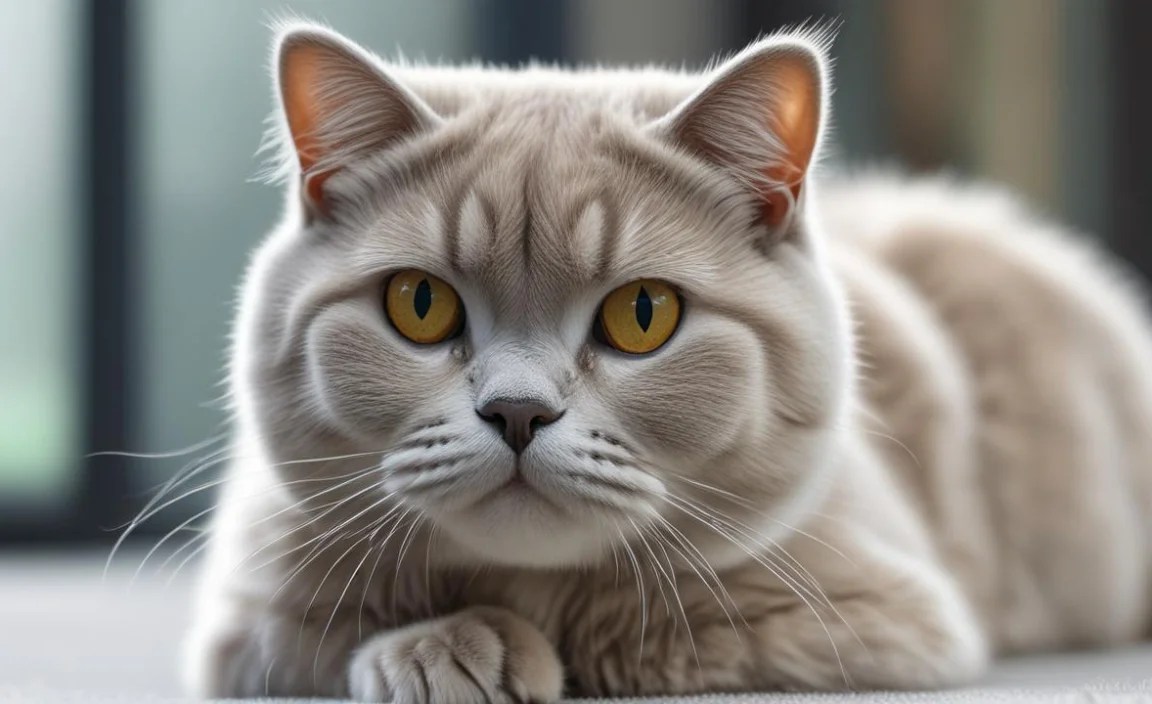
Here are some practical tips to integrate into your daily routine to help detect early signs of disease:
- Daily Observation: Take a few minutes each day to observe your cat’s behavior, appearance, and habits.
- Regular Handling: Handle your cat regularly to check for lumps, bumps, or other abnormalities.
- Playtime: Engage in regular playtime to assess your cat’s energy levels and coordination.
- Grooming Sessions: Use grooming sessions as an opportunity to examine your cat’s skin and coat.
- Litter Box Monitoring: Clean the litter box daily and monitor urine and stool output.
- Weight Checks: Weigh your cat monthly to track any changes in weight.
FAQ: Early Disease Detection in British Shorthairs
Here are some frequently asked questions about early disease detection in British Shorthairs:
- Q: How often should I take my British Shorthair to the vet?
- A: You should take your British Shorthair to the vet for an annual check-up, even if they seem healthy. Senior cats (over 10 years old) may benefit from bi-annual check-ups.
- Q: What are the most common health problems in British Shorthairs?
- A: Common health problems in British Shorthairs include hypertrophic cardiomyopathy (HCM), polycystic kidney disease (PKD), hip dysplasia, obesity, and dental disease.
- Q: How can I tell if my cat is in pain?
- A: Signs of pain in cats can be subtle but may include hiding, decreased appetite, changes in grooming habits, increased vocalization, or aggression.
- Q: What should I do if I notice a lump on my cat?
- A: If you notice a lump on your cat, you should have it checked by your veterinarian as soon as possible. Lumps can be benign or malignant, and early detection is crucial.
- Q: Is it normal for older cats to lose weight?
- A: Weight loss in older cats is not always normal and can be a sign of underlying health issues, such as kidney disease, hyperthyroidism, or cancer. Consult with your veterinarian if your older cat is losing weight.
- Q: How can I prevent dental disease in my British Shorthair?
- A: You can prevent dental disease by brushing your cat’s teeth regularly, providing dental chews or toys, and scheduling professional dental cleanings with your veterinarian.
- Q: What are the signs of a urinary tract infection (UTI) in cats?
- A: Signs of a UTI in cats include increased urination, straining to urinate, blood in the urine, and vocalizing while urinating.
Conclusion
Early disease detection is vital for ensuring the long-term health and well-being of your British Shorthair. By being observant, proactive, and working closely with your veterinarian, you can catch potential health problems early and provide your feline companion with the best possible care. Remember, you are your cat’s advocate, and your vigilance can make a world of difference in their quality of life. So, keep a watchful eye, trust your instincts, and enjoy many happy, healthy years with your beloved British Shorthair.


