British Shorthair Cat Activity Tracker Ideas: Ultimate Guide
Quick Summary: Keeping your British Shorthair active is key to their health! Use toys like laser pointers, puzzle feeders, and climbing trees to encourage movement. Consider a cat wheel for indoor exercise. Monitor activity with smart collars or by simply observing playtime. Aim for at least 15-20 minutes of active play each day to prevent boredom and weight gain.
Is your British Shorthair spending more time napping than playing? These adorable cats are known for their laid-back personalities, but they still need regular exercise to stay healthy and happy. It can be tough to tell if they’re getting enough activity, especially if you’re at work all day. The good news is there are many fun and creative ways to track and boost your British Shorthair’s activity levels. Let’s explore some simple activity tracker ideas to keep your furry friend in tip-top shape!
Why Track Your British Shorthair’s Activity?
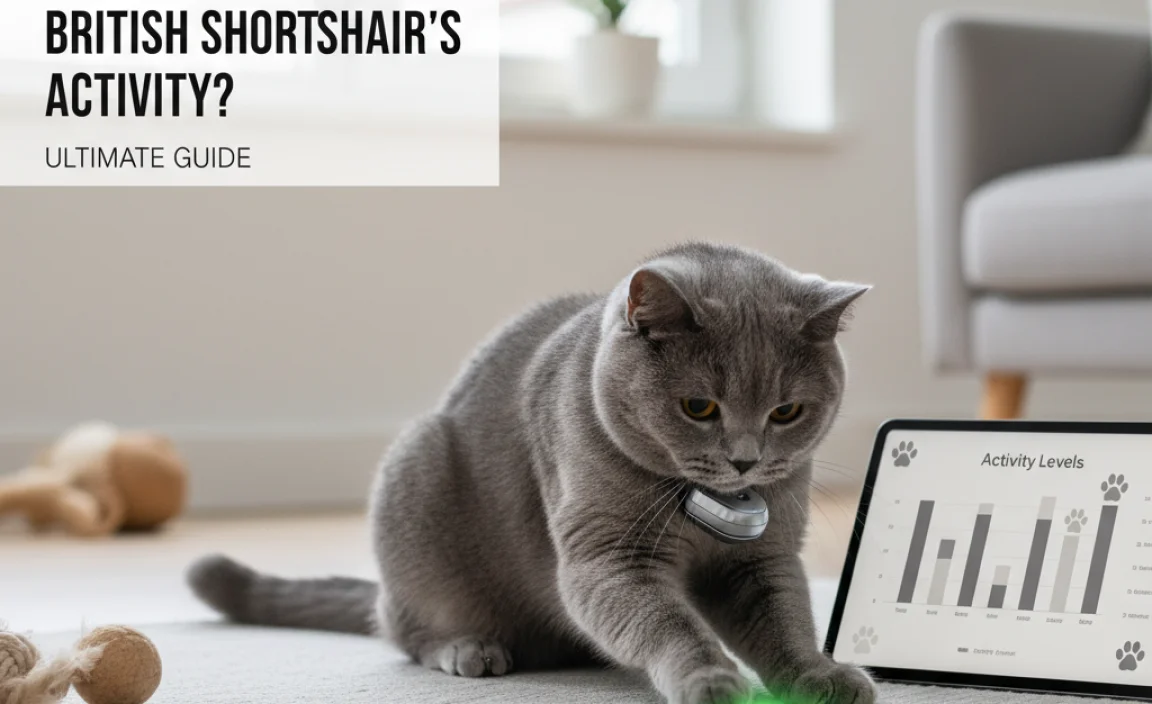
As a breed, British Shorthairs are prone to weight gain if they don’t get enough exercise. According to the Purina website, regular activity is crucial for maintaining a healthy weight and preventing obesity-related health problems. But it’s not just about weight! Tracking your cat’s activity can also help you:
- Identify potential health issues early.
- Prevent boredom and destructive behaviors.
- Strengthen the bond between you and your cat.
- Ensure they’re getting enough mental stimulation.
Simple Ways to Track Activity
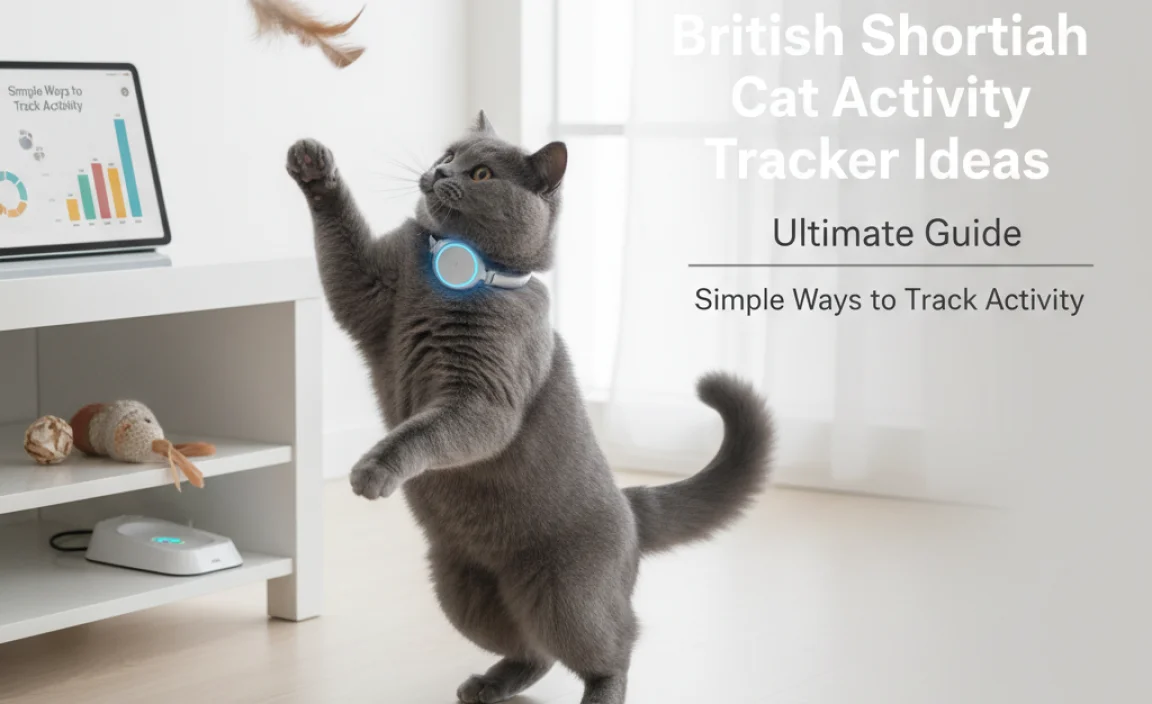
You don’t need fancy gadgets to monitor your British Shorthair’s activity. Here are a few low-tech options:
- Observe Playtime: Pay attention to how long and how often your cat plays each day.
- Check Sleeping Spots: Notice where they spend most of their time resting. A cat that only sleeps in one spot may not be exploring enough.
- Monitor Food Intake: Keep an eye on how much they eat to prevent overeating due to inactivity.
High-Tech Activity Trackers
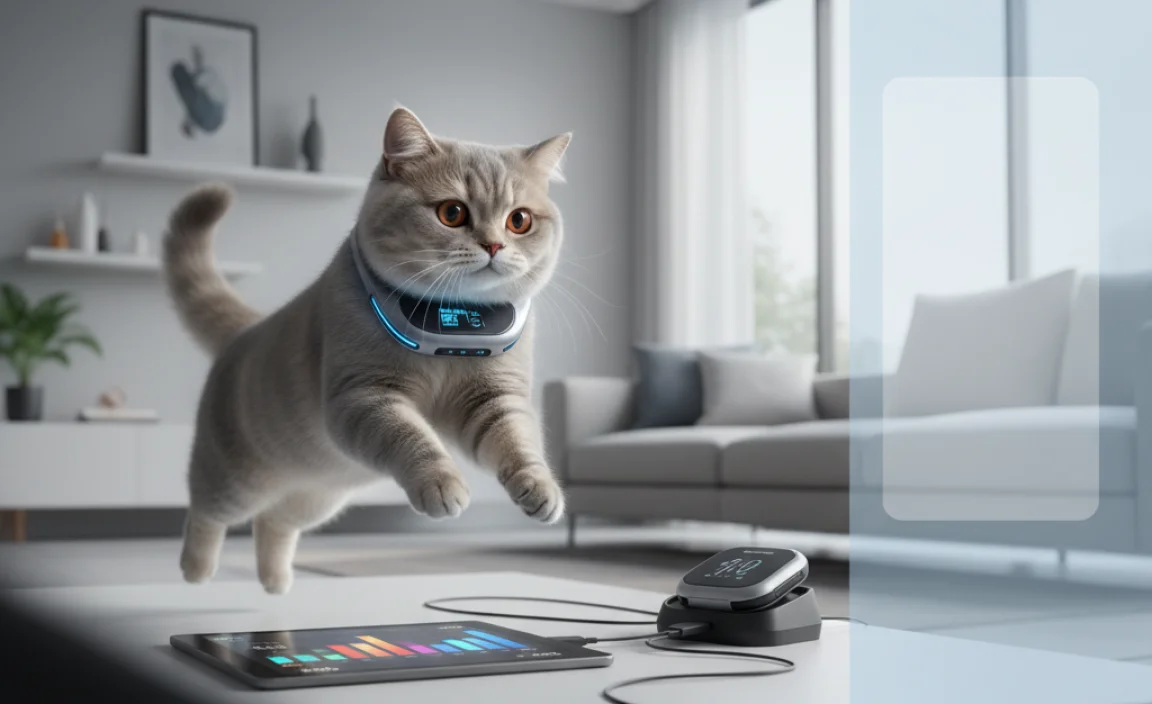
For more detailed insights, consider these tech-savvy options:
- Smart Collars: These collars track your cat’s movements, sleeping patterns, and even calorie burn.
- GPS Trackers: These are useful if your cat goes outdoors, allowing you to monitor their location and activity levels.
- Pet Cameras: Some pet cameras have activity detection features, alerting you when your cat is moving around.
Activity Tracker Ideas for British Shorthairs
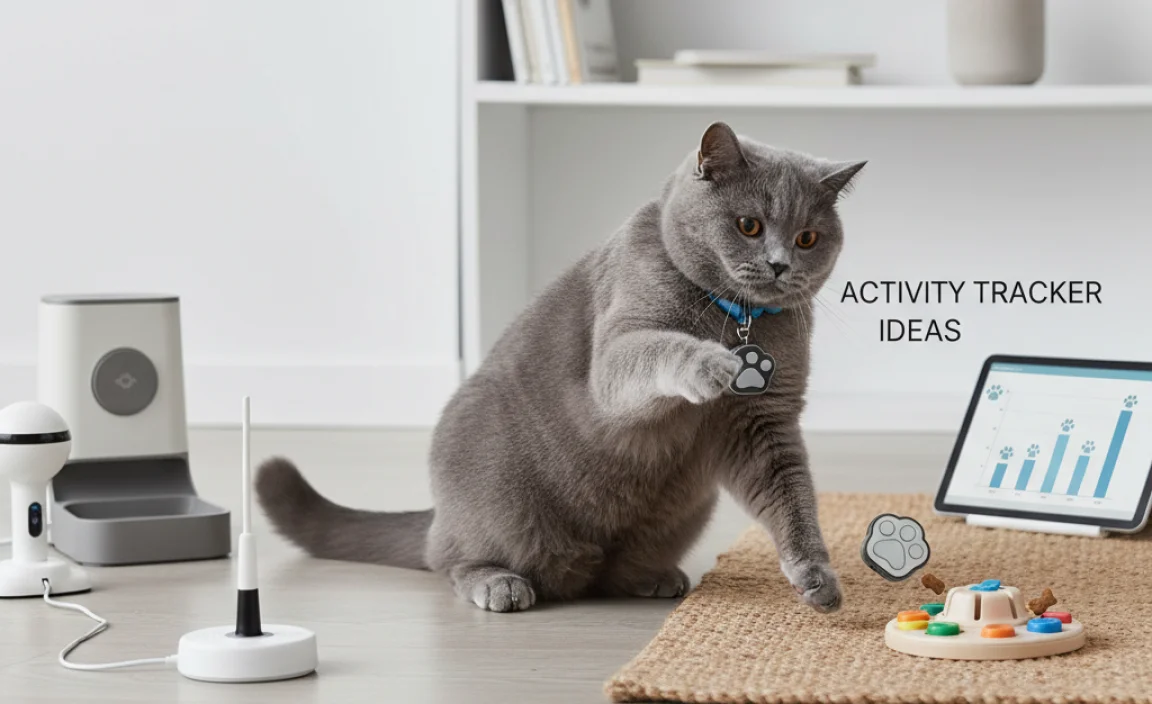
Now that you know why and how to track activity, let’s dive into some fun ways to get your British Shorthair moving!
1. Interactive Toys
Interactive toys are a great way to engage your cat’s natural hunting instincts.
- Laser Pointers: Cats love chasing the red dot! Just be sure to end the game by “catching” the laser with a physical toy to avoid frustration.
- Feather Wands: These mimic the movement of prey, encouraging your cat to pounce and jump.
- Puzzle Feeders: These toys dispense food as your cat plays with them, turning mealtime into a fun activity.
2. Climbing Structures
British Shorthairs enjoy climbing and exploring vertical spaces. Climbing structures provide a safe and stimulating outlet for this behavior.
- Cat Trees: Choose a cat tree with multiple levels and scratching posts.
- Shelves: Install shelves on your walls to create a cat-friendly climbing course.
- Window Perches: Cats love watching the world go by! A window perch gives them a comfortable spot to observe their surroundings.
3. Cat Wheel
A cat wheel is like a hamster wheel for cats! It provides a great way for indoor cats to burn energy and get exercise.
- Benefits:
- Provides a consistent form of exercise.
- Helps prevent boredom and weight gain.
- Can be used in any weather.
- Considerations:
- Can be expensive.
- Requires space.
- Some cats may not use it.
4. Playtime with You
Don’t underestimate the power of playtime with you! British Shorthairs enjoy interacting with their owners, and playtime is a great way to strengthen your bond.
- Scheduled Play Sessions: Set aside 15-20 minutes each day for active play.
- Variety is Key: Rotate toys to keep your cat interested.
- Reward with Treats: Positive reinforcement encourages your cat to play.
5. Environmental Enrichment
Creating a stimulating environment can encourage your cat to be more active.
- Rotate Toys: Keep things interesting by rotating your cat’s toys regularly.
- Create Hiding Spots: Cats love to hide and ambush their “prey.” Provide boxes, tunnels, and other hiding places.
- Bring the Outdoors In: Place a bird feeder outside a window to provide visual stimulation.
Choosing the Right Activity Tracker
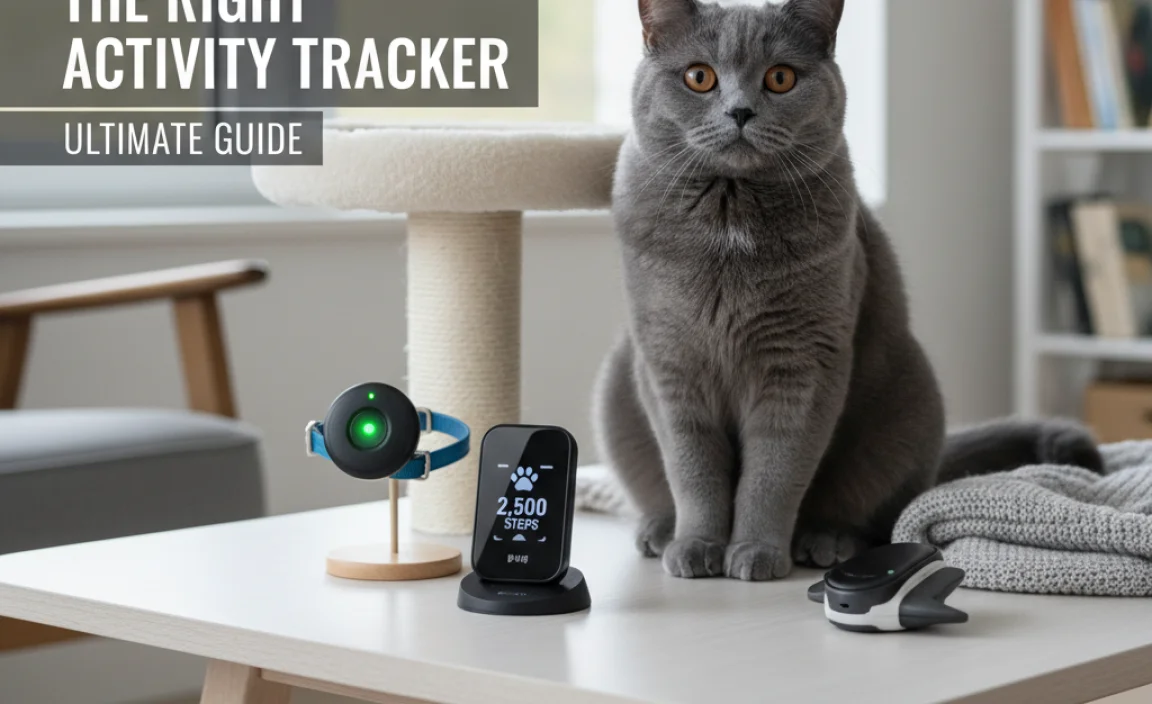
With so many options available, how do you choose the right activity tracker for your British Shorthair? Here’s a comparison table to help you decide:
| Tracker Type | Pros | Cons | Best For |
|---|---|---|---|
| Observation | Free, Easy, No equipment needed | Subjective, Not precise | Owners who are home often and want a basic idea of activity levels |
| Smart Collar | Detailed data, Tracks multiple metrics | Can be expensive, Requires charging | Owners who want detailed insights into their cat’s activity |
| GPS Tracker | Tracks location, Useful for outdoor cats | Can be bulky, Requires subscription | Owners who allow their cats outdoors |
| Pet Camera | Remote monitoring, Can interact with your cat | Limited activity tracking, Requires internet connection | Owners who want to check in on their cats while away |
Boosting Activity Levels: A Step-by-Step Guide
Ready to get your British Shorthair moving? Follow these steps:
- Assess Current Activity: Start by observing your cat’s current activity levels. How much do they play each day? Where do they spend most of their time?
- Set Realistic Goals: Don’t expect your cat to become a marathon runner overnight! Start with small goals and gradually increase activity levels.
- Introduce New Toys and Activities: Experiment with different toys and activities to see what your cat enjoys.
- Create a Routine: Schedule playtime at the same time each day to create a consistent routine.
- Monitor Progress: Use your chosen activity tracker to monitor your cat’s progress and adjust your approach as needed.
- Be Patient: It may take time for your cat to adjust to a new activity routine. Be patient and consistent, and eventually they’ll start to enjoy it.
Tips for Keeping Your British Shorthair Engaged
Here are some additional tips to keep your British Shorthair engaged and active:
- Provide a Variety of Toys: Rotate toys regularly to prevent boredom.
- Make Playtime Fun: Use a playful and enthusiastic tone to encourage your cat to participate.
- End Playtime on a High Note: Finish each play session with a reward, such as a treat or praise.
- Don’t Force It: If your cat isn’t in the mood to play, don’t force it. Try again later.
Diet and Activity: A Winning Combination
Remember, activity is just one piece of the puzzle. A healthy diet is also crucial for maintaining your British Shorthair’s weight and overall health. According to the RSPCA, a balanced diet is essential for a cat’s well-being. Here’s how to combine diet and activity for optimal health:
- Choose High-Quality Food: Select a food that is specifically formulated for cats and contains high-quality ingredients.
- Control Portion Sizes: Follow the feeding guidelines on the food packaging and adjust as needed to maintain a healthy weight.
- Avoid Overfeeding: Resist the urge to give your cat extra treats or table scraps.
- Consider a Weight Management Food: If your cat is overweight, talk to your veterinarian about switching to a weight management food.
Recognizing Signs of Overexertion
While it’s important to encourage activity, it’s also important to recognize the signs of overexertion. If your cat exhibits any of the following symptoms, stop the activity and let them rest:
- Excessive panting
- Lethargy
- Loss of coordination
- Vomiting
If these symptoms persist, contact your veterinarian.
British Shorthair Activity Needs by Age
A kitten’s energy needs will be very different than a senior cat’s. Here’s a general overview:
| Life Stage | Activity Level | Tips |
|---|---|---|
| Kitten (0-1 year) | High energy bursts, frequent play | Provide plenty of toys, short frequent play sessions, encourage climbing |
| Adult (1-7 years) | Moderate, daily play sessions | Scheduled playtimes, interactive toys, climbing structures |
| Senior (7+ years) | Lower, gentle activity | Shorter play sessions, softer toys, focus on mental stimulation (e.g., puzzle feeders) |
FAQ: British Shorthair Activity
What is the average activity level for a British Shorthair?
British Shorthairs are moderately active. They enjoy playing but also love to relax. Aim for at least 15-20 minutes of active play per day.
How can I tell if my British Shorthair is getting enough exercise?
Look for signs like a healthy weight, regular play sessions, and a balanced appetite. If your cat seems bored or is gaining weight, they may need more activity.
Are British Shorthairs lazy cats?
While they’re not as hyperactive as some breeds, British Shorthairs aren’t necessarily lazy. They have a laid-back personality but still need regular exercise.
What are the best toys for British Shorthairs?
Interactive toys like laser pointers, feather wands, and puzzle feeders are great choices. Climbing structures and cat wheels can also provide exercise.
How can I motivate my British Shorthair to play?
Try different toys and activities to see what your cat enjoys. Schedule playtime at the same time each day and reward them with treats or praise.
Is it okay for my British Shorthair to be an indoor cat?
Yes, British Shorthairs can thrive as indoor cats as long as they get enough exercise and mental stimulation. Provide plenty of toys, climbing structures, and playtime.
Can a smart collar help me understand my British Shorthair’s activity better?
Yes! Smart collars track your cat’s movements, sleeping patterns, and even calorie burn, providing valuable insights into their activity levels.
Conclusion
Tracking your British Shorthair’s activity doesn’t have to be complicated. By using a combination of observation, technology, and engaging activities, you can ensure your furry friend stays healthy, happy, and entertained. Remember to tailor your approach to your cat’s individual needs and preferences, and always consult with your veterinarian if you have any concerns. With a little effort and creativity, you can keep your British Shorthair active and thriving for years to come!