
Outdoor Litter Training for British Shorthairs: Easy Guide

Quick Summary:
Training your British Shorthair to use the outdoors as a litter box is possible! Start by acclimating your cat to a harness and leash. Supervise outdoor visits, especially after meals or naps. Use positive reinforcement and reward successes. Be patient, as it may take time for your cat to adjust. Ensure a safe, enclosed outdoor space to prevent escapes or dangers.
Bringing a British Shorthair into your home is like adding a fluffy, affectionate family member. These cats are known for their calm demeanor and beautiful coats. One common question new owners have is, “Can I train my British Shorthair to use the outdoors as a litter box?” It’s a natural idea, especially if you have a safe, enclosed garden.
While British Shorthairs are typically indoor cats, with patience and the right approach, you can train them to relieve themselves outside. This guide will walk you through the steps, offering practical tips and advice to make the process smooth for both you and your feline friend. Let’s get started and explore how to make outdoor litter training a success!
Why Consider Outdoor Litter Training?

There are several reasons why you might consider training your British Shorthair to use the outdoors as a litter box:
- Odor Reduction: Eliminating waste outdoors can significantly reduce odors inside your home.
- Less Mess: No more scooping litter boxes! This can save time and effort.
- Natural Behavior: Some cats prefer the feel of grass or soil under their paws.
- Environmental Benefits: Using biodegradable waste disposal methods outdoors can be more eco-friendly.
Is My British Shorthair a Good Candidate?

Not all cats are suited for outdoor litter training. Consider these factors:
- Age: Kittens are generally harder to train than adult cats.
- Temperament: Calm, confident cats adapt more easily.
- Health: Cats with mobility issues may struggle.
- Indoor/Outdoor Access: Cats already used to going outside might transition easier.
Essential Preparations
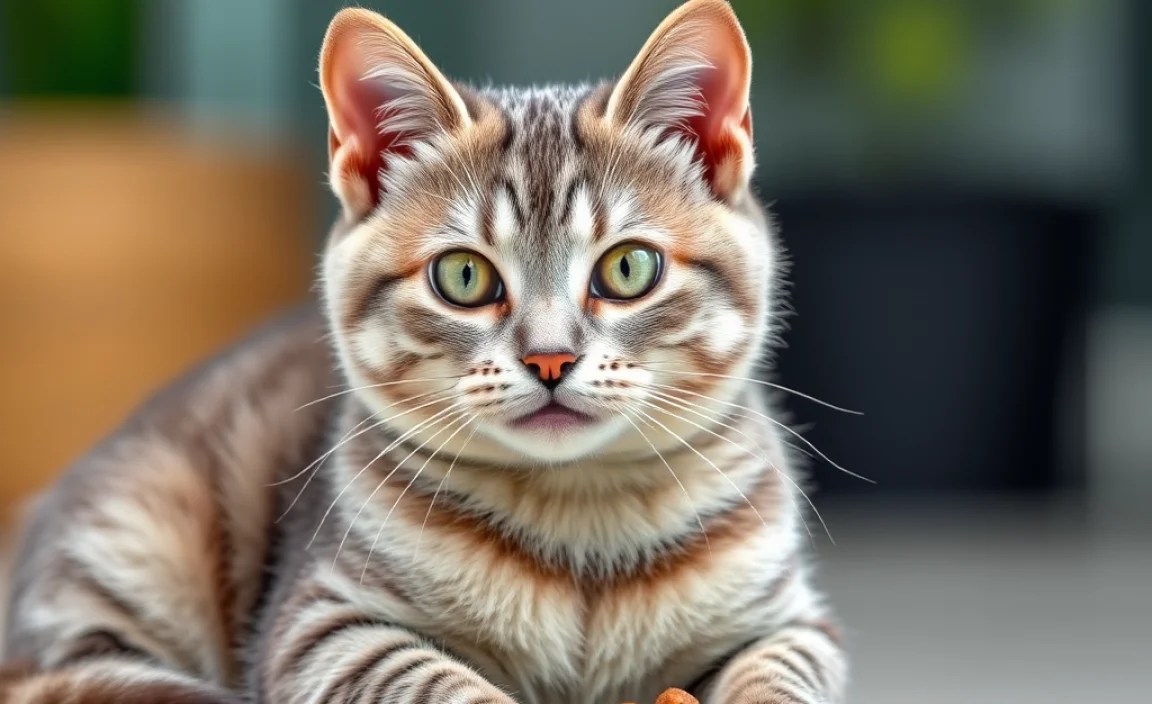
Before you begin, make sure you have everything you need:
- Harness and Leash: Choose a comfortable, well-fitting harness designed for cats. A lightweight leash is also essential.
- Designated Outdoor Area: Select a safe, enclosed area in your garden. This could be a fenced-in section or a cat-proof enclosure.
- Treats: High-value treats will be your best friend for positive reinforcement.
- Litter Box (Initially): Keep a litter box indoors during the training process.
- Cleaning Supplies: Be prepared for accidents with enzymatic cleaner.
Step-by-Step Guide to Outdoor Litter Training

Here’s a detailed guide to help you transition your British Shorthair to outdoor bathroom habits:
Step 1: Acclimatize to the Harness and Leash
Start by introducing the harness indoors. Let your cat sniff it and get used to its presence. Gradually increase the time your cat wears the harness.
- Day 1-3: Place the harness near your cat’s favorite spot. Offer treats when they show interest.
- Day 4-7: Briefly put the harness on your cat for a few minutes, gradually increasing the duration. Always reward with treats.
- Day 8+: Attach the leash and let your cat drag it around indoors. Supervise closely to prevent tangling.
Step 2: First Outdoor Explorations
Once your cat is comfortable with the harness and leash, begin short, supervised outdoor visits. Choose a quiet time when there are fewer distractions.
- Keep it Short: Start with 5-10 minute sessions.
- Stay Calm: Speak in a soothing voice to reassure your cat.
- Observe: Watch for signs of stress or fear. If your cat seems uncomfortable, bring them back inside.
Step 3: Introduce the Designated Area
Lead your cat to the designated outdoor area. Allow them to explore and sniff around. You can even sprinkle some used litter from their indoor box to familiarize the space.
- Familiar Scents: The scent of their own waste will encourage them to use the area.
- Positive Reinforcement: If your cat shows interest in the area, offer praise and treats.
Step 4: Timing is Key
Take your cat outside at times when they are most likely to need to eliminate:
- After Meals: Cats often need to go shortly after eating.
- After Naps: A trip outside after a nap can be effective.
- First Thing in the Morning: Start the day with an outdoor visit.
Step 5: The Waiting Game
When you take your cat outside, be patient. Stand quietly and wait for them to do their business. Avoid distractions like talking on your phone.
- Patience is Vital: It may take several minutes or even longer for your cat to feel comfortable enough to go.
- Consistent Routine: Stick to a regular schedule to help your cat adjust.
Step 6: Positive Reinforcement
The moment your cat eliminates in the designated area, offer enthusiastic praise and a high-value treat. This reinforces the desired behavior.
- Immediate Reward: The reward should be given immediately after they finish.
- Verbal Praise: Use a specific word or phrase, like “Good potty!” to associate with the action.
Step 7: Gradual Transition
As your cat becomes more consistent with outdoor elimination, you can gradually reduce the frequency of cleaning the indoor litter box. Eventually, you can remove it altogether.
- Monitor Progress: Watch for any signs of accidents indoors. If accidents occur, revert to an earlier stage of training.
- Maintain Cleanliness: Keep the outdoor area clean to encourage continued use.
Troubleshooting Common Issues

Even with the best efforts, you might encounter some challenges:
- Refusal to Go Outside: Some cats are simply resistant to going outside. Don’t force it; respect your cat’s boundaries.
- Accidents Indoors: Clean accidents thoroughly with an enzymatic cleaner to remove odors that might attract repeat offenses.
- Fear or Anxiety: If your cat seems scared, try desensitization techniques. Gradually expose them to outdoor stimuli.
Maintaining a Safe Outdoor Environment
Safety is paramount when training your cat to use the outdoors. Ensure these precautions:
- Secure Enclosure: A fenced-in garden or cat-proof enclosure is essential to prevent escapes and protect your cat from predators.
- Supervision: Always supervise your cat during outdoor visits, especially in the early stages of training.
- Hazard-Free Zone: Remove any toxic plants, chemicals, or sharp objects from the designated area.
- Parasite Prevention: Talk to your vet about appropriate flea, tick, and worm prevention.
Benefits of Outdoor Access for British Shorthairs
While outdoor litter training is the primary goal, allowing your British Shorthair access to a safe outdoor space offers numerous benefits:
- Mental Stimulation: Exploring new sights, sounds, and smells can enrich your cat’s life.
- Physical Exercise: Outdoor play encourages activity and helps maintain a healthy weight.
- Natural Behaviors: Cats can indulge in natural behaviors like scratching, climbing, and hunting (safely, of course).
Comparing Indoor vs. Outdoor Litter Training
Here’s a comparison table to help you weigh the pros and cons:
| Feature | Indoor Litter Training | Outdoor Litter Training |
|---|---|---|
| Convenience | Highly convenient; always accessible. | Requires supervision and timing. |
| Odor Control | Can be managed with proper litter and cleaning. | Naturally reduces indoor odors. |
| Hygiene | Requires regular scooping and cleaning. | More natural; less direct handling of waste. |
| Safety | Completely safe from outdoor hazards. | Requires a secure outdoor environment to prevent escapes and protect from predators. |
| Environmental Impact | Can contribute to landfill waste if using non-biodegradable litter. | Can be more eco-friendly with proper waste disposal. |
| Mental Stimulation | Limited to indoor environment. | Offers enriched sensory experiences. |
Alternatives to Full Outdoor Litter Training
If full outdoor litter training isn’t feasible, consider these alternatives:
- Cat Patio (Catio): A secure outdoor enclosure attached to a window or door.
- Balcony with Artificial Turf: A safe, enclosed balcony with a patch of artificial grass.
- Leash Walking: Regular walks on a leash to allow your cat to eliminate outdoors.
Waste Disposal Best Practices
If your British Shorthair successfully uses the outdoors, responsible waste disposal is crucial:
- Bury Waste: Dig a small hole and bury the waste to prevent odors and contamination.
- Use Biodegradable Bags: If burying isn’t possible, use biodegradable bags to collect and dispose of the waste.
- Check Local Regulations: Be aware of any local regulations regarding pet waste disposal.
Dietary Considerations
A balanced diet is essential for your British Shorthair’s overall health and can also impact their elimination habits. Ensure they are eating high-quality cat food appropriate for their age and activity level.
- Hydration: Provide plenty of fresh water to promote healthy digestion and urinary function.
- Fiber: Adequate fiber in their diet can help regulate bowel movements.
- Avoid Sudden Changes: Introduce any dietary changes gradually to prevent digestive upset.
Recognizing Signs of Urinary or Digestive Issues
Be vigilant for any signs of urinary or digestive problems:
- Straining to Urinate or Defecate: This could indicate a blockage or other medical issue.
- Blood in Urine or Stool: This is a serious symptom that requires immediate veterinary attention.
- Changes in Frequency or Consistency: Any significant changes in your cat’s elimination habits should be investigated.
- Loss of Appetite or Weight Loss: These can be signs of underlying health problems.
Consult your veterinarian promptly if you notice any of these signs.
Health and Safety Tips
Keep your British Shorthair safe and healthy during outdoor training:
- Vaccinations: Ensure your cat is up-to-date on all vaccinations.
- Parasite Control: Use preventative treatments for fleas, ticks, and worms.
- Microchipping: A microchip can help reunite you with your cat if they get lost.
- First Aid Kit: Keep a pet first aid kit on hand for minor injuries.
Advanced Training Techniques
Once your cat is consistently using the designated area, you can explore advanced training techniques:
- Verbal Cues: Use a specific command, like “Go potty,” to prompt your cat to eliminate.
- Clicker Training: Use a clicker to mark the desired behavior and follow with a reward.
- Varying Locations: Gradually introduce new outdoor locations to generalize the behavior.
Understanding British Shorthair Behavior
British Shorthairs are known for their calm and adaptable nature, but understanding their specific behaviors can enhance the training process:
- Routine-Oriented: They thrive on routine, so consistency is key.
- Independent: They are relatively independent, but still enjoy interaction and praise.
- Sensitive: They can be sensitive to stress, so avoid harsh training methods.
Seasonal Adjustments
Adjust your approach based on the season:
- Winter: Provide a sheltered area and clear snow to make the area accessible.
- Summer: Ensure shade and plenty of water to prevent overheating.
- Rainy Seasons: Offer a covered area to keep the litter area dry.
Common Mistakes to Avoid
Be aware of these common mistakes:
- Punishment: Never punish your cat for accidents. This can create fear and anxiety.
- Inconsistency: Stick to a consistent routine and training method.
- Rushing the Process: Allow your cat to adjust at their own pace.
Documenting Progress
Keep a record of your cat’s progress:
- Track Successes: Note when and where your cat eliminates outdoors.
- Identify Patterns: Look for patterns in their behavior to optimize the training schedule.
- Adjust as Needed: Be prepared to modify your approach based on your cat’s individual needs.
Long-Term Management
Even after successful training, ongoing management is essential:
- Regular Maintenance: Keep the outdoor area clean and safe.
- Continued Reinforcement: Continue to offer praise and occasional treats.
- Monitor Health: Watch for any changes in elimination habits that could indicate a health problem.
When to Seek Professional Help
If you are struggling with outdoor litter training, don’t hesitate to seek help from a professional:
- Veterinarian: Rule out any underlying medical issues.
- Cat Behaviorist: Get expert advice on training techniques and behavior modification.
Frequently Asked Questions (FAQs)
Can all British Shorthairs be outdoor litter trained?
Not all British Shorthairs are suited for outdoor litter training. Factors like age, temperament, and health play a role. Some cats are simply more adaptable than others. Patience and understanding your cat’s individual needs are key.
How long does it take to outdoor litter train a cat?
The time it takes varies. Some cats may adjust in a few weeks, while others may take several months. Consistency, positive reinforcement, and a stress-free environment will influence the speed of the process.
What if my cat has accidents indoors during training?
If accidents happen indoors, clean the area thoroughly with an enzymatic cleaner to eliminate odors. Revisit earlier steps in the training process and ensure your cat feels safe and comfortable in the outdoor area.
Is it safe for my British Shorthair to be outside unsupervised?
It’s generally not recommended to leave your British Shorthair unsupervised outdoors, especially during training. A secure, enclosed area is crucial to prevent escapes and protect them from potential dangers like predators or traffic.
What if my cat is scared to go outside?
If your cat is fearful, start by gradually exposing them to the outdoors. Begin with short visits and lots of positive reinforcement. Make sure they feel secure with a harness and leash, and never force them to go outside if they are distressed.
What kind of outdoor setup is best for litter training?
The best outdoor setup includes a safe, enclosed area like a fenced-in garden or a cat-proof enclosure. The area should be free of hazards and easily accessible for your cat. Consider adding a patch of natural grass or soil to mimic a natural litter box.
Can I use the same litter box both indoors and outdoors?
While you can sprinkle used litter outdoors to familiarize the area, it’s best to keep the indoor litter box separate. This helps your cat associate the outdoor area specifically with elimination, while still having a reliable indoor option during the transition.
Conclusion
Outdoor litter training for your British Shorthair can be a rewarding experience, offering benefits for both you and your feline companion. Remember, patience, consistency, and a safe environment are crucial for success. By following these steps and adapting them to your cat’s individual needs, you can create a positive and stress-free transition to outdoor bathroom habits. Enjoy the journey and the enhanced bond you’ll build with your beloved British Shorthair!


