Cardiac Care Tips for Cats: Easy Guide
Do you love your cat? Do you want them to live a long, happy life? Cardiac care tips for cats can help. Heart problems can affect cats of all ages. Knowing how to care for your cat’s heart is important. It can make a big difference in their health. This article will give you simple tips. You will learn how to keep your cat’s heart healthy.
Taking care of your cat includes many things. Feeding them good food is key. Making sure they get exercise matters too. Also, regular vet checkups are important. Let’s learn how to give the best cardiac care tips for cats. Together, we can help our feline friends thrive.
Key Takeaways
- Early detection of heart issues is vital for effective cardiac care tips for cats.
- Regular vet check-ups are essential for monitoring your cat’s heart health.
- A balanced diet and controlled exercise help maintain a healthy weight.
- Reducing stress in your cat’s environment supports their cardiac well-being.
- Watch for signs like coughing, breathing changes, or fatigue for prompt action.
Cardiac Care: Tips for Healthy Cats
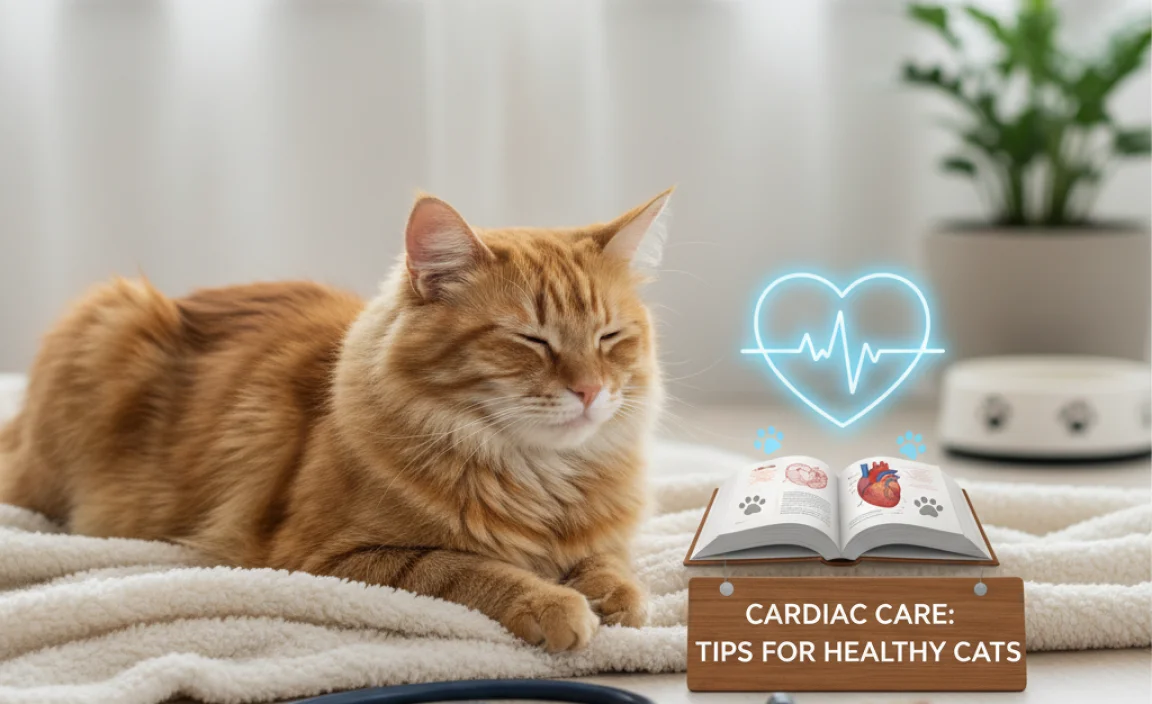
Taking care of your cat’s heart is very important. Many cats can develop heart problems. Some are born with them. Others develop them as they get older. Knowing the signs of heart disease is the first step. Watch for things like coughing or trouble breathing. If your cat seems tired all the time, that could be a sign too. Regular vet visits are also key. Vets can find problems early. Early treatment can make a big difference. A healthy diet is another important part. Make sure your cat eats food that is good for their heart. Exercise is also good. But don’t let your cat overdo it. Stress can also affect your cat’s heart. Make sure they have a calm and safe place to live. By following these tips, you can help keep your cat’s heart healthy.
- Schedule regular check-ups with your vet.
- Feed your cat a heart-healthy diet.
- Provide moderate exercise.
- Reduce stress in your cat’s environment.
- Watch for signs of heart problems.
- Keep your cat at a healthy weight.
Remember that every cat is different. What works for one cat may not work for another. Talk to your vet about the best way to care for your cat’s heart. They can give you advice that is specific to your cat’s needs. Sometimes, cats need medication. Other times, changes in diet or lifestyle are enough. The most important thing is to be aware. Pay attention to your cat. If you notice anything unusual, don’t wait. Get them checked out. Taking good care of your cat’s heart can help them live a longer, happier life. Giving your cat the best cardiac care tips for cats will lead to a healthier and happier life together.
Fun Fact or Stat: Did you know that heart disease affects about 10% of all cats? Early detection can significantly improve their quality of life!
What Are the Early Signs of Heart Problems?
Have you ever wondered what the first signs of heart trouble are in cats? It’s good to know so you can help them early. One of the first things you might see is that your cat gets tired easily. They might not want to play as much. Or they might sleep more than usual. Another sign is changes in breathing. Your cat might breathe faster or harder. They might also cough, especially at night. Sometimes, their gums might look pale or blue. This is a sign they aren’t getting enough oxygen. If you notice any of these things, it’s important to see a vet. The vet can do tests to see if there is a problem. Finding heart issues early can make a big difference. It can help your cat live a longer, healthier life. Always pay attention to your cat’s behavior. It’s the best way to catch problems early.
How Does Diet Affect Heart Health?
Did you know that what your cat eats can really affect their heart? A good diet is super important for a healthy heart. Cats need food that has the right amount of protein and other important stuff. Some foods have too much salt, which is bad for the heart. Look for foods that are made for cats with heart problems. These foods often have less salt and extra things that help the heart. Also, make sure your cat is not overweight. Extra weight puts more stress on the heart. Talk to your vet about the best food for your cat. They can help you choose something that will keep their heart strong. Remember, a good diet is a big part of keeping your cat healthy and happy.
Can Stress Impact a Cat’s Heart?
Have you ever felt your heart race when you’re scared? Cats can feel that way too! Stress can actually hurt a cat’s heart. When cats are stressed, their bodies make chemicals that can make their heart work harder. If they are stressed all the time, it can cause problems. So, it’s important to keep your cat calm and happy. Make sure they have a safe place to hide when they feel scared. Try to keep things quiet and peaceful in your home. If your cat seems stressed a lot, talk to your vet. They might have some ideas to help. A calm cat is a healthy cat, and that includes a healthy heart!
Dietary Cardiac Care Tips for Cats
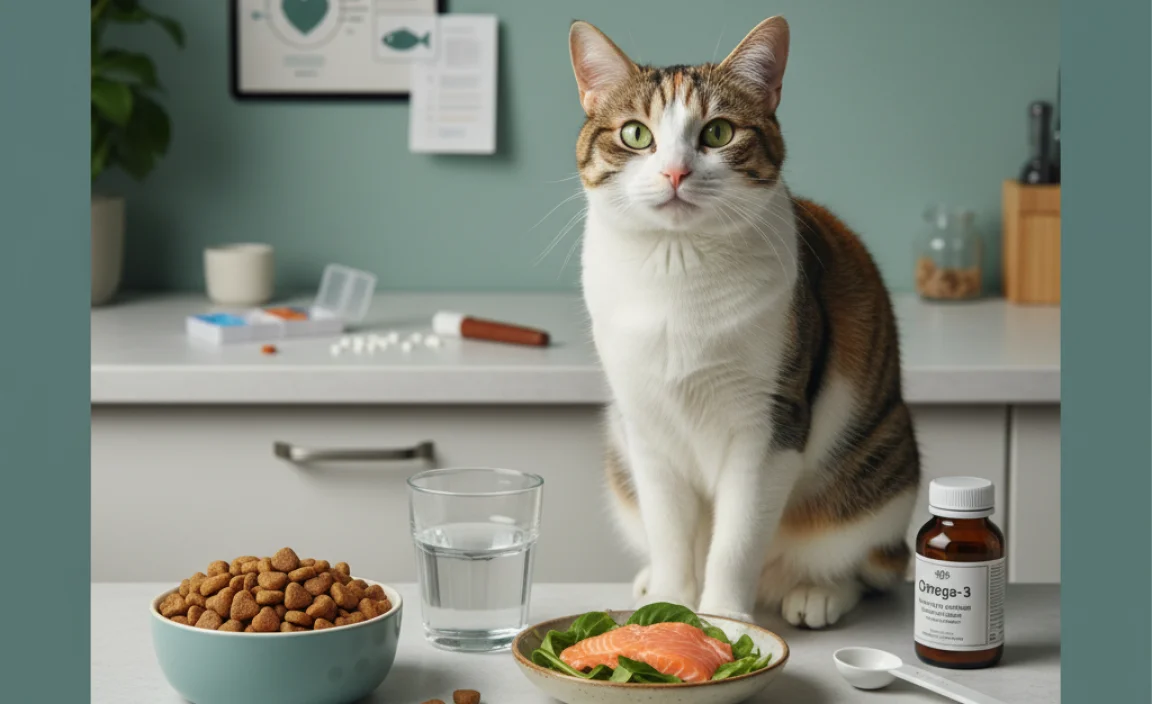
What your cat eats plays a big role in their heart health. Just like us, cats need a balanced diet. This helps keep their heart strong and healthy. Look for cat foods that are low in sodium. Too much salt can cause high blood pressure. This can lead to heart problems. Make sure the food has enough taurine. Taurine is an amino acid that is very important for heart function. Some cats may also benefit from supplements. Things like omega-3 fatty acids can help. These can reduce inflammation and support heart health. Always talk to your vet before changing your cat’s diet. They can recommend the best food and supplements for your cat’s specific needs. Remember, a healthy diet is a key part of cardiac care tips for cats.
- Choose low-sodium cat food.
- Ensure adequate taurine intake.
- Consider omega-3 fatty acid supplements.
- Avoid foods with artificial additives.
- Maintain a healthy weight for your cat.
- Provide fresh water at all times.
It’s also important to watch your cat’s weight. Overweight cats are more likely to develop heart problems. Make sure you are feeding your cat the right amount of food. Don’t give them too many treats. If your cat is overweight, talk to your vet about a weight loss plan. This might involve changing their food or increasing their exercise. Switching to a prescription diet formulated for heart health can also be helpful. These diets are designed to provide the nutrients your cat needs while supporting their heart function. Always make sure your cat has access to fresh, clean water. Staying hydrated is important for overall health, including heart health. Proper diet is essential for cardiac care tips for cats.
Fun Fact or Stat: Taurine deficiency can lead to a heart condition called dilated cardiomyopathy (DCM) in cats. Always check that your cat’s food has enough taurine!
What Foods Should Cats with Heart Issues Avoid?
Have you ever wondered if some foods are bad for cats with heart problems? It’s important to know what to avoid. Foods that are high in salt are a big no-no. Salt can make their blood pressure go up, which is bad for their heart. Also, be careful with treats. Many treats have lots of salt and other stuff that isn’t good for them. It’s best to avoid giving your cat table scraps. Human food often has things that are not safe for cats. Things like onions and garlic can be toxic. Make sure to read the labels on cat food carefully. Look for foods that are low in sodium. Always ask your vet if you are not sure what to feed your cat. They can help you choose foods that will keep their heart healthy.
How Can I Tell If My Cat Is Getting Enough Taurine?
Taurine is super important for your cat’s heart. But how do you know if they are getting enough? Most good quality cat foods have enough taurine. Look for foods that say they meet the nutritional standards set by AAFCO. This means they have the right amount of taurine and other important stuff. If you make your own cat food, you need to be very careful. You must add taurine to make sure they get enough. Signs that your cat is not getting enough taurine include heart problems and eye problems. If you are worried that your cat is not getting enough taurine, talk to your vet. They can do tests to check their taurine levels. They can also help you choose a food that will meet their needs. Always make sure your cat is getting enough of this important nutrient.
Are Supplements Necessary for Cats with Heart Problems?
Sometimes, cats with heart problems might need extra help. That’s where supplements come in! Supplements are like extra vitamins and minerals that can help their heart work better. Omega-3 fatty acids are one example. They can help reduce swelling in the heart. Another supplement is CoQ10. This can help the heart cells make energy. Taurine is another important one, especially if they are not getting enough from their food. But, it’s super important to talk to your vet before giving your cat any supplements. Some supplements can interfere with their medications. Your vet can help you decide if supplements are right for your cat. They can also tell you how much to give them. Always follow your vet’s advice to keep your cat safe and healthy.
Exercise and Cardiac Care Tips for Cats
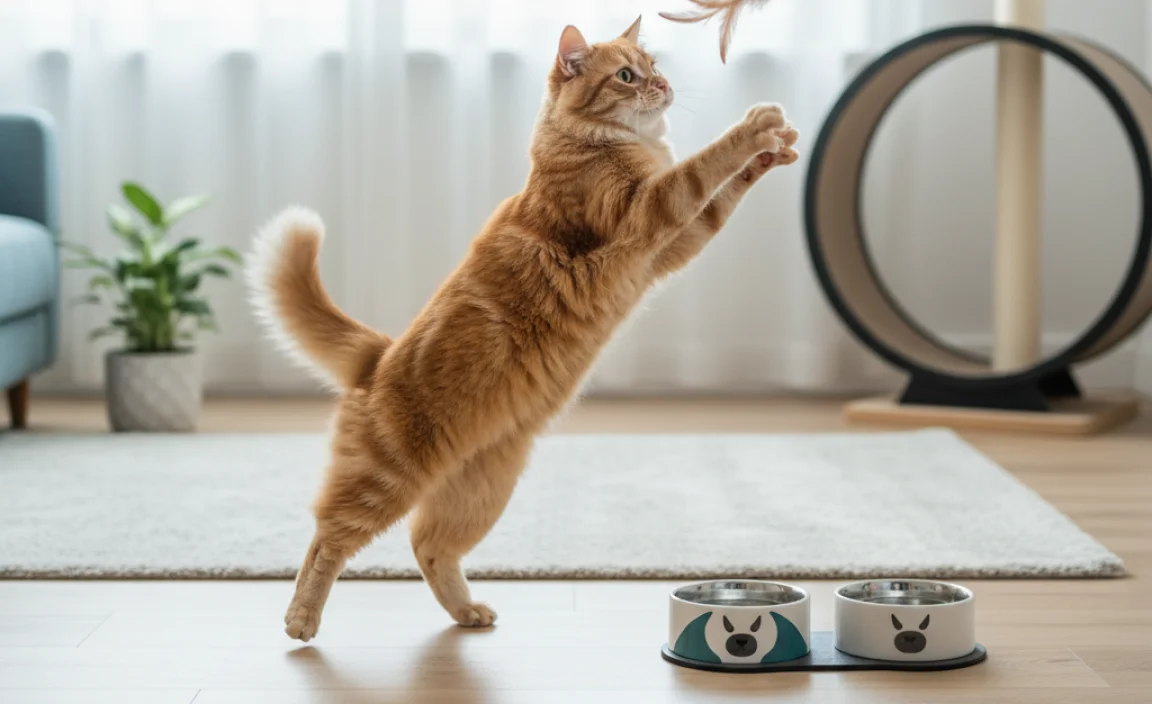
Exercise is good for cats, just like it’s good for people. Regular activity helps keep their heart strong. It also helps them stay at a healthy weight. Overweight cats are more likely to have heart problems. Start with short play sessions. Use toys like feather wands or laser pointers. These can encourage your cat to move around. Make sure your cat has places to climb and explore. Cat trees and shelves are great for this. Avoid strenuous exercise. Don’t push your cat too hard, especially if they have heart problems. Watch for signs of fatigue. If your cat starts breathing heavily or seems tired, stop the activity. Talk to your vet about the best exercise plan for your cat. They can help you create a plan that is safe and effective. Remember, gentle exercise is key for cardiac care tips for cats.
- Provide short, regular play sessions.
- Use interactive toys to encourage movement.
- Ensure access to climbing structures.
- Avoid overexertion and watch for fatigue.
- Consult your vet for a tailored exercise plan.
- Monitor your cat’s breathing during exercise.
It’s important to make exercise fun for your cat. If they enjoy it, they are more likely to participate. Try different types of toys to see what your cat likes best. Some cats like to chase toys, while others prefer to pounce on them. You can also use food puzzles to encourage activity. These puzzles require your cat to work for their food, which can provide both mental and physical stimulation. Remember to be patient. Some cats may take longer to get used to exercise. Start slowly and gradually increase the amount of activity over time. The goal is to keep your cat active and healthy, without putting too much stress on their heart. Making exercise fun is another great cardiac care tip for cats.
Fun Fact or Stat: Just 15 minutes of play a day can significantly improve your cat’s cardiovascular health!
How Much Exercise Is Safe for a Cat with Heart Disease?
If your cat has heart disease, you need to be extra careful with exercise. Too much exercise can be dangerous. Start with very short play sessions. Maybe just a few minutes at a time. Watch your cat closely for any signs of trouble. If they start breathing fast or seem tired, stop right away. Avoid games that make them run or jump a lot. Gentle activities are best. Things like walking around the house or playing with a toy mouse are good choices. Talk to your vet about what is safe for your cat. They can help you make a plan that is right for their specific condition. Remember, it’s better to be safe than sorry when it comes to exercise and heart disease.
What Are the Best Types of Toys for Cats with Heart Conditions?
Choosing the right toys is super important when your cat has heart problems. You want toys that encourage gentle play. Avoid toys that make them run or jump too much. Laser pointers can be great because your cat can chase the light without too much effort. Feather wands are also good. You can move the wand slowly to keep the play gentle. Puzzle toys that give treats are another good option. They make your cat work for their food without getting too tired. Soft toys that they can bat around are also safe. Make sure the toys are not too small. You don’t want your cat to swallow them. Always watch your cat while they are playing. This way, you can make sure they are not overdoing it.
How Can I Monitor My Cat’s Heart Rate During Exercise?
Keeping an eye on your cat’s heart rate during exercise can help you know if they are pushing themselves too hard. It can be tricky to do at home, but here are some tips. First, learn what your cat’s normal resting heart rate is. Your vet can tell you this. Then, after a short play session, check their heart rate again. You can do this by feeling their pulse. It’s usually easiest to find on their inner thigh. Count the number of beats for 15 seconds, and then multiply by four to get the beats per minute. If their heart rate is much higher than normal, they might be overdoing it. There are also special monitors that can track your cat’s heart rate. Ask your vet if they recommend one for your cat. Always talk to your vet if you are worried about your cat’s heart rate.
Medications: Cardiac Care Tips for Cats
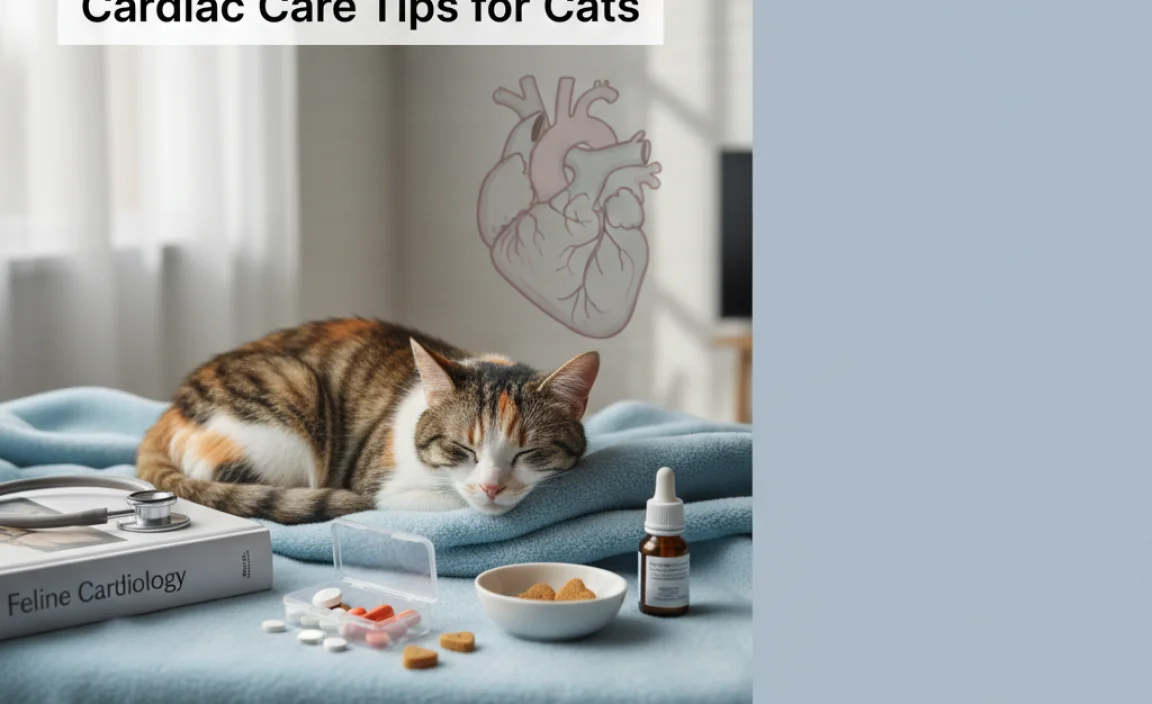
Sometimes, cats with heart problems need medicine. These medicines can help their heart work better. They can also help with symptoms like coughing or trouble breathing. Common medicines include diuretics. These help remove extra fluid from the body. Other medicines can help the heart beat stronger. Some medicines can also lower blood pressure. It’s very important to give your cat their medicine exactly as your vet tells you to. Don’t change the dose or stop giving the medicine without talking to your vet first. Watch for side effects. If you notice anything unusual, call your vet right away. Regular checkups are important. Your vet will want to monitor your cat’s heart and adjust the medicines if needed. Following your vet’s instructions is key for cardiac care tips for cats.
| Medication | Purpose | Potential Side Effects |
|---|---|---|
| Diuretics | Reduce fluid buildup | Increased urination, dehydration |
| ACE Inhibitors | Lower blood pressure | Dizziness, kidney issues |
| Pimobendan | Improves heart contraction | Appetite loss, vomiting |
| Beta-Blockers | Slows heart rate | Lethargy, decreased appetite |
Giving your cat medicine can be tricky. Some cats don’t like taking pills. You can try hiding the pill in a treat or a small amount of wet food. There are also pill pockets that are designed to hide pills. If your cat still won’t take the pill, ask your vet if the medicine comes in liquid form. Liquid medicine can be easier to give. Use a syringe to squirt the liquid into your cat’s mouth. Make sure you aim for the side of their mouth, not the back of their throat. Always be gentle and patient. It may take some practice to get your cat used to taking medicine. Remember that giving your cat their medicine is an important part of their care. Medications will improve cardiac care tips for cats.
Fun Fact or Stat: Many heart medications for cats are flavored to make them more palatable, but some cats are still picky!
How Do I Give My Cat Pills?
Giving pills to cats can be a challenge. But, with some tricks, it can be easier! First, try hiding the pill in a tasty treat. Pill pockets are made just for this. You can also use a small piece of cheese or tuna. If your cat is smart and eats around the pill, you might need to try something else. Gently open your cat’s mouth and place the pill as far back on their tongue as you can. Then, close their mouth and gently stroke their throat to help them swallow. You can also use a pill dispenser. This is a little tool that helps you push the pill down their throat. Always give your cat a treat and praise after they take the pill. This will help them associate taking pills with something positive. Be patient and don’t get frustrated. It might take a few tries!
What Are the Potential Side Effects of Heart Medications?
Heart medications can help cats feel better. But, like all medicines, they can have side effects. Some common side effects include feeling tired, not eating as much, or throwing up. Some cats might also drink more water and pee more often. It’s important to watch your cat closely after they start taking a new medicine. If you notice anything unusual, call your vet right away. They can tell you if the side effects are normal or if you need to change the medicine. Don’t stop giving your cat their medicine without talking to your vet first. Stopping suddenly can be dangerous. Always follow your vet’s instructions carefully to keep your cat safe.
How Often Should My Cat Have Checkups While on Medication?
Regular checkups are super important when your cat is on heart medication. Your vet will want to see how the medicine is working. They will also check for any side effects. At first, your vet might want to see your cat every few weeks. This helps them adjust the dose of the medicine if needed. Once your cat is stable, they might only need checkups every few months. Your vet will do blood tests and other tests to check their heart. They will also listen to their heart and lungs. Always follow your vet’s advice about how often to bring your cat in for checkups. Regular visits will help keep your cat healthy and happy.
Stress Reduction: Cardiac Care Tips for Cats
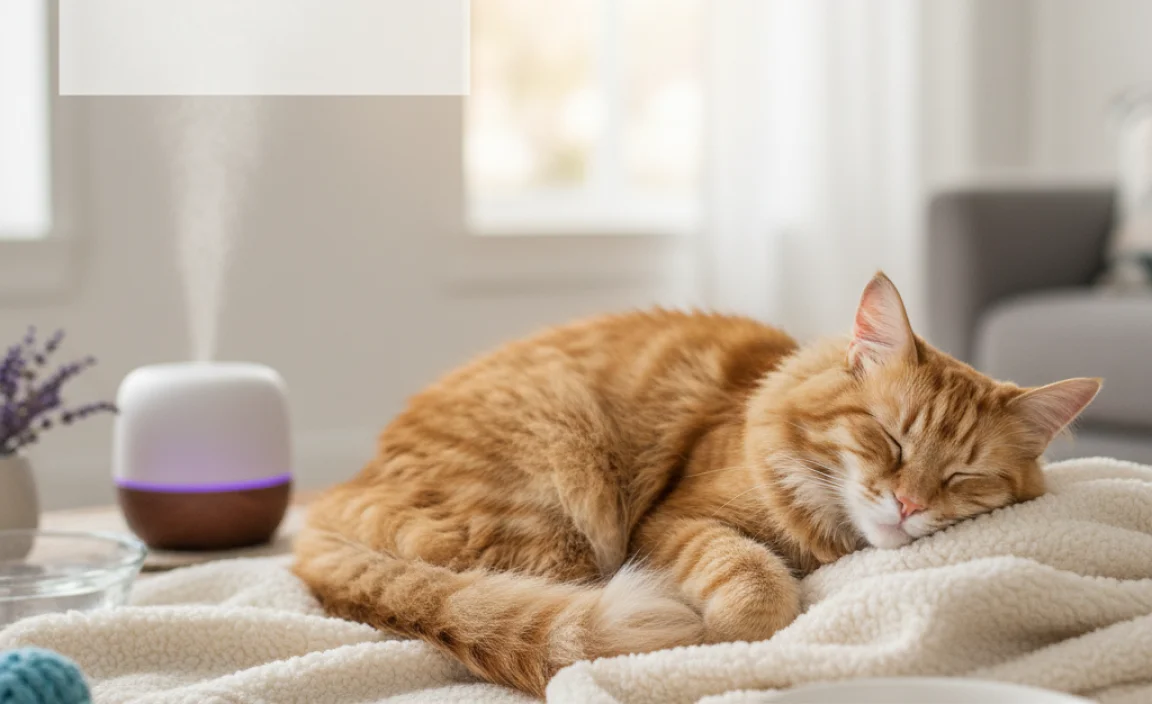
Stress can be bad for a cat’s heart. Just like with people, stress can make their heart work harder. Reducing stress is an important part of cardiac care tips for cats. Make sure your cat has a safe and quiet place to retreat to. This could be a bed, a carrier, or a quiet room. Avoid sudden changes in their environment. Cats like routine, so try to keep things consistent. Provide plenty of toys and playtime. This can help your cat release energy and reduce stress. Use calming pheromones. These are special scents that can help cats feel more relaxed. Feliway is one brand that makes these products. If your cat is very stressed, talk to your vet. They may recommend medication or other therapies to help. A calm cat is a healthy cat!
- Provide a safe and quiet retreat.
- Maintain a consistent routine.
- Offer plenty of toys and playtime.
- Use calming pheromones.
- Consult your vet about stress management.
- Minimize loud noises and disruptions.
It’s also important to pay attention to your cat’s body language. Learn to recognize the signs of stress. These can include flattened ears, a tucked tail, or hissing. If you see these signs, try to remove the source of stress. For example, if your cat is scared of visitors, put them in a quiet room until the visitors leave. If your cat is stressed by other pets, make sure they have separate spaces and resources. Sometimes, just spending time with your cat can help them feel more relaxed. Petting, grooming, and talking to your cat can all be calming. Creating a stress-free environment is a key part of caring for your cat’s heart. Reducing stress is an important cardiac care tip for cats.
Fun Fact or Stat: Studies show that cats in multi-cat households experience less stress when provided with ample resources and vertical space!
What Are Common Stressors for Cats?
Cats can get stressed out by many things. Knowing what bothers them can help you keep them calm. One big stressor is changes in their home. Things like moving furniture or getting a new pet can be scary. Loud noises can also be a problem. Things like fireworks or construction can make them feel anxious. Other cats can also be a source of stress. If you have more than one cat, make sure they have enough space and resources. Not enough food or water bowls can cause problems. A dirty litter box can also stress them out. Even changes in your routine can bother them. Try to keep things as consistent as possible to keep your cat happy.
How Can I Create a Calming Environment for My Cat?
Making a calm home for your cat is super important. Start by giving them a safe place to hide. This could be a cozy bed or a quiet room. Make sure they have plenty of toys to play with. Scratching posts are also great. They help cats stretch and relax. Use calming scents like Feliway. These can help them feel more secure. Keep their litter box clean. Cats don’t like dirty bathrooms! Feed them on a regular schedule. This helps them feel secure. Spend time with your cat every day. Petting and playing can help them relax. Avoid loud noises and sudden changes. A calm home is a happy home for your cat!
Can Calming Products Help My Cat’s Heart?
Calming products can be a big help for cats with heart problems. When cats are less stressed, their heart doesn’t have to work as hard. There are many calming products you can try. Feliway is a spray that releases calming scents. You can spray it on their bed or in their carrier. Calming collars are another option. They release calming scents all the time. There are also calming treats. These contain ingredients that help cats relax. Talk to your vet before using any calming products. They can help you choose the best ones for your cat. They can also make sure the products won’t interfere with any medications. Remember, a calm cat is a healthier cat!
Regular Vet Visits: Cardiac Care Tips for Cats
Regular vet visits are very important for cardiac care tips for cats. Vets can find heart problems early. Early detection can make a big difference. Your vet will listen to your cat’s heart and lungs. They will also check their blood pressure. If they hear anything unusual, they may recommend more tests. These tests could include an echocardiogram. This is an ultrasound of the heart. They may also do an EKG. This measures the electrical activity of the heart. How often your cat needs to see the vet depends on their age and health. Young, healthy cats may only need to go once a year. Older cats or cats with heart problems may need to go more often. Always follow your vet’s recommendations. Regular checkups can help keep your cat healthy and happy.
- Schedule annual check-ups for young, healthy cats.
- Increase check-up frequency for older cats.
- Follow your vet’s recommendations for testing.
- Report any changes in your cat’s behavior.
- Ask your vet about heartworm prevention.
- Keep a record of your cat’s health history.
It’s important to be prepared for your vet visits. Write down any questions you have. Tell your vet about any changes in your cat’s behavior or appetite. Bring a list of all the medications your cat is taking. This includes any supplements. If you have any concerns about your cat’s heart, don’t hesitate to ask. Your vet is there to help you. They can give you advice and support. They can also help you create a plan to keep your cat’s heart healthy. Remember, regular vet visits are a key part of caring for your cat’s heart. Early detection is very important for cardiac care tips for cats.
Fun Fact or Stat: Cats are masters at hiding illness. Regular vet checkups can uncover problems before they become serious!
What Happens During a Cardiac Exam at the Vet?
Have you ever wondered what happens when your cat gets a heart checkup? It’s good to know what to expect. First, the vet will listen to your cat’s heart with a stethoscope. They are listening for any unusual sounds. Things like murmurs or irregular heartbeats. The vet will also check your cat’s pulse. They will also check their gums. Pale or blue gums can be a sign of heart problems. The vet might also feel your cat’s belly. This is to check for any fluid buildup. If the vet hears anything concerning, they might recommend more tests. These tests can help them get a better look at your cat’s heart.
What Tests Can Diagnose Heart Problems in Cats?
There are several tests that can help vets figure out if a cat has heart problems. An echocardiogram is a very common test. It uses sound waves to create a picture of the heart. This helps the vet see if there are any problems with the heart’s structure or function. An EKG measures the electrical activity of the heart. This can help the vet see if there are any irregular heartbeats. X-rays can also be helpful. They can show if the heart is enlarged or if there is fluid in the lungs. Blood tests can also give clues about heart health. These tests can measure things like heart enzymes. Your vet will decide which tests are best for your cat.
How Can I Prepare My Cat for a Vet Visit?
Going to the vet can be stressful for cats. But, there are things you can do to make it easier. Start by getting your cat used to their carrier. Leave it out in the house so they can explore it. Put a soft blanket inside to make it cozy. You can also put treats or toys inside. This will help them associate the carrier with good things. When it’s time to go to the vet, stay calm. Cats can sense when you are stressed. Talk to your cat in a soothing voice. Cover the carrier with a blanket to make them feel more secure. At the vet’s office, stay with your cat. This will help them feel safer. After the visit, give your cat lots of love and praise. This will help them have a better experience next time.
Summary
Taking care of your cat’s heart is very important. Heart disease can affect cats of all ages. Knowing how to care for their heart is key. This includes feeding them a good diet. It also means making sure they get enough exercise. Regular vet visits are also crucial. Vets can find problems early. Early treatment can make a big difference. Watch for signs of heart problems. These can include coughing, trouble breathing, or fatigue. Reduce stress in your cat’s environment. Stress can make heart problems worse. Medications can help manage heart disease. Follow your vet’s instructions carefully. By following these cardiac care tips for cats, you can help your cat live a longer, happier life.
Conclusion
Keeping your cat’s heart healthy is a big part of caring for them. By following these simple tips, you can make a real difference. Remember to feed them a good diet. Make sure they get enough exercise. Reduce stress in their environment. And don’t forget those regular vet visits. If you notice any signs of heart problems, don’t wait. Get them checked out right away. With a little care and attention, you can help your cat enjoy a long and happy life. Giving your feline friend the best cardiac care tips for cats is a true act of love.
Frequently Asked Questions
Question No 1: What are the most common signs of heart problems in cats?
Answer: The most common signs of heart problems in cats include difficulty breathing, rapid breathing, coughing (especially at night), lethargy (tiredness), loss of appetite, and sometimes sudden collapse. You might also notice that your cat is less playful or tires out more easily during activity. Pale or bluish gums can also be a sign of a serious heart issue. If you observe any of these symptoms, it’s important to take your cat to the vet for a check-up. Remember that early detection and treatment can significantly improve your cat’s quality of life when it comes to cardiac care tips for cats.
Question No 2: How can I prevent heart disease in my cat?
Answer: While you can’t completely prevent all heart diseases, there are several things you can do to reduce your cat’s risk. Feeding your cat a high-quality diet that is low in sodium and contains adequate taurine is crucial. Maintaining a healthy weight through proper diet and exercise is also important. Regular vet check-ups are essential for early detection of any potential heart problems. Minimizing stress in your cat’s environment can also help support their cardiovascular health. Ask your vet if supplements can help. Following these guidelines can contribute to better cardiac care tips for cats and overall well-being.
Question No 3: What is taurine, and why is it important for my cat’s heart?
Answer: Taurine is an essential amino acid that cats cannot produce on their own, so they must get it from their diet. It plays a vital role in many bodily functions, including heart health. Taurine helps maintain the normal function of the heart muscle. A deficiency in taurine can lead to a serious heart condition called dilated cardiomyopathy (DCM). This condition causes the heart to enlarge and weaken. Most commercial cat foods are supplemented with taurine. Always check the label to ensure your cat’s food contains an adequate amount. Ensuring your cat gets enough taurine is a key aspect of cardiac care tips for cats.
Question No 4: How often should I take my cat to the vet for a heart check?
Answer: The frequency of vet visits for heart checks depends on your cat’s age and health history. Young, healthy cats typically need an annual check-up. However, older cats or those with pre-existing health conditions may need to see the vet more frequently. If your vet suspects a heart problem, they may recommend more frequent visits and diagnostic testing. It’s important to follow your vet’s recommendations and report any changes in your cat’s behavior or health. These check ups are great cardiac care tips for cats and can catch problems early.
Question No 5: Can stress affect my cat’s heart health?
Answer: Yes, stress can negatively impact your cat’s heart health. When cats are stressed, their bodies release hormones that can increase heart rate and blood pressure. Chronic stress can lead to various health problems, including heart disease. To minimize stress, provide your cat with a safe and quiet environment. Maintain a consistent routine, and offer plenty of toys and playtime. Consider using calming pheromones or consulting with your vet about stress-management strategies. Reducing stress is a key component of comprehensive cardiac care tips for cats and overall well-being.
Question No 6: What if my cat is diagnosed with heart disease?
Answer: If your cat is diagnosed with heart disease, it’s important to work closely with your vet to develop a management plan. This plan may include medication to help manage symptoms and improve heart function. Dietary changes, such as a low-sodium diet, may also be recommended. Regular monitoring with your vet is essential to assess your cat’s response to treatment and make any necessary adjustments. With proper care and management, many cats with heart disease can live comfortable and relatively normal lives. Your vet will provide the best cardiac care tips for cats.