Outdoor Stress Management for British Shorthairs: Easy Guide
Managing outdoor stress in British Shorthairs involves creating a safe and controlled environment. Key strategies include using secure harnesses and leashes, providing supervised access to enclosed spaces like cat patios (“catios”), and enriching their indoor environment to reduce their desire to venture outside. Gradual exposure, positive reinforcement, and understanding your cat’s body language are crucial for a stress-free outdoor experience. Never force your British Shorthair outside if they are showing signs of distress.
British Shorthairs are known for their calm and adaptable nature, but even the most laid-back kitty can get stressed by the great outdoors. Whether it’s the unfamiliar noises, the neighbourhood dogs, or the sheer vastness of it all, outdoor adventures can quickly turn into anxiety-inducing experiences for your furry friend.
Understanding how to manage this stress is key to ensuring your British Shorthair’s well-being. This guide will walk you through practical steps to help your cat enjoy the outdoors safely and comfortably. From leash training to creating a secure outdoor space, we’ll cover everything you need to know. Let’s get started and turn those outdoor jitters into joyful explorations!
Understanding Outdoor Stress in British Shorthairs
Before diving into solutions, it’s important to understand why your British Shorthair might be stressed outdoors. Several factors can contribute to this anxiety, including:
- Unfamiliar Noises: Loud cars, barking dogs, and construction sounds can be overwhelming.
- Territorial Concerns: Cats are territorial animals, and encountering other cats or animals can cause stress.
- Predators: Even in suburban areas, cats can perceive threats from birds of prey or other animals.
- Lack of Control: Being in an open, uncontrolled environment can make your cat feel vulnerable.
- Past Traumatic Experiences: A previous negative experience outside can create lasting anxiety.
Recognizing Signs of Stress
Identifying stress signals early can help you intervene before your cat becomes overwhelmed. Common signs of stress in British Shorthairs include:
- Hiding: Attempting to find a safe place to hide.
- Dilated Pupils: Enlarged pupils, even in bright light.
- Panting: Rapid or heavy breathing.
- Trembling: Shaking or trembling.
- Excessive Grooming: Over-grooming, often to the point of hair loss.
- Aggression: Hissing, swatting, or biting.
- Changes in Body Posture: Crouching low to the ground or arching their back.
- Vocalization: Excessive meowing or howling.
If you notice any of these signs, it’s crucial to remove your cat from the stressful situation immediately and provide a safe, quiet space for them to calm down.
Step-by-Step Guide to Outdoor Stress Management
Here’s a detailed guide to help your British Shorthair enjoy the outdoors without the stress:
Step 1: Indoor Enrichment
Before even considering outdoor activities, ensure your cat’s indoor environment is stimulating and enriching. A bored cat is more likely to seek outdoor adventures, which can be stressful if they’re not prepared.
- Provide Plenty of Toys: Rotate toys regularly to keep things interesting. Puzzle toys are great for mental stimulation.
- Scratching Posts: Offer a variety of scratching surfaces (vertical, horizontal, and angled).
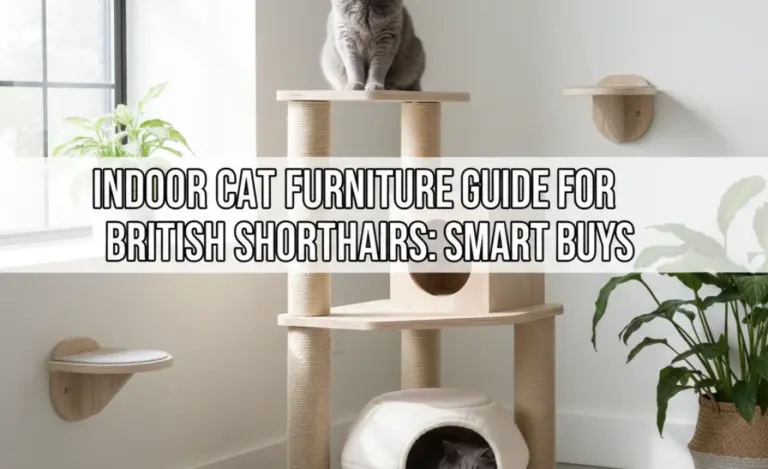
- Climbing Structures: Cat trees and shelves allow your cat to climb and explore.
- Window Perches: Cats love looking out the window. Provide a comfortable perch where they can watch the world go by.
- Interactive Play: Spend at least 15-20 minutes each day engaging in interactive play with your cat. Feather wands, laser pointers, and toy mice are all great options.
Step 2: Leash and Harness Training
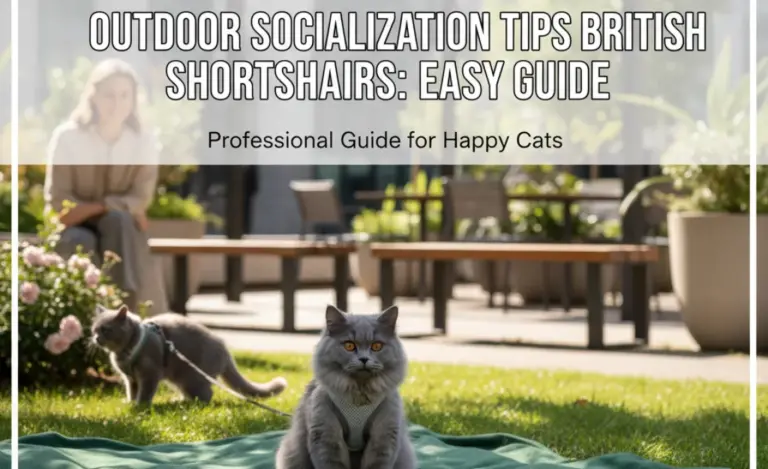
If you want to take your British Shorthair outside, leash and harness training is essential for their safety. Never let your cat roam freely, as this exposes them to numerous dangers.
- Choose the Right Harness: Select a well-fitting, comfortable harness designed specifically for cats. H-style or vest-style harnesses are generally more secure and comfortable than simple collars.
- Introduce the Harness: Let your cat sniff and explore the harness. Place it near their food bowl or favorite sleeping spot to create a positive association.
- Short Wearing Sessions: Gradually increase the amount of time your cat wears the harness indoors. Start with just a few minutes and gradually work up to longer sessions.
- Attach the Leash: Once your cat is comfortable wearing the harness, attach a lightweight leash. Let them drag the leash around the house under supervision.
- Practice Walking Indoors: Gently guide your cat with the leash indoors. Use treats and praise to reward them for following you.
- Outdoor Introduction: Once your cat is comfortable walking indoors, start taking them outside for short periods. Choose a quiet, safe area with minimal distractions.
- Positive Reinforcement: Use treats, praise, and gentle encouragement to reward your cat for exploring the outdoors.
Important Note: Never force your cat to go outside if they are showing signs of distress. Let them set the pace and explore at their own comfort level.
Step 3: Creating a Safe Outdoor Space
A “catio” (cat patio) or enclosed outdoor space can provide your British Shorthair with a safe and stimulating outdoor experience without the risks of roaming free. If you don’t have the resources to build a catio, you can make a small, safe space using a cat tent or playpen.
- Catio Construction: A catio can be as simple as an enclosed balcony or as elaborate as a custom-built structure. Ensure the enclosure is secure and escape-proof.
- Location: Choose a location that provides shade and protection from the elements.
- Enrichment: Add cat-friendly plants, scratching posts, climbing structures, and comfortable resting spots to the catio.
- Supervision: Always supervise your cat when they are in the catio, especially during the initial introduction.
Step 4: Gradual Exposure
Whether you’re using a leash and harness or a catio, gradual exposure is key to reducing outdoor stress. Start with short sessions and gradually increase the amount of time your cat spends outside.
- Start Small: Begin with just a few minutes outside and gradually increase the duration as your cat becomes more comfortable.
- Choose Quiet Times: Avoid peak traffic times or periods when there are a lot of people or animals around.
- Observe Your Cat’s Body Language: Pay close attention to your cat’s body language and be prepared to retreat indoors if they show signs of stress.
- Positive Associations: Offer treats, praise, and gentle petting to create positive associations with being outside.
Step 5: Using Calming Aids
In some cases, calming aids can help reduce anxiety and make outdoor experiences more enjoyable for your British Shorthair. Consult with your veterinarian before using any calming products.
- Feliway Diffusers: Feliway is a synthetic pheromone that mimics the natural pheromones produced by cats. It can help create a sense of calm and security.
- Calming Treats: Many calming treats contain ingredients like L-theanine or chamomile, which can help reduce anxiety.
- Herbal Remedies: Some herbal remedies, such as valerian root or catnip, can have a calming effect on cats. However, use these with caution and under the guidance of a veterinarian.
Step 6: Creating a Consistent Routine
Cats thrive on routine, so establishing a consistent schedule for outdoor activities can help reduce stress. Try to take your cat outside at the same time each day, and keep the duration and activities consistent.
- Scheduled Outings: Set a specific time each day for outdoor activities.
- Consistent Duration: Keep the duration of outdoor sessions consistent.
- Predictable Activities: Engage in the same activities each time you go outside, such as exploring a specific area or playing with a favorite toy.
Additional Tips for Managing Outdoor Stress
- Provide a Safe Retreat: Always provide your cat with a safe place to retreat to if they feel overwhelmed. This could be a carrier, a cat bed, or a quiet room indoors.
- Avoid Forcing Interaction: Never force your cat to interact with other animals or people if they are not comfortable.
- Be Patient: It takes time and patience to help your cat adjust to the outdoors. Don’t get discouraged if they don’t immediately enjoy it.
- Consult with a Veterinarian or Behaviorist: If your cat’s anxiety is severe or persistent, consult with a veterinarian or certified cat behaviorist for professional guidance.
Case Studies: Real-Life Examples
Case Study 1: Bella’s Transformation
Bella, a three-year-old British Shorthair, was terrified of the outdoors. Her owner, Sarah, started by creating a cozy catio on their balcony. Initially, Bella would only venture into the catio for a few minutes at a time. Sarah used Feliway diffusers and offered Bella her favorite treats in the catio. Over several weeks, Bella gradually became more comfortable and started spending hours in the catio, enjoying the fresh air and sunshine. Now, the catio is Bella’s favorite spot.
Case Study 2: Oliver’s Leash Training Journey
Oliver, a young British Shorthair, was initially resistant to wearing a harness. His owner, Mark, started by letting Oliver sniff and play with the harness. He then gradually increased the amount of time Oliver wore the harness indoors, rewarding him with treats and praise. After a few weeks, Oliver was comfortable wearing the harness, and Mark started taking him outside for short walks in their garden. Oliver now enjoys exploring the outdoors on his leash, and his anxiety has significantly decreased.
Tools and Resources
Essential Tools
Having the right tools can make outdoor stress management easier and more effective:
| Tool | Description | Why It Helps |
|---|---|---|
| Cat Harness and Leash | A secure, well-fitting harness and lightweight leash. | Provides control and safety during outdoor walks. |
| Catio or Enclosed Outdoor Space | A safe, enclosed area where your cat can enjoy the outdoors. | Reduces the risk of escape and exposure to dangers. |
| Feliway Diffuser | A synthetic pheromone diffuser. | Creates a calming and secure environment. |
| Calming Treats | Treats containing calming ingredients like L-theanine or chamomile. | Helps reduce anxiety and promote relaxation. |
| Cat Carrier | A secure carrier for transporting your cat. | Provides a safe retreat and reduces stress during travel. |
Online Resources
- RSPCA: Provides information on cat care and behavior.
- International Cat Care: Offers expert advice on cat health and welfare.
- Cornell Feline Health Center: Provides comprehensive information on feline health issues.
Troubleshooting Common Issues
Issue 1: Cat Refuses to Wear Harness
Solution: Be patient and persistent. Start by letting your cat sniff and play with the harness. Gradually increase the amount of time they wear it, and reward them with treats and praise. If your cat is particularly resistant, try a different style of harness.
Issue 2: Cat Hides When Outside
Solution: Provide a safe retreat, such as a carrier or cat bed. Start with short outdoor sessions and gradually increase the duration. Use calming aids like Feliway to help reduce anxiety.
Issue 3: Cat Is Aggressive Towards Other Animals
Solution: Keep your cat separate from other animals when outside. Use a leash and harness to maintain control, and avoid areas where there are a lot of other animals. If the aggression is severe, consult with a veterinarian or behaviorist.
Issue 4: Cat Is Overstimulated by Outdoor Noises
Solution: Choose quiet times for outdoor activities, and avoid areas with a lot of noise. Use calming aids like Feliway or calming treats to help reduce anxiety. If your cat is particularly sensitive to noise, consider using a white noise machine or calming music to mask outdoor sounds.
Conclusion
Managing outdoor stress in British Shorthairs requires patience, understanding, and a commitment to creating a safe and comfortable environment. By following the steps outlined in this guide, you can help your furry friend enjoy the great outdoors without the anxiety. Remember to prioritize your cat’s well-being and adjust your approach based on their individual needs and preferences. With the right strategies, you can transform outdoor experiences from stressful encounters into joyful adventures for both you and your beloved British Shorthair.
FAQ: Outdoor Stress Management for British Shorthairs
- Q: Can all British Shorthairs be trained to go outside?
- A: While most British Shorthairs can be trained to enjoy the outdoors with proper management, some cats may simply be too anxious or fearful. It’s essential to respect your cat’s individual personality and comfort level.
- Q: How long does it take to leash train a British Shorthair?
- A: The time it takes to leash train a British Shorthair varies depending on the cat’s personality and previous experiences. Some cats may adapt quickly, while others may take several weeks or even months. Patience and positive reinforcement are key.
- Q: Is it safe to let my British Shorthair roam free outside?
- A: No, it is generally not safe to let your British Shorthair roam free outside. Cats are exposed to numerous dangers, including cars, predators, and diseases. Leash training or a secure outdoor enclosure is a much safer option.
- Q: What are the benefits of a catio for my British Shorthair?
- A: A catio provides your British Shorthair with a safe and stimulating outdoor experience. It allows them to enjoy fresh air, sunshine, and enrichment without the risks of roaming free.
- Q: How do I know if my British Shorthair is stressed outside?
- A: Common signs of stress in British Shorthairs include hiding, dilated pupils, panting, trembling, excessive grooming, aggression, changes in body posture, and vocalization. If you notice any of these signs, it’s crucial to remove your cat from the stressful situation immediately.
- Q: Can calming aids really help my British Shorthair with outdoor stress?
- A: Yes, calming aids like Feliway diffusers and calming treats can help reduce anxiety and make outdoor experiences more enjoyable for your British Shorthair. However, it’s essential to consult with your veterinarian before using any calming products.
- Q: What if my British Shorthair never gets comfortable going outside?
- A: If your British Shorthair consistently shows signs of stress and discomfort despite your best efforts, it may be best to accept that they are not suited for outdoor activities. Focus on providing them with a stimulating and enriching indoor environment instead.