Outdoor Dental Care for British Shorthairs: Easy Guide
Quick Summary: Outdoor dental care for British Shorthairs involves checking their teeth regularly for signs of tartar, gum disease, or injury. While you can’t brush their teeth in the park, you can offer dental treats, ensure access to fresh water, and schedule vet check-ups. Recognizing problems early and maintaining good oral hygiene at home helps keep your British Shorthair’s teeth healthy between professional cleanings.
Worried about keeping your British Shorthair’s teeth healthy when you’re out and about? It’s a common concern! Unlike dogs, cats don’t always get the same opportunities for dental care on the go. Many owners find it tricky to maintain good oral hygiene, especially when outdoor adventures are involved. But don’t worry, there are simple ways to support your cat’s dental health even when you’re enjoying the great outdoors together.
In this guide, we’ll walk you through practical steps to ensure your British Shorthair’s pearly whites stay in top condition. From recognizing early warning signs to choosing the right dental treats, we’ve got you covered. Let’s dive in and make outdoor time safe and healthy for your furry friend!
Understanding British Shorthair Dental Needs
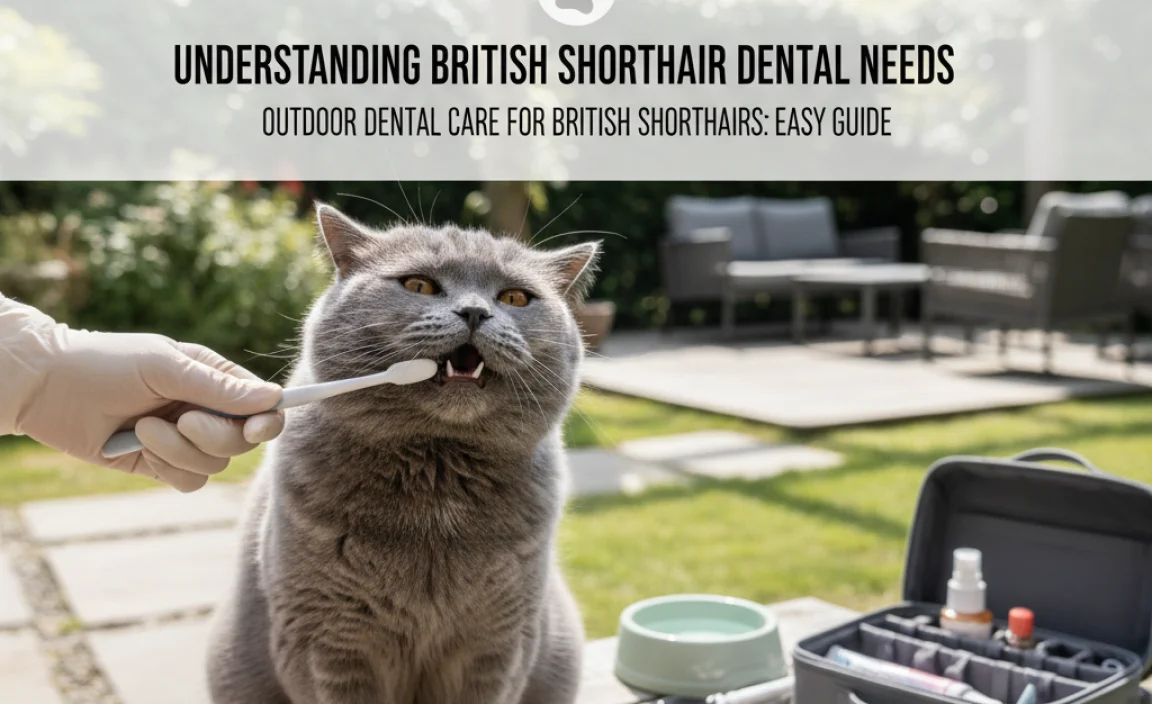
British Shorthairs are prone to certain dental issues, making preventative care crucial. Understanding these potential problems can help you take the best care of your feline friend.
Common Dental Problems in British Shorthairs
Several dental issues can affect British Shorthairs. Being aware of these problems allows you to take preventive measures and seek timely veterinary care.
- Gingivitis: Inflammation of the gums, often caused by plaque and tartar buildup. According to the Cornell Feline Health Center, gingivitis is one of the most common oral health problems in cats.
- Periodontitis: Advanced gum disease that damages the soft tissue and bone supporting the teeth. If left untreated, it can lead to tooth loss.
- Tooth Resorption: A condition where the tooth structure breaks down. It’s a painful condition and often requires tooth extraction.
- Feline Stomatitis: A severe inflammation of the mouth, causing pain and discomfort. The exact cause is unknown, but it requires veterinary intervention.
Why Outdoor Activities Require Extra Vigilance
Outdoor activities can increase the risk of dental problems for several reasons:
- Exposure to Bacteria: Outdoor environments can expose your cat to different bacteria and pathogens that can affect oral health.
- Risk of Injury: While exploring, your cat may chew on objects that can damage their teeth or gums.
- Dietary Changes: If your cat catches prey or scavenges food outdoors, it can affect their dental hygiene.
Recognizing Early Signs of Dental Problems
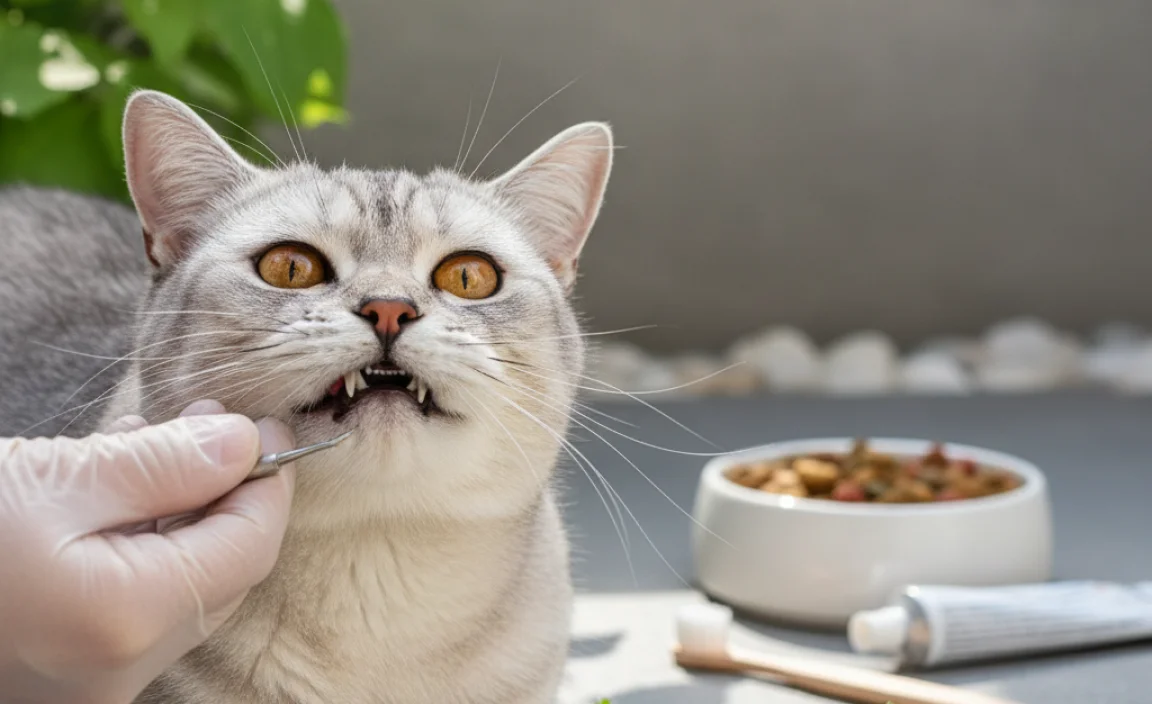
Early detection is key to managing dental issues in British Shorthairs. Here are some signs to watch for:
- Bad Breath (Halitosis): Persistent bad breath is often the first sign of dental problems.
- Excessive Drooling: Increased saliva production can indicate oral discomfort.
- Difficulty Eating: If your cat hesitates to eat or chews on one side of their mouth, it could be due to dental pain.
- Red or Swollen Gums: Inflamed gums are a sign of gingivitis.
- Loose or Missing Teeth: These are signs of advanced dental disease.
- Pawing at the Mouth: Your cat may paw at their mouth to relieve pain or discomfort.
- Changes in Behavior: Irritability or decreased grooming can be signs of oral pain.
Essential Outdoor Dental Care Practices
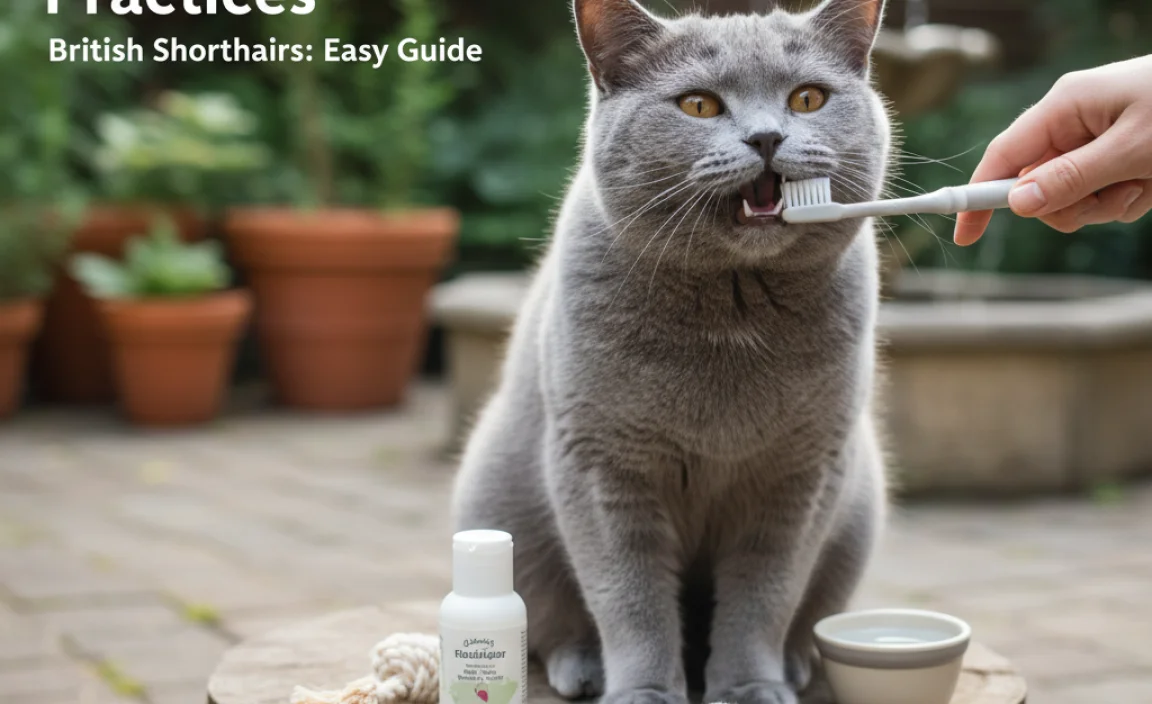
While you can’t perform a full dental cleaning outdoors, there are several steps you can take to support your British Shorthair’s dental health during outdoor excursions.
Pre-Outdoor Activity Dental Check
Before heading out, take a quick look at your cat’s mouth to check for any obvious issues.
- Lift the Lips: Gently lift your cat’s lips to inspect their teeth and gums.
- Look for Redness: Check for any redness or swelling along the gum line.
- Smell Their Breath: Notice if their breath smells unusually bad.
- Feel for Lumps: Gently feel along their jawline for any unusual lumps or bumps.
Providing Dental Treats and Toys
Dental treats and toys can help keep your cat’s teeth clean and healthy while they enjoy the outdoors.
- Dental Treats: Choose treats that are specifically designed to reduce plaque and tartar buildup. Look for treats approved by the Veterinary Oral Health Council (VOHC).
- Chew Toys: Offer durable chew toys that can help scrape away plaque. Avoid toys that are too hard, as they can damage your cat’s teeth.
- Catnip-Infused Toys: Catnip can encourage chewing, which can help clean their teeth.
Ensuring Access to Fresh Water
Staying hydrated is essential for overall health, including dental health. Fresh water helps rinse away food particles and bacteria.
- Carry a Water Bottle: Bring a portable water bottle and bowl for your cat.
- Offer Water Regularly: Encourage your cat to drink water frequently during outdoor activities.
- Avoid Contaminated Water Sources: Prevent your cat from drinking from puddles or other potentially contaminated water sources.
Post-Outdoor Activity Dental Check
After returning from your outdoor adventure, perform another quick dental check to identify any new issues.
- Inspect for Injuries: Look for any signs of injury, such as cuts or bleeding gums.
- Check for Debris: Remove any food particles or debris that may be stuck in their teeth.
- Monitor for Discomfort: Watch for signs of discomfort, such as pawing at the mouth or difficulty eating.
Creating a Home Dental Care Routine
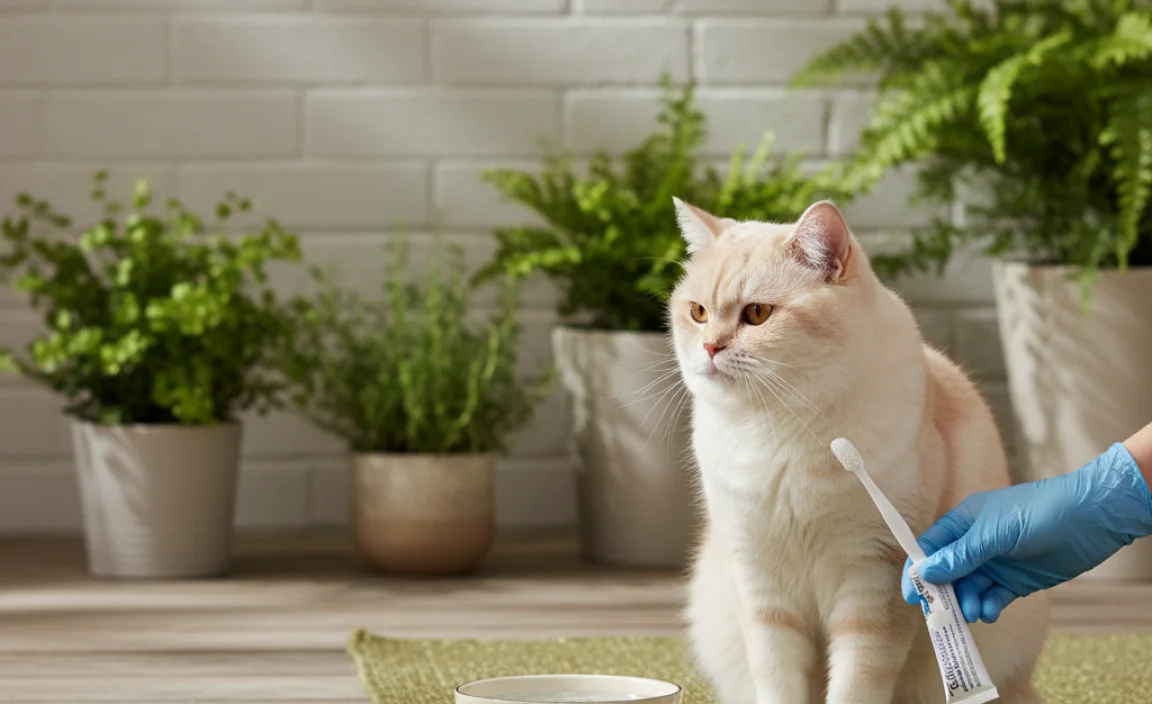
Establishing a consistent home dental care routine is essential for maintaining your British Shorthair’s oral health. Here’s how to do it.
Brushing Your British Shorthair’s Teeth
Brushing your cat’s teeth is the most effective way to prevent plaque and tartar buildup. The RSPCA recommends daily teeth brushing for cats.
- Choose the Right Tools: Use a soft-bristled toothbrush designed for cats and cat-specific toothpaste (never use human toothpaste, as it can be toxic).
- Introduce Gradually: Start by letting your cat lick the toothpaste from your finger. Then, gently rub the toothbrush along their gums.
- Brush Regularly: Aim to brush your cat’s teeth daily or at least several times a week.
- Be Gentle: Use gentle, circular motions to clean their teeth and gums.
- Reward Your Cat: Offer praise and treats to make the experience positive.
Using Dental Wipes and Solutions
Dental wipes and solutions can be used to supplement brushing and help keep your cat’s teeth clean.
- Dental Wipes: Use dental wipes to gently clean your cat’s teeth and gums. These are especially useful for cats who resist brushing.
- Dental Solutions: Add dental solutions to your cat’s water to help reduce plaque and tartar buildup.
Selecting the Right Diet
The right diet can play a significant role in your cat’s dental health. Dry food can help scrape away plaque as your cat chews, while certain dental diets are specifically formulated to promote oral health.
- Dry Food: Choose high-quality dry food that is designed to promote dental health.
- Dental Diets: Consider feeding your cat a dental diet recommended by your veterinarian. These diets often contain special ingredients that help reduce plaque and tartar.
- Avoid Sticky Foods: Limit sticky or sugary treats, as they can contribute to plaque buildup.
Professional Dental Care
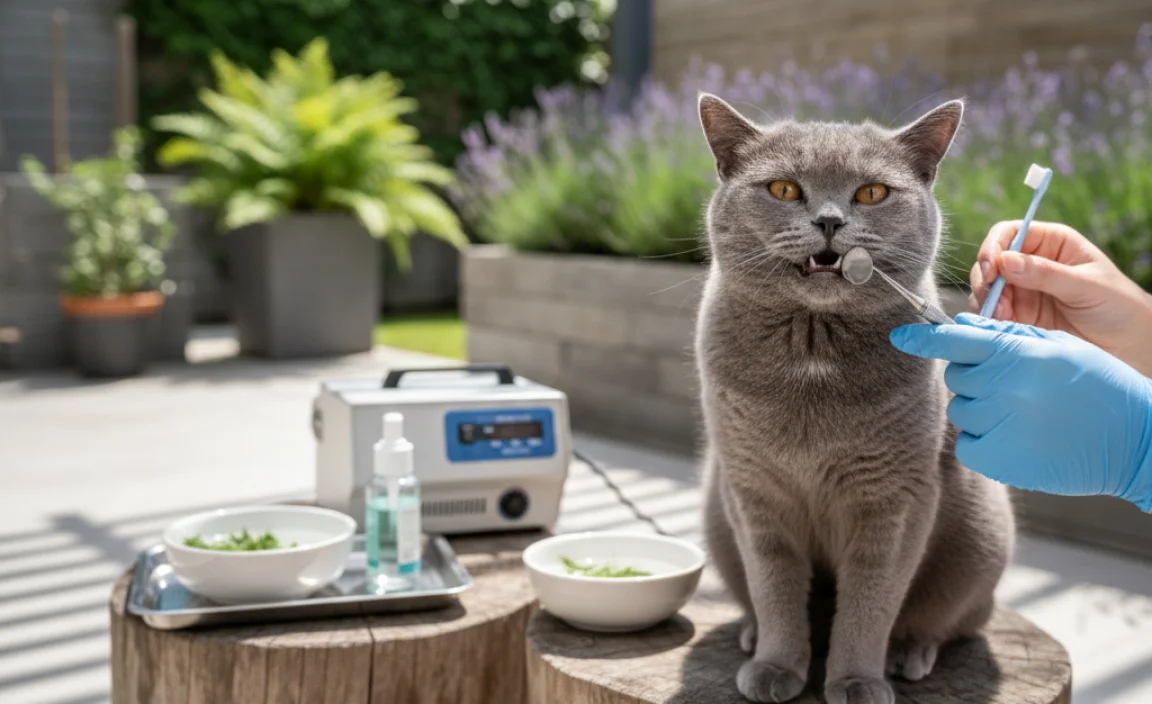
Regular professional dental cleanings are essential for maintaining your British Shorthair’s oral health. Your veterinarian can perform a thorough examination and cleaning to remove plaque and tartar buildup.
The Importance of Regular Vet Check-ups
Schedule regular vet check-ups to monitor your cat’s dental health. Your veterinarian can identify early signs of dental problems and recommend appropriate treatment.
- Annual Check-ups: Aim for annual dental check-ups, or more frequently if your cat has a history of dental problems.
- Professional Cleaning: Your veterinarian can perform a professional dental cleaning under anesthesia to remove plaque and tartar.
- X-rays: Dental X-rays can help identify problems below the gum line, such as tooth resorption or bone loss.
What to Expect During a Professional Cleaning
During a professional dental cleaning, your veterinarian will:
- Perform an Examination: Examine your cat’s mouth for any signs of dental problems.
- Take X-rays: Take dental X-rays to assess the health of the teeth and surrounding structures.
- Clean the Teeth: Remove plaque and tartar from above and below the gum line using specialized tools.
- Polish the Teeth: Polish the teeth to smooth the surface and prevent plaque from reattaching.
- Provide Recommendations: Offer recommendations for at-home dental care.
Addressing Specific Dental Issues
If your British Shorthair develops a dental problem, prompt treatment is essential. Here’s how to address some common issues.
Treating Gingivitis
Gingivitis is inflammation of the gums and is often the first stage of gum disease. Treatment typically involves professional cleaning and improved home dental care.
- Professional Cleaning: Your veterinarian will remove plaque and tartar from your cat’s teeth.
- Antibiotics: In some cases, antibiotics may be prescribed to treat bacterial infections.
- Home Care: Follow your veterinarian’s recommendations for at-home dental care, including brushing and using dental solutions.
Managing Periodontitis
Periodontitis is a more advanced form of gum disease that can lead to tooth loss. Treatment may involve:
- Professional Cleaning: A thorough dental cleaning to remove plaque and tartar.
- Tooth Extraction: Severely damaged teeth may need to be extracted.
- Antibiotics: Antibiotics may be prescribed to treat infection.
- Pain Management: Pain medication may be necessary to manage discomfort.
Dealing with Tooth Resorption
Tooth resorption is a painful condition where the tooth structure breaks down. Treatment typically involves tooth extraction.
- Diagnosis: X-rays are used to diagnose tooth resorption.
- Tooth Extraction: The affected tooth is usually extracted to relieve pain and prevent further damage.
- Pain Management: Pain medication may be prescribed to manage discomfort after extraction.
Feline Stomatitis
Feline stomatitis is a severe inflammation of the mouth that can be challenging to treat. Treatment options include:
- Medication: Anti-inflammatory drugs and antibiotics may be used to manage inflammation and infection.
- Tooth Extraction: In severe cases, extraction of all or most of the teeth may be necessary.
- Immunosuppressants: Medications that suppress the immune system may be used to reduce inflammation.
Practical Tips for Outdoor Dental Safety
To ensure your British Shorthair’s dental health remains a priority during outdoor activities, consider these practical tips.
Choosing Safe Outdoor Environments
Select outdoor environments that are less likely to pose dental hazards.
- Avoid Areas with Sharp Objects: Steer clear of areas with sharp rocks, sticks, or other objects that could damage your cat’s teeth.
- Supervise Closely: Always supervise your cat to prevent them from chewing on potentially harmful items.
- Keep Away from Toxic Plants: Ensure your cat doesn’t chew on toxic plants that could cause oral irritation or poisoning. The ASPCA has a comprehensive list of toxic and non-toxic plants.
First Aid for Minor Dental Injuries
Be prepared to provide first aid for minor dental injuries that may occur during outdoor activities.
- Rinse the Mouth: If your cat sustains a minor injury, rinse their mouth with clean water.
- Check for Bleeding: Apply gentle pressure to any bleeding areas with a clean cloth.
- Monitor for Infection: Watch for signs of infection, such as redness, swelling, or discharge.
- Consult Your Veterinarian: If the injury is severe or if you notice signs of infection, consult your veterinarian immediately.
What to Include in an Outdoor Dental First-Aid Kit
Consider assembling a small dental first-aid kit to take with you on outdoor excursions.
- Clean Cloths: For cleaning and applying pressure to minor wounds.
- Saline Solution: For rinsing the mouth.
- Small Syringe: For administering water or medication.
- Veterinarian’s Contact Information: In case of emergency.
Table: Comparing Dental Care Options
| Dental Care Option | Description | Pros | Cons |
|---|---|---|---|
| Teeth Brushing | Using a toothbrush and cat-safe toothpaste to clean teeth. | Most effective method for plaque removal. | Requires patience and training; not all cats tolerate it. |
| Dental Treats | Specially formulated treats to reduce plaque and tartar. | Easy to administer; cats generally enjoy them. | Less effective than brushing; can be high in calories. |
| Dental Wipes | Wipes used to clean teeth and gums. | Good alternative for cats who resist brushing. | Less effective than brushing; may not reach all areas. |
| Dental Solutions | Water additives that help reduce plaque and tartar. | Easy to use; requires no direct handling. | Effectiveness varies; some cats may not like the taste. |
| Professional Cleaning | Veterinarian performs a thorough cleaning under anesthesia. | Most thorough cleaning; addresses issues below the gum line. | Requires anesthesia; can be expensive. |
Frequently Asked Questions (FAQ)
1. How often should I brush my British Shorthair’s teeth?
Ideally, you should brush your British Shorthair’s teeth daily. However, brushing a few times a week is better than not brushing at all. Consistency is key to preventing plaque and tartar buildup.
2. Can I use human toothpaste for my cat?
No, never use human toothpaste for your cat. Human toothpaste contains ingredients like fluoride and xylitol, which are toxic to cats. Always use toothpaste specifically formulated for cats.
3. What are the signs of dental disease in British Shorthairs?
Signs of dental disease include bad breath, excessive drooling, difficulty eating, red or swollen gums, loose or missing teeth, and pawing at the mouth.
4. Are dental treats enough to keep my cat’s teeth clean?
Dental treats can help reduce plaque and tartar, but they are not a substitute for regular brushing and professional dental cleanings. Use them as part of a comprehensive dental care routine.
5. How often should my British Shorthair have a professional dental cleaning?
Most British Shorthairs benefit from annual professional dental cleanings. However, your veterinarian may recommend more frequent cleanings if your cat has a history of dental problems.
6. What should I do if my cat refuses to let me brush their teeth?
Start slowly and gradually introduce your cat to the idea of teeth brushing. Use positive reinforcement, such as praise and treats, to make the experience positive. If your cat continues to resist, consider using dental wipes or solutions as an alternative.
7. Can diet alone prevent dental disease in cats?
While a proper diet can contribute to dental health, it is not enough to prevent dental disease entirely. Regular brushing and professional cleanings are also necessary to maintain optimal oral hygiene.
Conclusion
Maintaining your British Shorthair’s dental health, even when you’re enjoying outdoor adventures, is totally achievable! By staying vigilant, recognizing early signs of trouble, and incorporating simple steps like offering dental treats and ensuring fresh water, you can make a big difference. Remember, regular vet check-ups and a consistent home dental care routine are essential for keeping those pearly whites sparkling. Your furry friend will thank you with a happy, healthy smile!