Best Grooming Practices for British Shorthairs: Easy Guide
To keep your British Shorthair looking their best, focus on regular brushing (2-3 times a week) to prevent mats and tangles. During shedding season, increase brushing to daily. Occasionally bathe them (every 1-3 months) and trim their nails every few weeks. Don’t forget to check and clean their ears regularly to prevent infections. With consistent care, your British Shorthair will have a healthy, beautiful coat!
Is your British Shorthair’s fur starting to look a little less plush and a little more… well, everywhere? Don’t worry; you’re not alone! Many owners find keeping up with their British Shorthair’s grooming needs a bit challenging. But with the right approach, it doesn’t have to be a struggle.
In this guide, I’ll walk you through the best grooming practices to keep your British Shorthair happy, healthy, and looking absolutely fabulous. We’ll cover everything from brushing techniques to nail trimming, making it easy to care for your feline friend. Let’s get started!
Understanding the British Shorthair Coat
Before we dive into the grooming routine, let’s understand what makes the British Shorthair’s coat so unique. These cats are known for their dense, plush fur, often described as “crisp” to the touch. This thick coat is one of the breed’s defining features, but it also means they require regular grooming to prevent mats and tangles.
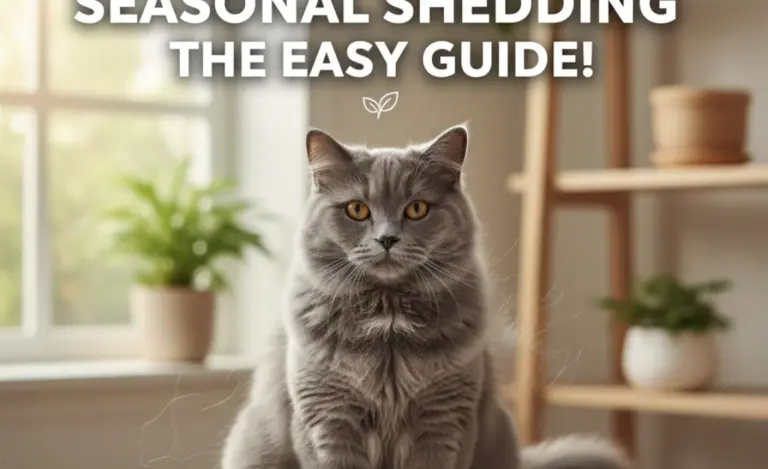
The British Shorthair has a double coat, consisting of a dense undercoat and a slightly longer topcoat. This combination gives them a teddy bear-like appearance, but it also means they shed—especially during spring and fall. Regular grooming is crucial to manage shedding and keep their coat in top condition.
Essential Grooming Tools
Having the right tools can make all the difference in your grooming routine. Here are some essentials:
- Slicker Brush: Perfect for removing loose fur and preventing mats.
- Metal Comb: Helps to detangle and smooth the coat.
- Nail Clippers: Designed specifically for trimming cat nails.
- Ear Cleaning Solution: A gentle solution to keep ears clean.
- Soft Towel: For drying after a bath.
- Cat Shampoo: Use a shampoo formulated for cats to avoid skin irritation.
Step-by-Step Grooming Guide
Now, let’s get into the nitty-gritty of grooming your British Shorthair. Here’s a step-by-step guide to help you keep your feline friend looking their best.
Step 1: Brushing
Frequency: 2-3 times a week (daily during shedding season)
Brushing is the most important part of grooming a British Shorthair. Regular brushing helps remove loose fur, prevent mats, and distribute natural oils, keeping their coat healthy and shiny.
- Start with the Slicker Brush: Gently brush your cat’s fur, working from head to tail. Be careful around sensitive areas like the belly and legs.
- Use the Metal Comb: After the slicker brush, use the metal comb to work through any remaining tangles.
- Pay Attention to Problem Areas: British Shorthairs are prone to mats behind their ears and under their legs, so give these areas extra attention.
Step 2: Bathing
Frequency: Every 1-3 months (or as needed)
British Shorthairs don’t need frequent baths, but an occasional wash can help remove dirt and excess oil. Over-bathing can strip their coat of natural oils, leading to dry skin.
- Prepare the Bath: Fill a sink or tub with lukewarm water.
- Wet Your Cat: Gently wet your cat’s fur, avoiding the face and ears.
- Apply Shampoo: Use a cat-specific shampoo and lather gently.
- Rinse Thoroughly: Rinse all the shampoo out of their fur.
- Dry Your Cat: Use a soft towel to dry your cat. You can also use a low-heat hair dryer if your cat tolerates it.
Step 3: Nail Trimming
Frequency: Every 2-3 weeks
Regular nail trimming prevents overgrowth and damage to your furniture. It also protects you from accidental scratches.
- Get Your Cat Comfortable: Hold your cat gently and extend one of their paws.
- Locate the Quick: The quick is the pink part of the nail that contains blood vessels and nerves. Avoid cutting into it.
- Trim the Nails: Use cat nail clippers to trim the tips of the nails, just before the quick.
- Reward Your Cat: Give your cat a treat after trimming their nails to create a positive association.
Step 4: Ear Cleaning
Frequency: Every 2 weeks
Cleaning your cat’s ears helps prevent infections and keeps them comfortable.
- Inspect the Ears: Check for dirt, wax buildup, or signs of infection.
- Apply Ear Cleaning Solution: Use a cat-specific ear cleaning solution.
- Clean Gently: Use a cotton ball to gently clean the inside of the ear.
- Avoid the Ear Canal: Do not insert anything into the ear canal.
Step 5: Dental Care
Frequency: Daily (brushing) and annual vet checkups
While not strictly grooming, dental care is essential for your British Shorthair’s overall health. Regular teeth brushing can prevent dental disease and keep their breath fresh.
- Use Cat-Specific Toothpaste: Never use human toothpaste, as it can be harmful to cats.
- Introduce Slowly: Start by letting your cat lick the toothpaste, then gradually introduce the toothbrush.
- Brush Gently: Brush your cat’s teeth in a circular motion, focusing on the gum line.
- Regular Vet Checkups: Schedule annual dental checkups with your vet.
Dealing with Shedding
British Shorthairs are moderate shedders, but they can shed heavily during spring and fall. Here are some tips for managing shedding:
- Increase Brushing: During shedding season, brush your cat daily to remove loose fur.
- Use a Deshedding Tool: A deshedding tool can help remove a significant amount of loose fur.
- Maintain a Healthy Diet: A balanced diet can improve coat health and reduce shedding.
- Consider a Professional Groomer: If shedding is excessive, a professional groomer can help.
Grooming a British Shorthair Kitten
Starting a grooming routine early in a British Shorthair kitten’s life can make it easier for both of you. Here are some tips for grooming a kitten:
- Start Slowly: Introduce grooming tools and techniques gradually.
- Make it Positive: Use treats and praise to create a positive association with grooming.
- Be Gentle: Kittens have sensitive skin, so be gentle when brushing and handling them.
- Keep Sessions Short: Start with short grooming sessions and gradually increase the duration as your kitten gets more comfortable.
Common Grooming Challenges and Solutions
Even with the best intentions, you might encounter some challenges while grooming your British Shorthair. Here are some common issues and how to address them:
| Challenge | Solution |
|---|---|
| Matting | Brush regularly, focusing on problem areas. Use a detangling spray if needed. |
| Resistance to Brushing | Start slowly, use treats, and make it a positive experience. |
| Fear of Nail Trimming | Introduce the clippers gradually, trim only the tips, and reward your cat. |
| Ear Infections | Clean ears regularly, watch for signs of infection, and consult your vet. |
| Excessive Shedding | Increase brushing, use a deshedding tool, and ensure a healthy diet. |
The Importance of a Healthy Diet
A healthy diet plays a crucial role in your British Shorthair’s coat health. Ensure your cat is eating a high-quality diet that’s rich in essential nutrients. Look for cat food that contains:
- Omega-3 and Omega-6 Fatty Acids: These promote healthy skin and a shiny coat.
- Protein: Essential for coat growth and repair.
- Vitamins and Minerals: Contribute to overall health and coat condition.
Consult your vet for recommendations on the best diet for your British Shorthair. The Purina website provides valuable information on selecting the right cat food to support your cat’s health and wellbeing.
When to Seek Professional Help
While you can handle most grooming tasks at home, there are times when professional help is needed. Consider seeking a professional groomer if:
- Your cat has severe matting: A professional groomer has the tools and expertise to safely remove mats without causing pain.
- You’re unable to trim your cat’s nails: If you’re nervous about cutting the quick, a groomer can help.
- Your cat has skin issues: A groomer can provide specialized treatments for skin conditions.
Additionally, regular check-ups with your veterinarian are essential for maintaining your cat’s overall health. The RSPCA recommends regular vet visits to ensure your pet stays healthy and happy.
Creating a Positive Grooming Experience
The key to successful grooming is creating a positive experience for your British Shorthair. Here are some tips:
- Choose the Right Time: Groom when your cat is relaxed and receptive.
- Use Positive Reinforcement: Reward your cat with treats and praise during and after grooming sessions.
- Be Gentle: Handle your cat gently and avoid pulling or tugging on their fur.
- Make it a Bonding Experience: Grooming can be a great way to bond with your cat.
Advanced Grooming Techniques
Once you’ve mastered the basics, you might want to explore some advanced grooming techniques to keep your British Shorthair looking their best. Here are a few ideas:
- Coat Conditioners: Use a leave-in conditioner to keep your cat’s coat soft and shiny.
- Grooming Wipes: Use grooming wipes to clean your cat’s fur between baths.
- Specialized Shampoos: Use a shampoo designed for specific coat types or skin conditions.
Grooming and Health
Grooming is not just about aesthetics; it’s also an important part of your British Shorthair’s overall health. Regular grooming can help you detect potential health problems early on. During grooming sessions, be on the lookout for:
- Lumps or Bumps: These could be signs of tumors or cysts.
- Skin Irritation: Redness, itching, or inflammation could indicate allergies or infections.
- Changes in Coat Texture: A dull or brittle coat could be a sign of nutritional deficiencies or underlying health issues.
- Parasites: Fleas, ticks, or mites can cause skin irritation and other health problems.
If you notice any of these signs, consult your veterinarian. Early detection and treatment can make a big difference in your cat’s health.
Breed-Specific Grooming Considerations
While the general grooming guidelines apply to all British Shorthairs, there are some breed-specific considerations to keep in mind. British Shorthairs are prone to certain health issues, such as hypertrophic cardiomyopathy (HCM) and polycystic kidney disease (PKD). Regular vet checkups and a healthy lifestyle can help manage these conditions.
Additionally, British Shorthairs have a tendency to become overweight, so it’s important to monitor their diet and exercise levels. Regular play sessions and interactive toys can help keep them active and prevent obesity.
According to The International Cat Association (TICA), responsible breeding practices and proper care are essential for maintaining the health and well-being of British Shorthairs.
Grooming for Senior British Shorthairs
As your British Shorthair ages, their grooming needs may change. Senior cats may have difficulty grooming themselves, so it’s important to provide extra assistance. Here are some tips for grooming senior cats:
- Be Extra Gentle: Senior cats may have arthritis or other joint problems, so be extra gentle when handling them.
- Shorten Grooming Sessions: Keep grooming sessions short and frequent to avoid tiring your cat.
- Use Soft Brushes: Use soft brushes to avoid irritating their skin.
- Monitor Skin Condition: Senior cats are more prone to skin problems, so monitor their skin condition closely.
Frequently Asked Questions (FAQ)
Q: How often should I brush my British Shorthair?
A: Brush your British Shorthair 2-3 times a week, increasing to daily during shedding season to prevent mats and remove loose fur.
Q: Do British Shorthairs need baths?
A: British Shorthairs only need baths every 1-3 months, or when they get particularly dirty. Over-bathing can dry out their skin.
Q: How can I make nail trimming easier?
A: Introduce nail trimming slowly, use treats as rewards, and only trim the tips of the nails to avoid the quick.
Q: What should I do if my cat hates being brushed?
A: Start with short brushing sessions, use a soft brush, and offer treats and praise to create a positive association.
Q: How do I clean my British Shorthair’s ears?
A: Use a cat-specific ear cleaning solution and a cotton ball to gently clean the inside of the ear, avoiding the ear canal.
Q: What are the signs of a healthy coat?
A: A healthy coat is shiny, soft, and free of mats or bald spots. The skin underneath should be clear and free of irritation.
Q: Can I use human shampoo on my British Shorthair?
A: No, never use human shampoo on your cat. It can be too harsh and disrupt their skin’s natural pH balance. Always use a shampoo specifically formulated for cats.
Conclusion
Grooming your British Shorthair might seem like a chore at first, but it’s a wonderful way to bond with your feline friend and ensure they stay healthy and happy. By following these best grooming practices, you’ll not only keep their coat looking fabulous but also detect potential health issues early on. Remember to be patient, gentle, and consistent, and your British Shorthair will reward you with years of love and companionship. Happy grooming!