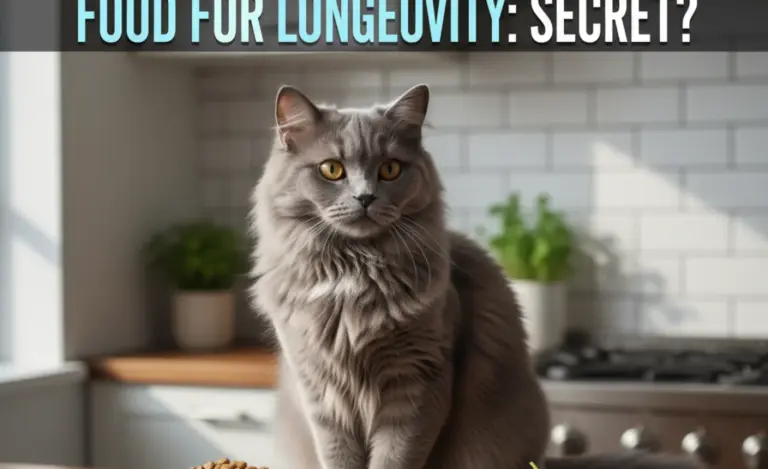
British Shorthair Lifespan for Kittens: Powerful Guide
Have you ever wondered how long your furry friend will live? Do you love the chubby cheeks of a British Shorthair? These cats are known for their sweet faces. You might ask, what is the British Shorthair lifespan for kittens?
Key Takeaways
- Proper care and a healthy diet can help your cat live longer.
- Genetic health issues can affect the British Shorthair lifespan for kittens.
- Indoor cats typically live longer than outdoor cats.
- Regular vet checkups are important for a long and healthy life.
- The average lifespan of a British Shorthair is 12 to 15 years.
Understanding the Kitten Stage
The kitten stage is a very important time for a British Shorthair. It is a time of rapid growth and development. During this time, they need lots of care. Good nutrition helps them grow strong. Socialization teaches them how to interact with others. Proper veterinary care keeps them healthy. This all affects their future. It also affects the British Shorthair lifespan for kittens. A good start in life sets the stage for a long and happy life. Neglecting these needs can lead to health problems later on. These problems can shorten their lifespan. So, give your kitten the best start possible.
- Kittens need special food.
- Socialization is very important.
- Vaccinations protect them from diseases.
- Regular vet visits are a must.
- A safe environment is also key.
Think of a tiny seed. If you plant it in good soil, it will grow strong. But if the soil is bad, the seed will struggle. Kittens are like that seed. Good care helps them thrive. Bad care makes them weak. When you bring a kitten home, you become their caretaker. You are responsible for their health and happiness. This includes feeding them well. It also means giving them love and attention. It means keeping them safe from harm. It means taking them to the vet when they are sick. All these things play a role in how long they live. They affect the British Shorthair lifespan for kittens.
Fun Fact or Stat: British Shorthair kittens grow the most in their first six months!
What Should Kittens Eat?
Kittens need special food. This food is high in protein and calories. It helps them grow big and strong. Look for food that is made for kittens. It should say “complete and balanced” on the label. This means it has all the nutrients they need. Don’t feed them adult cat food. It does not have enough of what they need. You should also give them fresh water. Always make sure the water bowl is clean. It is very important for their health. Proper nutrition will help ensure a good British Shorthair lifespan for kittens.
How to Socialize Kittens?
Socialization means teaching your kitten how to be friendly. It means getting them used to people, places, and things. Start by introducing them to your family. Let them explore your home. Play with them using toys. Talk to them in a gentle voice. You can also invite friends over. Make sure they are gentle with the kitten. If your kitten seems scared, don’t force them. Let them go at their own pace. Socialization helps them become well-adjusted cats. Socialization is very important for British Shorthair lifespan for kittens, because happy cats are healthy cats.
Why Are Vet Visits Important?
Vet visits are very important. Vets can find problems early. They can give vaccinations. Vaccinations protect your kitten from diseases. They can also give you advice on how to care for your kitten. You should take your kitten to the vet regularly. This will help them stay healthy. Regular vet visits are an important part of ensuring a long British Shorthair lifespan for kittens. Make sure to keep up with all the recommended checkups and vaccinations.
Genetic Factors and Lifespan
Genetics play a big part in how long a cat lives. Some breeds are prone to certain health problems. British Shorthairs can sometimes have heart problems. They can also have kidney problems. These problems can shorten their lifespan. Responsible breeders screen their cats for these problems. This helps to reduce the risk. If you are getting a kitten, ask the breeder about their health history. Knowing the parents’ health can give you an idea of what to expect. Genetic health contributes greatly to the British Shorthair lifespan for kittens. A healthy genetic background leads to a greater chance of a long life.
- HCM is a common heart problem.
- PKD is a kidney disease to watch for.
- Responsible breeders do genetic testing.
- Ask about the parents’ health history.
- Good genetics can increase lifespan.
- Poor genetics can shorten lifespan.
Imagine a family tree. If many family members have lived long lives, you might expect to live long too. It’s similar for cats. If a kitten comes from a line of healthy cats, it’s more likely to be healthy. But if the family has a history of illness, the kitten might be at risk. This is why it’s so important to choose a good breeder. A good breeder knows the history of their cats. They do everything they can to breed healthy kittens. They want their kittens to live long, happy lives. They understand the importance of genetics and the British Shorthair lifespan for kittens. A responsible breeder will be happy to answer all of your questions about their cats’ health.
Fun Fact or Stat: Genetic testing can identify potential health problems before they even start!
What is HCM in Cats?
HCM stands for hypertrophic cardiomyopathy. It is a heart disease. It causes the heart muscle to thicken. This makes it harder for the heart to pump blood. HCM can lead to heart failure. It can also cause sudden death. British Shorthairs are prone to HCM. There is a genetic test for HCM. Breeders can use this test to screen their cats. This helps them avoid breeding cats with HCM. Knowing about HCM is important for the British Shorthair lifespan for kittens. Early detection and management can help extend a cat’s life.
What is PKD in Cats?
PKD stands for polycystic kidney disease. It is a kidney disease. It causes cysts to form on the kidneys. These cysts can grow and damage the kidneys. PKD can lead to kidney failure. British Shorthairs are also prone to PKD. There is a genetic test for PKD. Breeders can use this test to screen their cats. This helps them avoid breeding cats with PKD. PKD is another important factor in British Shorthair lifespan for kittens. Responsible breeders will test for this disease to ensure healthy kittens.
How to Choose a Good Breeder?
Choosing a good breeder is very important. A good breeder cares about their cats. They want to breed healthy kittens. They will answer your questions. They will show you the parents of the kittens. They will let you see where the kittens live. They will also provide health records. Avoid breeders who seem secretive. Avoid breeders who don’t care about their cats. A good breeder knows the importance of genetics for British Shorthair lifespan for kittens. They prioritize health and well-being above all else.
Indoor vs. Outdoor Lifespan
Where a cat lives affects how long it lives. Indoor cats usually live longer than outdoor cats. Outdoor cats face many dangers. They can get hit by cars. They can get into fights with other animals. They can catch diseases. Indoor cats are safer. They don’t face these dangers. They are protected from the elements. They are less likely to get sick. Keeping your cat indoors is one way to help them live longer. This is a big factor in the British Shorthair lifespan for kittens. A safe, indoor environment greatly reduces the risk of accidents and illness.
- Outdoor cats face many dangers.
- Indoor cats are safer.
- Cars are a big threat to outdoor cats.
- Fights with other animals can cause injuries.
- Diseases spread more easily outdoors.
- Indoor cats are protected from the weather.
Imagine two kittens. One kitten lives inside. It has a warm bed and plenty of food. It plays with toys and gets lots of love. The other kitten lives outside. It has to find its own food. It has to avoid cars and other dangers. Which kitten do you think will live longer? The indoor kitten has a much better chance. It lives in a safe and comfortable environment. It doesn’t have to worry about finding food or fighting off predators. The outdoor kitten faces many challenges. These challenges can shorten its life. This highlights the importance of keeping your cat indoors for a longer British Shorthair lifespan for kittens.
Fun Fact or Stat: Indoor cats can live twice as long as outdoor cats!
Dangers Faced by Outdoor Cats
Outdoor cats face many dangers. Cars are a big threat. They can get hit by cars while crossing the street. Other animals can also be dangerous. Cats can get into fights with dogs or other cats. These fights can cause injuries. Diseases are another risk. Outdoor cats can catch diseases from other animals. Parasites like fleas and ticks are also common. These dangers can significantly impact the British Shorthair lifespan for kittens, making it shorter.
Benefits of Keeping Cats Indoors
Keeping cats indoors has many benefits. They are protected from cars and other dangers. They are less likely to get into fights with other animals. They are also less likely to catch diseases. Indoor cats are also protected from the weather. They don’t have to worry about getting too hot or too cold. These benefits contribute to a longer and healthier British Shorthair lifespan for kittens.
How to Make an Indoor Cat Happy
You can make an indoor cat happy. Give them plenty of toys. Provide scratching posts. Play with them every day. Give them a comfortable bed. Make sure they have fresh water. You can also give them cat grass to chew on. A happy cat is a healthy cat. Creating a stimulating and enriching environment is key to ensuring a good British Shorthair lifespan for kittens, even indoors.
Diet and Nutrition for Longevity
What a cat eats affects how long it lives. A healthy diet is very important. It gives them the nutrients they need. It helps them stay strong and healthy. Choose high-quality cat food. Look for food that is made with real meat. Avoid food with lots of fillers. Fillers are ingredients that don’t have much nutritional value. Make sure your cat always has fresh water. Obesity can shorten a cat’s life. Don’t overfeed your cat. A balanced diet contributes significantly to the British Shorthair lifespan for kittens. Proper nutrition sets the foundation for a long and healthy life.
- Choose high-quality cat food.
- Avoid foods with lots of fillers.
- Make sure they have fresh water.
- Don’t overfeed your cat.
- Consider adding supplements.
- Talk to your vet about the best diet.
Think of your body as a car. If you put cheap gas in your car, it won’t run well. It might even break down. But if you put good gas in your car, it will run smoothly. Your cat’s body is the same way. If you feed them cheap food, they won’t be healthy. They might get sick. But if you feed them good food, they will be strong and healthy. They will have more energy. They will be less likely to get sick. This is why it’s so important to choose high-quality cat food. A good diet is an investment in your cat’s health and longevity. It is important for the British Shorthair lifespan for kittens.
Fun Fact or Stat: Cats need taurine, an amino acid found in meat, for a healthy heart and good vision!
What to Look for in Cat Food
When choosing cat food, look for real meat. Chicken, turkey, or fish should be the first ingredient. Avoid foods that list corn or wheat as the main ingredient. These are fillers. They don’t provide much nutrition. Look for food that is “complete and balanced.” This means it has all the nutrients your cat needs. Read the label carefully. A good diet is crucial for the British Shorthair lifespan for kittens.
How to Prevent Obesity in Cats
Obesity can shorten a cat’s life. To prevent obesity, don’t overfeed your cat. Measure their food carefully. Follow the feeding guidelines on the food label. Avoid giving them too many treats. Make sure they get plenty of exercise. Play with them every day. Consider using a puzzle feeder. This makes them work for their food. Maintaining a healthy weight is important for the British Shorthair lifespan for kittens.
The Role of Supplements in a Cat’s Diet
Supplements can sometimes be helpful. Omega-3 fatty acids can improve skin and coat health. Probiotics can help with digestion. Taurine is important for heart health. Talk to your vet before giving your cat supplements. They can help you choose the right ones. They can also tell you how much to give. Supplements can play a supportive role in the British Shorthair lifespan for kittens, but always consult with a vet.
Regular Veterinary Care
Regular vet visits are very important. Vets can find problems early. They can give vaccinations. Vaccinations protect your cat from diseases. They can also give you advice on how to care for your cat. You should take your cat to the vet at least once a year. Older cats might need to go more often. Regular vet care is key to helping your cat live a long and healthy life. This is very important for the British Shorthair lifespan for kittens. Early detection and prevention can add years to their life.
| Age | Recommended Checkups | Vaccinations | Other |
|---|---|---|---|
| Kitten (0-6 months) | Monthly | FVRCP, FeLV, Rabies | Deworming, flea/tick prevention |
| Young Adult (6 months – 2 years) | Yearly | FVRCP, Rabies | Dental check, weight management |
| Adult (3-6 years) | Yearly | FVRCP, Rabies | Blood work, urine analysis |
| Senior (7+ years) | Twice yearly | FVRCP, Rabies | Comprehensive blood work, pain management |
Imagine you are building a house. You need to check the foundation regularly. If you see a crack, you need to fix it right away. Otherwise, the house might collapse. Your cat’s health is like that house. Regular vet visits are like checking the foundation. The vet can find small problems before they become big problems. They can give vaccinations to prevent diseases. They can give you advice on how to keep your cat healthy. This is why regular vet care is so important. It helps ensure a long and healthy British Shorthair lifespan for kittens. It’s an investment in their well-being.
Fun Fact or Stat: Cats age faster than humans, so a yearly vet visit is like a human going to the doctor every 5-7 years!
What to Expect at a Vet Visit
At a vet visit, the vet will do a physical exam. They will check your cat’s weight. They will listen to their heart and lungs. They will check their teeth and gums. They will also ask you questions about your cat’s health. Be prepared to answer questions about their diet, behavior, and any changes you have noticed. The vet visit is a crucial part of understanding the British Shorthair lifespan for kittens.
The Importance of Vaccinations
Vaccinations protect your cat from diseases. Common vaccinations include FVRCP and Rabies. FVRCP protects against feline viral rhinotracheitis, calicivirus, and panleukopenia. Rabies is a deadly disease that can affect all mammals. Vaccinations are very important for kittens. They help them build immunity. Make sure to keep up with your cat’s vaccinations. Vaccinations play a key role in the British Shorthair lifespan for kittens.
Dental Care for Cats
Dental care is very important for cats. Dental disease can lead to pain and infection. It can also affect their overall health. Brush your cat’s teeth regularly. Use a special toothpaste made for cats. You can also give them dental treats. Regular vet checkups include dental exams. The vet can clean your cat’s teeth if needed. Good dental care contributes to the overall British Shorthair lifespan for kittens.
Common Health Problems Affecting Lifespan
British Shorthairs can be prone to some health problems. We already talked about HCM and PKD. Other common problems include arthritis and dental disease. These problems can affect their quality of life. They can also shorten their lifespan. Knowing about these problems can help you take better care of your cat. Talk to your vet about any concerns you have. Early detection and treatment can make a big difference. Understanding these issues can help maximize the British Shorthair lifespan for kittens.
- HCM (heart disease)
- PKD (kidney disease)
- Arthritis (joint pain)
- Dental disease (gum problems)
- Hyperthyroidism (overactive thyroid)
- Diabetes (blood sugar problems)
Imagine your cat is getting older. They might start to slow down. They might not be able to jump as high as they used to. They might have trouble eating. These could be signs of health problems. Arthritis can cause joint pain. Dental disease can make it hard to eat. Hyperthyroidism can cause weight loss and other problems. Diabetes can cause increased thirst and urination. Knowing the signs of these problems can help you get them treated early. Early treatment can improve their quality of life and potentially extend their lifespan. This is why it’s so important to be aware of common health problems and how they affect the British Shorthair lifespan for kittens.
Fun Fact or Stat: Senior cats are more likely to develop health problems, so regular checkups are even more important as they age!
What is Arthritis in Cats?
Arthritis is a common problem in older cats. It causes joint pain and stiffness. This can make it hard for them to move around. They might not be able to jump as high as they used to. They might have trouble getting in and out of the litter box. There are treatments for arthritis. Pain medication can help relieve the pain. Joint supplements can help improve joint health. Weight management can also help. Addressing arthritis is important for the British Shorthair lifespan for kittens as they age.
What is Hyperthyroidism in Cats?
Hyperthyroidism is a condition where the thyroid gland is overactive. This causes the cat to produce too much thyroid hormone. This can lead to weight loss, increased appetite, and increased thirst. It can also cause vomiting and diarrhea. There are treatments for hyperthyroidism. Medication can help control the thyroid hormone levels. Surgery can remove the thyroid gland. Radioactive iodine therapy can destroy the overactive thyroid tissue. Treating hyperthyroidism is important for maintaining the British Shorthair lifespan for kittens.
What is Diabetes in Cats?
Diabetes is a condition where the body cannot regulate blood sugar levels. This can lead to increased thirst, increased urination, and weight loss. It can also cause nerve damage and other problems. There are treatments for diabetes. Insulin injections can help regulate blood sugar levels. Dietary changes can also help. Regular monitoring of blood sugar levels is important. Managing diabetes is essential for ensuring a good British Shorthair lifespan for kittens.
Creating a Safe and Loving Environment
A safe and loving environment is very important for a cat’s well-being. Cats need to feel safe and secure. They need to have a place to call their own. This could be a comfortable bed or a quiet corner. They also need plenty of love and attention. Play with them every day. Give them lots of cuddles. A happy cat is a healthy cat. A loving environment contributes positively to the British Shorthair lifespan for kittens. Emotional well-being is just as important as physical health.
- Provide a safe and secure home.
- Give them a comfortable bed.
- Play with them every day.
- Give them lots of cuddles.
- Reduce stress in their environment.
- Avoid loud noises and sudden changes.
Imagine you are a cat. You live in a home where you feel loved and safe. You have a warm bed to sleep in. You have plenty of food and water. Your humans play with you every day. They give you lots of cuddles. You feel happy and content. Now imagine you live in a home where you feel scared and anxious. There are loud noises all the time. Your humans don’t pay attention to you. You don’t have a comfortable place to sleep. Which home would you rather live in? A safe and loving environment is essential for a cat’s well-being. It contributes to a longer and healthier life. It supports the British Shorthair lifespan for kittens.
Fun Fact or Stat: Cats can get stressed just like humans, and stress can weaken their immune system!
How to Reduce Stress in a Cat’s Environment
Cats can get stressed by loud noises, sudden changes, and other things. To reduce stress, create a calm and predictable environment. Avoid loud noises and sudden changes. Provide a safe place where they can retreat when they feel scared. Use pheromone diffusers to help calm them. Spend time playing with them every day. A stress-free environment is important for the British Shorthair lifespan for kittens.
The Importance of Playtime
Playtime is very important for cats. It helps them stay active and healthy. It also helps them bond with their humans. Provide a variety of toys. Rotate the toys regularly to keep them interested. Play with them every day. Even a few minutes of playtime can make a big difference. Playtime is important for both physical and mental well-being, which contributes to the British Shorthair lifespan for kittens.
Creating a Cat-Friendly Home
A cat-friendly home is one that is safe and stimulating for cats. Provide scratching posts. This will help them keep their claws healthy. Provide climbing structures. This will allow them to exercise and explore. Provide plenty of hiding places. This will give them a place to retreat when they feel scared. Make sure there are no toxic plants or chemicals within reach. A cat-friendly home environment promotes a longer British Shorthair lifespan for kittens.
Summary
The British Shorthair lifespan for kittens is influenced by many factors. Genetics play a significant role. Responsible breeders can help minimize genetic health problems. Environment is also key. Indoor cats typically live longer. This is because they are protected from outdoor dangers. Diet and nutrition are crucial. High-quality food helps them stay strong and healthy. Regular vet care is essential. Vets can detect and treat problems early. A safe and loving environment is also important. Happy cats are healthy cats. By addressing all these factors, you can help your British Shorthair kitten live a long and happy life.
Conclusion
Many things affect how long a British Shorthair kitten lives. Good genes, a safe home, and a healthy diet matter. Regular vet visits are also very important. By taking good care of your kitten, you can help them live a long and happy life. Remember that the British Shorthair lifespan for kittens is in your hands. Make sure to give them the best possible start.
Frequently Asked Questions
Question No 1: What is the average lifespan of a British Shorthair?
Answer: The average lifespan of a British Shorthair is typically between 12 and 15 years. However, some British Shorthairs can live even longer with proper care and a healthy lifestyle. Factors such as genetics, diet, environment, and regular veterinary care can all play a role in determining how long a British Shorthair will live. Providing a safe and loving home, along with a nutritious diet and regular checkups, can help maximize their lifespan. Remember that the British Shorthair lifespan for kittens starts with the care you give them from day one.
Question No 2: How can I ensure my British Shorthair kitten lives a long life?
Answer: To help your British Shorthair kitten live a long and healthy life, focus on several key areas. First, choose a reputable breeder who screens their cats for genetic health problems. Second, provide a high-quality diet that is appropriate for kittens. Third, keep your cat indoors to protect them from outdoor dangers. Fourth, schedule regular veterinary checkups for vaccinations and early detection of any health issues. Finally, create a safe and loving environment with plenty of playtime and attention. These steps are essential for maximizing the British Shorthair lifespan for kittens.
Question No 3: What are some common health problems that can affect the lifespan of a British Shorthair?
Answer: British Shorthairs can be prone to certain health problems that can affect their lifespan. These include hypertrophic cardiomyopathy (HCM), polycystic kidney disease (PKD), arthritis, and dental disease. HCM is a heart condition, while PKD affects the kidneys. Arthritis can cause joint pain, and dental disease can lead to infections. Regular veterinary checkups can help detect these problems early. Early detection and treatment can significantly improve the British Shorthair lifespan for kittens and adult cats alike.
Question No 4: Is it better to keep my British Shorthair indoors or let them roam outside?
Answer: It is generally better to keep your British Shorthair indoors. Outdoor cats face many dangers, such as cars, other animals, and diseases. Indoor cats are protected from these risks and typically live longer lives. You can create a stimulating indoor environment with toys, scratching posts, and climbing structures. This will help keep your cat happy and healthy. Keeping your cat indoors is a significant factor in extending the British Shorthair lifespan for kittens.
Question No 5: What kind of diet is best for a British Shorthair to maximize their lifespan?
Answer: A high-quality diet is essential for maximizing the lifespan of your British Shorthair. Choose a cat food that is made with real meat and avoid foods with lots of fillers. Make sure the food is appropriate for their age, whether kitten, adult, or senior. Provide fresh water at all times. Avoid overfeeding, as obesity can shorten their lifespan. Consider adding supplements, such as omega-3 fatty acids, to support their health. Proper nutrition is key for a long British Shorthair lifespan for kittens.
Question No 6: How often should I take my British Shorthair to the vet?
Answer: You should take your British Shorthair to the vet at least once a year for a checkup. Kittens need more frequent visits for vaccinations and deworming. Senior cats may also need more frequent checkups to monitor for age-related health problems. Regular vet visits are essential for early detection and treatment of any health issues. This can significantly impact the British Shorthair lifespan for kittens and adult cats, ensuring they live a long and healthy life.