British Shorthair Breed Profile Appearance: The Ultimate Guide
Have you ever seen a cat that looks like a fluffy teddy bear? That might be a British Shorthair! These cats are famous for their round faces and soft fur. Let’s explore the British Shorthair breed profile appearance. What makes them so special and cute?
British Shorthairs are calm and friendly. They make great pets for families. They are also very easy to take care of. Want to learn more about these amazing cats? Keep reading to discover all about them.
These cats have a unique look. Their fur comes in many colors. They are also known for their big, round eyes. The British Shorthair breed profile appearance is truly one of a kind. Let’s dive in and find out more!
Key Takeaways
- The British Shorthair is known for its round face and dense, plush coat.
- They are typically calm, affectionate, and easy-going cats.
- British Shorthair breed profile appearance includes various coat colors and patterns.
- Regular grooming is essential to maintain their coat’s health and appearance.
- These cats are adaptable and make great family pets.
Understanding British Shorthair Breed Profile Appearance
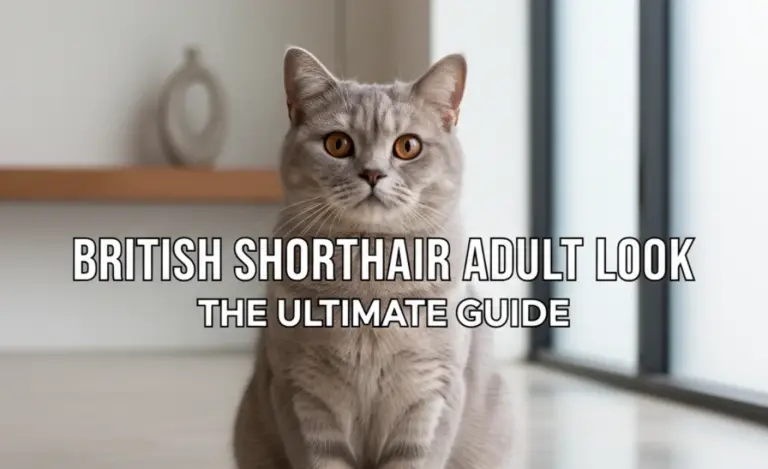
The British Shorthair breed profile appearance is quite distinctive. These cats have a sturdy, muscular build. Their round faces and big, copper-colored eyes give them a charming look. Their coat is short, dense, and plush, making them irresistible to pet. The British Shorthair is a medium-to-large-sized cat. Males are usually larger than females. They have a broad chest and strong legs. Their tail is thick and rounded at the tip. The overall impression is one of a robust and well-balanced cat. This breed is known for its “teddy bear” appearance, making them a popular choice for families. Their gentle nature complements their adorable looks. They are often described as being dignified and reserved, but also affectionate with their families. The British Shorthair’s appearance is a key part of its appeal. People love their round faces and soft, cuddly fur.
- Round face with full cheeks
- Large, round, copper-colored eyes
- Short, dense, and plush coat
- Muscular and sturdy build
- Medium-to-large size
The British Shorthair’s appearance is not just about looks. Their thick coat helps them stay warm in cold weather. Their muscular build makes them agile and strong. They can adapt to different environments. The British Shorthair is a healthy and hardy breed. Good breeders focus on maintaining these traits. They also focus on the cat’s temperament. A well-bred British Shorthair is both beautiful and well-behaved. They are a great addition to any family. Their calm and gentle nature makes them easy to live with. They are also very playful and enjoy interactive games. The British Shorthair breed profile appearance is truly captivating. It is no wonder they are so loved around the world.
Fun Fact or Stat: The British Shorthair is one of the oldest cat breeds in the world, believed to have been brought to Britain by the Romans!
What Colors Do They Come In?
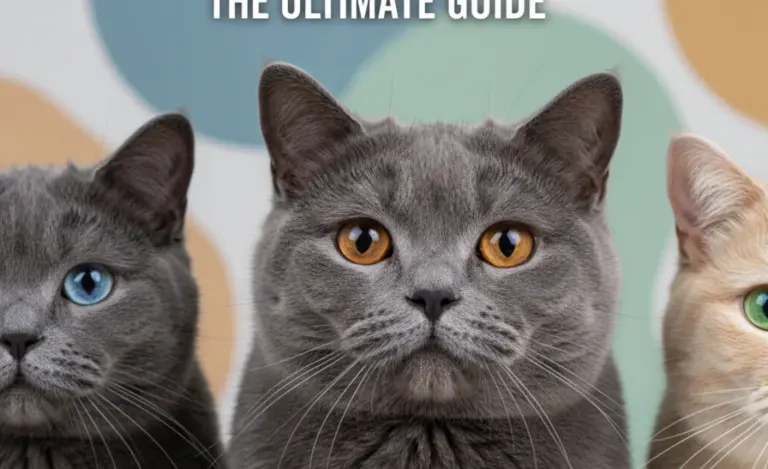
British Shorthairs come in a rainbow of colors. Do you know that their coats can be solid, tabby, or even colorpoint? The most famous color is blue. This is a beautiful gray-blue shade. Other popular colors include white, black, cream, and chocolate. Tabby patterns can be classic, mackerel, or spotted. Colorpoint British Shorthairs have darker colors on their face, ears, paws, and tail. This is similar to Siamese cats. The variety of colors and patterns makes each British Shorthair unique. Breeders work hard to produce these different colors. Some colors are rarer than others. The color of a British Shorthair’s eyes can also vary. They are usually copper, gold, or blue. The eye color often complements the coat color. This makes them even more beautiful. The British Shorthair breed profile appearance is always stunning.
How Big Do British Shorthairs Get?
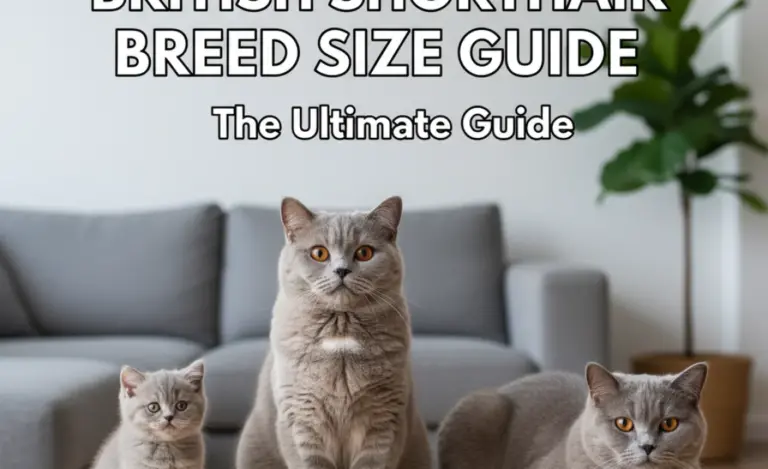
British Shorthairs are medium-to-large cats. Have you ever wondered how big they actually get? Males usually weigh between 9 and 17 pounds. Females are a bit smaller, weighing between 7 and 12 pounds. They are slow to mature. They usually reach their full size around 3 to 5 years old. Their body is sturdy and muscular. They have a broad chest and strong legs. Their size contributes to their “teddy bear” appearance. This makes them even more cuddly and huggable. Their weight should be healthy and proportionate to their size. Overweight British Shorthairs can have health problems. It is important to feed them a balanced diet and provide plenty of exercise. This helps them stay fit and healthy. The British Shorthair breed profile appearance is enhanced by their healthy weight.
What Is Their Coat Like?
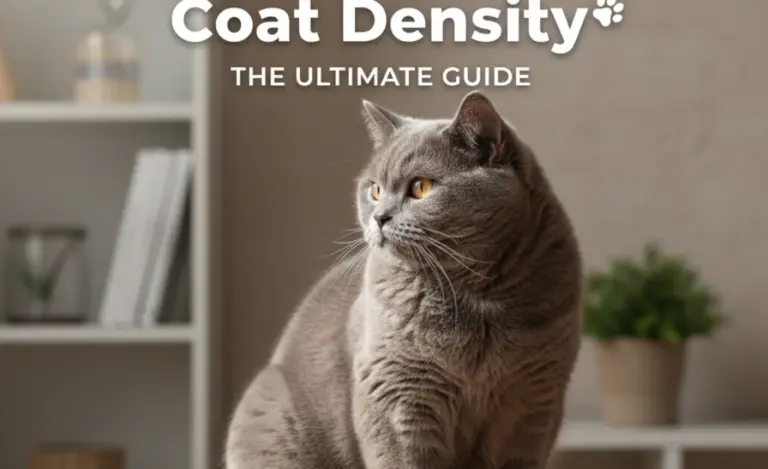
The British Shorthair’s coat is one of its most distinctive features. Did you know that it is dense, plush, and short? It feels almost like a teddy bear’s fur. The coat stands away from the body, giving them a round appearance. This is different from other breeds where the fur lies flat. The texture of the coat is crisp and resilient. It provides insulation and protection. Regular grooming is important to keep their coat healthy. Brushing helps remove loose hair and prevent mats. It also stimulates blood circulation and promotes healthy skin. The British Shorthair’s coat comes in many colors and patterns. Each one is beautiful and unique. The British Shorthair breed profile appearance is greatly influenced by their coat.
Coat Colors and Patterns of British Shorthairs
British Shorthairs boast a wide array of coat colors and patterns. Have you ever wondered about the different looks they can have? Solid colors include blue, white, black, cream, and chocolate. These cats have a uniform color all over their body. Tabby patterns are also common. These include classic, mackerel, and spotted tabby. Classic tabby has swirling patterns. Mackerel tabby has stripes. Spotted tabby has spots all over. Bicolor British Shorthairs have a combination of white and another color. Tortoiseshell cats have a mix of black and orange. Colorpoint British Shorthairs have darker colors on their face, ears, paws, and tail. The variety of colors and patterns makes each cat unique. The British Shorthair breed profile appearance is incredibly diverse. Breeders work hard to maintain these different colors and patterns.
- Solid colors: blue, white, black, cream
- Tabby patterns: classic, mackerel, spotted
- Bicolor: white with another color
- Tortoiseshell: mix of black and orange
- Colorpoint: darker colors on extremities
- Each color and pattern is unique
The color and pattern of a British Shorthair’s coat can affect its price. Rare colors and patterns may be more expensive. The quality of the coat is also important. A healthy coat is shiny and soft. Regular grooming helps maintain the coat’s appearance. Breeders pay close attention to the coat when evaluating a cat. They look for good color, pattern, and texture. The coat is a key part of the British Shorthair breed profile appearance. It adds to their overall charm and appeal. People love to cuddle with these cats because of their soft, plush fur. The coat is a defining characteristic of the breed.
Fun Fact or Stat: Blue British Shorthairs are so popular that they are sometimes called “British Blues”!
What Is a Tabby Pattern?
Tabby is a very common pattern in British Shorthairs. Do you know what makes a tabby a tabby? Tabby cats have stripes, swirls, or spots on their fur. The classic tabby pattern has swirling patterns on the sides of the body. The mackerel tabby pattern has narrow stripes running down the sides. The spotted tabby pattern has spots all over the body. All tabby cats have an “M” shape on their forehead. This is a hallmark of the tabby pattern. Tabby patterns can be combined with different colors. This creates a wide variety of looks. Tabby British Shorthairs are very popular. Their unique patterns add to their charm. The British Shorthair breed profile appearance is often enhanced by the tabby pattern.
What Are Bicolor Cats?
Bicolor cats have a coat with two colors. Have you ever seen a cat that is mostly white with patches of another color? These are often called bicolor cats. In British Shorthairs, bicolor cats usually have white combined with another color. Common combinations include white and blue, white and black, or white and cream. The amount of white can vary. Some cats have just a few white spots. Others are mostly white with small patches of color. Bicolor cats are also called “harlequin” or “van” depending on the amount of white. Bicolor patterns are caused by a gene that affects pigment production. This gene causes white spotting. Bicolor British Shorthairs are very attractive. Their contrasting colors make them stand out. The British Shorthair breed profile appearance is often striking in bicolor cats.
What Is a Colorpoint Pattern?
Colorpoint is a unique pattern found in some British Shorthairs. Did you know that colorpoint cats have darker colors on their face, ears, paws, and tail? This pattern is similar to that seen in Siamese cats. The body is usually a lighter color, such as cream or white. The colorpoint pattern is caused by a temperature-sensitive gene. This gene only produces pigment in cooler areas of the body. The points, or extremities, are cooler than the body. This results in the darker color. Colorpoint British Shorthairs are beautiful and elegant. Their striking contrast makes them very popular. The British Shorthair breed profile appearance is enhanced by the colorpoint pattern.
Grooming Needs for British Shorthairs
Grooming is essential for maintaining a British Shorthair’s coat. Have you thought about how to keep your cat looking its best? British Shorthairs have a dense, plush coat. This coat requires regular brushing to prevent mats. Brushing helps remove loose hair and distribute oils. It also stimulates blood circulation and promotes healthy skin. You should brush your British Shorthair at least once a week. During shedding season, you may need to brush them more often. Use a good quality brush designed for cats. A metal comb can also be helpful for removing mats. Bathing is not usually necessary unless your cat gets dirty. Over-bathing can dry out their skin. Trim their nails regularly to prevent them from scratching furniture. Check their ears regularly and clean them if needed. Good grooming habits will keep your British Shorthair looking and feeling great. The British Shorthair breed profile appearance is greatly enhanced by regular grooming.
- Brush at least once a week
- Brush more often during shedding season
- Use a good quality cat brush
- Trim nails regularly
- Check and clean ears
- Bathe only when necessary
Grooming is not just about looks. It is also about health. Regular grooming can help you detect skin problems early. You can also check for fleas or ticks. Grooming is a good way to bond with your cat. They will enjoy the attention and affection. Make grooming a positive experience by using treats and praise. Start grooming your cat when they are young. This will help them get used to it. A well-groomed British Shorthair is a happy and healthy cat. The British Shorthair breed profile appearance will always be at its best with proper care. Regular grooming is an important part of responsible pet ownership.
Fun Fact or Stat: British Shorthairs have a double coat, which means they shed more than some other breeds!
How Often Should You Brush Them?
Brushing is a key part of grooming a British Shorthair. How often should you reach for that brush? You should brush your British Shorthair at least once a week. This helps remove loose hair and prevent mats. During shedding season, you may need to brush them more often. Some owners brush their cats every day during this time. The frequency of brushing depends on the individual cat. Some cats shed more than others. Regular brushing helps keep their coat healthy and shiny. It also reduces the amount of hair that ends up on your furniture. Make brushing a regular part of your routine. Your cat will appreciate the attention. The British Shorthair breed profile appearance will benefit from regular brushing.
What Kind of Brush Should You Use?
Choosing the right brush is important for grooming your British Shorthair. Do you know what kind of brush works best? A slicker brush is a good choice for removing loose hair. A metal comb can help detangle mats. A rubber brush can massage the skin and stimulate circulation. Choose a brush that is comfortable for both you and your cat. The bristles should be gentle and not scratchy. Introduce the brush slowly and gradually. Make grooming a positive experience by using treats and praise. Experiment with different brushes to find the one that works best. The right brush will make grooming easier and more effective. The British Shorthair breed profile appearance will be enhanced by using the right tools.
Do They Need Baths?
Bathing is not always necessary for British Shorthairs. Have you ever wondered if your cat needs a bath? British Shorthairs are generally clean cats. They groom themselves regularly. Unless your cat gets very dirty, a bath is usually not needed. Over-bathing can dry out their skin. If you do need to bathe your cat, use a gentle cat shampoo. Avoid getting shampoo in their eyes and ears. Rinse them thoroughly and dry them with a soft towel. You can also use a hair dryer on a low setting. Make sure they are completely dry before letting them outside. The British Shorthair breed profile appearance benefits from occasional baths only when needed.
British Shorthair Temperament and Personality
The British Shorthair is known for its calm and gentle temperament. Have you ever met a cat that is both independent and affectionate? These cats are often described as being dignified and reserved. They are not overly demanding or clingy. They enjoy spending time with their families. They are also happy to entertain themselves. British Shorthairs are good with children and other pets. They are adaptable and easy-going. They are not easily stressed or agitated. They are a great choice for families with busy lifestyles. They are also good for first-time cat owners. British Shorthairs are intelligent and trainable. They can be taught tricks and commands. They are also very playful and enjoy interactive games. The British Shorthair breed profile appearance is matched by their wonderful personality.
- Calm and gentle temperament
- Independent but affectionate
- Good with children and other pets
- Adaptable and easy-going
- Intelligent and trainable
- Playful and enjoy games
The temperament of a British Shorthair can be influenced by genetics and socialization. Good breeders focus on producing cats with good temperaments. Early socialization is important for helping kittens develop into well-adjusted adults. Expose them to different people, places, and experiences. This will help them become confident and friendly. The British Shorthair is a loving and loyal companion. They will bring joy and happiness to your home. The British Shorthair breed profile appearance is complemented by their wonderful personality. They are truly a special breed.
Fun Fact or Stat: British Shorthairs are sometimes called the “British Bulldog” of the cat world due to their sturdy build and calm demeanor!
Are They Good With Children?
British Shorthairs are known for being good with children. Have you ever wondered why they make such great family pets? Their calm and gentle temperament makes them well-suited for kids. They are not easily startled or agitated. They are patient and tolerant. They will usually tolerate being handled and petted by children. It is important to teach children how to treat cats with respect. Supervise interactions between cats and young children. Make sure the cat has a safe place to retreat if they feel overwhelmed. British Shorthairs can form strong bonds with children. They will become loyal and loving companions. The British Shorthair breed profile appearance is matched by their family-friendly nature.
Are They Good With Other Pets?
British Shorthairs generally get along well with other pets. Have you ever wondered if they can live peacefully with dogs or other cats? Their adaptable and easy-going nature makes them good companions. They are not usually aggressive or territorial. It is important to introduce new pets slowly and carefully. Supervise their interactions and provide separate spaces for them. Make sure each pet has its own food and water bowls. With patience and proper introduction, British Shorthairs can live harmoniously with other pets. They may even become best friends. The British Shorthair breed profile appearance is complemented by their ability to get along with other animals.
Are They Playful?
British Shorthairs are playful cats, but they are not overly energetic. Do you know how much playtime they need? They enjoy interactive games with their owners. They also enjoy playing with toys on their own. Provide them with a variety of toys to keep them entertained. Rotate the toys regularly to keep them interested. Playtime is important for their physical and mental health. It helps them stay fit and prevent boredom. British Shorthairs are not as demanding as some other breeds. They are happy to play when you have time. The British Shorthair breed profile appearance is matched by their moderate energy levels.
Health Considerations for British Shorthairs
British Shorthairs are generally healthy cats, but they are prone to certain health problems. Have you ever thought about what health issues might affect your cat? Hypertrophic cardiomyopathy (HCM) is a heart condition that can affect British Shorthairs. Polycystic kidney disease (PKD) is another potential problem. This is a genetic disease that causes cysts to form on the kidneys. Regular veterinary checkups are important for detecting these problems early. A healthy diet and regular exercise can help prevent health problems. Choose a reputable breeder who screens their cats for genetic diseases. This will increase your chances of getting a healthy kitten. The British Shorthair breed profile appearance should include a healthy and well-cared-for cat.
| Health Condition | Description | Symptoms | Prevention/Management |
|---|---|---|---|
| Hypertrophic Cardiomyopathy (HCM) | Heart muscle thickens, reducing heart function. | Difficulty breathing, lethargy, fainting. | Regular veterinary checkups, genetic screening. |
| Polycystic Kidney Disease (PKD) | Cysts form on the kidneys, impairing function. | Increased thirst, increased urination, weight loss. | Genetic screening, supportive care. |
| Obesity | Excessive body weight. | Visible fat accumulation, reduced activity. | Controlled diet, regular exercise. |
| Dental Disease | Inflammation and infection of the gums and teeth. | Bad breath, drooling, difficulty eating. | Regular dental cleaning, proper diet. |
- Hypertrophic cardiomyopathy (HCM)
- Polycystic kidney disease (PKD)
- Regular veterinary checkups
- Healthy diet and exercise
- Choose a reputable breeder
- Genetic screening
Responsible pet ownership includes providing good health care for your British Shorthair. This includes regular vaccinations and parasite control. Make sure your cat is protected against fleas, ticks, and worms. Provide them with a safe and comfortable environment. This will help them stay happy and healthy. The British Shorthair breed profile appearance is best when the cat is healthy and well-cared for. A healthy cat is a happy cat.
Fun Fact or Stat: British Shorthairs have a lifespan of 12-15 years on average, but some can live even longer with good care!
What Is Hypertrophic Cardiomyopathy (HCM)?
Hypertrophic cardiomyopathy (HCM) is a common heart condition in cats. Have you ever heard of this disease? HCM causes the heart muscle to thicken. This makes it harder for the heart to pump blood. Symptoms of HCM can include difficulty breathing, lethargy, and fainting. Some cats with HCM may not show any symptoms. HCM can be diagnosed with an echocardiogram. This is an ultrasound of the heart. There is no cure for HCM, but it can be managed with medication. Regular veterinary checkups are important for detecting HCM early. Genetic screening can also help identify cats at risk. The British Shorthair breed profile appearance can be affected by HCM, as it can lead to reduced activity levels.
What Is Polycystic Kidney Disease (PKD)?
Polycystic kidney disease (PKD) is a genetic disease that affects the kidneys. Have you ever wondered how this disease impacts cats? PKD causes cysts to form on the kidneys. These cysts can grow and damage the kidneys. Symptoms of PKD can include increased thirst, increased urination, and weight loss. PKD can be diagnosed with an ultrasound. There is no cure for PKD, but it can be managed with supportive care. This includes providing a special diet and medications. Genetic testing can identify cats that carry the gene for PKD. Breeders should screen their cats for PKD to prevent it from being passed on to kittens. The British Shorthair breed profile appearance can be affected by PKD, as it can lead to a decline in overall health.
How Can You Keep Them Healthy?
Keeping your British Shorthair healthy requires a combination of good care and preventative measures. What are the best ways to ensure your cat stays in top condition? Provide them with a balanced diet and fresh water. Make sure they get regular exercise. Schedule regular veterinary checkups. Keep them up-to-date on vaccinations and parasite control. Provide them with a safe and comfortable environment. Choose a reputable breeder who screens their cats for genetic diseases. Be aware of the potential health problems that can affect British Shorthairs. Early detection and treatment can improve their quality of life. The British Shorthair breed profile appearance is a reflection of their overall health and well-being.
Finding a Reputable British Shorthair Breeder
Finding a reputable breeder is essential when getting a British Shorthair. Have you ever wondered how to choose a good breeder? A good breeder will prioritize the health and temperament of their cats. They will screen their cats for genetic diseases. They will provide a clean and loving environment for their cats. They will be knowledgeable about the breed and willing to answer your questions. They will not sell kittens to pet stores. They will want to meet you and make sure you are a good fit for their kittens. They will provide you with health records and registration papers. They will offer ongoing support and advice. A reputable breeder is committed to the well-being of their cats. The British Shorthair breed profile appearance is best when the cat comes from a responsible breeder.
- Prioritize health and temperament
- Screen for genetic diseases
- Provide a clean and loving environment
- Knowledgeable about the breed
- Willing to answer questions
- Offer ongoing support
Avoid breeders who seem more interested in making money than in the welfare of their cats. Be wary of breeders who sell kittens cheaply or who are unwilling to provide health information. Visit the breeder’s home or cattery. Observe the conditions in which the cats are raised. Look for signs of cleanliness and good care. Ask the breeder about their breeding practices and their goals for the breed. A good breeder will be proud to show off their cats and their facilities. The British Shorthair breed profile appearance is a reflection of the breeder’s commitment to quality.
Fun Fact or Stat: Reputable breeders often have waiting lists for their kittens, so be prepared to wait for the right cat!
What Questions Should You Ask a Breeder?
Asking the right questions is crucial when choosing a breeder. What should you ask to ensure you’re getting a healthy, well-adjusted kitten? Ask about the breeder’s experience with British Shorthairs. Ask about the health history of the parents. Ask about the genetic testing they perform. Ask about the socialization of the kittens. Ask about the breeder’s breeding practices. Ask about the breeder’s goals for the breed. Ask about the support they provide to new owners. The answers to these questions will help you assess the breeder’s commitment to quality. The British Shorthair breed profile appearance is best when the breeder is knowledgeable and responsible.
What Should You Look for When Visiting a Cattery?
Visiting a cattery can give you valuable insights into the breeder’s practices. What should you look for to ensure the cats are well-cared for? Look for cleanliness and hygiene. Look for spacious and comfortable living areas. Look for signs of good health in the cats. Look for signs of socialization and interaction. Look for a loving and attentive breeder. Look for a well-organized and professional operation. The conditions in which the cats are raised will have a significant impact on their health and temperament. The British Shorthair breed profile appearance is influenced by the care they receive in the cattery.
Why Is Genetic Testing Important?
Genetic testing is an important tool for preventing genetic diseases in British Shorthairs. Have you ever wondered why breeders perform these tests? Genetic testing can identify cats that carry the genes for certain diseases. This allows breeders to make informed decisions about breeding pairs. By avoiding breeding cats that carry the same disease genes, they can reduce the risk of producing affected kittens. Genetic testing can help improve the health and well-being of the breed. The British Shorthair breed profile appearance is enhanced by ensuring genetic health.
Caring for a British Shorthair Kitten
Caring for a British Shorthair kitten is a rewarding experience. Have you ever thought about what it takes to raise a kitten? Kittens require a lot of attention and care. Provide them with a safe and comfortable environment. Offer them a high-quality kitten food. Make sure they have fresh water available at all times. Provide them with a litter box and keep it clean. Socialize them early by exposing them to different people, places, and experiences. Play with them regularly and provide them with toys. Schedule regular veterinary checkups and vaccinations. Train them to use a scratching post. Be patient and loving. The British Shorthair breed profile appearance develops best with proper kitten care.
- Safe and comfortable environment
- High-quality kitten food
- Fresh water at all times
- Clean litter box
- Early socialization
- Regular playtime
- Veterinary checkups and vaccinations
Kittens are very curious and playful. They need a lot of stimulation to prevent boredom. Provide them with a variety of toys and rotate them regularly. Make sure they have a scratching post to satisfy their natural instincts. Supervise them closely to prevent them from getting into trouble. Kittens can be destructive if they are not given enough attention. Be patient and consistent with your training. The British Shorthair breed profile appearance is enhanced by a happy and well-adjusted kitten.
Fun Fact or Stat: British Shorthair kittens are known for their adorable, round faces and playful personalities!
What Should You Feed a Kitten?
Feeding a kitten the right food is essential for their growth and development. What kind of food is best for a British Shorthair kitten? Choose a high-quality kitten food that is specifically formulated for kittens. Look for a food that contains a good balance of protein, fat, and carbohydrates. Avoid foods that contain artificial colors, flavors, or preservatives. Feed your kitten several small meals throughout the day. Follow the feeding guidelines on the food package. Provide fresh water at all times. The British Shorthair breed profile appearance is supported by proper nutrition.
How Do You Socialize a Kitten?
Socialization is an important part of raising a well-adjusted kitten. How do you introduce your kitten to the world? Expose them to different people, places, and experiences. Introduce them to other pets gradually. Handle them gently and frequently. Play with them regularly and provide them with toys. Take them for car rides and walks in a carrier. Attend kitten socialization classes. The more experiences they have, the more confident and well-adjusted they will become. The British Shorthair breed profile appearance is enhanced by a well-socialized kitten.
How Do You Train a Kitten to Use a Litter Box?
Training a kitten to use a litter box is usually a simple process. What are the steps to litter box success? Place the litter box in a quiet and accessible location. Show your kitten the litter box and let them explore it. Place them in the litter box after meals and naps. If they have an accident outside the litter box, clean it up thoroughly. Praise them when they use the litter box. Be patient and consistent. Most kittens will learn to use the litter box quickly. The British Shorthair breed profile appearance is irrelevant to their litter habits.
Summary
The British Shorthair breed profile appearance is marked by a sturdy build, round face, and plush coat. These cats come in various colors and patterns. They are known for their calm and gentle temperament, making them great family pets. Regular grooming is essential to maintain their coat’s health. They are prone to certain health issues like HCM and PKD, so regular veterinary checkups are important. Finding a reputable breeder who screens for genetic diseases is crucial. With proper care, a British Shorthair can live a long and happy life.
Conclusion
The British Shorthair is a wonderful breed with a unique charm. Their appearance is captivating, and their temperament is endearing. They are a great addition to any family. Regular grooming, a healthy diet, and veterinary care are essential. If you are looking for a calm, affectionate, and beautiful cat, the British Shorthair breed profile appearance makes them an excellent choice.
Frequently Asked Questions
Question No 1: What is the average lifespan of a British Shorthair?
Answer: British Shorthairs typically live between 12 and 15 years. However, some can live even longer with proper care and a healthy lifestyle. Factors such as genetics, diet, and regular veterinary checkups can influence their lifespan. Ensuring they receive the necessary vaccinations and preventative care can help them live longer, healthier lives. The British Shorthair breed profile appearance remains vibrant throughout their lifespan with good care.
Question No 2: How much grooming do British Shorthairs need?
Answer: British Shorthairs require regular grooming to maintain their dense, plush coat. Brushing them at least once a week is recommended to remove loose hair and prevent mats. During shedding season, you might need to brush them more frequently, perhaps daily. Regular grooming not only keeps their coat looking good but also helps to distribute natural oils, promoting healthy skin. Neglecting grooming can lead to matting and skin issues. The British Shorthair breed profile appearance is best maintained with consistent grooming.
Question No 3: Are British Shorthairs good with children?
Answer: Yes, British Shorthairs are generally known to be good with children. Their calm and gentle temperament makes them well-suited for families with kids. They are patient and tolerant, which helps them handle the sometimes unpredictable behavior of children. However, it’s important to teach children how to treat cats with respect and supervise their interactions. A well-socialized British Shorthair can form strong bonds with children and become a loving family pet. Their British Shorthair breed profile appearance often makes them appealing to children.
Question No 4: What are some common health problems in British Shorthairs?
Answer: Like all breeds, British Shorthairs are prone to certain health issues. Hypertrophic cardiomyopathy (HCM) is a heart condition that can affect them. Polycystic kidney disease (PKD) is another potential problem, causing cysts to form on the kidneys. Regular veterinary checkups are important for early detection. Maintaining a healthy diet and ensuring they get regular exercise can help prevent some health problems. Genetic testing can help identify cats at risk for certain conditions. Good breeders screen their cats for genetic diseases. The British Shorthair breed profile appearance should be complemented by a focus on their health.
Question No 5: How do I find a reputable British Shorthair breeder?
Answer: Finding a reputable breeder is crucial for getting a healthy and well-adjusted British Shorthair. Look for breeders who prioritize the health and temperament of their cats. They should screen their cats for genetic diseases and provide a clean and loving environment. A good breeder will be knowledgeable about the breed and willing to answer your questions. They should also want to meet you and ensure you are a good fit for their kittens. Avoid breeders who seem more interested in making money than in the welfare of their cats. The British Shorthair breed profile appearance is best when the cat comes from a responsible breeder.
Question No 6: What kind of environment do British Shorthairs thrive in?
Answer: British Shorthairs are adaptable cats that can thrive in various environments. They appreciate a calm and stable home where they feel safe and secure. While they enjoy playtime, they are not overly energetic and do not require a large space to roam. Providing them with comfortable resting spots, scratching posts, and interactive toys will keep them content. They also benefit from regular interaction with their human families. The British Shorthair breed profile appearance is enhanced by a loving and enriching environment.